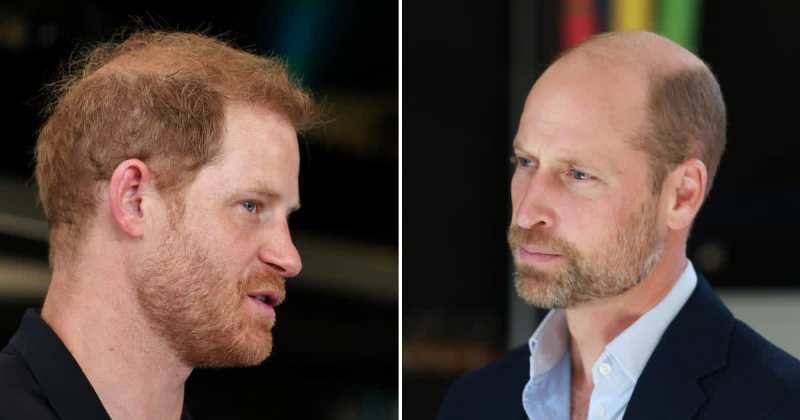
Why Do the Prince and Princess of Wales Remain So Popular?
EXCLUSIVE ANALYSIS: Prince William and Princess Catherine continue to receive strong public support, but what could explain their enduring appeal?
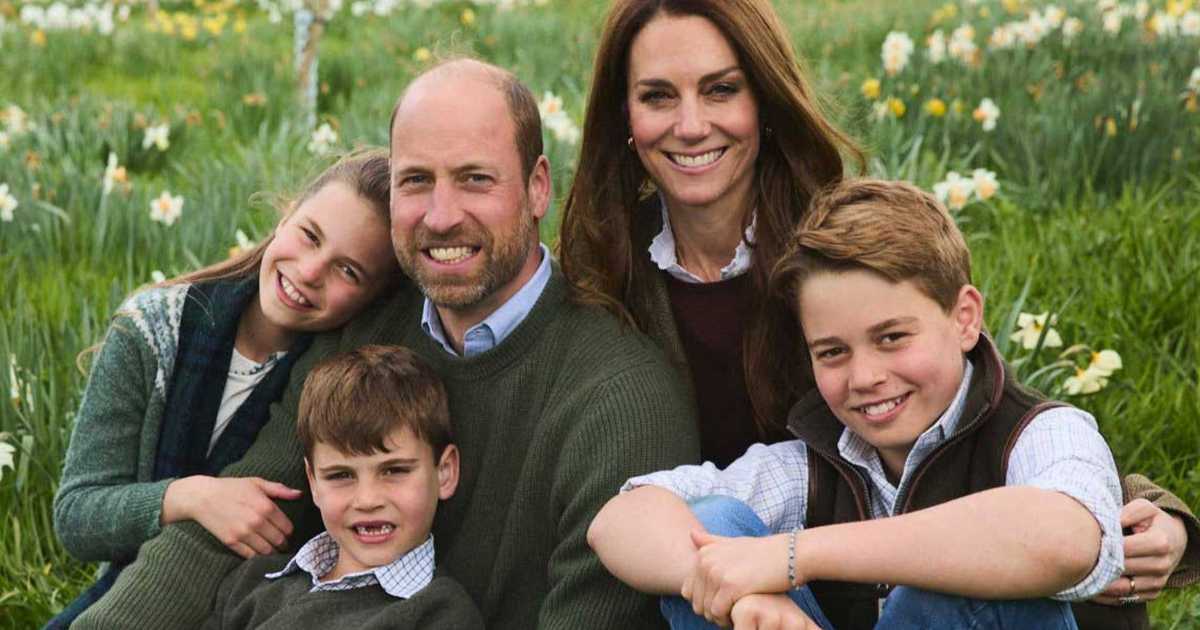


THE Prince and Princess of Wales have once again topped the official YouGov Polls and emerged once again as the most popular members of the British Royal Family.
But what is sustaining their popularity and why do they continue to appeal to so many people?
According to the latest YouGov poll, published on 29 October, between 72 and 74 per cent of British adults have a positive opinion of the Prince and Princess of Wales. The survey, conducted between 22 and 23 October among 2,116 adults in Great Britain, placed the couple ahead of several other members of the Royal Family, including King Charles, Princess Anne and the Duke and Duchess of Sussex.
While the survey represents a sample of the population rather than everyone's views, it indicates the couple's continued popularity. Similarly, an IPSOS poll conducted in August found that 65 per cent of British adults held favourable views of both William and Catherine.
Both polls suggest an overall positive response to the royal couple, although the reasons behind their popularity are likely to be more complicated than any single engagement or public appearance. One possible explanation is their ability to balance traditional royal responsibilities with a more modern approach to royal life.
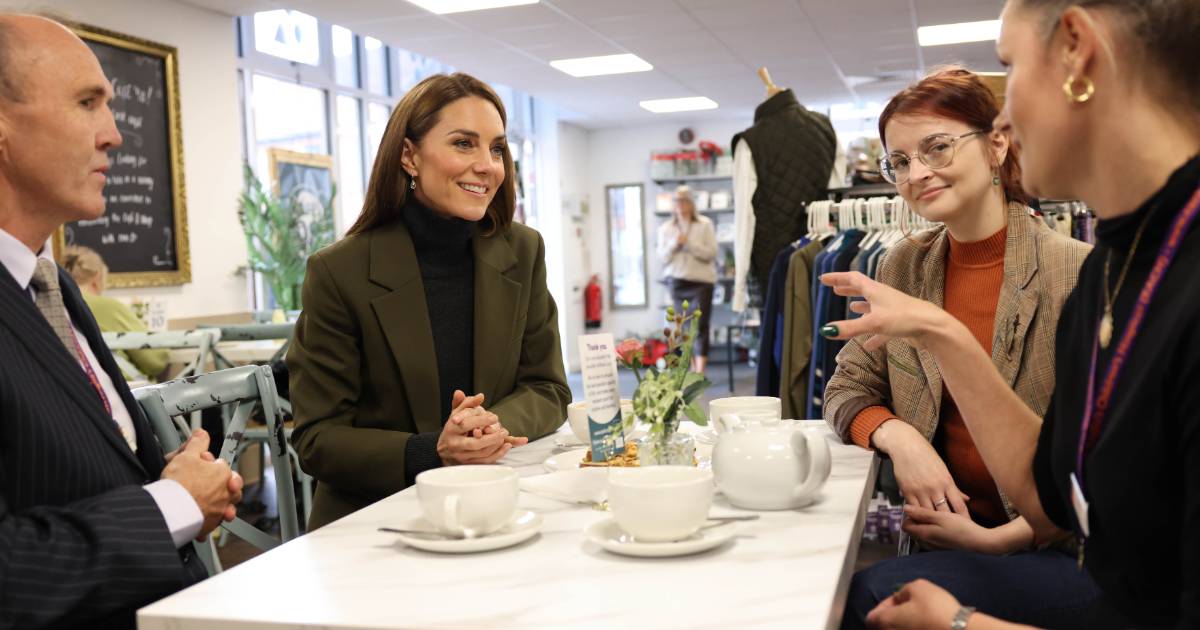
The Prince and Princess of Wales regularly attend ceremonial engagements, both at home and abroad, represent the King and support charitable and national events. However, they are also seen taking part in more informal engagements, meeting families, speaking with young people and discussing issues that affect everyday life.
Their recent visit to Northern Ireland offered an example of this approach. During their engagements, the couple visited IKEA in Belfast, where they went behind the counter of the store's café and interacted with customers.
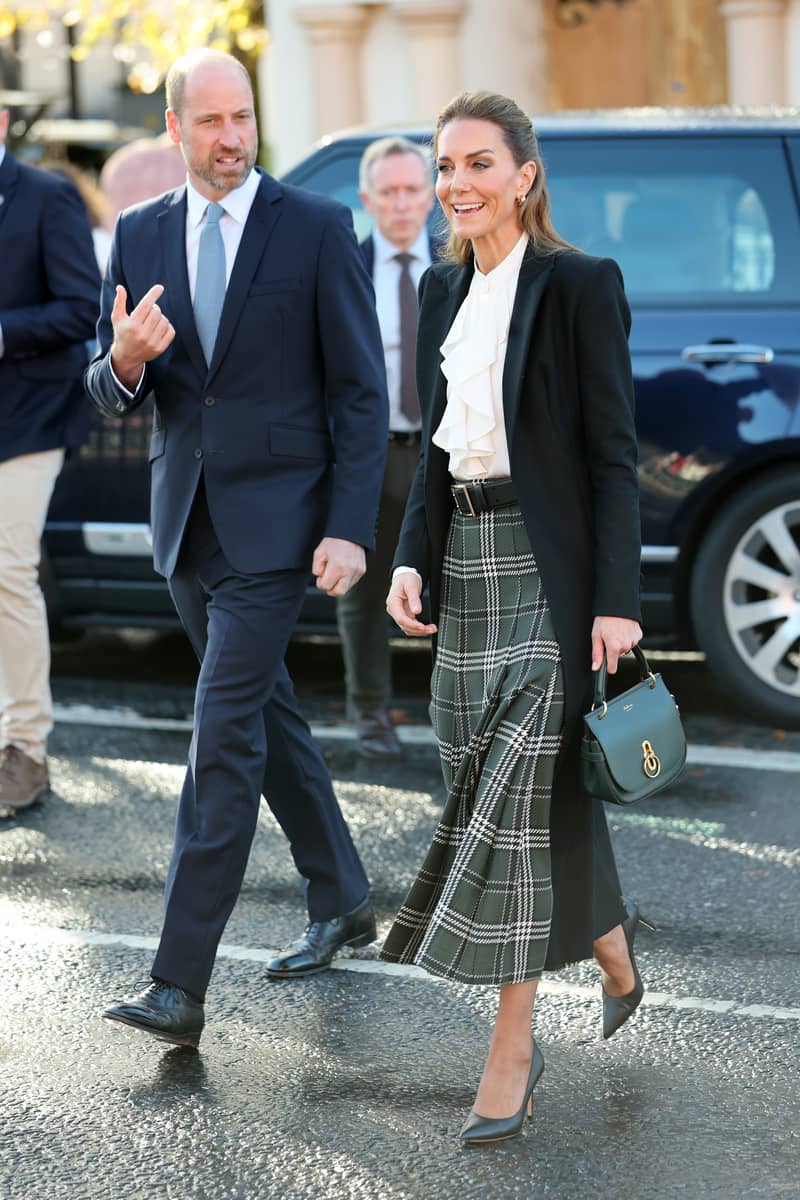
Although the moment attracted attention because of its informal nature, the visit was also connected to William's Homewards programme, which aims to help prevent homelessness. This combination of traditional duties and more relaxed public interactions may help explain why some people find the couple relatable.
But public appearances only form part of their work. Prince William has increasingly focused on long-term projects, particularly on the topics of homelessness and environmental protection, through the Homewards and the Earthshot Prize initiatives.
Catherine, meanwhile, has developed a particular interest in early childhood development, supporting research and projects examining how children's earliest experiences can influence their lives. These causes extend beyond individual royal visits and involve continued collaboration with organisations and specialists. One thing the Prince and Princess of Wales appear to do well is bring attention to these projects while allowing the organisations involved to explain their own work.
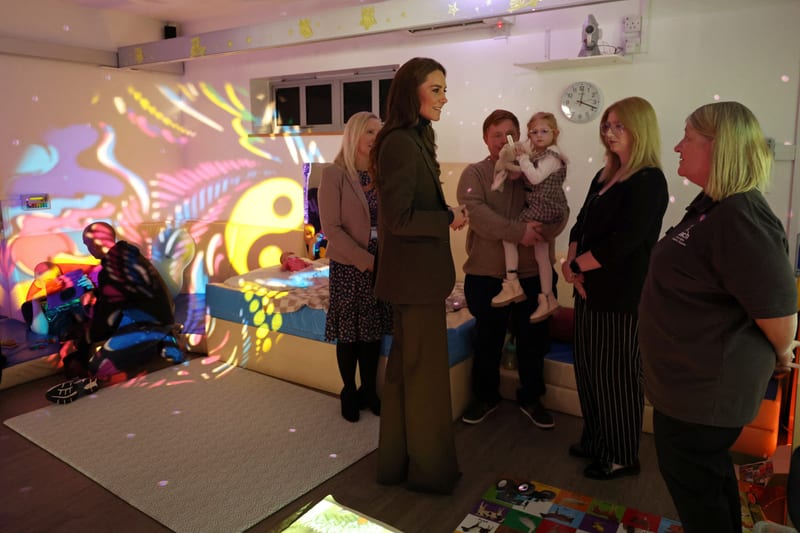
Their approach also suggests an interest in what happens after an engagement has finished, rather than simply the publicity surrounding the visit. That does not mean previous generations of royals have not taken a similar approach.
King Charles established The Prince's Trust, now The King's Trust, while Princess Anne has spent decades supporting charitable organisations through her patronages and public engagements.
Long-term charitable involvement has been part of royal life for many years, although William and Catherine appear to be developing their own approach as they prepare for their future responsibilities.
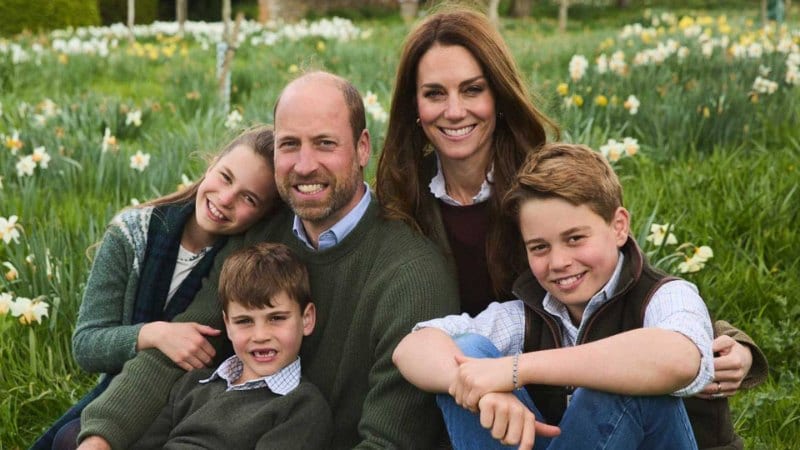
Part of the couple's popularity might come in the form of their three children, Prince George, 13, Princess Charlotte, 11, and eight-year-old Prince Louis.
The Prince and Princess of Wales appear to have placed considerable importance on giving their children a relatively down-to-earth, loving and stable upbringing, despite their positions within the Royal Family.
All three children have attended private schools where they have had opportunities to form friendships and participate in everyday school activities alongside their classmates.
William and Catherine are also said to be closely involved in their children's school lives. During George's time at Lambrook, the couple were reportedly seen supporting him from the sidelines at football and hockey matches, while Charlotte has enjoyed activities including netball and ballet, and Louis has developed an interest in football.
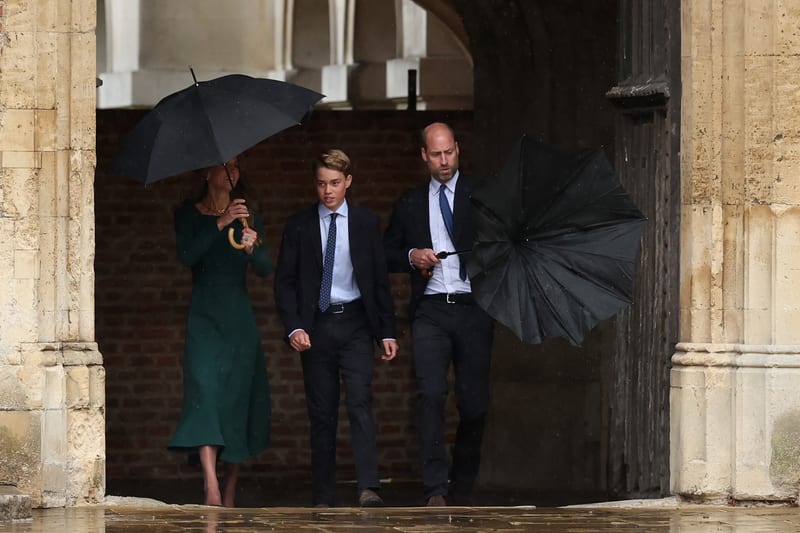
That involvement is likely to remain important as George continues his education at Eton College, although the details of his school life are understandably kept private. Despite being one of the most recognisable families in the world, William and Catherine have generally maintained considerable privacy for their children.
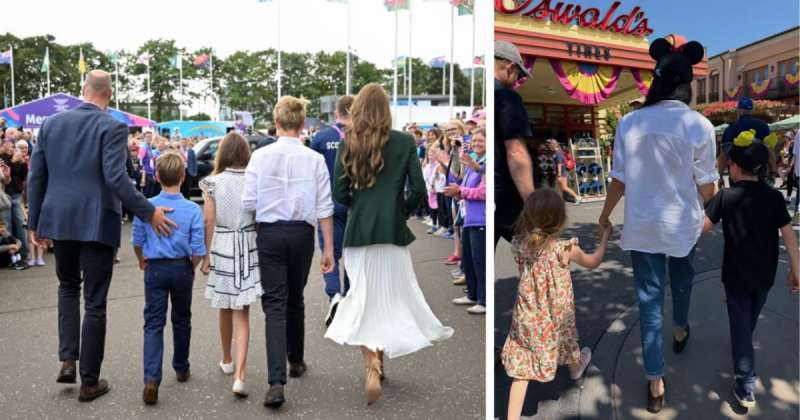
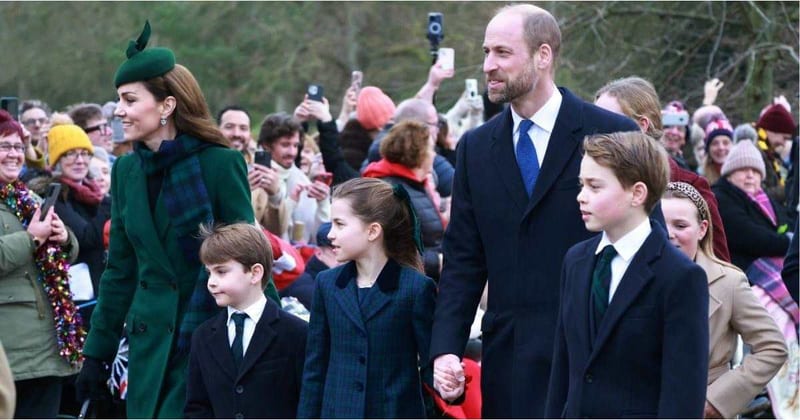
But the public tend to see George, Charlotte and Louis at major national occasions, such as Trooping the Colour, or traditional family events, including Christmas at Sandringham - which have also nearly always provided entertaining moments, I'm looking at you Prince Louis!
The younger generation of royal followers might also provide an interesting landscape, as Prince George, Princess Charlotte and Prince Louis have attracted public interest as they have grown up, particularly among younger audiences who may feel closer in age to the children than to the older members of the Royal Family. The Prince and Princess of Wales occasionally share official photographs and family videos, allowing the public a glimpse into their children's lives without making them constantly available to the media.
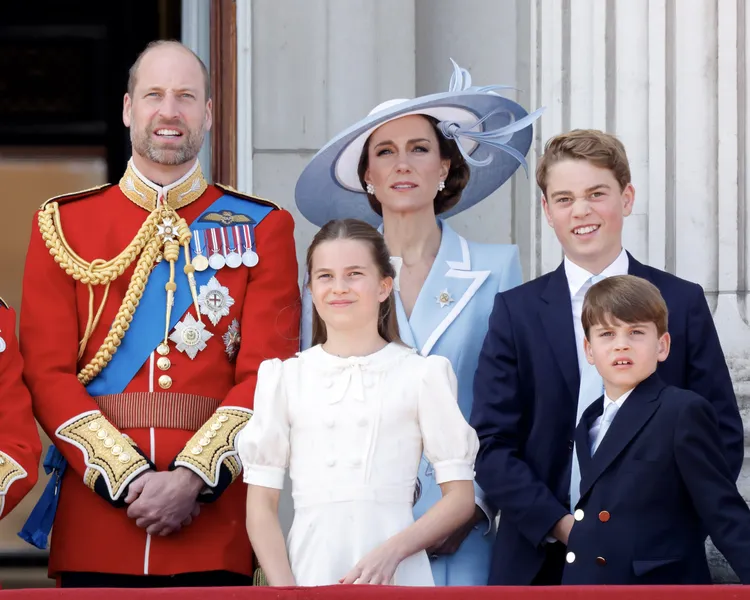
These moments often attract considerable attention online and may help introduce younger audiences to the Royal Family. During a project I carried out with children aged five to seven myself, I found that several were particularly interested in George, Charlotte and Louis because they were children like them.
Eleven-year-old Sebastian Winfield also expressed his interest in Prince George, saying: "People say I look like Prince George and he's my favourite royal." Meanwhile, seven-year-old Willow Jewel P Baldock said she "liked Princess Charlotte". Both young actors were involved in a royal project where children narrated the history of the British Royal Family for other children like them.
They represent the next generation of children growing up with the royal family and following the young royals. Although these are individual experiences rather than evidence of wider public opinion, they offer an interesting insight into how younger people may connect with members of the Royal Family closer to their own age.

This approach appears to reflect the couple's desire to allow their children to enjoy their childhoods, concentrate on their education and develop their own interests before taking on greater public responsibilities.
Reports over the years have also suggested that William and Catherine take an active role in school routines, attend events involving other parents and encourage their children to enjoy friendships, birthday parties and visits to friends' homes like any other children.
Although their circumstances are very different from those of most families, these everyday experiences may help make the couple more relatable to parents who recognise similar routines in their own lives. Rather than appearing entirely removed from ordinary family life, William and Catherine seem keen to ensure their children experience as much normality as possible for as long as they possibly can.
For some members of the public, their approach may contribute to the impression of a couple attempting to balance family responsibilities with an unusual public role. Of course, the Wales family live in circumstances very different from those of most households, and their position comes with considerable privileges.
But William and Catherine's focus on their charitable responsibilities might be perceived by many as genuine, rather than a couple simply seeking celebrity status.
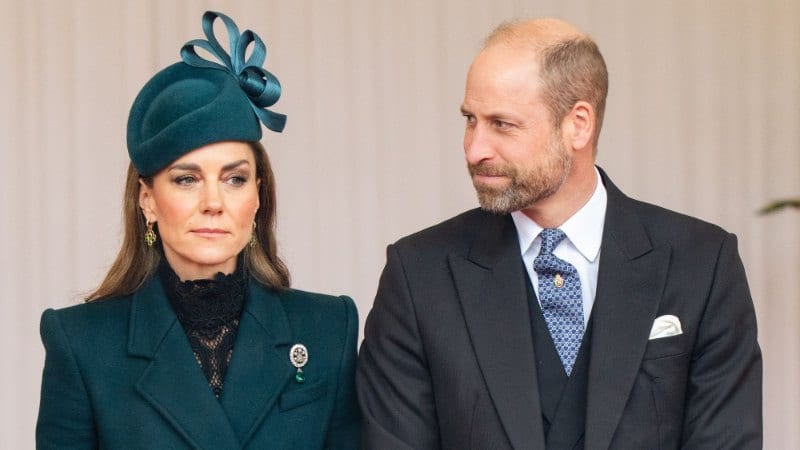
As the future King and Queen, William and Catherine receive considerable attention, particularly during major national occasions. Their prominence provides opportunities to build recognition and familiarity that less senior members of the Royal Family may not receive to the same extent.
However, visibility alone does not necessarily guarantee positive public opinion.
Ultimately, there is unlikely to be one explanation alone for the couple's popularity. But a culmination of charitable endeavours, public appearances, family image and a modern approach to communication may all contribute to how they are perceived.