Prince William Takes Earthshot To The Mall - And Proves His Royal Reach Goes Far Beyond the Palace
EXCLUSIVE ANALYSIS: Prince William's public interactions brought a personal dimension to his Earthshot campaign.
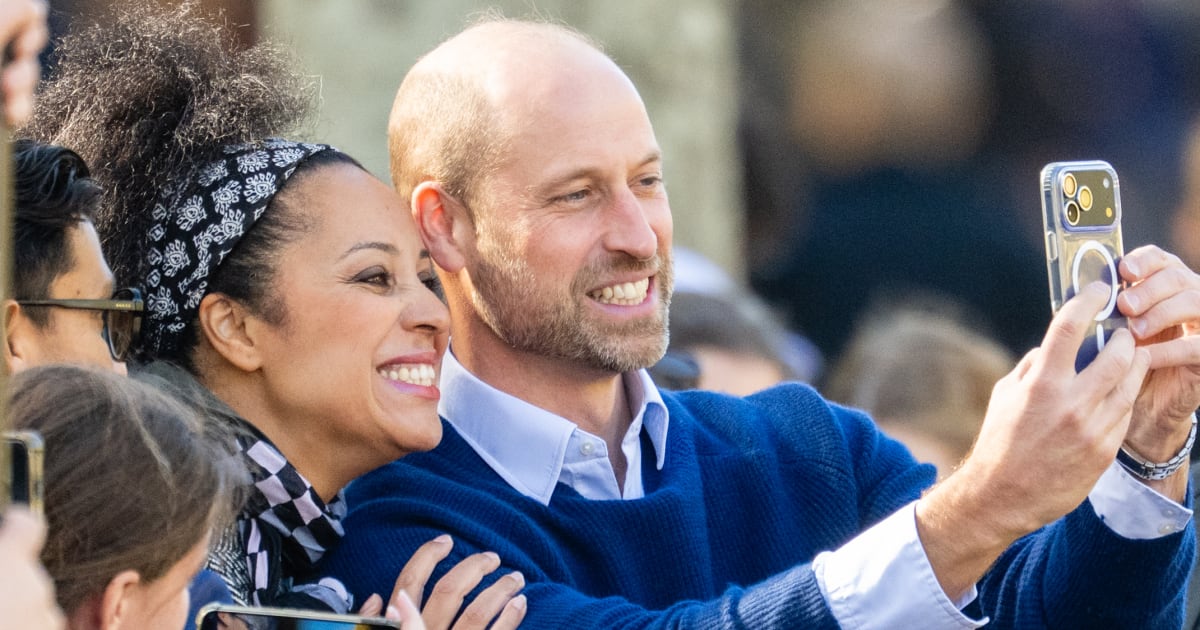


PRINCE William's appearance on The Mall in London offered more than an opportunity to promote his Earthshot Prize environmental initiative.
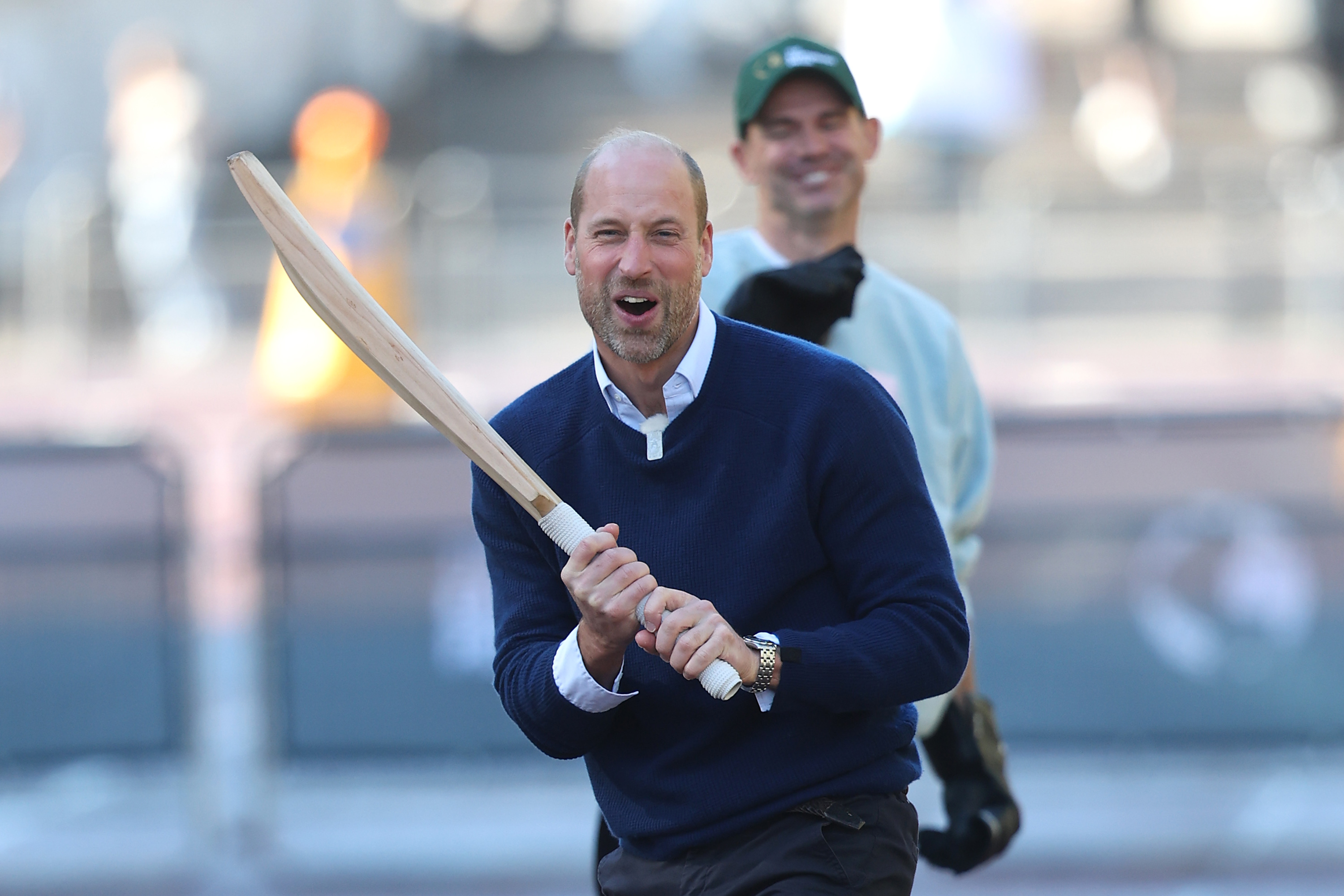
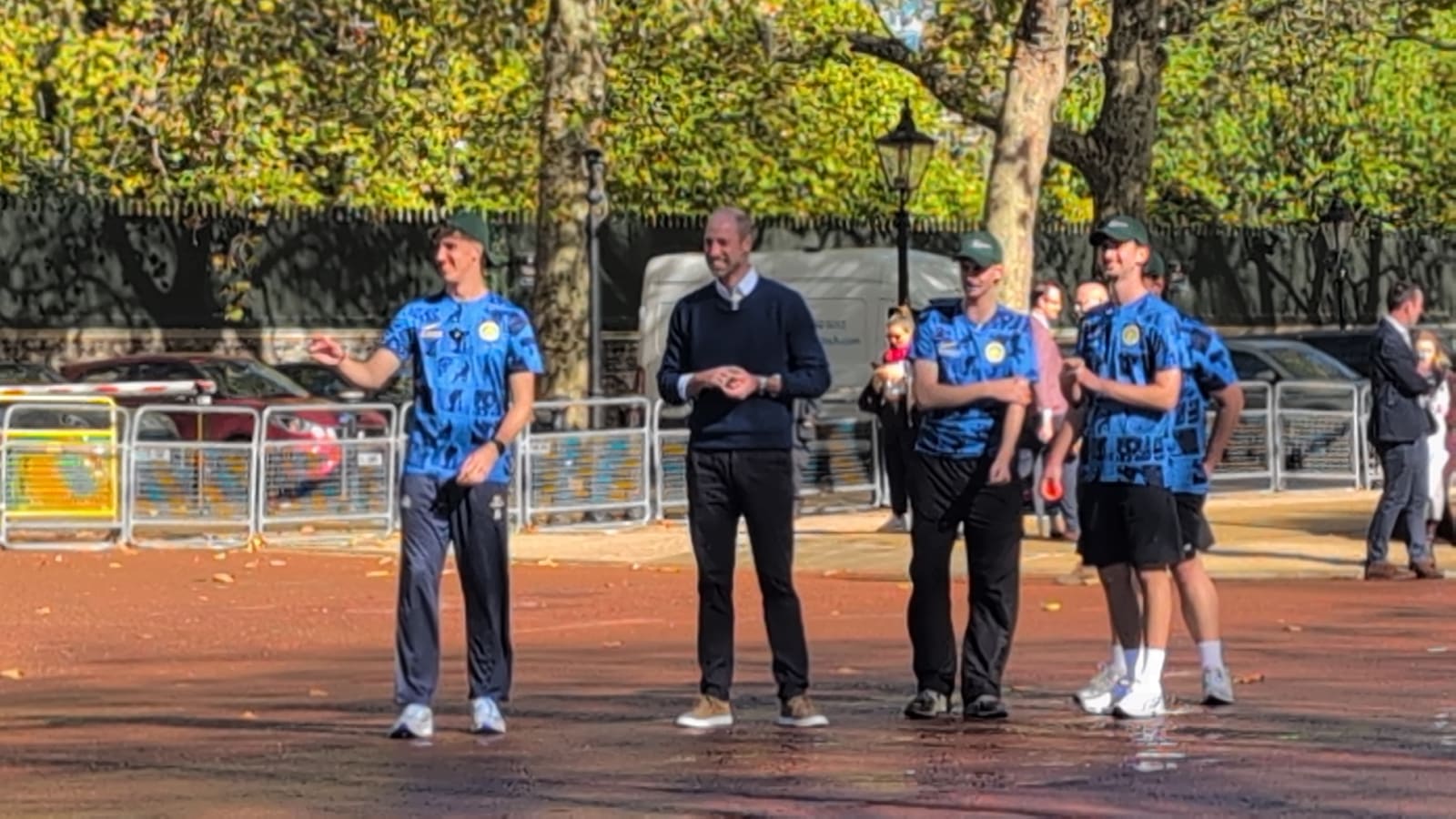
It also demonstrated how the future King is combining his public role with a more approachable style of royal engagement. The Prince of Wales took part in a cricket-themed event ahead of the Earthshot Prize Awards in Mumbai, India, using the occasion to draw attention to the international environmental initiative he launched in 2020.
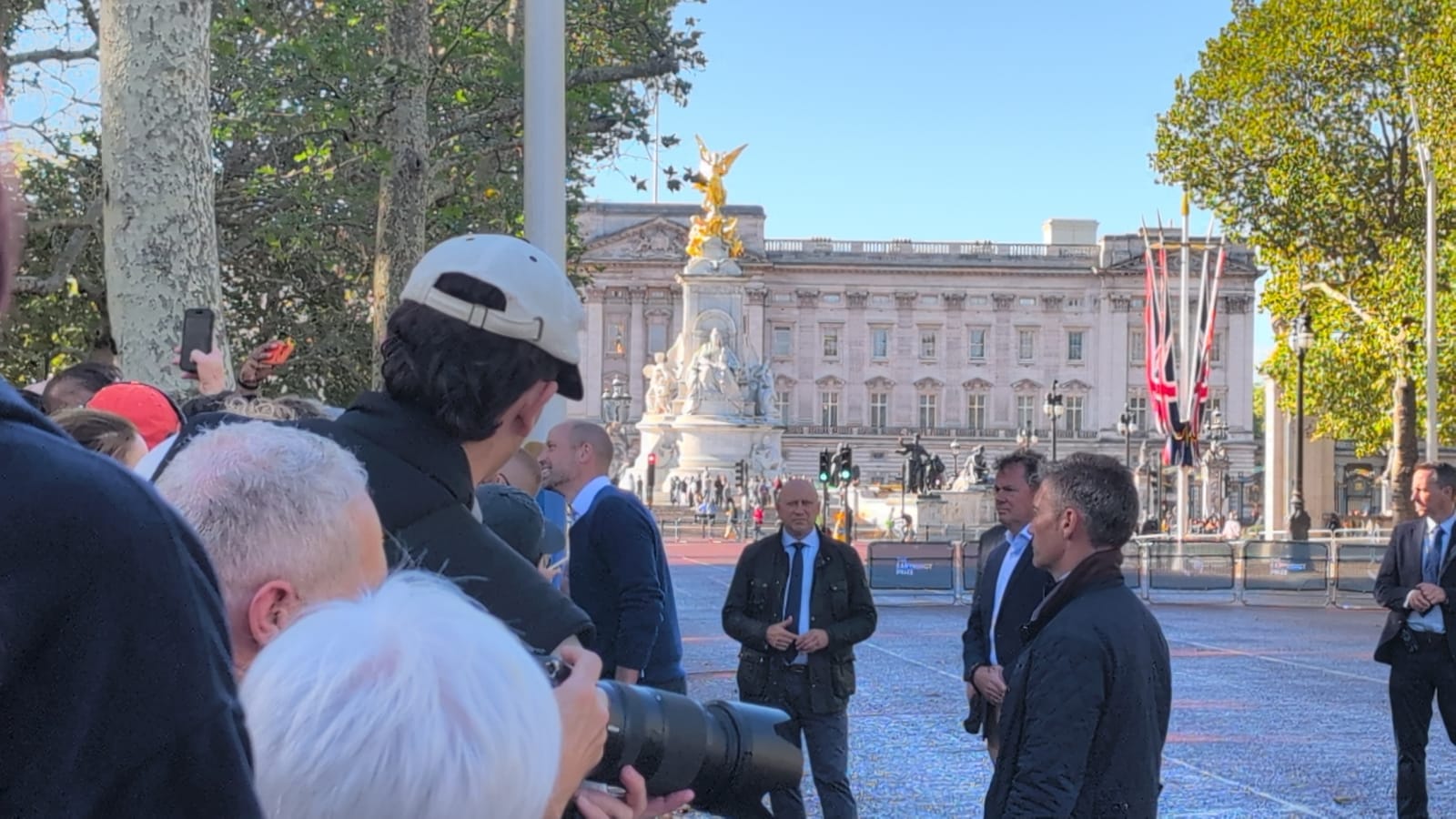
Reporting from The Mall for The Royal Observer, I had the opportunity to meet William as he interacted with people gathered nearby. The Prince appeared relaxed and approachable, stopping to speak with members of the public and posing for photographs with those who came forward to greet him.
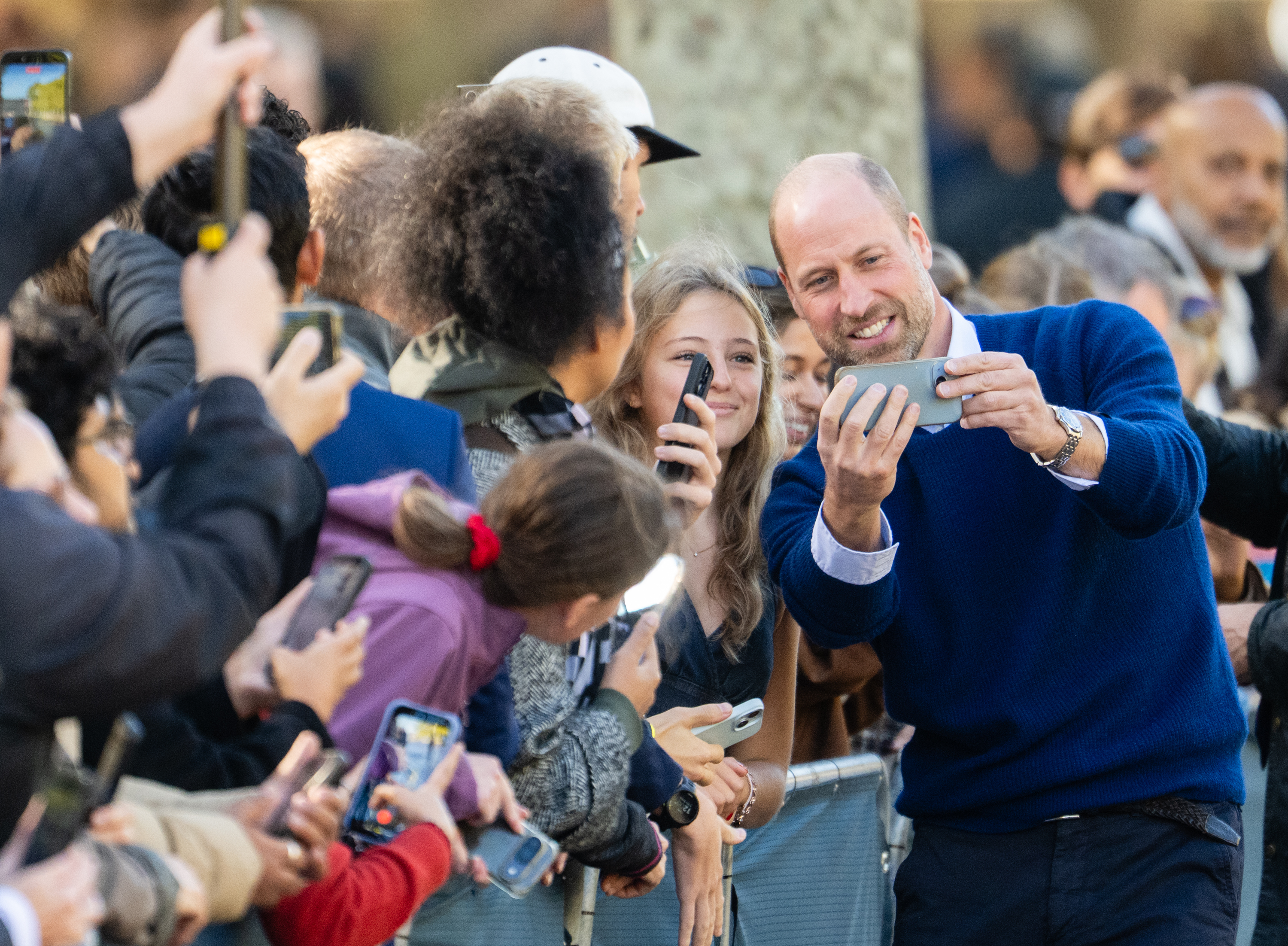
It was an opportunity to observe a different side of a royal engagement: the moments when a carefully organised programme meets the spontaneity of public interaction.
The significance of the event extended beyond William's performance with a cricket bat. The Mall, usually associated with royal processions and major state occasions, became a place for an informal sporting encounter involving some of cricket's best-known international players, including Joe Root, Sourav Ganguly and Brian Lara.
Cricket was a particularly fitting choice ahead of November's Earthshot Prize Awards in Mumbai. The sport has enormous cultural significance in India and provides a familiar connection between the country and Britain. By bringing the game to one of London's most recognisable royal settings, William was able to introduce the forthcoming awards to an audience that might not otherwise have been following the environmental initiative.
Its forthcoming awards ceremony in Mumbai will place India at the centre of that international effort. As one of the world's most populous countries, India faces significant environmental challenges while also providing opportunities for innovation in clean energy, sustainable development and waste management.
The decision to use cricket to promote the awards therefore carried a cultural as well as a sporting message. Rather than relying exclusively on speeches about climate change, Prince William participated in an activity familiar to millions of people across India and the United Kingdom.
There was also a more personal element to the engagement. After taking part in the cricket, Prince William approached spectators gathered along The Mall, shaking hands, chatting and posing for selfies. The interactions were not the principal purpose of the event, but they offered a glimpse of how the Prince connects with people outside the more formal settings of royal life. For those who had come to central London expecting an ordinary day of sightseeing, the opportunity to meet the future King was an unexpected addition.
Yet public engagement is another part of that responsibility. A royal project can involve international partnerships, major financial awards and scientific innovation, but the individual leading it must also communicate its purpose to people beyond those directly involved. Prince William's appearance on The Mall brought those two aspects of royal life together. The cricket attracted attention, the approaching Mumbai ceremony provided the underlying purpose, and the conversations with spectators added a personal dimension to the occasion.
It would be an exaggeration to suggest that an informal game of cricket fundamentally changes the monarchy or proves how William will reign. Nevertheless, it demonstrated how traditional royal settings can be used for contemporary causes without losing their public appeal. The contrast was especially noticeable on The Mall itself. A road synonymous with royal ceremony became the setting for a relaxed sporting event, with the Prince of Wales exchanging the formality of a procession for a cricket bat and conversations with spectators.
The success of the initiative will ultimately depend on the solutions it supports, the impact of its winners and whether their work can be expanded beyond the awards ceremony. Tuesday's event did not provide those answers. But what it did provide was a way of introducing the initiative to a wider audience, using a sport with particular relevance to the country hosting this year's awards.
For Prince William, the afternoon illustrated two responsibilities that will continue to shape his public life: championing causes he believes can deliver long-term results and maintaining a connection with the people he will one day serve as King. The lasting significance of the occasion may not be the cricket itself, but the way William used a familiar royal landmark, an internationally recognised sport and direct public interaction to bring attention to a global environmental ambition.