I Saw First-Hand What King Charles Does Best - And Why No Political Leader Can Replicate It
EXCLUSIVE ANALYSIS: The Sultan of Oman's state visit brings together royal tradition, diplomacy and cultural ties and it shows why the King has a unique role in relationships with allies
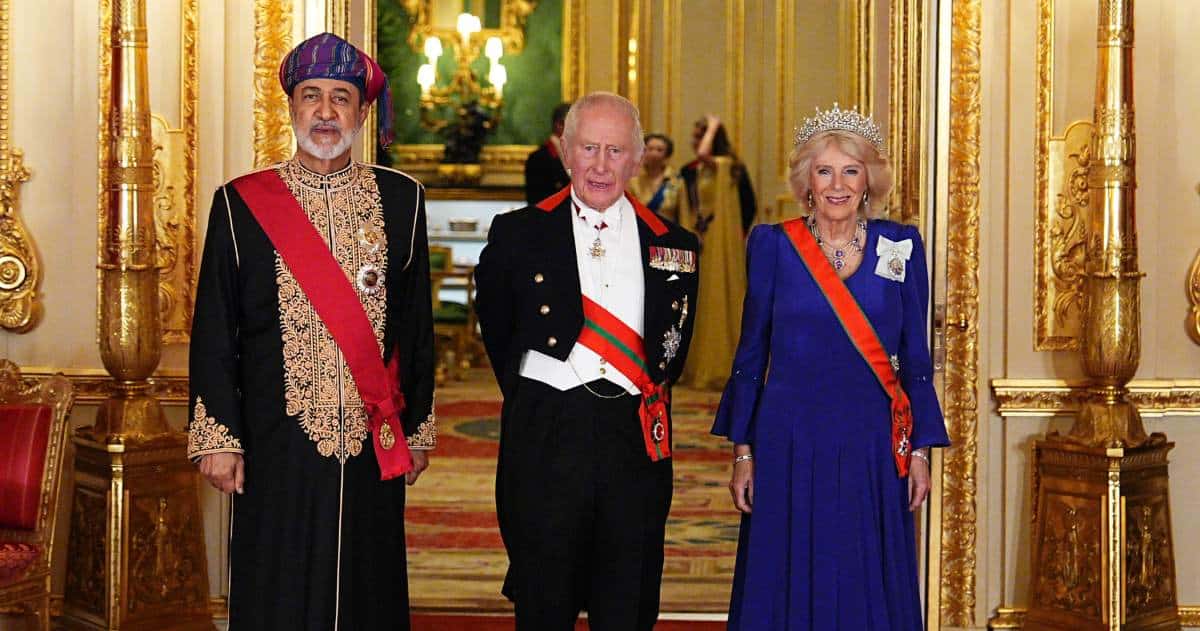


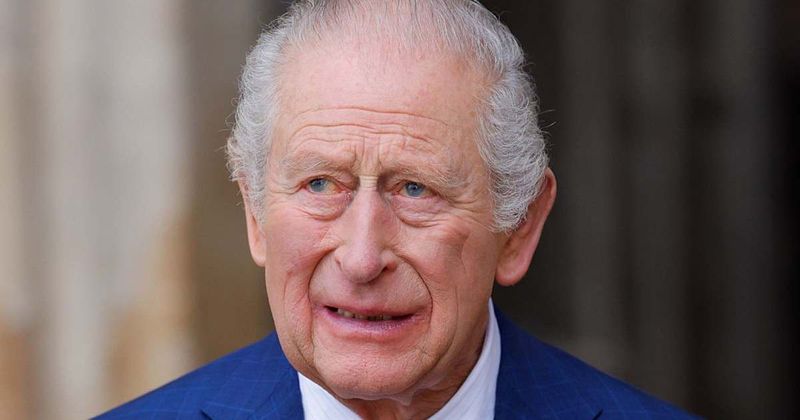
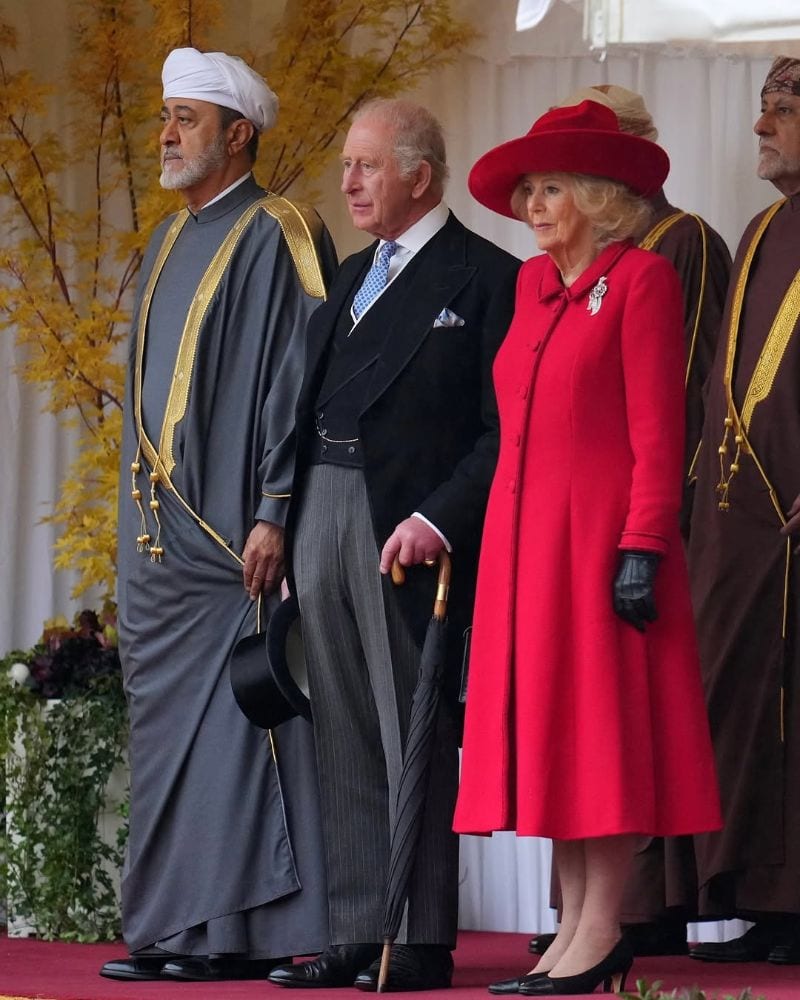
KING Charles III and Queen Camilla welcomed Sultan Haitham bin Tarik of Oman to Windsor, bringing together royal tradition, military pageantry and the longstanding relationship between Britain and Oman.
When we look back at these historic visits, like the Sultan of Oman's visit or the Nigerian visit in December 2025, we usually think of the pomp and pageantry, but behind the ceremony is a deeper message that no elected leader could ever really replicate.
The King is head of state for the United Kingdom, the Commonwealth and 14 Realms. He represents a unique role; he's not elected and is ranked above the Government. Most laws and even passports are written in his name. So much so, he doesn't even need a passport to travel or a driver's license to drive a car. That said, while he's exempt from paying tax, he still pays his fair share, and so does his son, Prince William, like other British citizens.
While the King conducts hundreds of engagements each year, and most engagements carry significant meaning, state visits really do show people why the monarchy is special.
Unlike governments, which come and go (the UK coming under rather frequent changes - seven Prime Ministers in just ten years comes to mind), the monarchy remains. That steady constitutional force in itself helps create continuity within the system, providing someone at the top who represents the country and continues serving regardless of the political views or changes in government.
While that already sets the monarchy apart, one of the most interesting aspects is its familiarity with Britain's international allies.
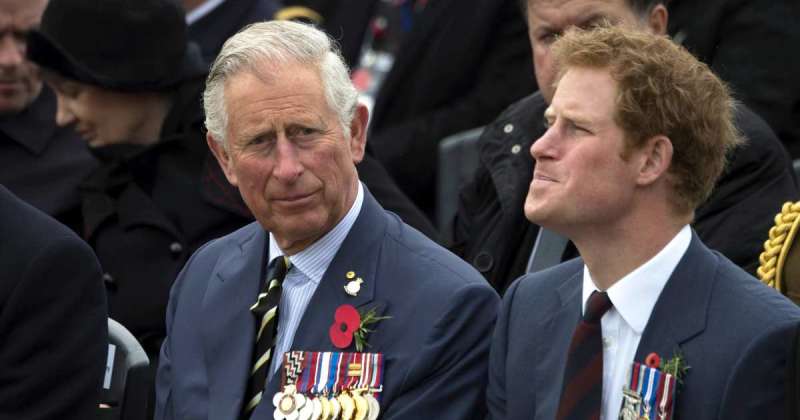
The King spent around 70 years preparing for the throne. Working alongside his late mother, Queen Elizabeth II, he was able not only to watch and learn from her, but also to develop relationships with heads of state from allied countries, some of whom remain in their positions today, particularly in other monarchies.
This means that, unlike a newly elected Prime Minister who may have had little previous contact with another country's leader, King Charles, or indeed his mother before him, may have known that individual for many years. In some cases, those relationships have included extensive conversations behind closed doors, personal meetings and even private visits.
I think this was represented particularly clearly during the Sultan of Oman's state visit. The King greeted Sultan Haitham bin Tarik with the warmth of an old friend. The pair were seen laughing and joking together in the carriage, appearing relaxed and comfortable in one another's company. It was a lovely moment that suggested a familiarity extending beyond the formalities of a state visit, and we know they have met before.
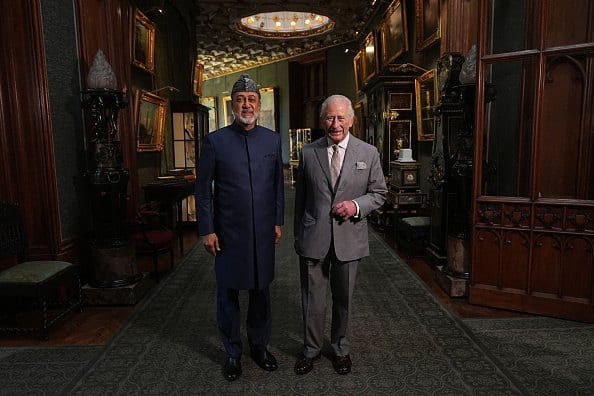
In July 2025, a photograph was released showing King Charles and Sultan Haitham smiling together in the halls of Windsor Castle. However, the King's relationship with Oman stretches back much further. In 2016, Charles and his wife, now Queen Camilla, visited Oman. Later in January 2020, Charles travelled to the country following the death of Sultan Qaboos bin Said, paying his respects and meeting the new Sultan. His connections with Oman therefore go back many years, spanning different generations of the country's leadership.
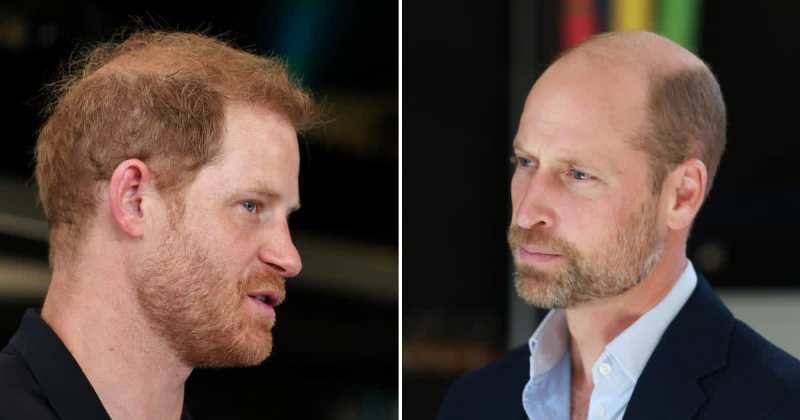
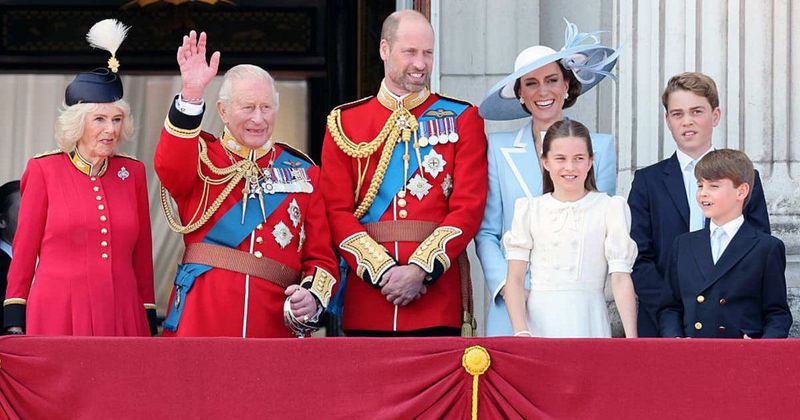
The practice of developing these long-term relationships is also something Prince William, as heir to the throne, is increasingly taking on through his own royal duties.
William has visited the Middle East on several occasions, building connections with leaders and communities across the region. During the state visit, it was announced that the Prince of Wales would become Joint Patron of the Jewel of Arabia Expedition, an environmental initiative focused on raising awareness among young people about biodiversity, sustainability and the climate challenges affecting Oman and the wider world.
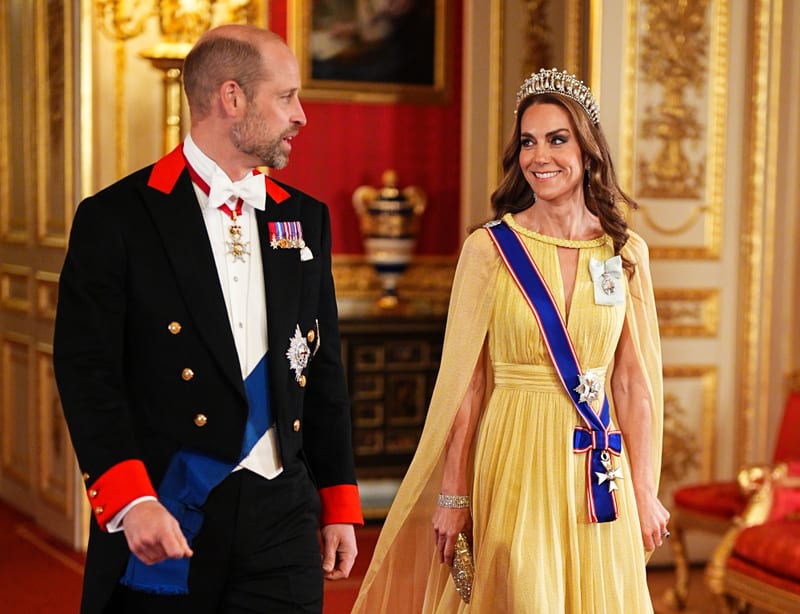
This is another example of the continuing relationship between Britain and Oman, with Prince William now playing a part in maintaining those connections for the next generation.
It is also possible that, in years to come, Prince George, who is now 13, will develop his own relationships with the country as he prepares for his future responsibilities.
And this is exactly why the Royal Family still has such a special part to play in the workings of British diplomacy. The institution exists not just for impressive ceremonial purposes. The relationships established with international leaders can develop over decades, continuing through changes of government and even across generations of other royal families worldwide.
An elected head of state can, of course, establish important diplomatic relationships too. But the particular continuity offered by a hereditary monarchy, where those connections can be maintained throughout a lifetime and passed on to the next generation, is something that could make Britain's system especially valuable.
The King and Sultan laughing together in Windsor was just a small moment during a much larger state visit, but it seemed to capture something significant about the monarchy's diplomatic role.