King Charles's Oman State Visit Shows Why Royal Diplomacy Still Matters
EXCLUSIVE ANALYSIS: The Sultan of Oman's historic visit to Windsor is set to highlight the monarchy's diplomatic importance.
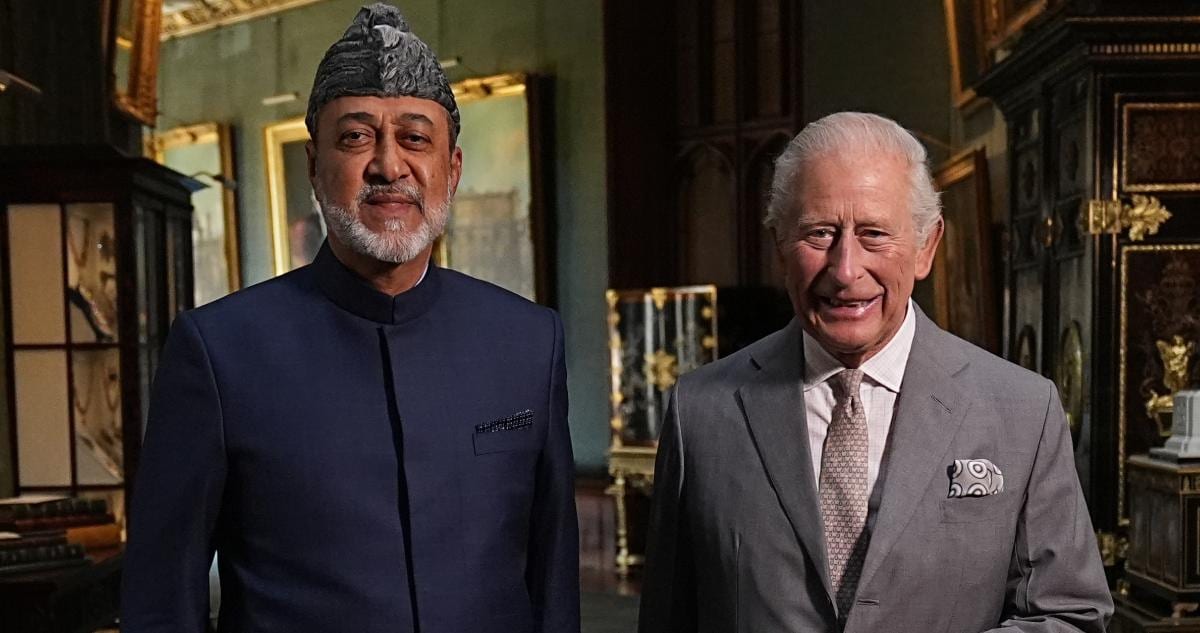


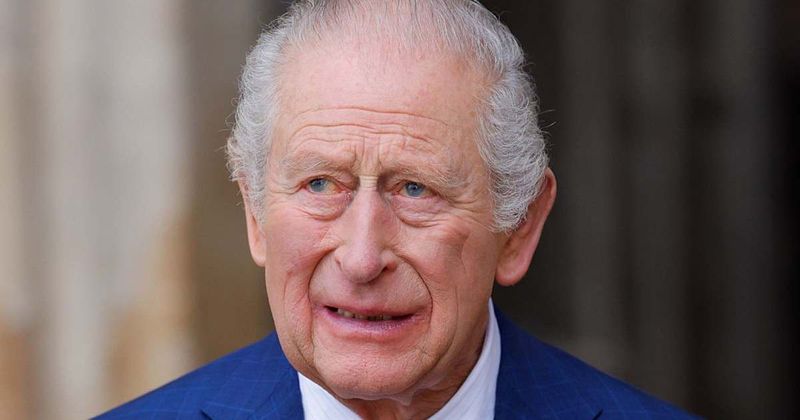
KING Charles III will welcome Sultan Haitham bin Tarik of Oman to Windsor Castle on October 20, for a historic state visit to Windsor that will highlight one of the monarchy's most significant responsibilities.
There will undoubtedly be considerable attention in Windsor surrounding the ceremonial welcome, military procession and the splendour and pageantry of Windsor Castle. State visits are among the grandest occasions in the royal calendar, and they naturally attract interest from people who enjoy the traditions associated with the monarchy.
However, the importance of these occasions can go much further than the ceremonies themselves. They provide an opportunity for Britain to strengthen relationships with other nations, recognise shared history and welcome international leaders in a setting that is quite different from an ordinary political meeting.
The Sultan's visit to the United Kingdom, which runs from 20 to 22 October, will be the first state visit to Britain by a Sultan of Oman in more than four hundred years. The previous occasion was in March 1982, when the late Queen Elizabeth II welcomed Sultan Qaboos bin Said.
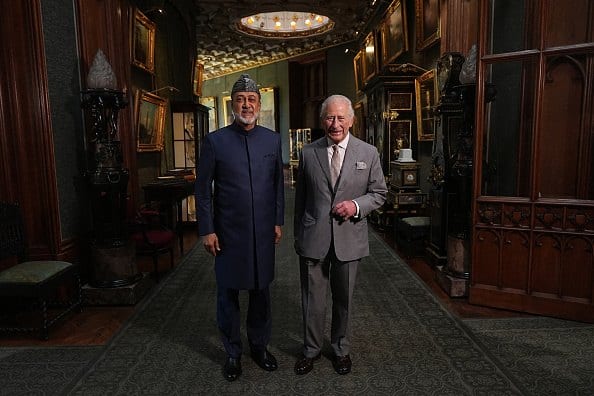
That historical connection is particularly interesting because the relationship between Britain and Oman has continued through several generations of leadership. King Charles has visited Oman on four occasions, including a journey to Muscat in January 2020 following the death of Sultan Qaboos. Queen Camilla accompanied him on a visit in 2016, while Sultan Haitham was welcomed to Windsor Castle for a private meeting with the King in July 2025.
These meetings have helped maintain a personal relationship between the two royal households, something that can be valuable when countries are looking to strengthen their wider diplomatic ties. Britain and Oman have a longstanding relationship involving defence, trade, education and cultural cooperation. Their historical connections stretch back more than 200 years, although, like many relationships shaped by Britain's international history, they have developed considerably over time.
Today, Oman also occupies an important diplomatic position in the Middle East, maintaining relationships with countries that do not always agree with one another. Its geographical position near the Strait of Hormuz, a vital route for international shipping, makes regional stability particularly significant.
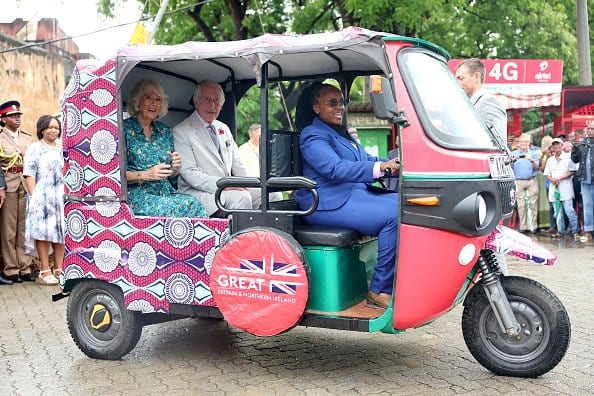
Of course, it is the British Government, rather than the King, that determines the country's foreign policy. Ministers and diplomats are responsible for negotiating agreements, making political decisions and representing the Government's position on international affairs. But that does not mean the monarchy has no part to play. As Head of State, King Charles can welcome visiting leaders on behalf of the country, and provide continuity even when governments and political priorities change. He can also welcome them in a special way introducing them to Britain's rich heritage and culture.
A Prime Minister may serve for a few years, in the UK this may be from 2 year to 4 years, while the Sovereign can maintain relationships with international leaders over several decades. Monarchy manages to keep continuity in relationships with other countries. Whilst those other nations stay familiar with the head of state because they have built that relationship over many years.
Charles's familiarity with Oman began long before he became King. His previous visits mean that Tuesday's welcome will not simply be an introduction between two heads of state, but another meeting within an established relationship.
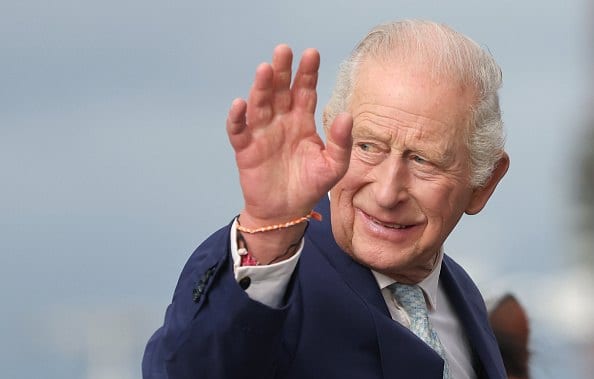
The visit also offers an opportunity to consider how the role of the Royal Family has evolved. The late Queen Elizabeth II welcomed world leaders throughout her 70-year reign, becoming an important figure in Britain's international relationships. King Charles has inherited those constitutional responsibilities while bringing his own experience of overseas visits and meetings with international figures.
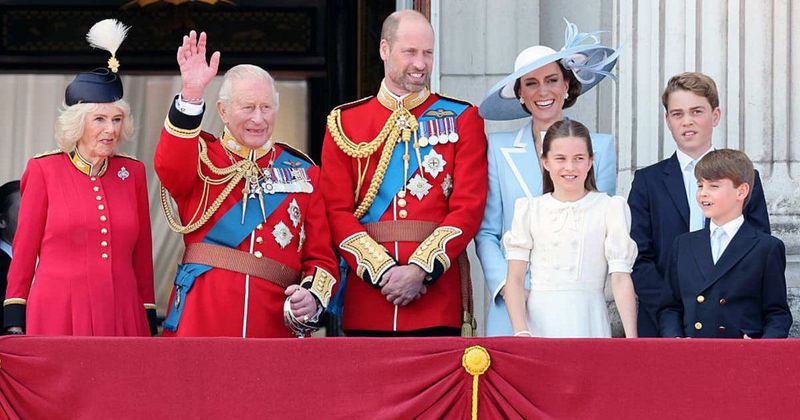
The Prince and Princess of Wales have also taken increasingly prominent roles during state visits, reflecting their future responsibilities within the monarchy. These occasions introduce visiting leaders to several generations of the Royal Family, which can help maintain the countries relationships well into the future. There will always be debate about the cost of royal ceremonies and the wider role of the monarchy, especially in a cost of living crisis. Nevertheless, the diplomatic purpose of state visit alone carries much merit alongside those debates.
The ceremonial welcome is not a substitute for political negotiations, and it would be wrong to suggest that a banquet or carriage procession alone could produce diplomatic agreements. What these occasions can do is provide a formal setting in which relationships are recognised, conversations can take place and the importance of continued cooperation is demonstrated. It's also a place where shared identity and heritage can flourish.
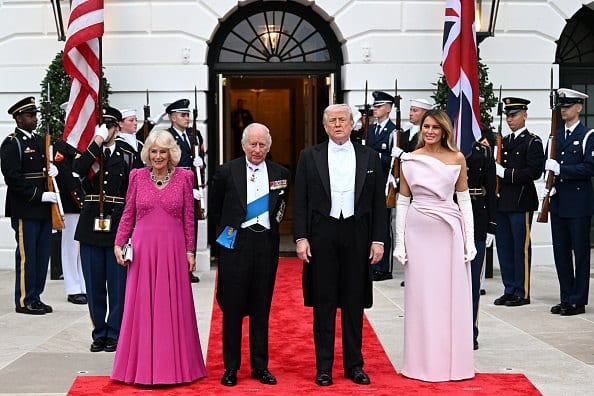
For Oman, this visit is an opportunity to reinforce its relationship with the UK at a time when developments in the Middle East have significant international consequences.
For King Charles, it represents another important engagement in his role as Head of State, drawing on relationships he established during his decades as Prince of Wales. For Prince William and Catherine, it's a chance to shine and observe what their future roles would look like. And for the British monarchy overall, it demonstrates a responsibility that is sometimes overshadowed by the more visible aspects of royal life.
When the Sultan arrives at Windsor Castle, the photographs will naturally focus on the military ceremony, the royal welcome and the historic surroundings. But the real significance of the visit will be found in the relationship between the two countries and what their leaders hope to achieve.