Should King Charles Apologise for the Actions of Generations Before Him?
EXCLUSIVE ANALYSIS: King Charles and Queen Camilla are set to head on a Caribbean tour tomorrow, but with talks about slavery reparations should the King have to apologise for generations before him?
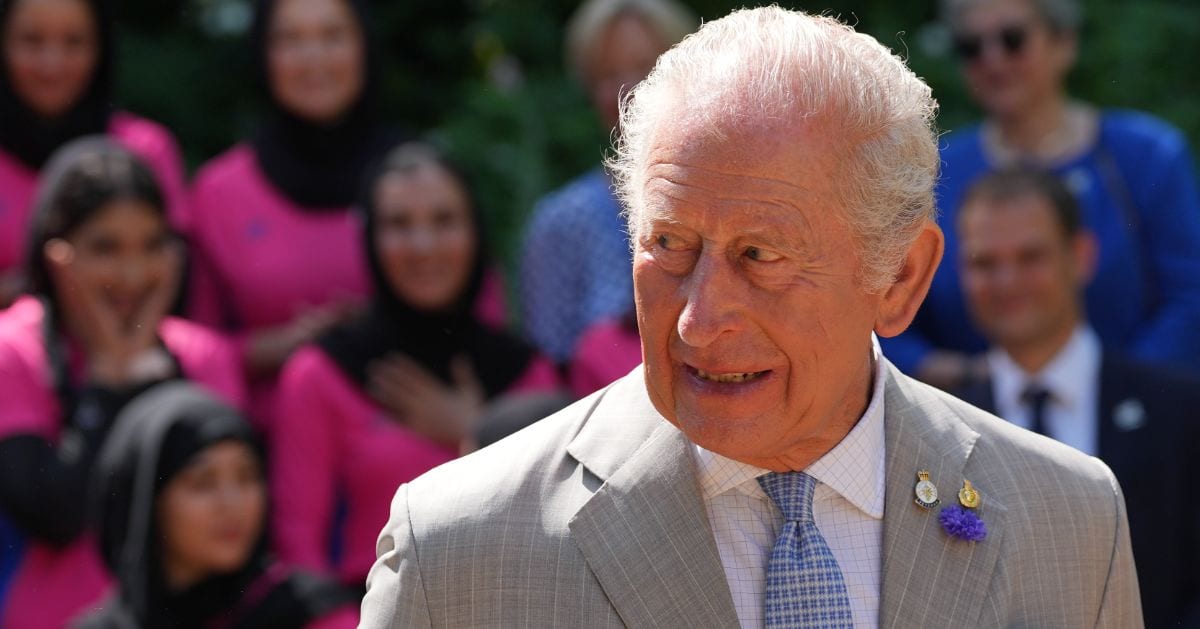


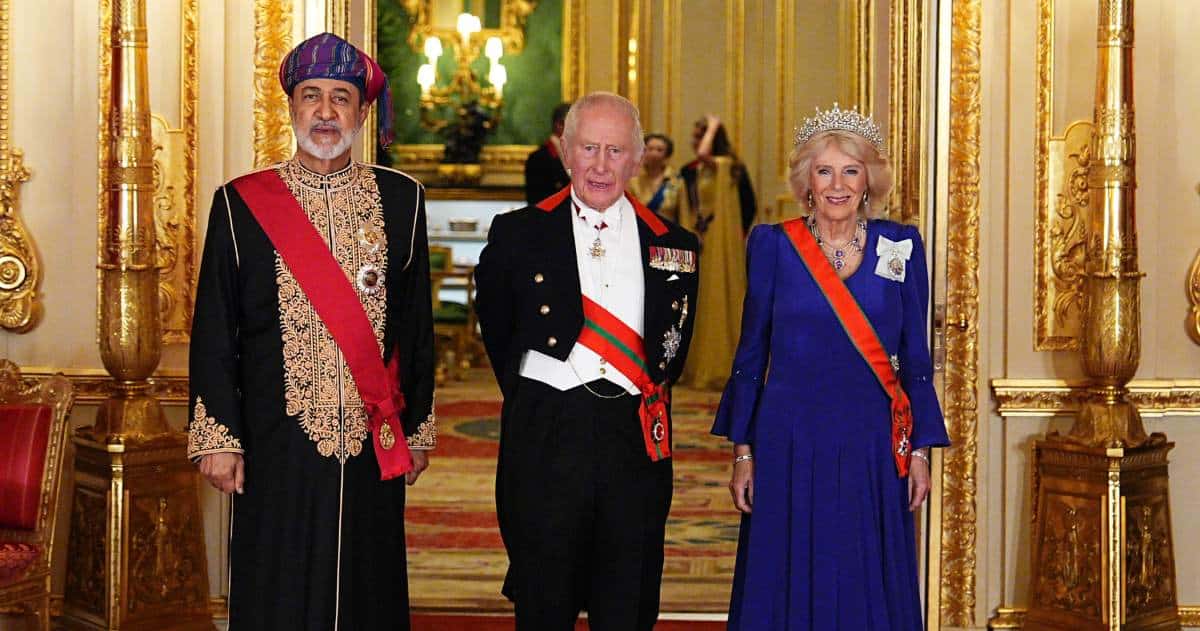
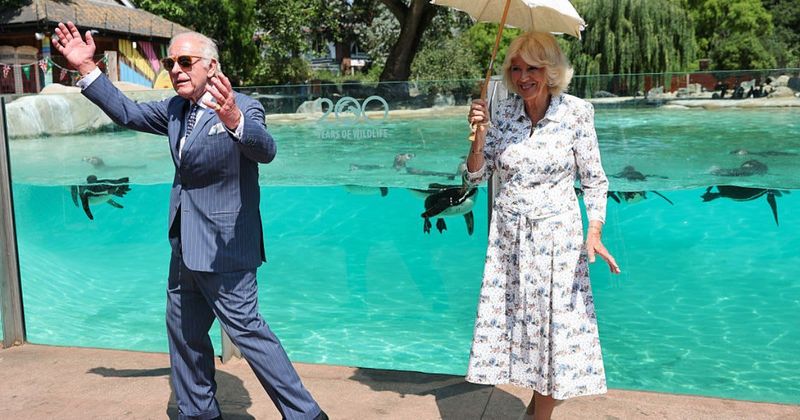
KING Charles and Queen Camilla are preparing for their Caribbean tour from 27 October to 4 November 2026, but questions surrounding Britain's involvement in the transatlantic slave trade have already become a major talking point.
With renewed calls for a formal apology and reparations, some have suggested this could be one of the most challenging overseas visits of the King's reign.
The King will visit The Bahamas and Guyana before joining Queen Camilla in Antigua and Barbuda for the Commonwealth Heads of Government Meeting. While the tour will focus on diplomatic relationships and the future of the Commonwealth, Britain's colonial history is expected to feature prominently.
King Charles III was born in 1948, more than a century after Parliament passed the Slavery Abolition Act in 1833. He had no personal involvement in the transatlantic slave trade, yet as monarch, he represents an institution with historical connections to Britain's colonial past. Acknowledging the wrongs of history is one thing; holding someone personally responsible for events that happened long before they were born is quite another.
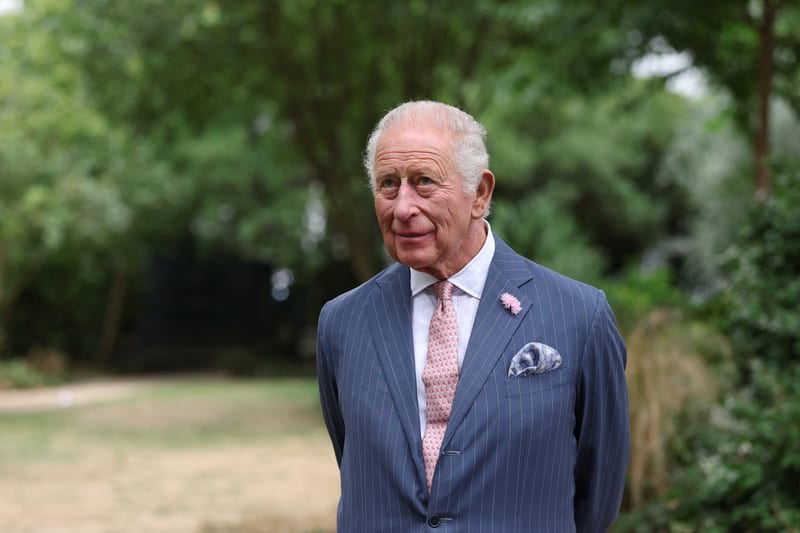
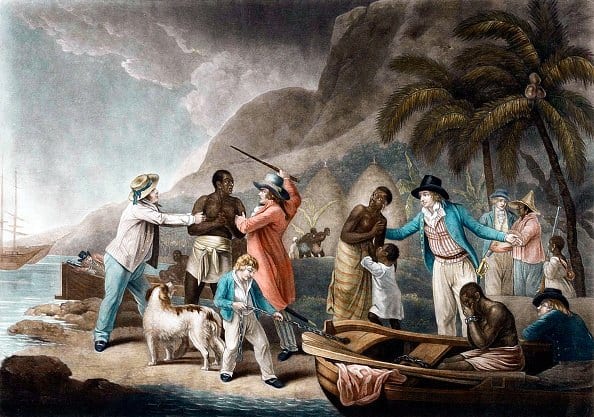
The suffering caused by slavery and its lasting consequences must never be overlooked. Millions of Africans were forcibly transported across the Atlantic, separated from their families and subjected to appalling conditions. Its impact continues to be felt and discussed across Caribbean communities today.
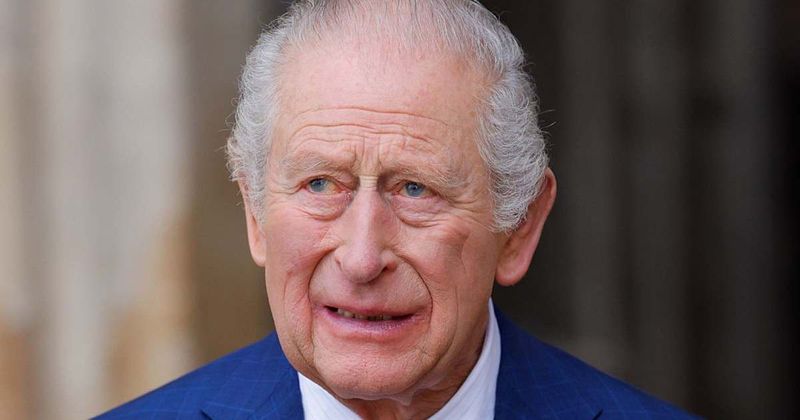
King Charles has already acknowledged this suffering, previously expressing his personal sorrow and recognising the importance of confronting Britain's colonial history. However, campaigners argue that acknowledgment alone is not enough. Some believe a formal apology would recognise the harm caused by institutions that benefited from slavery, while others are calling for reparations. But perhaps, there's another perspective worth considering.
His Majesty, did not participate in the slave trade or make the decisions that allowed it to continue. While he represents the Crown today, he cannot change the actions of previous generations.
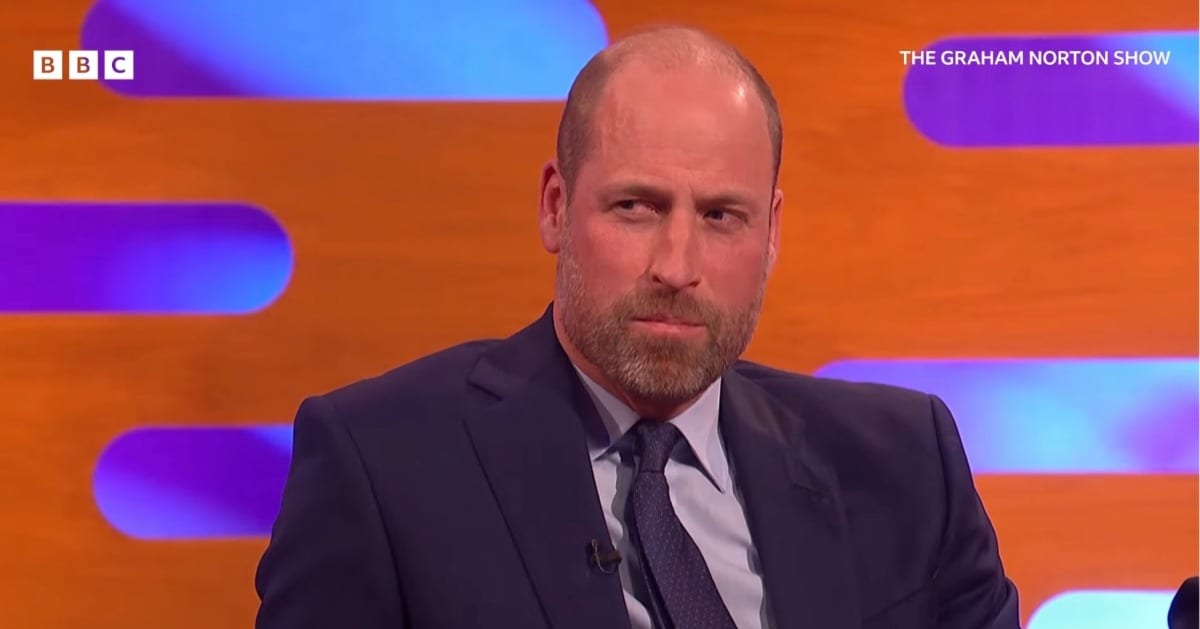
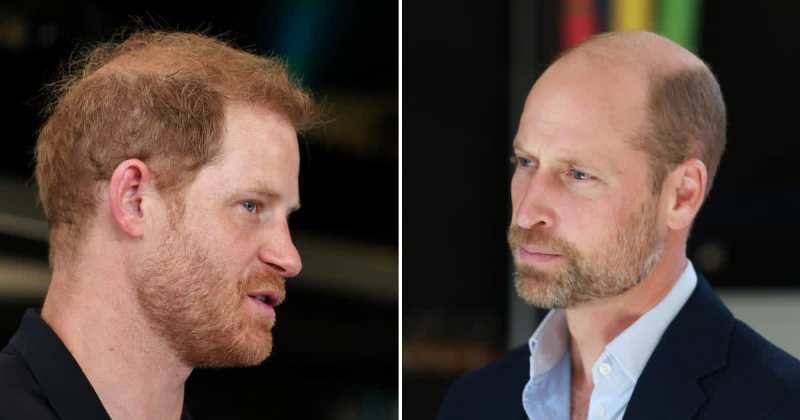
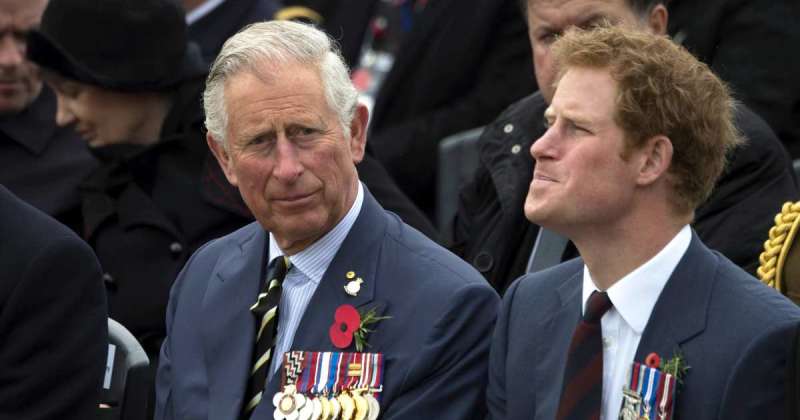
If he were to apologise, would that settle the debate? Or could Prince William and future monarchs eventually face the same demands? This could raise further questions about where historical responsibility begins and ends, rather than whether slavery should be acknowledged.
There's also a constitutional consideration to think about. The King acts on the advice of the British Government in matters of this nature. A formal apology on behalf of the United Kingdom, particularly one connected to reparations, would therefore involve government policy rather than simply a personal decision by King Charles.
Buckingham Palace has indicated that the King will not issue a formal apology during the tour, although Britain's historical involvement in slavery is expected to be acknowledged. That does not mean King Charles has ignored the subject. His previous comments demonstrate that he recognises the gravity of feeling. Another part of this debate that deserves attention is Britain's eventual role in abolishing slavery. Britain was heavily involved in the transatlantic slave trade, with merchants, plantation owners and institutions benefiting financially from the exploitation of enslaved Africans.
However, following years of campaigning by abolitionists, including formerly enslaved people, Parliament abolished the British slave trade in 1807. The Slavery Abolition Act followed in 1833, although emancipation was not immediate for everyone, with compulsory apprenticeship continuing until 1838. Britain subsequently used the Royal Navy to intercept slave ships and worked with other countries to suppress the trade.
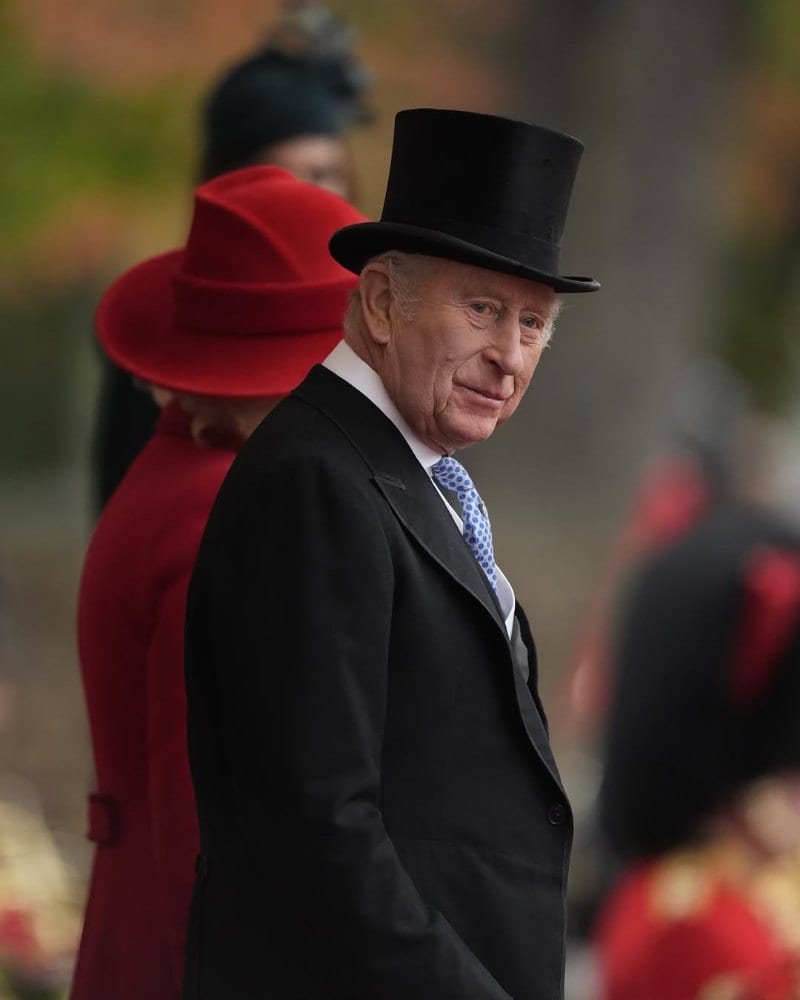
History does not erase Britain's involvement or excuse the suffering caused, but if one examines the country's past, surely there should be recognition for those who fought to bring slavery to an end. Britain played a significant role in the transatlantic slave trade, but it also became an important force in efforts to abolish it. Both are simultaneous parts of the country's broad history.
Of course, Britain was not the only country involved. Slavery existed across ancient civilisations, including Greece, Rome and Egypt, while several European powers participated in the transatlantic trade. In the U.S. Slavery did not come to an end until December 6, 1865, after the American Civil War when the 13th Amendment to the Constitution was ratified. That does not diminish Britain's responsibility, but it demonstrates how deeply slavery was embedded in different societies.
Practices being accepted at the time does not mean they were right. Even when slavery was legal, people challenged it, including enslaved individuals who resisted their oppression and campaigned for freedom. Their contributions deserve recognition alongside those of the politicians and abolitionists who helped change the law.
And that brings us back to King Charles, who should not really be personally held responsible for the actions of his ancestors. However, it is understandable why Caribbean communities believe the monarchy, as a continuing institution, should formally acknowledge its historical connections.
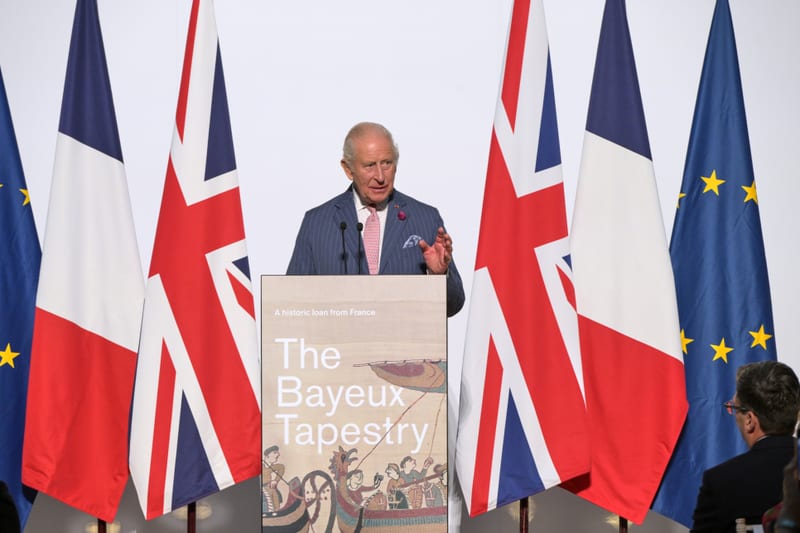
A fundamental difference exists of asking King Charles to apologise personally for something he did not do and requesting the institution he represents to recognise its past - for which they have done so on a number of occasions. Particularly when discussions about reparations involve governments, historical institutions and the communities affected, the distinction remains front of mind.
The Caribbean tour should provide an opportunity to highlight Britain's relationships and shared values with these countries as they stand today. Caribbean communities have made enormous contributions to British society, especially through the Windrush generation and their descendants. Those connections remain an important part of Britain's identity and its relationship with the Commonwealth.
The region also has its own achievements, cultures and priorities for the future, which deserve attention beyond discussions about colonial history. Climate change, economic development, trade and education are among the issues likely to feature during the visit. While the debate surrounding slavery and reparations is important, these subjects deserve the space to not be completely overshadowed.
Ultimately, this is not about forgetting the suffering of those who were enslaved or dismissing the consequences that followed. It is about recognising that historical accountability and personal responsibility are not necessarily the same thing.
King Charles cannot change the actions of generations before him, but he can continue acknowledging Britain's history, listen to Commonwealth nations and strengthen relationships for the future. Whether that is enough for those seeking a formal apology remains an open question. And perhaps that is what this debate should ultimately explore: not simply whether the King should apologise, but what meaningful acknowledgment and progress should look like for future generations.