King Charles' Guyana Visit Explained: Why Is He Going and Why Does It Matter?
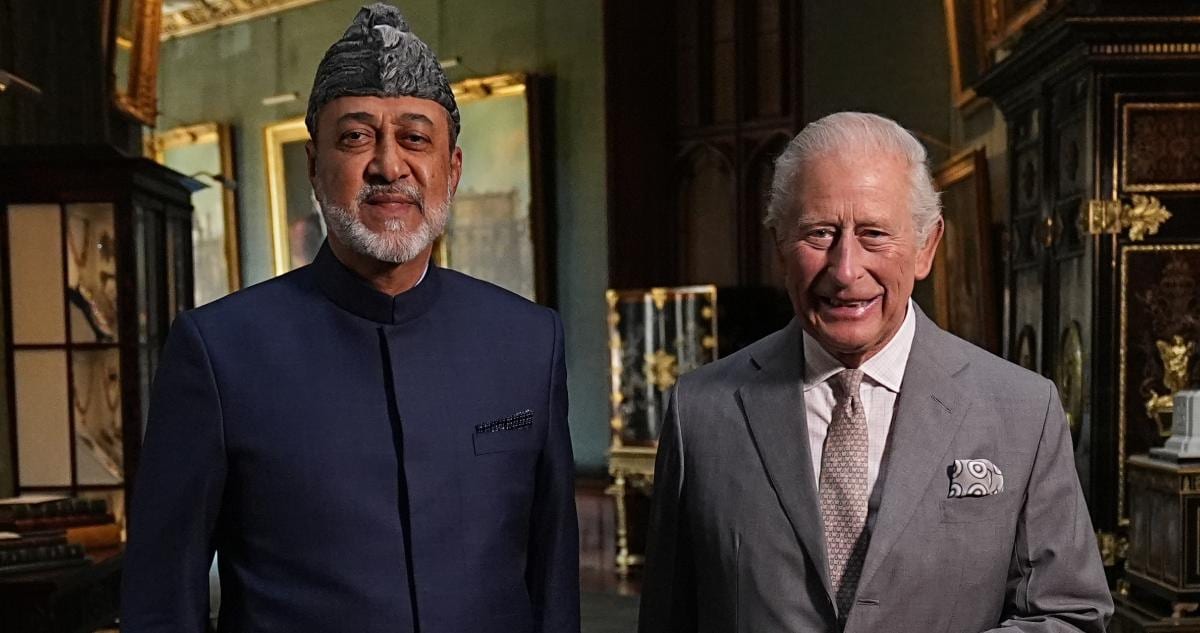
EXCLUSIVE ANALYSIS: King Charles arrived in Guyana today, but many people are wondering what the significance of his visit is, and why is he is even visiting this country.
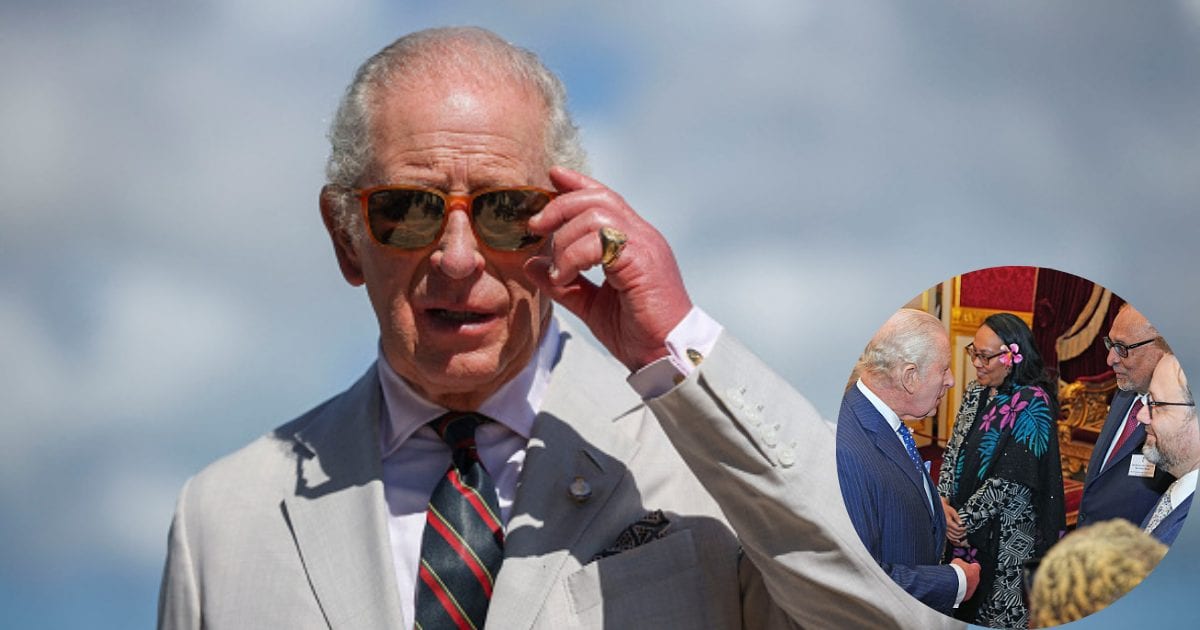


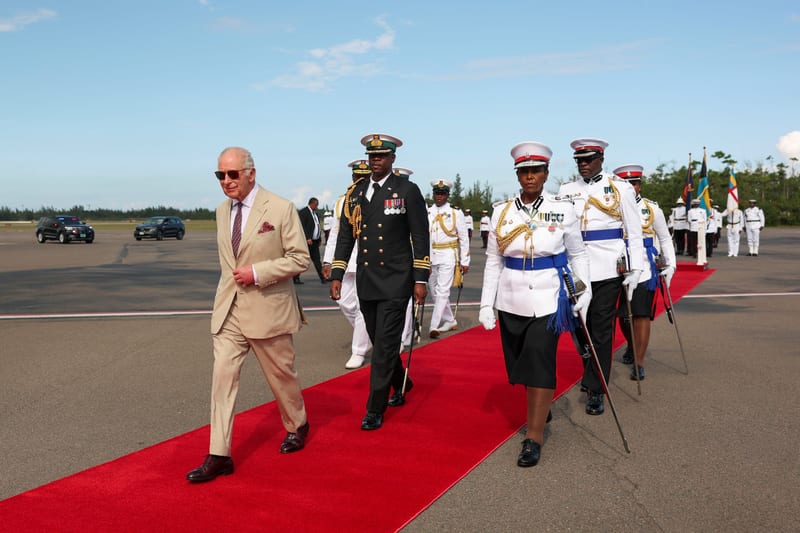
HIS Majesty the King has just completed two days of engagements in the Bahamas, and despite reports of potential controversy for the Caribbean tour, so far it has been highly successful.
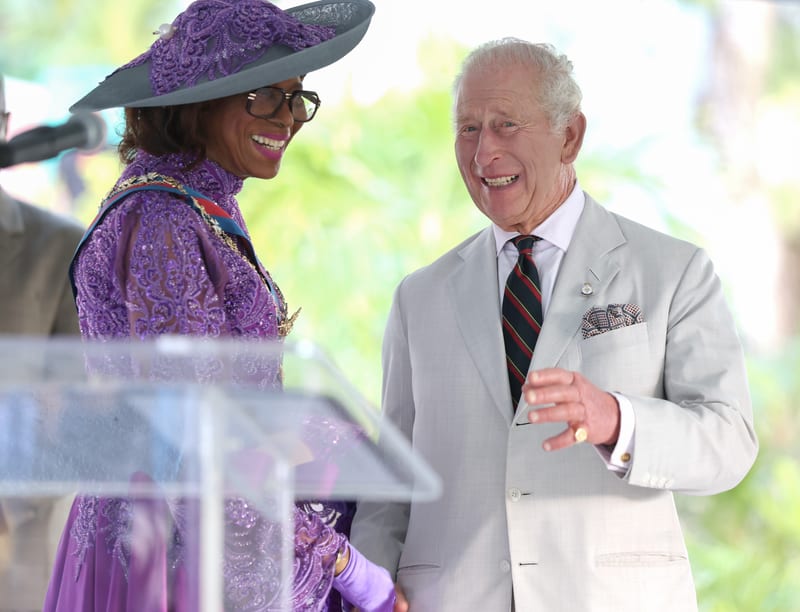
We have seen the King heartily dancing at the Junkanoo, the national cultural festival and street parade in the Bahamas, and his face was emblazoned on a Boxing T-shirt. With the first leg completed, the King's visit to Guyana is particularly significant as the country is a proud member of the Commonwealth, but unlike the Bahamas, King Charles is not the country's Head of State.
So why is the King visiting a country that has its own President, and what is the significance of his visit?
Guyana, located on the northern coast of South America, gained independence from Britain on 26 May 1966 and became a republic in 1970, replacing Queen Elizabeth II as Head of State. However, the country chose to remain a member of the Commonwealth, an association of 56 independent nations that work together on shared interests, including development, education, democracy and environmental protection.
King Charles serves as Head of the Commonwealth, a separate role from his position as King of the United Kingdom and other Commonwealth realms. Guyana's Head of State is President Dr Mohamed Irfaan Ali. The King's visit is taking place at the invitation of President Ali and at the request of the British Government, marking 60 years of diplomatic relations between Guyana and the United Kingdom.
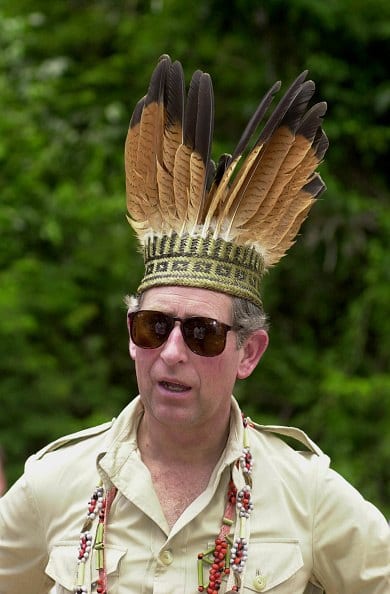
This also isn't the first time the King has visited Guyana. He visited back in 2000 as Prince of Wales too. The visit will provide an opportunity for the King to recognise the relationship between the two nations, which has developed considerably since Guyana gained independence.
One of the main focuses of the King's programme is environmental protection, particularly Guyana's work to preserve its rainforests and biodiversity. Guyana is home to extensive tropical forests, which play an important role in absorbing carbon dioxide, supporting wildlife and helping to address climate change.
The King has maintained an interest in Guyana's environmental work for more than two decades especially as he has spent decades campaigning for people to respect our environment, talking about it before it was widely spoken about. During his visit in 2000, then-Prince Charles travelled into the Iwokrama rainforest, and he has continued supporting the Iwokrama International Centre, an organisation involved in rainforest conservation and sustainable forest management.
Later on, in 2008, the then Prince of Wales also supported proposals by Guyana's former President Bharrat Jagdeo to recognise the economic value of protecting standing forests.
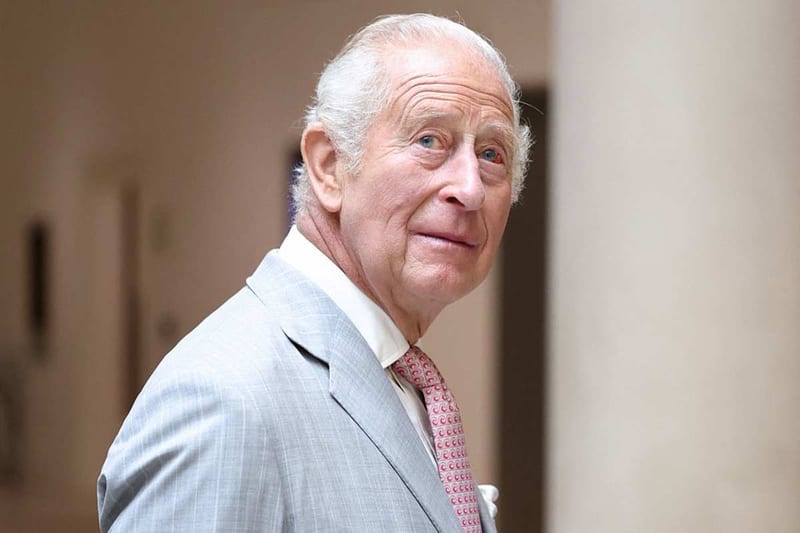
This connection is expected to feature prominently during the State Visit, with the King meeting scientists, environmentalists and representatives involved in conservation projects.
His Majesty will also meet Indigenous leaders from the National Toshaos Council, which represents Indigenous communities across Guyana. The engagement will provide an opportunity to hear about their work and the role Indigenous communities play in protecting the country's natural environment. The King's visit coincides with the Global Biodiversity Alliance Conference, which brings together representatives working on environmental protection and sustainable development.
These discussions reflect some of the causes King Charles has supported for many years, particularly his interest in conservation and finding ways for communities to benefit from protecting the natural world.
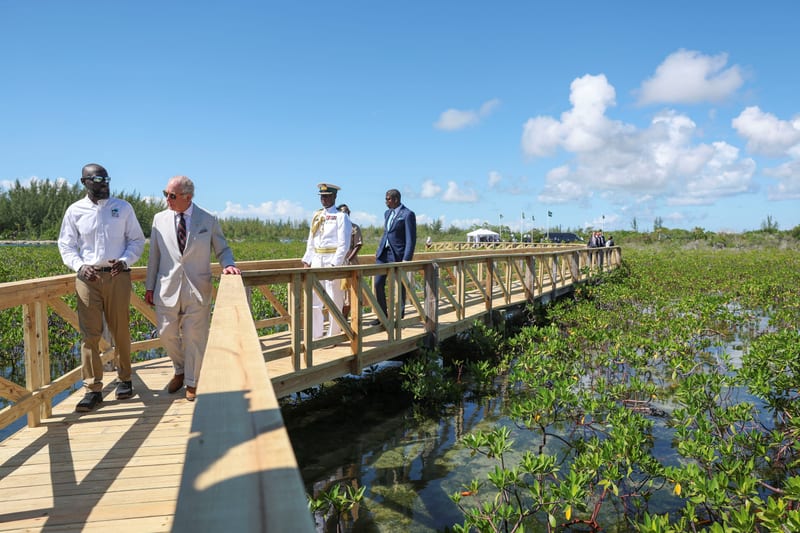
However, the visit is not solely focused on the environment and climate change. Trade and investment between Britain and Guyana have also become increasingly important, with annual trade between the two countries now reaching approximately £2.2 billion.
During his programme, King Charles is scheduled to attend a business reception, where he will meet representatives from British companies and Guyanese organisations involved in economic development.
The visit may also provide an opportunity to highlight Guyana's growing international profile and the partnerships being developed between the two countries.
Another important engagement will see the King pay tribute to those who served during wartime. As Patron of the Commonwealth War Graves Commission, His Majesty will attend a remembrance engagement at the Georgetown Memorial, recognising the sacrifices made by Guyanese, British and other Commonwealth service personnel. This is a particularly Poignant visit especially in the King's role as Head of the British Armed Forces and having served himself.
The King's programme will also include engagements with young people and community representatives, alongside a visit to Georgetown's Seawall. There, he is expected to learn about initiatives focused on sustainable cities, coastal protection and mangrove restoration. Members of the public will also have an opportunity to meet the King during his visit to the Kingston Seawall on Friday.
Although Guyana no longer has the British monarch as Head of State, the visit demonstrates how diplomatic relationships can continue between Commonwealth nations with different constitutional arrangements.
It also comes ahead of the Commonwealth Heads of Government Meeting in Antigua and Barbuda, where leaders from across the organisation will gather to discuss shared challenges and priorities. For King Charles, the visit brings together several areas of his public work, including environmental conservation, international relationships and support for Commonwealth communities. For Guyana, it provides an opportunity to highlight its own achievements, cultural heritage and ambitions for the future, particularly its growing role in environmental protection.