Princess of Wales' Hospice Visit Shows Why Royal Engagements Are About More Than Publicity
EXCLUSIVE ANALYSIS: Catherine's return to a children's hospice, 14 years after she opened it, highlights the importance of long-term royal patronage and the connections they want to foster with those charities over time.
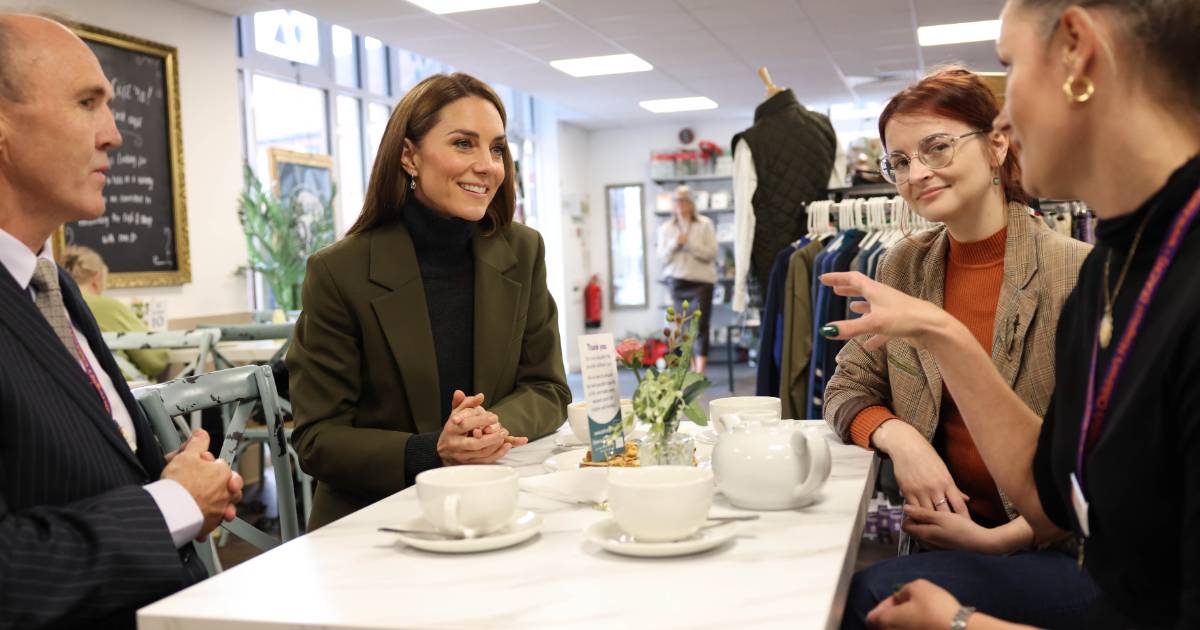


THE Princess of Wales spent part of her week in Ipswich, where she met children and families supported by the East Anglia Children's Hospice (EACH), which provides specialist care for young people with life-threatening conditions.
But there was something different about this engagement as her visit also raised a wider question about how we measure the success of a royal engagement. Is it really about how many people turn up to see a member of the Royal Family, or should we focus more on the people and organisations they are there to support?
The Princess of Wales, visited the Treehouse Hospice, the very same venue she delivered her first public speech as a member of the Royal Family in 2012 after being named as the Duchess of Cambridge. Fourteen years later, she returned to the organisation, demonstrating how patronages can develop into long-standing relationships.
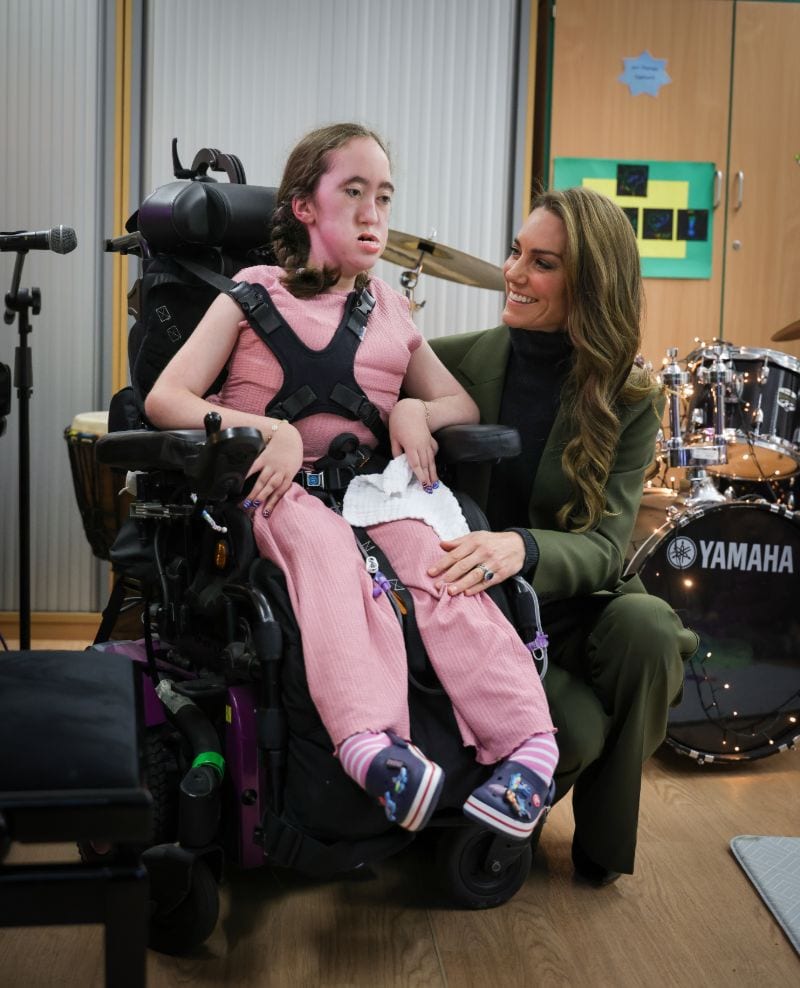
During her visit, she toured the new building, which reports suggest will include a hydrotherapy pool for patients to use and a therapy room. She also spent time learning more about the support provided to children, young people and their families, as well as meeting those involved in delivering the hospice's services.
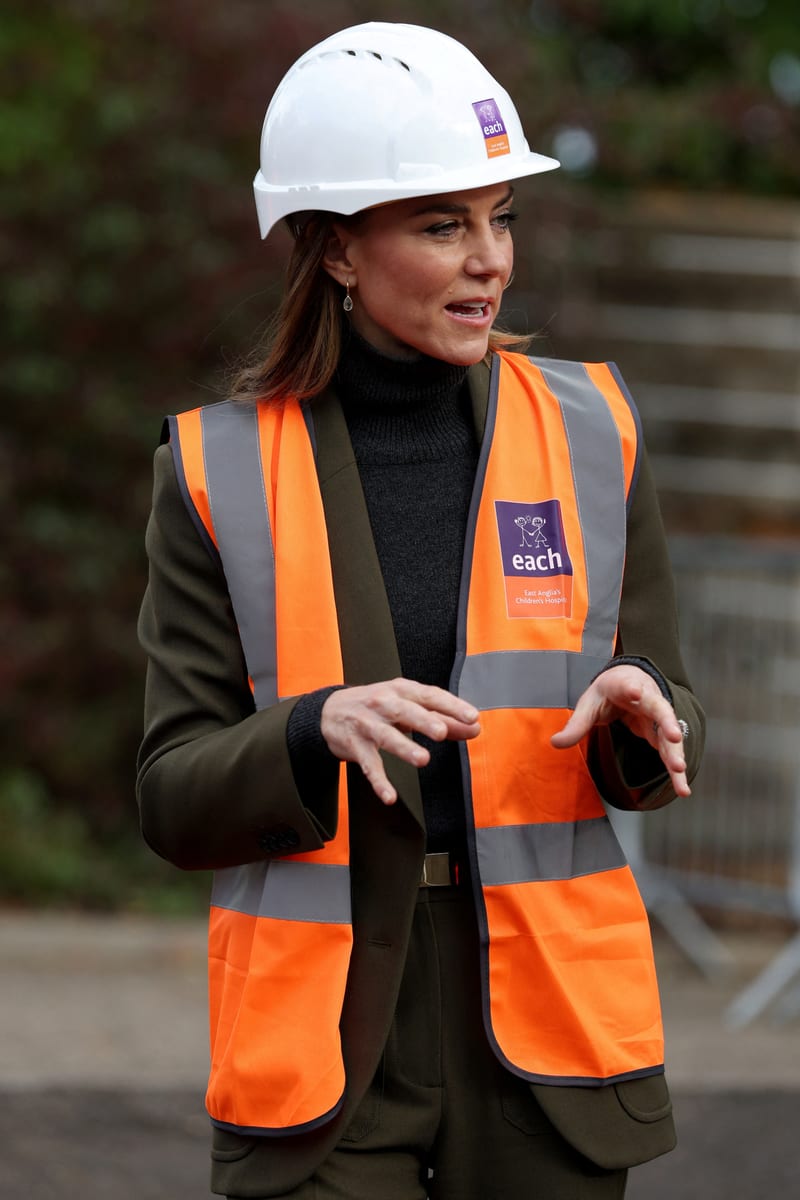
EACH provides specialist care and support for children and young people with life-threatening conditions, alongside practical and emotional assistance for their families. Its work also extends to bereavement support, helping families through some of the most difficult experiences imaginable. These are services that deserve recognition in their own right, regardless of whether a member of the Royal Family happens to be visiting.
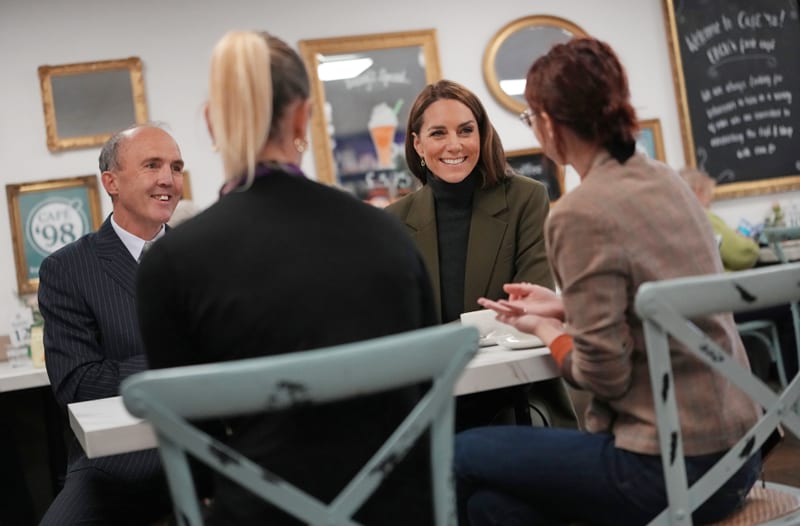
Later, Catherine, The Princess of Wales, visited Café 98, EACH's first and only café, where she met staff, customers and representatives of community groups who use the space. During this visit she mentioned that she has missed her eldest son, Prince George, 13, while he has been a full time boarder at the prestigious Eton College. The Princess of Wales has a close relationship with all three of her children and revealed to cafe staff "My children break up tomorrow, and I can't wait to have them home".
Prince George, Princess Charlotte,11, and Prince Louis, eight, all start their half term holidays on the 23rd October, with George beginning what Eton College called 'Long Leave'. The royal children will likely join their parents on a holiday away after a busy term, with Denise Ashton revealing the Princess had said "they may be going somewhere" for their holidays. This sweet reveal is just one of the rare moments royal fans get a little glimpse into the strong bond the family has with each other.
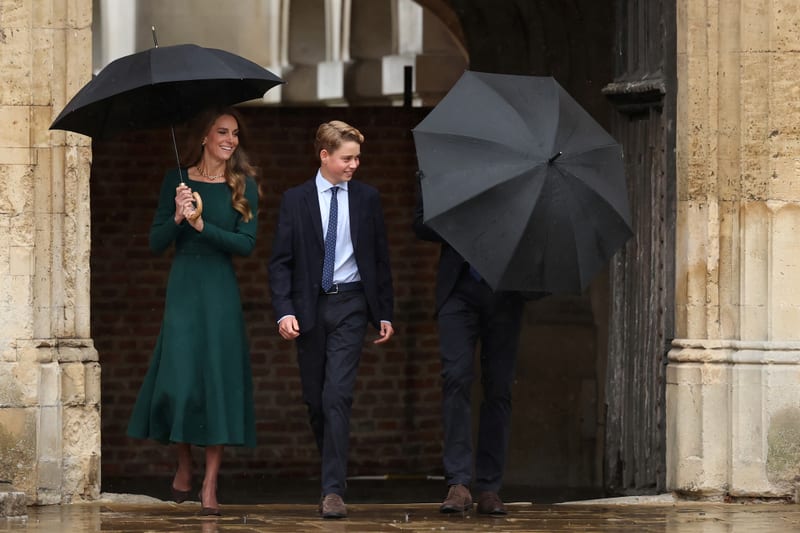
When Catherine visits a children's hospice, she is not there simply to have her photograph taken. She is there to meet the people receiving support, recognise the professionals and volunteers providing it, and bring wider attention to an organisation that depends on public awareness and fundraising.
But there's also something that has become increasingly noticeable in discussions surrounding royal engagements: the tendency to turn almost everything into a competition about popularity, which arguably takes away from the work they conduct. Whether it is the King and Queen, the Prince and Princess of Wales, Princess Anne or even the Duke and Duchess of Sussex undertaking their own charitable work, there always seem to be people comparing how many supporters are standing outside, how much media attention an appearance receives or how many photographs circulate afterwards.
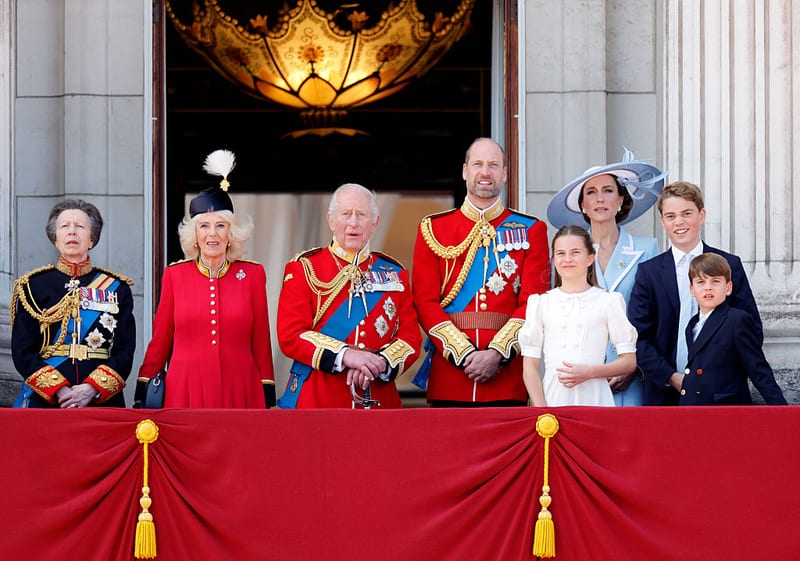
But maybe some keen royal watchers might be missing the point? A royal engagement should not be judged solely by the number of people waiting behind barriers.
Some visits are announced publicly in advance, allowing keen royal followers and other able members of the local community to gather, while other royal visits are deliberately kept private or receive very little advance publicity, meaning those occasions may naturally receive next-to-no audience outside.
However even if an event is announced ahead of time, the attendance may be low with regards to fans based on the topic of the engagement too.
A children's hospice is perhaps one of the clearest examples of this. These are places where the young with complex medical needs and their families receive specialist support. Their privacy, dignity and wellbeing takes the priority over the interests of photographers, royal followers or anyone hoping to catch a glimpse of the Princess.
Not every engagement is suitable for public access, and not every organisation has the space or resources to accommodate additional visitors. There's a time to capture the excitement of a royal arrival and a time to respect the nature of the work taking place behind closed doors whilst simultaneously respecting the vulnerable families who will be using the facility. A lack of crowds outside a building does not mean there is a lack of interest in the Royal Family, just as a large crowd does not automatically tell us how successful an engagement has been.
What matters is whether the attention generated during a visit helps people understand the organisation's work. Catherine's relationship with EACH is the perfect example of how successful royal patronages should be viewed over a longer period, something that is not to be overlooked.
Royal patronage does not replace the expertise of healthcare professionals, the dedication of volunteers or the generosity of those who donate to charities. Nor should we assume that a royal visit automatically produces a measurable increase in fundraising. However, a visit from a senior member of the Royal Family can provide an opportunity for an organisation to reach audiences who may otherwise know very little about its work.
Someone watching coverage of Catherine at The Treehouse might learn about children's hospice services for the first time. Others might discover EACH's charity shops or the community work taking place at Café 98.
And if even a small proportion of that attention encourages people to learn more, volunteer or support the charity, that is a far more meaningful outcome than simply counting the number of people standing outside. There is also something important about recognising the staff and families themselves.
For those working in children's hospices, the job involves specialist medical care, emotional support and helping families create memories together. It is work that can be incredibly rewarding but also emotionally demanding. For families, having their experiences recognised by someone with Catherine's public profile may be meaningful, although their individual feelings should never be assumed.
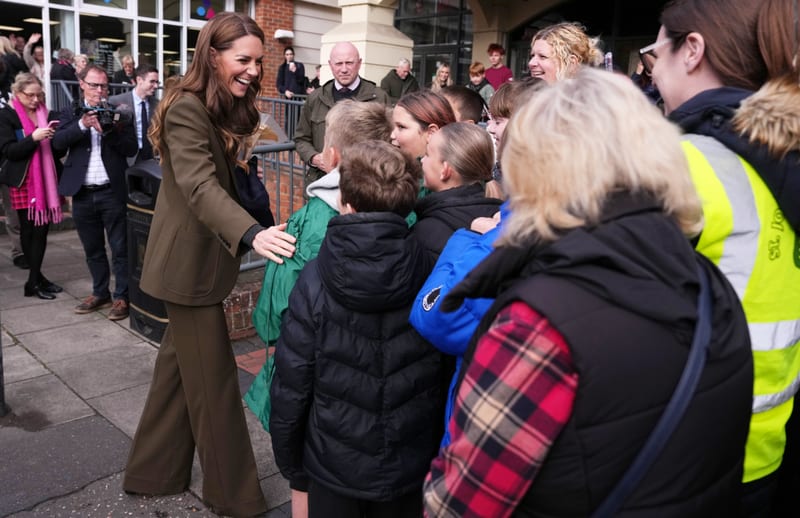
The focus should remain on giving those involved the opportunity to share their experiences and helping the public better understand the support available. Of course, photographs and media coverage still have an important role to play. They allow people who cannot attend an engagement to see what happened and can help charities communicate their messages to a much wider audience.
But photographs should help tell the story, not become the entire story. I think that distinction is particularly important when reporting on members of the Royal Family whose engagements are not always announced beforehand. We cannot compare a publicly advertised appearance, where hundreds of people have had the opportunity to plan their visit, with a private charitable engagement where the location and timing have been kept discreet.
They are completely different circumstances, and treating them as a competition does little to help the organisations involved. Thursday's visit was ultimately about EACH, the children and families it supports, and the people who dedicate their time to providing care. Catherine's presence brought renewed attention to that work, while her longstanding association with the charity demonstrated the continuity that royal patronages can provide.
Royal engagements are not simply about waving to crowds, posing for photographs or generating headlines. They are also about showing up for organisations, listening to the people they support and helping bring attention to work that might otherwise go unnoticed.