Prince William's Graham Norton Appearance Shows a New Side of Royal Communication
EXCLUSIVE ANALYSIS: Prince William's television appearance highlights how the monarchy can reach younger audiences.
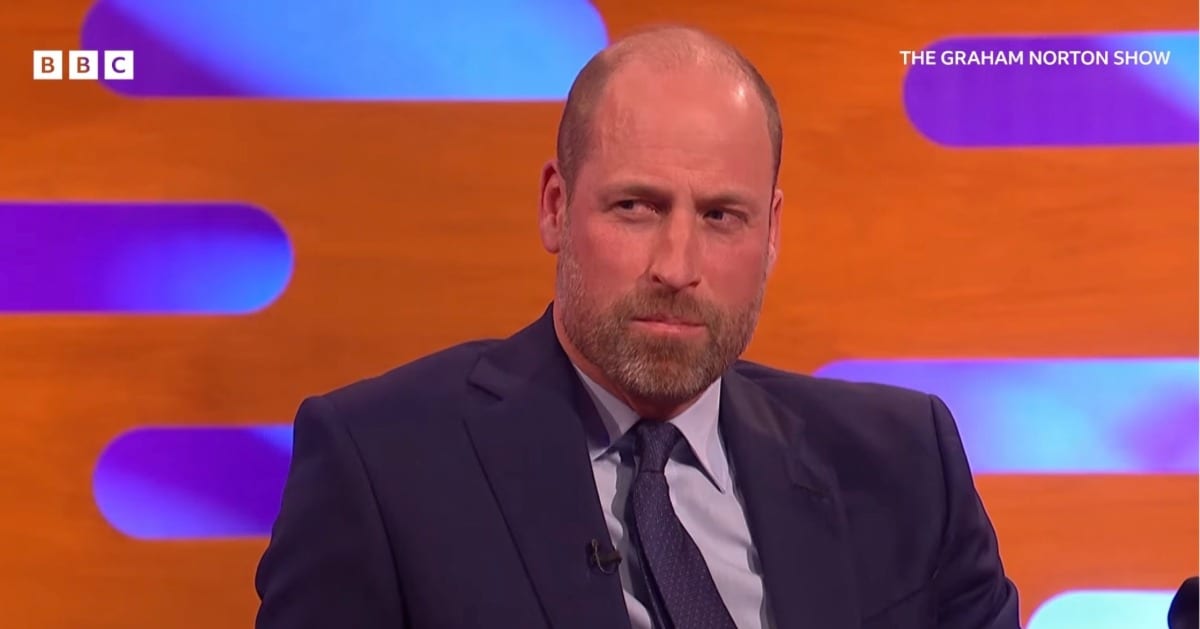


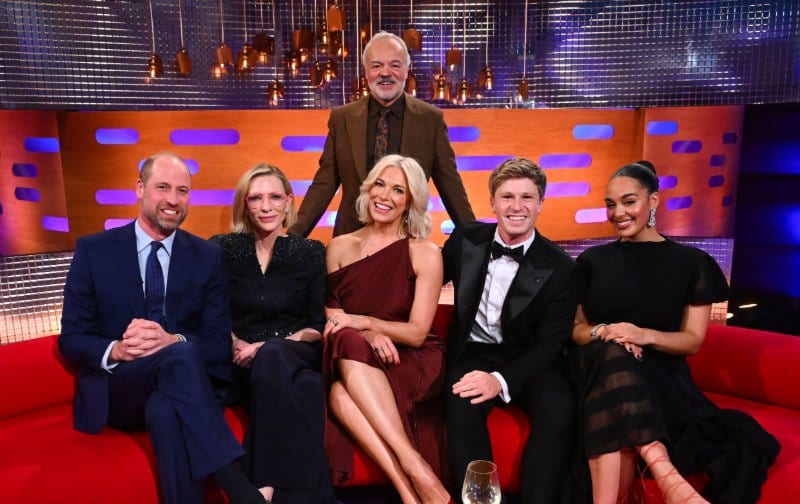
PRINCE William appeared on the Graham Norton Show on Friday 23rd October, making him one of the first royals to be on the show. While it was announced ahead of time, those at the filming of the show on Thursday were very surprised.
When it comes to Prince William, we are far more accustomed to seeing him attending state visits, meeting world leaders or supporting charitable organisations than sitting on a red sofa alongside Hollywood stars. However, I think his appearance on The Graham Norton Show demonstrated something significant about the modern monarchy, particularly when it comes to reaching younger generations who might not ordinarily follow royal news.
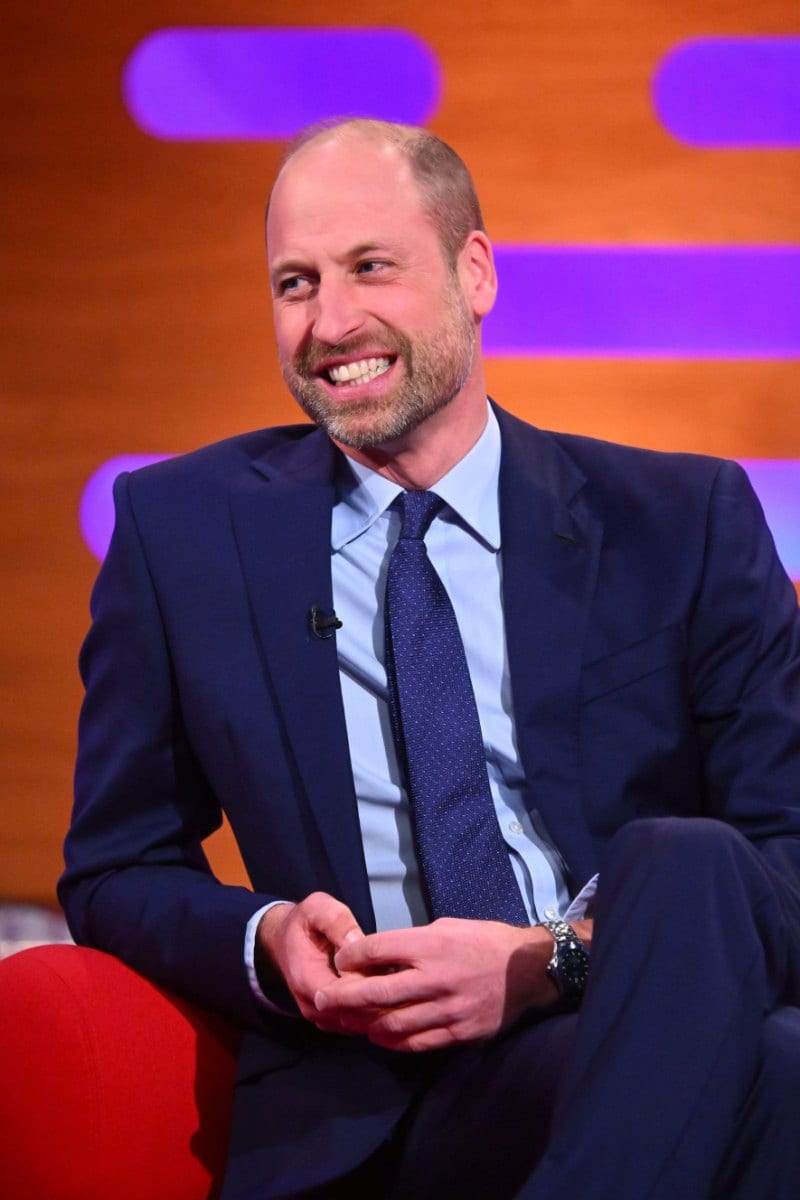
The Prince of Wales, 44, joined Graham Norton alongside Cate Blanchett, Hannah Waddingham and conservationist Robert Irwin to promote The Earthshot Prize, his environmental initiative supporting solutions to some of the world's biggest environmental challenges. The appearance came ahead of the sixth Earthshot Prize ceremony in Mumbai on 17 November, where five winners will each receive £1 million to help develop their projects.
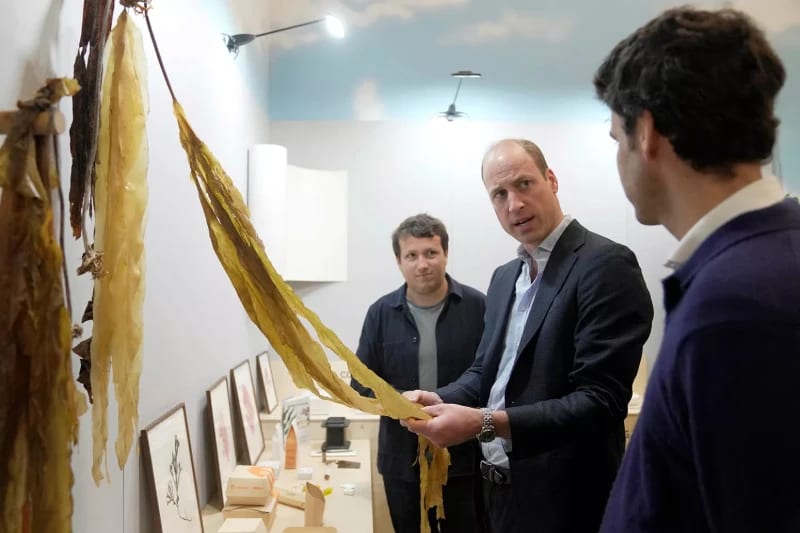
What made this interview particularly interesting was not simply William appearing on an entertainment programme. It was the audience he could reach, the relaxed conversation and the small insights he offered into his family's everyday life, something he rarely discusses publicly. Importantly, the interview was not simply about promoting William himself, but highlighting what Earthshot has achieved. One example is London-based Notpla, a company developing alternatives to single-use plastics using seaweed and other natural materials. The business won an Earthshot Prize in 2022 and has continued developing environmentally friendly packaging.
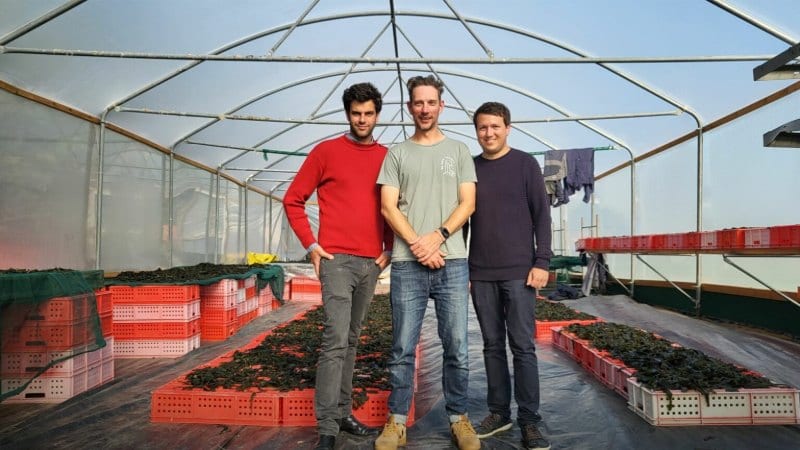
According to The Earthshot Prize's website, 36,000 Notpla-made Ooho capsules filled with Lucozade were handed to runners at the 2019 London Marathon. By 2022, the company had produced more than one million takeaway food boxes for Just Eat, with the potential to replace millions of plastic-coated containers.
During The Graham Norton Show, William also revealed that Notpla was looking at developing water bottles. To me, this demonstrates that Earthshot is not simply about handing out awards or making speeches. It is supporting businesses developing products that could make a genuine difference to our everyday lives. While the long-term impact of these projects will take time to measure, Notpla is one example of an Earthshot winner already putting its ideas into practice.
And that brings me to another important part of William's appearance: the audience. The Graham Norton Show is one of Britain's most recognisable entertainment programmes. According to the BBC, a recent series averaged approximately 2.9 million viewers per episode, but its reach extends well beyond traditional television.
In October 2026, the Royal Television Society reported that the programme had nearly six million YouTube subscribers and approximately 12 million Facebook followers. Little Dot Studios, which manages the show's social media content, has also explained that its TikTok strategy targets audiences aged 18 to 24, with the aim of having at least half its audience on the platform under 35.
Its published case study reported 2.9 million TikTok followers and more than 139 million likes over three years. Of course, these are figures for the programme overall, not William's individual interview. However, they demonstrate the potential reach of the platform he chose, particularly among younger audiences.
According to YouGov research published earlier this year, 70 per cent of British 18 to 24-year-olds use Instagram at least once a week, while 50 per cent use TikTok. The same research found that 77 per cent of over-55s watch the BBC at least weekly, compared with 41 per cent of those aged 18 to 34. These figures highlight how differently generations consume media. Not everyone follows royal engagements through newspapers, television news or official royal accounts.
Someone scrolling through TikTok might come across a clip of Prince William discussing his children and subsequently discover more about Earthshot, even if they would never ordinarily search for royal news.
During the interview, William offered a small glimpse into his family's everyday life, revealing that Princess Charlotte, 11, and Prince Louis, eight, are particularly enthusiastic about the BBC's The Celebrity Traitors. He said: "I love it, the family love it. Charlotte and Louis are obsessed with it. It's really good telly."
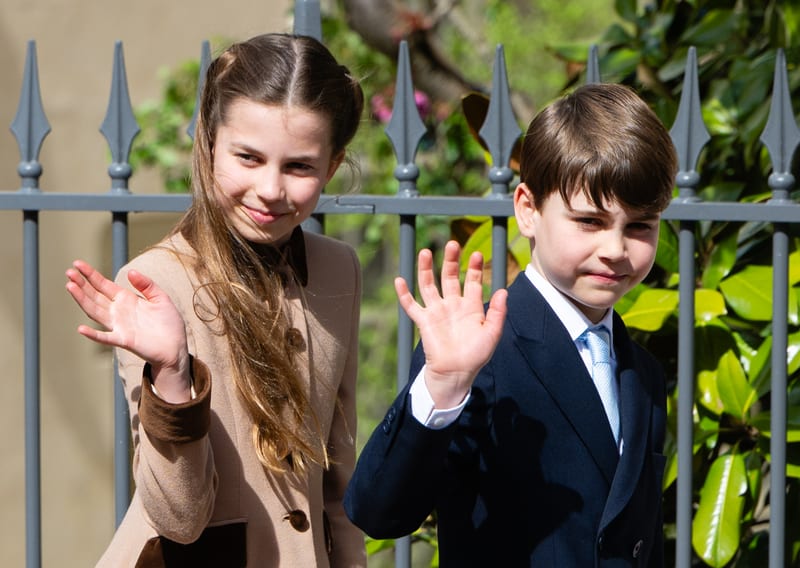
Prince William also recalled meeting Ross Kemp shortly after the programme's first episode and jokingly trying to see how nervous the actor was. These were fairly ordinary conversations, but I think that was part of their appeal. We are used to seeing William and Catherine's children attending major royal occasions, including Trooping the Colour and Christmas services. However, their parents generally keep details of their private lives to themselves.
Hearing that Charlotte and Louis enjoy a popular television programme offered a small insight into family life without revealing anything particularly intrusive. Prince William also discussed his love of films, particularly those directed by Christopher Nolan, and revealed that he once considered becoming a police officer or a DJ.
These were not major revelations, but they allowed viewers to see a more relaxed side of someone usually photographed carrying out official duties. What I found refreshing was that the interview did not rely on controversial subjects or deeply personal revelations to attract attention. Instead, William discussed his environmental work while enjoying the light-hearted conversation viewers expect from Graham Norton.
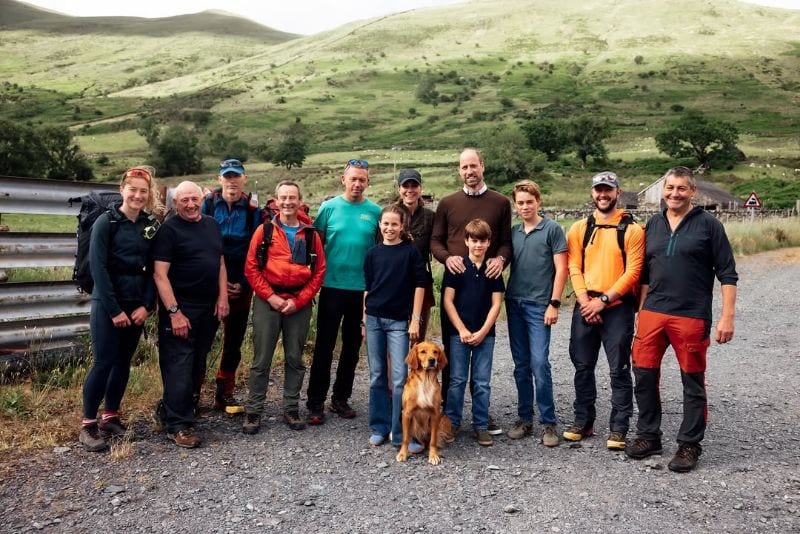
During the programme, he explained how the negativity surrounding environmental issues had previously left him feeling discouraged. He wanted Earthshot to offer a more hopeful approach by highlighting people already developing practical solutions.
Rather than focusing entirely on what is going wrong with the environment, Earthshot aims to demonstrate what people are doing to improve it. I think that message is particularly important for younger audiences who have grown up hearing about climate change and the challenges facing the planet.
We all hear about the problems, but it is equally important to hear about the people trying to solve them. And that is why I think William's appearance was significant. He was able to discuss serious environmental issues in a relaxed setting, while introducing Earthshot to viewers who might not ordinarily follow his royal engagements.
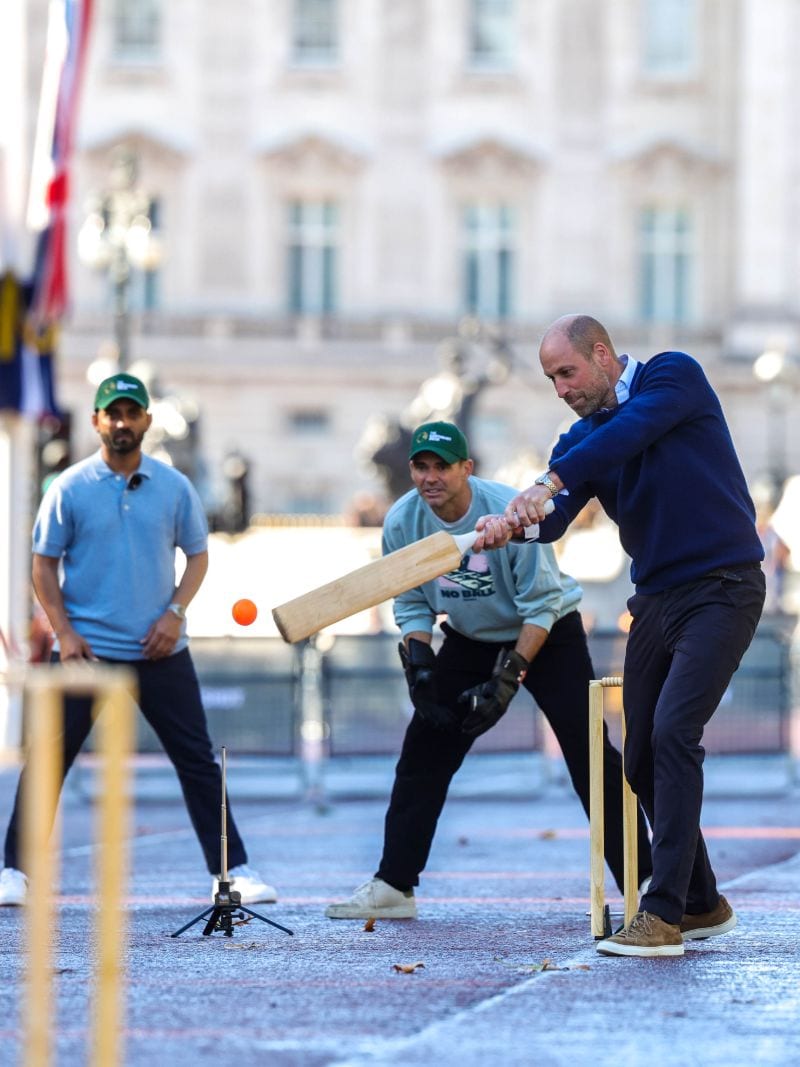
For me, it was not simply about seeing the future King on a popular television programme. It was about demonstrating how the monarchy can maintain its traditional responsibilities while finding new ways to communicate with different generations.
Prince William does not have to choose between attending state visits, supporting charities and appearing on programmes like Graham Norton. Each provides a different opportunity to highlight important work, and sometimes a conversation on a red sofa can introduce an entirely new audience to a cause worth supporting.