Inside Prince William and Princess Catherine's Little-Known Mental Health Mission in Norfolk
EXCLUSIVE ANALYSIS: Prince William's guest-edited edition of Country Life offers a rare glimpse into his work behind the scenes with Catherine as he reveals the heartwarming ways they respond to local needs in Norfolk.
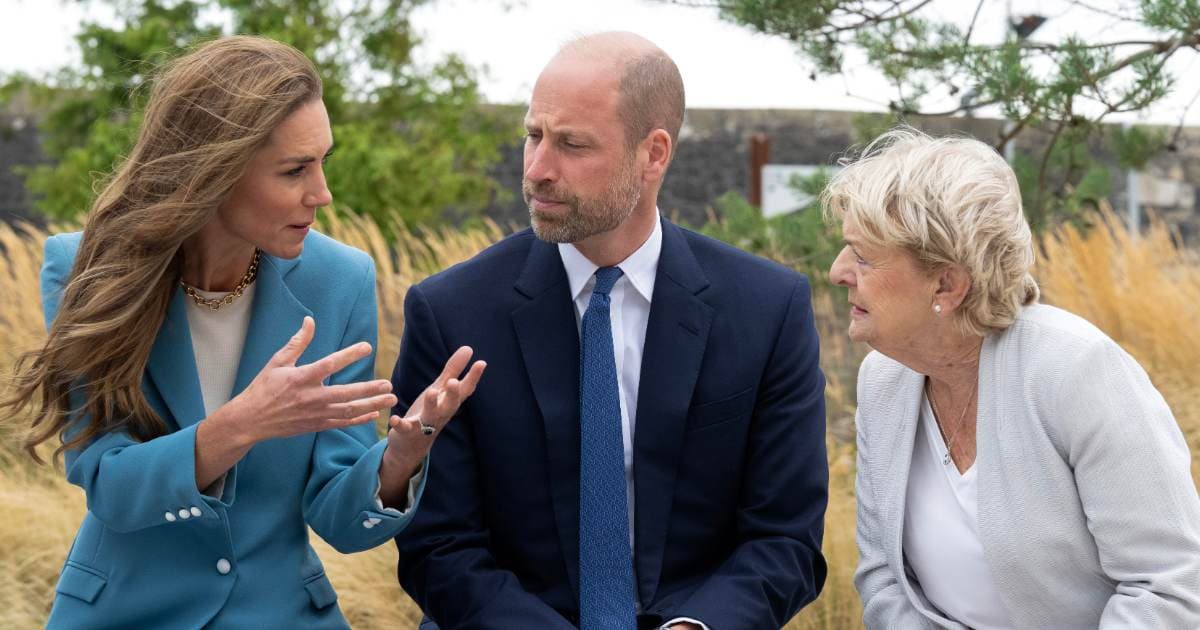


PRINCE William and Princess Catherine are helping to shape a new era for the monarchy, and one way they appear to be doing this is by responding directly to the needs of those around them.
The way the Prince and Princess of Wales are approaching mental health is both subtle and meaningful, as their latest initiative demonstrates. Indeed, their focus shows that royal influence does not always have to involve major public announcements, large-scale campaigns or considerable media attention.
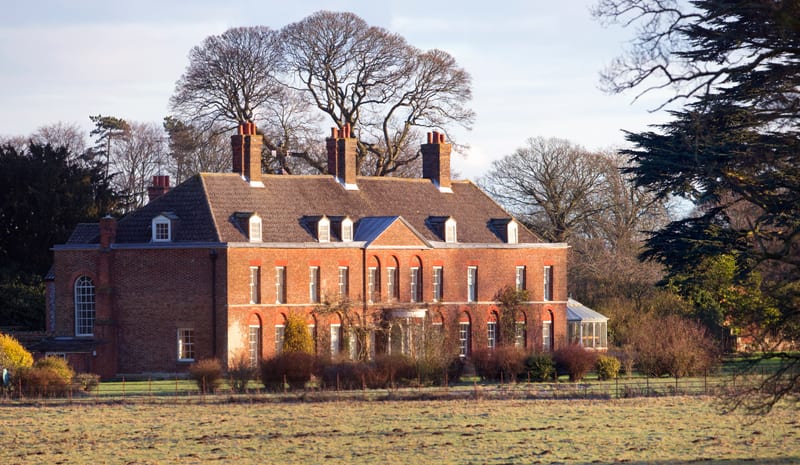
In communities near the Sandringham Estate, where the royal couple have their Norfolk country residence, Anmer Hall, some residents have reportedly faced waiting times of up to 18 months to access mental health support.
Recognising the difficulties faced by people living in rural communities, the royal pair have helped establish a pilot scheme in partnership with the charity Norfolk and Waveney Mind, designed to make mental health services more accessible to residents.
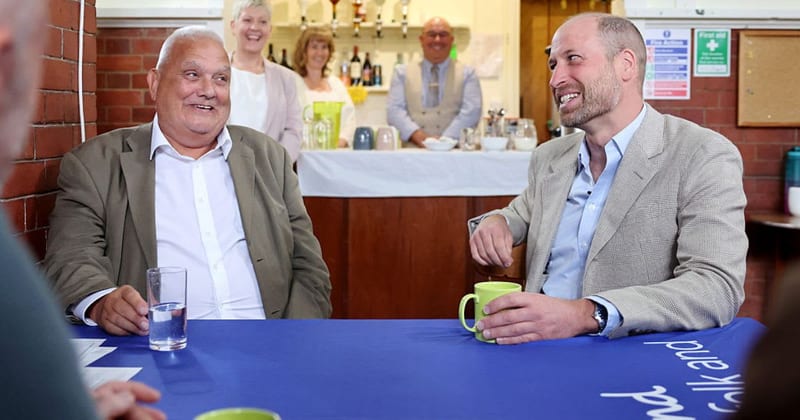
Speaking about the importance of this work in his guest-edited edition of Country Life magazine, the Prince of Wales reflected on his conversations with people who have experienced these challenges firsthand.
"I have sat with people there [at Waveney Mind] who have told me, quietly, what it means to simply have somewhere to say difficult things out loud," William explained.
His comments offer an interesting insight into how the Prince approaches his charitable work. Rather than simply providing financial support, William appears determined to understand the difficulties people face, listen to their experiences and identify practical ways in which he and Catherine can help their local community.
This is particularly significant because the initiative was supported privately by the royal couple, without the usual publicity that often accompanies major royal projects.
Until the scheme was highlighted in Country Life, many members of the public were unaware of the couple's involvement.
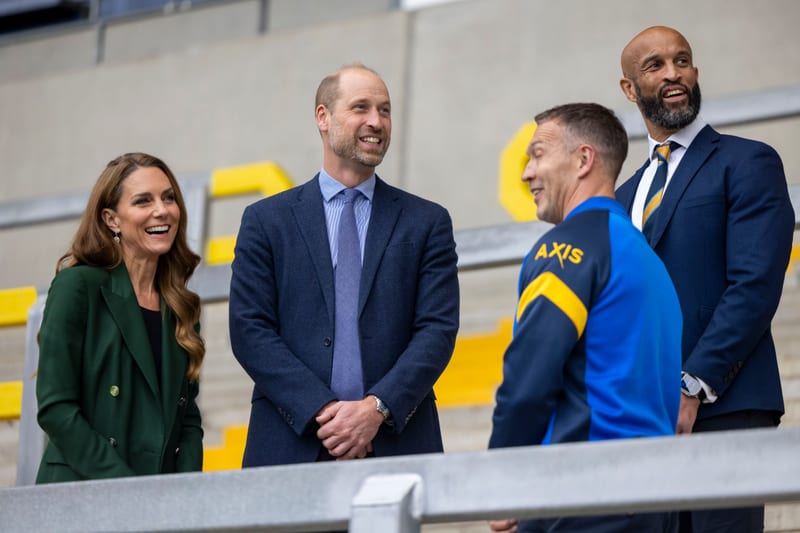
Perhaps this demonstrates that William and Catherine are increasingly focused on making a sustainable difference within society, rather than ensuring every initiative receives public recognition.
Of course, publicity can play an important role in raising awareness of charitable causes. However, there is also something meaningful about supporting a project quietly, allowing the work itself and the people benefiting from it to remain the priority.
"It's not a grand solution, it's a village hall, it's a phone line, someone who answers the phone. That is usually how good ideas start," the Prince said. And perhaps this is what makes the initiative particularly interesting - it's not necessarily about creating something enormous or introducing an entirely new approach to mental healthcare. Instead, it is about recognising what people in a particular community need and helping provide services that are accessible, practical and sustainable.
The two-year rural mental health programme, delivered in partnership with Norfolk and Waveney Mind, focuses on communities on and around the Sandringham Estate in north-west Norfolk. The initiative aims to tackle some of the challenges associated with rural isolation and lengthy waiting times for mental health services.
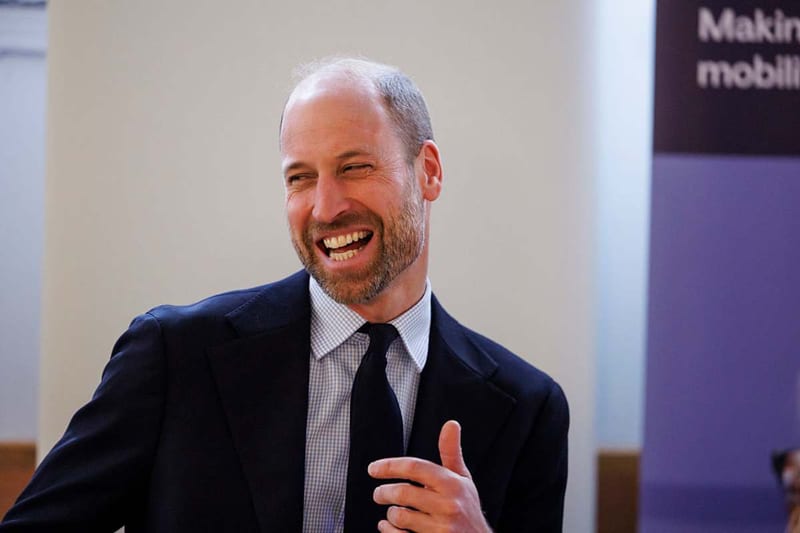
Co-funded privately by the Prince and Princess of Wales, the scheme supports local staff who can provide free face-to-face counselling, drop-in sessions, targeted community peer-support groups and workplace mental health training.
It is intended to make support more immediately accessible to approximately 1,500 residents, while also exploring whether a similar approach could benefit other rural communities across the United Kingdom. Access to mental healthcare can be particularly challenging in rural areas, where limited transport links, fewer local services and geographical isolation may create additional barriers for people seeking help. For someone struggling with their mental health, having a nearby place to speak to another person could make a meaningful difference. Although a local counselling service cannot resolve every challenge facing the wider mental healthcare system, it could provide valuable early support for people who might otherwise struggle to access help - something where William and Catherine's approach can become particularly significant. Rather than attempting to address every problem through one major initiative, they appear to be increasingly interested in identifying specific challenges and working with established organisations to develop practical responses.
There are also similarities between this approach and Prince William's work on homelessness. Through his Homewards programme through the Royal Foundation, launched in 2023, the Prince has sought to bring together local organisations, businesses, charities and public services to develop long-term solutions to homelessness.
The programme focuses on six locations across the United Kingdom, with the ambition of demonstrating that homelessness can be prevented and ultimately ended through coordinated local action. Although homelessness and mental healthcare are different issues, the approach behind these initiatives shares an important principle: understanding the needs of individual communities and bringing together the people and organisations best placed to respond.
With Homewards, William has repeatedly emphasised the importance of collaboration and prevention rather than relying solely on temporary responses once people have already reached a crisis. And in Norfolk, the mental health pilot appears to reflect a similar philosophy. By listening to residents, working alongside an established charity and supporting services that people can access locally, the Prince and Princess are attempting to address difficulties before they become more severe.