Prince William's Wildfire Warning: Could Disaster Prevention Become His Next Royal Priority?
EXCLUSIVE ANALYSIS: With wildfires becoming a more regular occurrence across the UK and the world, could raising awareness be part of Prince William's new environmental work?
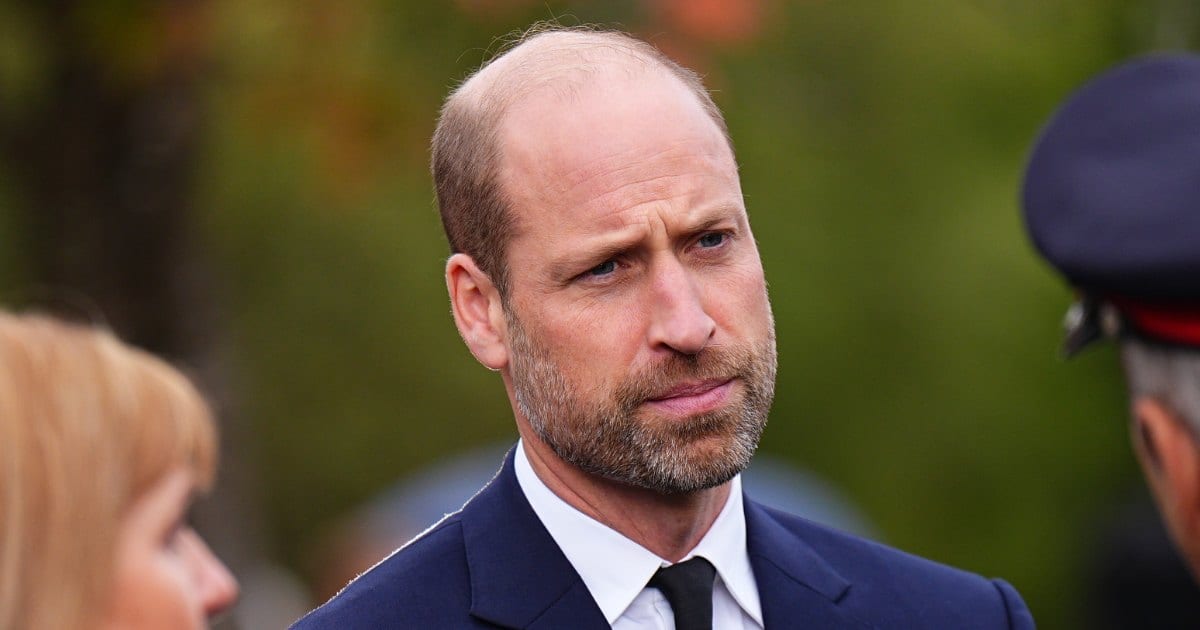


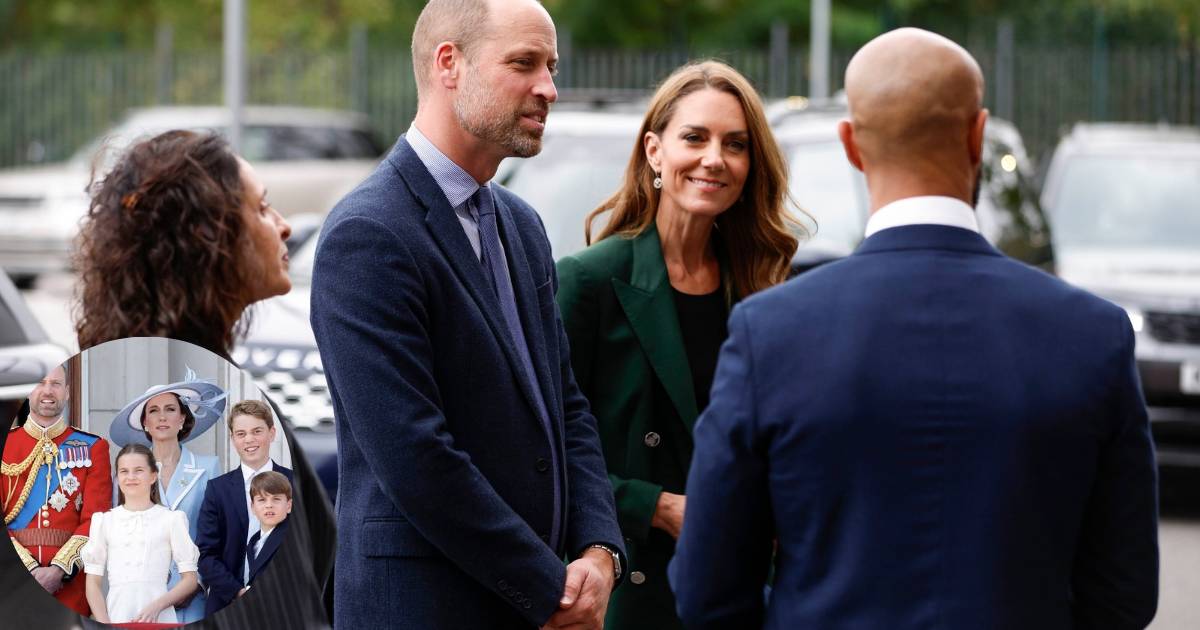
PRINCE William made a private engagement on October 21st to meet with rescue workers at the Penyrenglyn Project in Treherbert, Treorchy, Wales - just before his family holiday with his wife and children.
The Prince of Wales has taken up his father's passion for environmental stewardship, something that has been an important part of the Royal Family's work for decades. There's perhaps little surprise that William developed such a strong interest in geography and protecting the environment, particularly given his experiences growing up.
But behind this private engagement lies a bigger question - will Prince William use this recent experience to spread awareness about preparedness for these new environmental challenges?

During his time at Eton College, the Prince's boarding house was located next to the Geography Department, giving him easy access to the subject throughout his school years.
The Royal Observer discovered this particular detail shortly before William's eldest son, Prince George, joined the prestigious Berkshire boarding school as an F-Block pupil in September 2026.
However, Prince William's passion for the environment goes far beyond his father's influence and his own interest in geography. The future King made climate action, conservation and protecting endangered animals important parts of his public work for more than two decades.
The now-Prince of Wales first became Patron of Tusk in 2005. Tusk is a British conservation charity dedicated to protecting wildlife, preserving biodiversity and supporting community development across Africa. William regularly supports the organisation's charitable events, including the annual Tusk Conservation Awards, where he has spoken about the incredible work being carried out to protect endangered species and support those working on the front line of conservation.
But his support for conservation and climate action goes much deeper than simply supporting existing charities. The Prince has also helped establish major environmental initiatives of his own. One of the first was United for Wildlife, launched in 2013 through The Royal Foundation, following work that began in 2012.
United for Wildlife is a global initiative established to disrupt the illegal wildlife trade by bringing together conservation organisations, governments, law enforcement agencies and major private-sector companies.
Rather than operating as a traditional animal rescue charity, it focuses on tackling the criminal networks responsible for trafficking endangered wildlife.
The initiative works particularly closely with the transport and financial sectors, recognising that illegal wildlife trafficking relies on international shipping routes, financial transactions and organised criminal activity.
Species affected include elephants, rhinoceroses, big cats and pangolins, many of which face serious threats from poaching and illegal trade.
By bringing together organisations that might otherwise work separately, William hopes to make it increasingly difficult for criminal networks to profit from wildlife trafficking. However, perhaps the most prominent environmental initiative associated with the Prince today is The Earthshot Prize.
Inspired by President John F. Kennedy's ambitious Moonshot programme, William launched Earthshot in 2020 with the aim of finding and supporting innovative solutions to some of the world's greatest environmental challenges. The initiative awards five £1 million prizes annually to projects working towards repairing and protecting the planet.
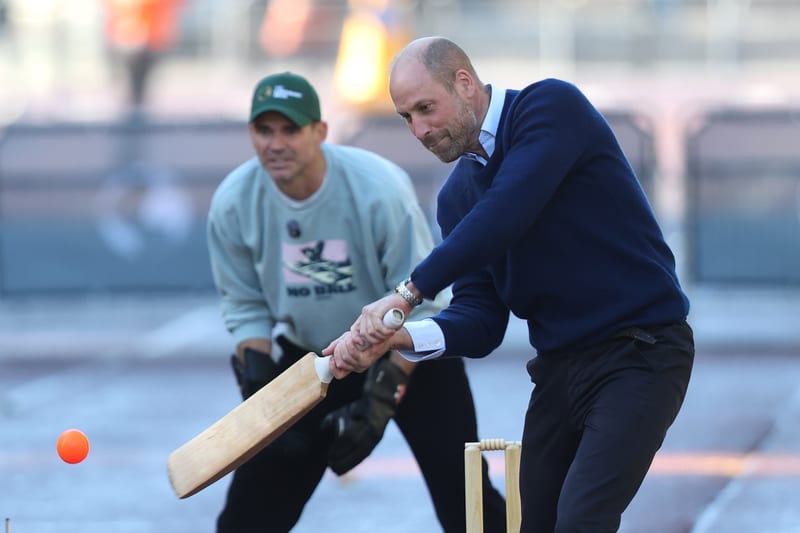
Its five environmental goals focus on protecting and restoring nature, cleaning the air, reviving oceans, building a waste-free world and fixing the climate. Unlike traditional environmental campaigns that focus primarily on the damage being caused to the planet, Earthshot aims to highlight solutions that are already being developed.
For William, the message has consistently been one of urgency, but also hope.
He's repeatedly emphasised that the world still has an opportunity to address environmental challenges if governments, businesses, scientists and communities work together. And this is perhaps where his recent engagement becomes particularly significant.
Environmental preparedness is not simply about responding after a natural disaster has occurred. It is also about understanding the risks, protecting communities and developing solutions before those challenges become emergencies. Whether William chooses to draw publicly on this particular experience remains to be seen, but it would certainly fit with his longstanding environmental interests.
Yet, there is another important part of the Prince's environmental work that is sometimes overlooked: his desire to encourage the next generation to care about the natural world. After all, preparedness is not simply about protecting buildings or responding to emergencies. It is about education, understanding risks and ensuring communities have the resources to protect themselves.
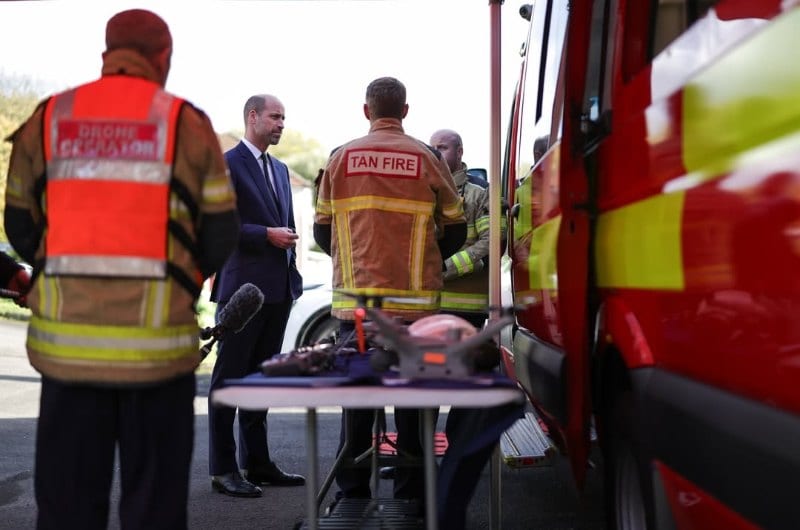
Some may argue that William's involvement could help bring greater public attention to the importance of environmental resilience, particularly as extreme weather events become an increasing concern.
Others may suggest that the real significance will depend on whether awareness can be translated into practical action.
Of course, there has been no confirmation that the Prince intends to launch a new initiative or campaign following this particular engagement, but his recent engagement on the environment shows Prince William may be looking to making sure preparedness is also part of his current charitable and environmental commitments.

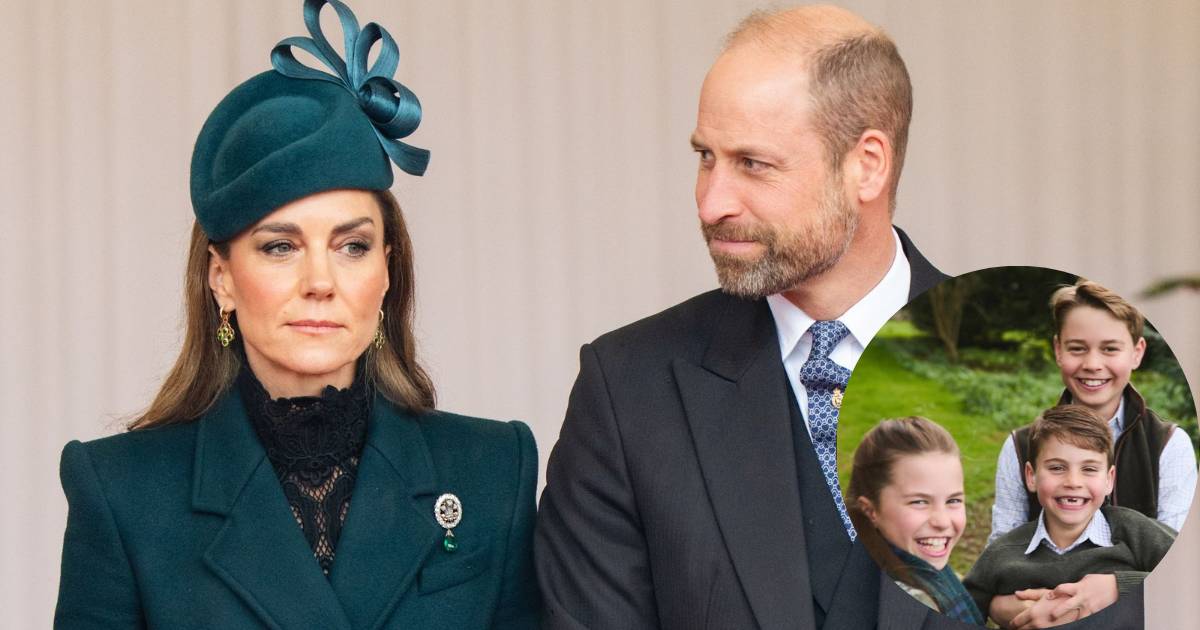
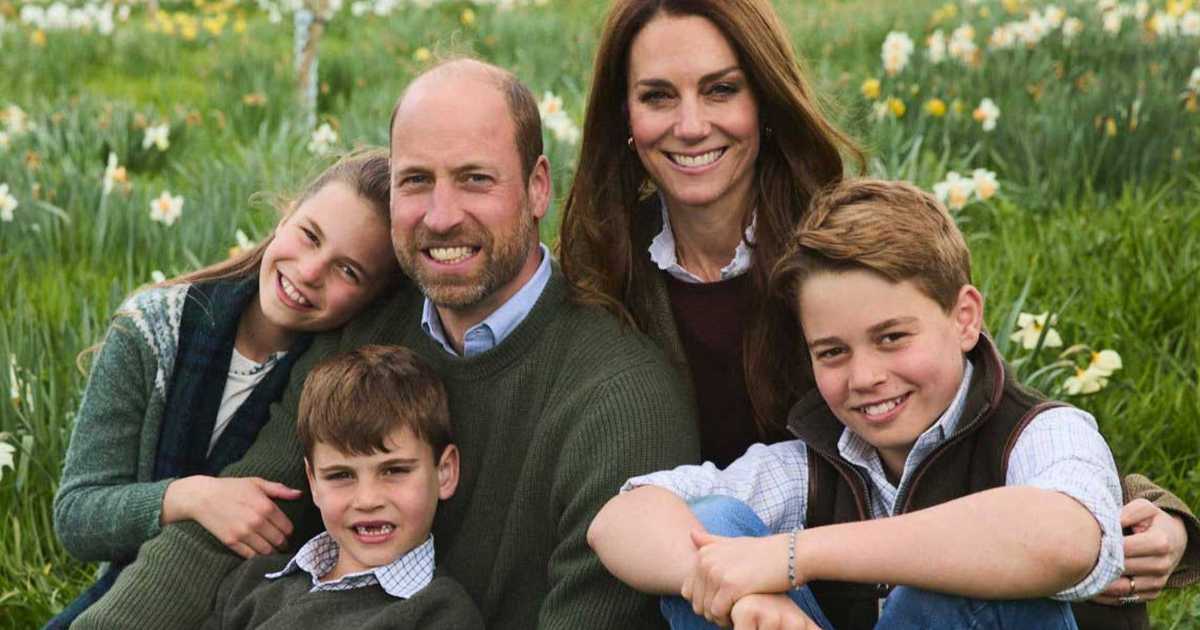
However, given his longstanding commitment to conservation, environmental protection and supporting future generations, the subject would certainly be consistent with his wider work. Perhaps the conversation he once shared with an eight-year-old Prince George offers one of the clearest explanations why that work matters.
If children are already questioning why the environment continues to be damaged despite efforts to protect it, then surely it raises an important question for the adults responsible for shaping its future.
For William, the challenge may now be ensuring that awareness, innovation and preparedness work together to protect the planet that his children, and millions of others, will one day inherit.