King Charles' Commonwealth Speech Was a Defining Moment for The Crown — Here's Why
EXCLUSIVE ANALYSIS: The King's address in Antigua and Barbuda went beyond the history of slavery, delivering a message about unity, responsibility and the future of the Commonwealth.
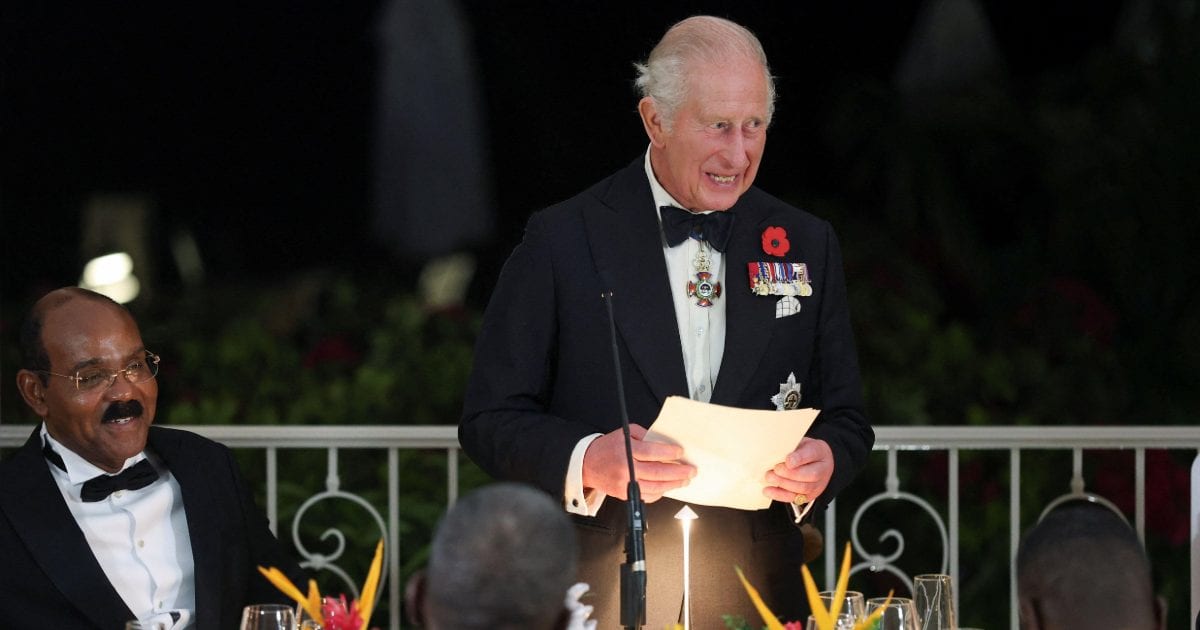


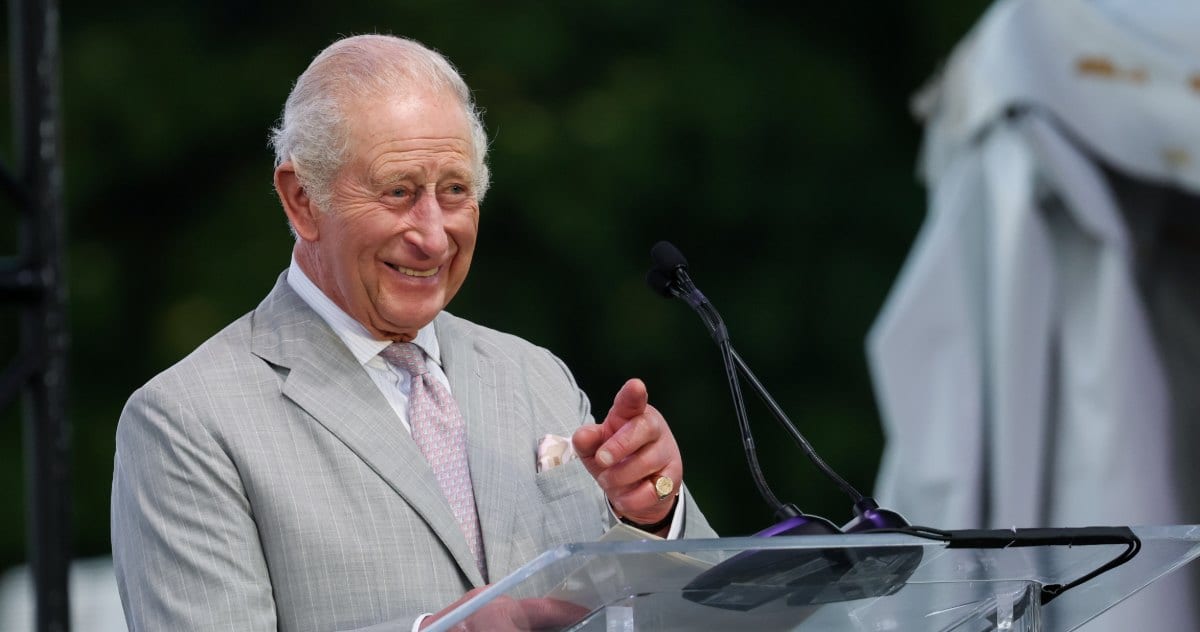
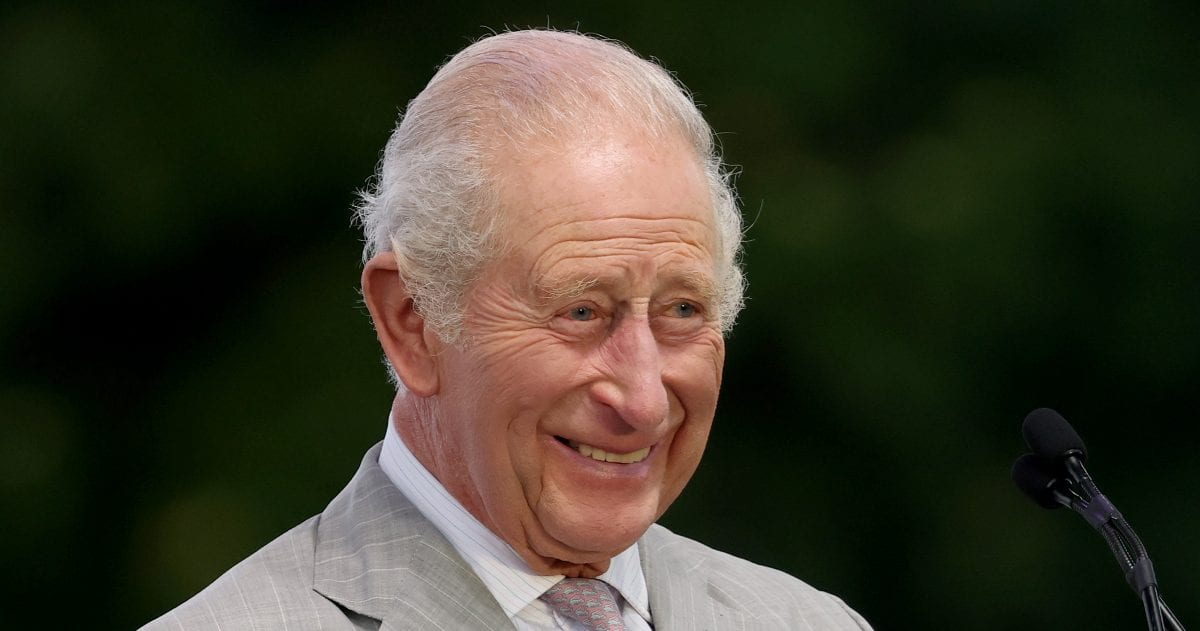
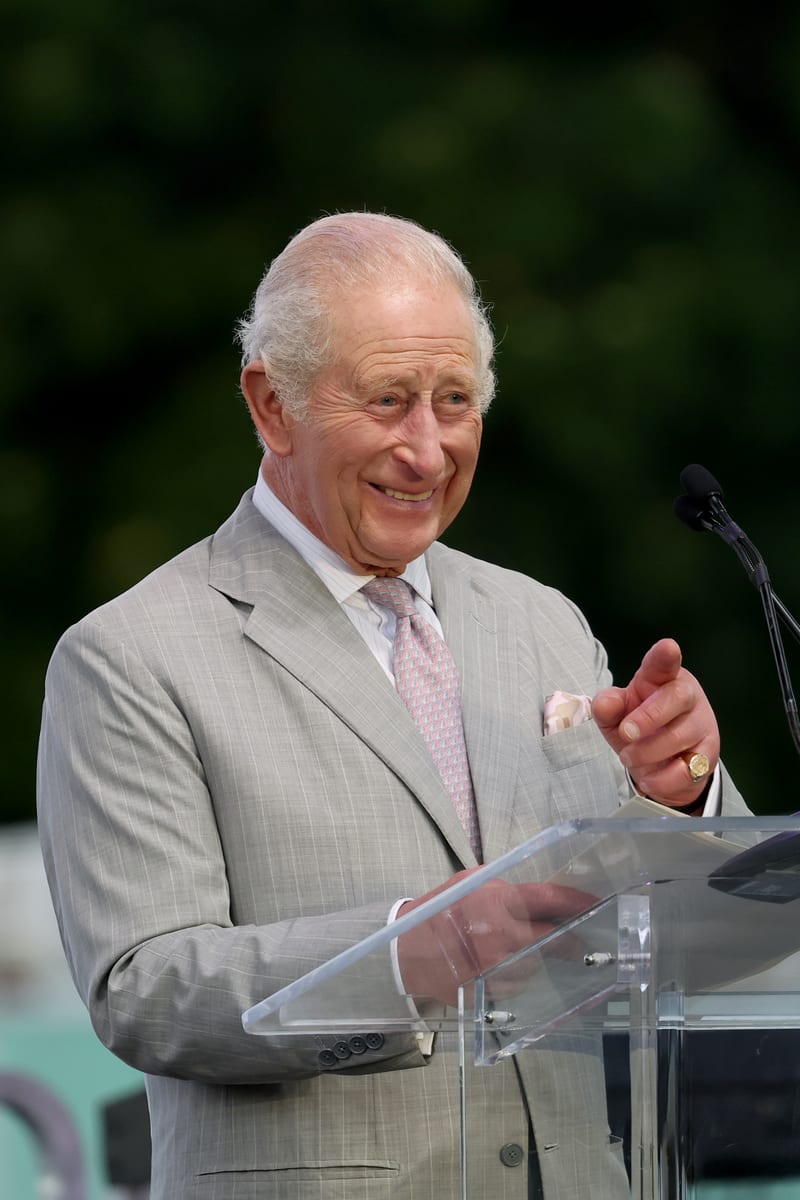
KING Charles delivered one of his most significant speeches on as he addressed world leaders in Antigua and Barbuda.
On Tuesday, November 3, His Majesty reflected on the horrors of the transatlantic slave trade while calling for greater cooperation, understanding and action for future generations. But what made his speech so powerful, and why could it prove to be an important moment in the future of the Commonwealth?
The King was speaking at the summit of the Commonwealth Heads of Government Meeting (CHOGM), which brought together representatives from the organisation's 56 independent member nations. His speech came at a particularly significant time, following renewed discussions surrounding Britain's historical involvement in the transatlantic slave trade and calls from some Caribbean nations for a formal apology and reparations. However, instead of focusing entirely on the past, King Charles used the opportunity to discuss how Commonwealth countries could learn from their shared history while working together to address the challenges facing the world today.
One of the most powerful moments came when the King described slavery as a shameful chapter of history that filled him with "horror and profound personal sorrow". These were strong words from a monarch whose position represents centuries of British history, including periods of colonial expansion. What made the remarks particularly significant was that Charles did not attempt to ignore the difficult parts of that history, especially as he had no personal involvement in those historical events. Instead, he recognised that the Commonwealth's past includes both achievements and serious injustices, and that those events continue to affect countries today.
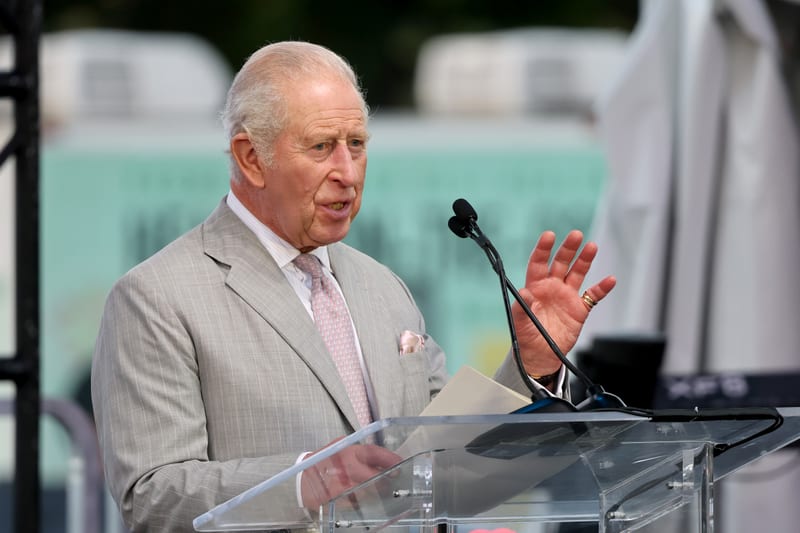
The King also acknowledged that his own understanding had developed through listening and learning. Speaking about historical injustices, His Majesty explained that he had become increasingly committed to addressing the consequences of the past through cooperation between Commonwealth nations. He described how his growing understanding had strengthened his determination to find ways of working together, referring to the importance of "listening, learning and looking". This is an important distinction because it suggests that His Majesty sees historical understanding as something that should continue to develop, rather than something that can simply be addressed once and forgotten. King Charles also reflected on the complicated history shared by Commonwealth nations, recognising that previous generations had left behind both achievements and serious injustices.
"Our history inspires us, can appall us, yet it can always teach us," the King told world leaders amid renewed calls for the UK to pay reparations. He emphasised that although countries cannot change their history, they can learn from it and decide how to respond to its consequences. However, despite the strength of his remarks, King Charles stopped short of issuing a formal apology for Britain's involvement in slavery or announcing financial reparations.
Some campaigners and Caribbean leaders believe that acknowledging historical wrongdoing is not enough without a formal apology and reparatory justice. Others argue that practical cooperation, investment and opportunities for future generations should form an important part of addressing historical inequalities. The King did not resolve that debate in his speech, nor would it be his role as a constitutional monarch to independently determine British Government policy on reparations.
Instead, King Charles placed particular emphasis on what Commonwealth countries could achieve by working together. He spoke about improving access to education, creating employment opportunities, strengthening trade between Commonwealth nations and supporting countries affected by climate change. His Majesty also drew attention to the importance of courage and determination in overcoming injustice, declaring that "evil need not have the last word". These words were particularly significant given the history of slavery across the Caribbean and continuing discussions surrounding its legacy.
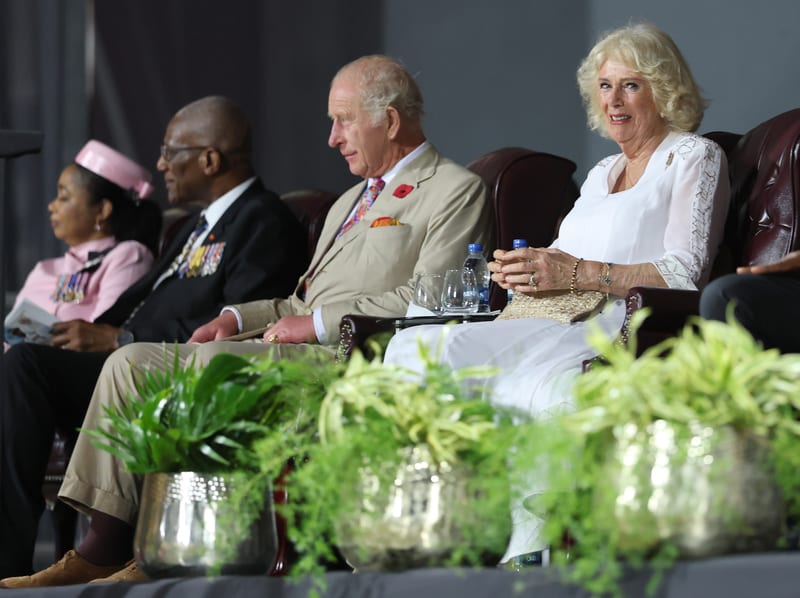
The King also recognised that many island nations have contributed relatively little to global climate change while facing some of its most serious consequences. For countries such as Antigua and Barbuda, environmental protection is not simply a long-term ambition. Rising sea levels, extreme weather and natural disasters can have serious consequences for communities, infrastructure and economies.
The monarch described climate change as a "catastrophic reality", making clear that the challenges facing Commonwealth nations require more than expressions of concern. He discussed the importance of investment in renewable energy, protecting natural habitats and strengthening resilience against environmental disasters. However, the significance of his speech went beyond environmental issues.
The King also addressed international conflict, technological change and growing uncertainty between nations. He warned that trust between countries was under increasing pressure, while conflict continued to destroy lives around the world. At a time when countries face increasingly complex challenges, His Majesty appeared determined to remind Commonwealth leaders that cooperation remains one of the organisation's greatest strengths. This was perhaps one of the most powerful messages of the entire address.
The Commonwealth is not simply an organisation of countries that share the British monarch as Head of State. Although King Charles is Head of the Commonwealth, many member nations are republics or have their own monarchies. The organisation brings together countries with different governments, cultures, histories and traditions, united through voluntary cooperation.
Perhaps one of the most important aspects of the King's message is that the Commonwealth does not require every country to agree on everything, nor does membership mean that nations must share the same constitutional future. Countries can choose their own paths while continuing to cooperate on education, trade, environmental protection and other shared priorities.
King Charles also emphasised that the Commonwealth's strength lies in its people, partnerships and opportunities. He described an organisation that continues to respond to modern challenges, rather than simply existing because of its historical connections. For the monarch, who has spent decades supporting Commonwealth initiatives, this was also a deeply personal moment. He reflected on attending his first Commonwealth Heads of Government Meeting almost 30 years ago, demonstrating just how much the organisation, and the world around it, has changed during his lifetime. Yet despite those changes, his message remained focused on maintaining relationships and helping those most in need.
Of course, the effectiveness of the speech will ultimately depend on what happens next. Words of acknowledgement are important, but for countries seeking meaningful action on historical injustices, economic inequality and climate change, practical outcomes will be equally significant. The proposals discussed at CHOGM, including investment, trade and environmental initiatives, will therefore be important measures of whether the organisation can deliver on its ambitions.