Is Princess of Wales Becoming the Royal Family's Most Influential Figure?
EXCLUSIVE ANALYSIS: Harriet Phillips's praise for the Princess of Wales may reveal just how influential Catherine could be behind the scenes
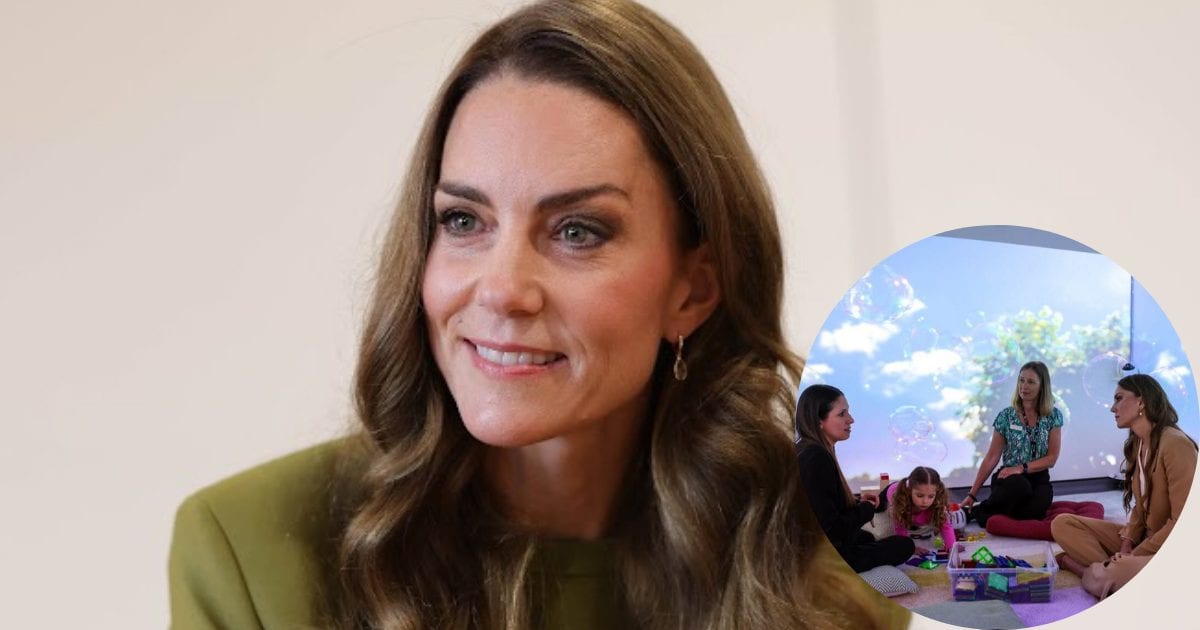


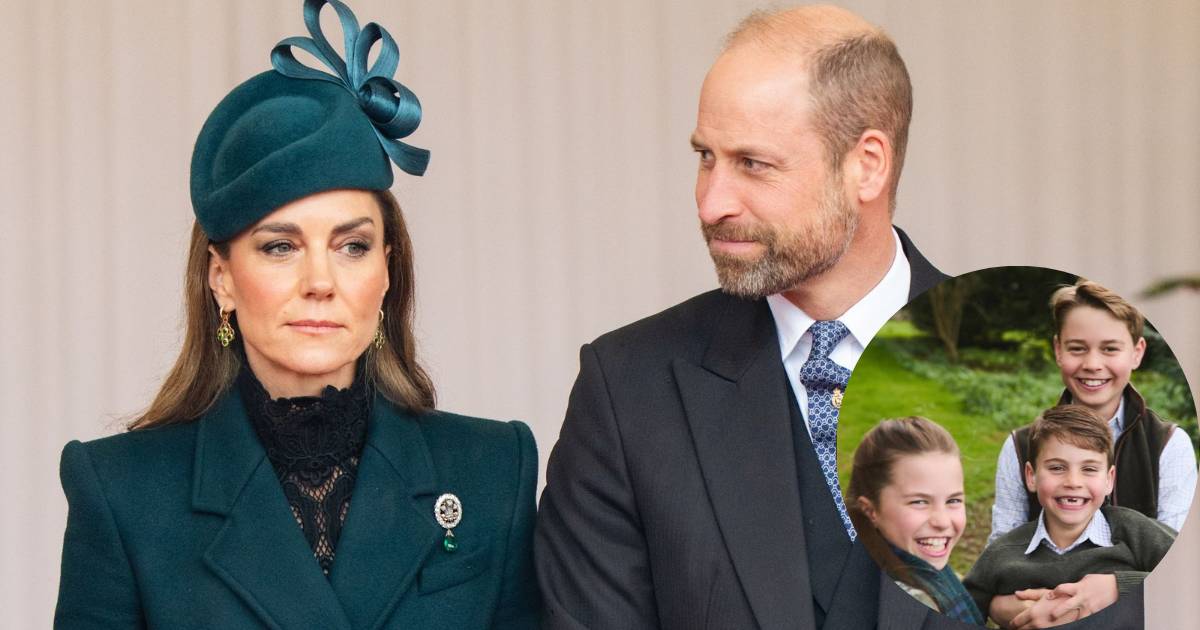
CATHERINE, the Princess of Wales, is often described as kind, caring and respectful towards those around her, according to accounts from people who have met or worked with her. But could being influential behind the scenes be another of her qualities?
The Princess of Wales has not always enjoyed the popularity she does today. Before marrying into the Royal Family in 2011, Catherine was frequently pursued by paparazzi and subjected to intense media scrutiny, even being given the nickname "Waity Katie" by sections of the press.
The attention became so intrusive that Prince William publicly expressed his concerns about the treatment of his then-girlfriend, with his representatives calling for greater respect for her privacy.
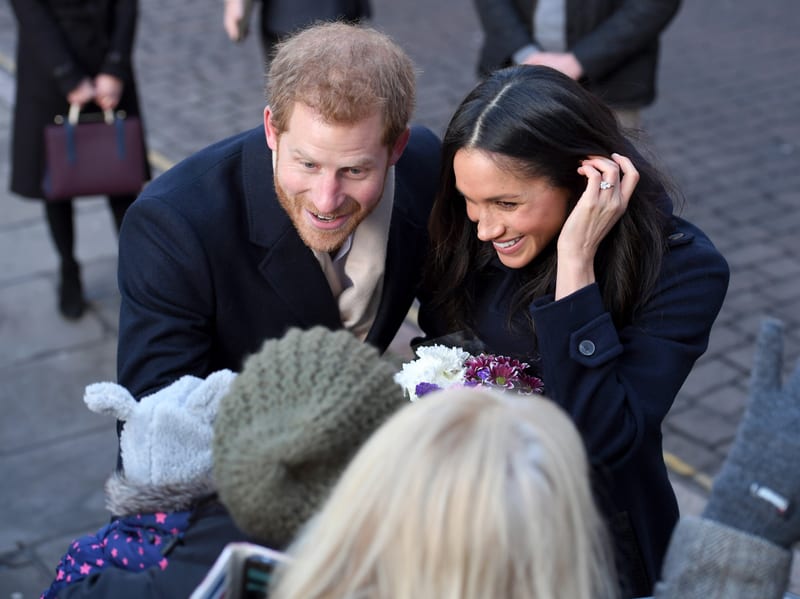
Years later, Meghan Markle faced similar pressures, including deeply troubling racist abuse and harassment online.
Prince Harry publicly condemned the treatment of Meghan, while the Royal Family also introduced social media guidelines intended to tackle abusive comments directed towards members of the monarchy.
However, the extent to which Meghan felt supported by the institution, became a subject of considerable disagreement following her and Harry's interview with Oprah Winfrey in 2021. Although measures were taken to address aspects of the abuse, Meghan and Harry have maintained that they did not receive the support they needed.
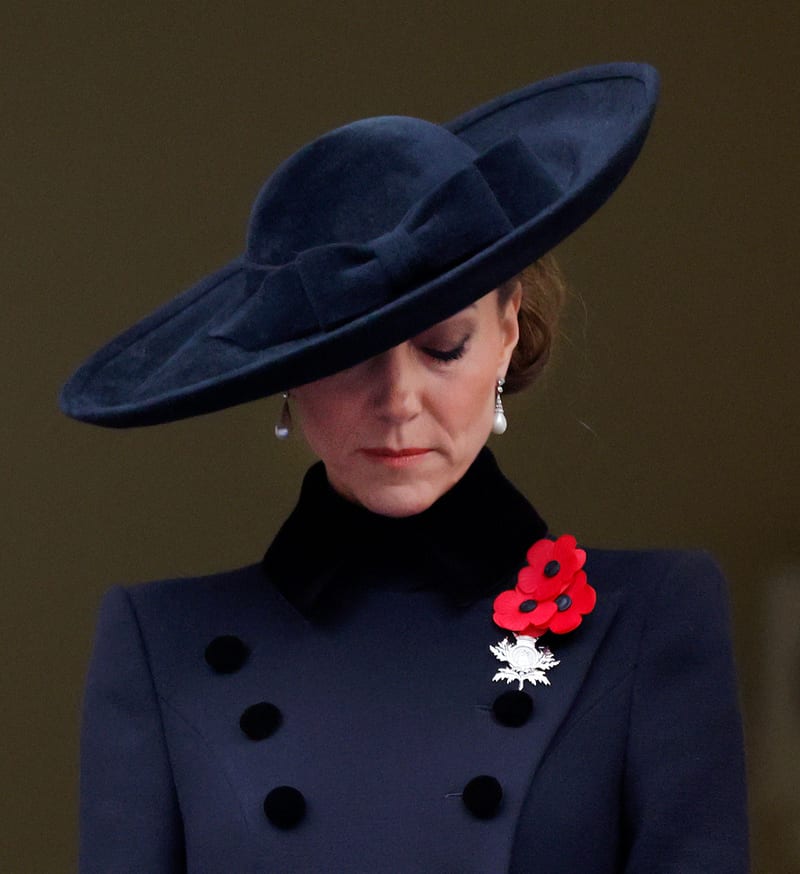
Fast-forward more than a decade from Catherine's royal wedding, and the Princess of Wales could now be considered one of the most influential members of the Royal Family.
Her popularity extends far beyond royal engagements.
Clothing worn by Catherine regularly attracts enormous public attention, with certain outfits selling out within hours of her appearances. Eagle-eyed royal followers often notice even the smallest details, from her jewellery to the colours and designers she chooses.
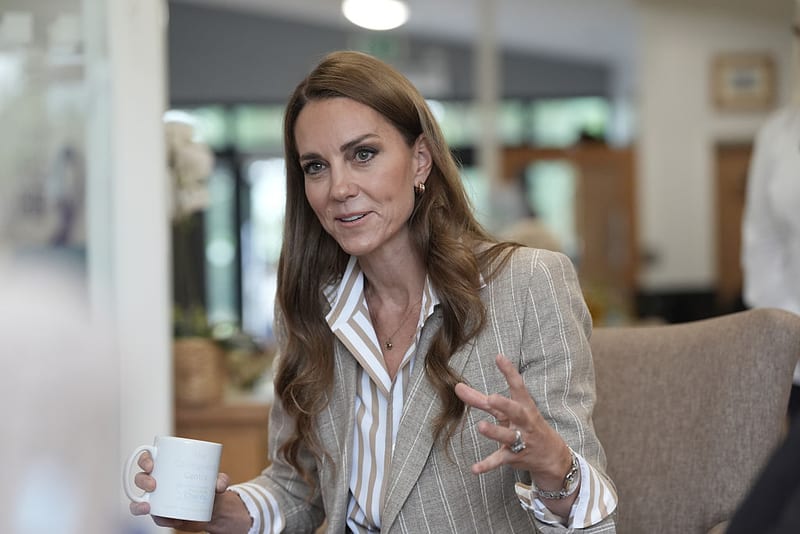
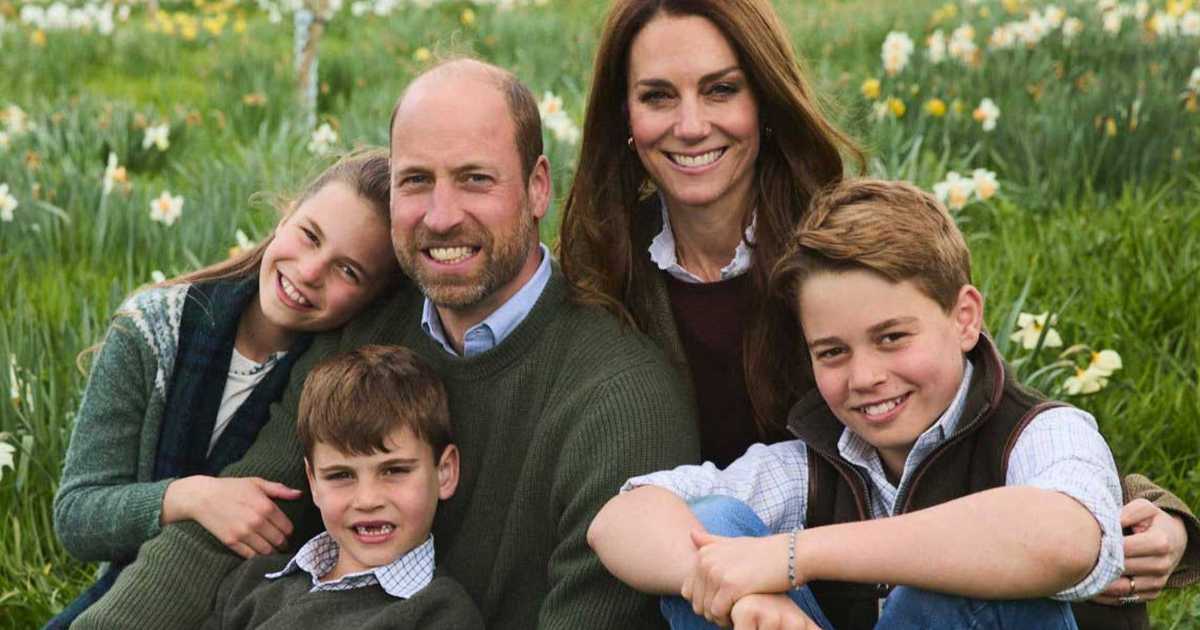
This phenomenon, sometimes referred to as the "Kate Effect", demonstrates the considerable influence the Princess can have on fashion and consumer interest. This effect has extended to her children who have been seen on many occasions wearing British and Spanish clothing brands from the High Street, this includes, Boden, Pepa and Company, Amaia Kids, and Trotters to name but a few, with the effects called 'George, Charlotte and Louis Effects'.
However, while her clothing choices attract headlines, it is perhaps her charitable work and commitment to early childhood development that could prove to be among her most significant contributions.
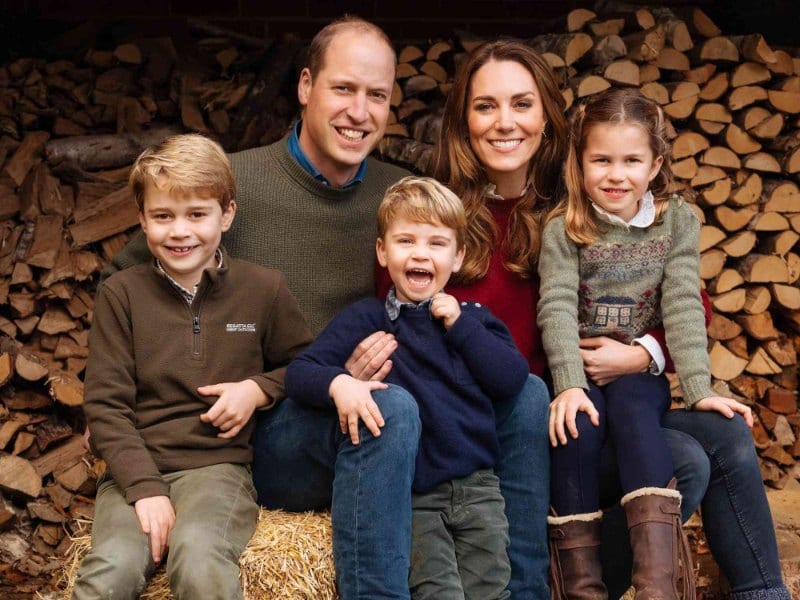
Early childhood has been an important interest of the Princess of Wales for many years, and she has repeatedly demonstrated her determination to understand how experiences during the earliest stages of life can influence people's health, wellbeing and development.
Catherine is also known for taking a particularly detailed interest in the research surrounding her work.
As Prince William humorously suggested during a radio appearance earlier this year, the Princess's enthusiasm for reading and researching can sometimes leave papers scattered around their bedroom.

It offered a light-hearted glimpse into just how seriously Catherine takes her interests.
And perhaps this is what makes her influence particularly interesting. Rather than simply attending engagements and lending her name to charitable organisations, the Princess has spent years meeting researchers, healthcare professionals, educators and families to develop a deeper understanding of early childhood development.
Her work through The Royal Foundation Centre for Early Childhood has focused on raising awareness of the importance of the first five years of life ( called Shaping us) and the role that relationships, emotional development and supportive environments can play in shaping future wellbeing.
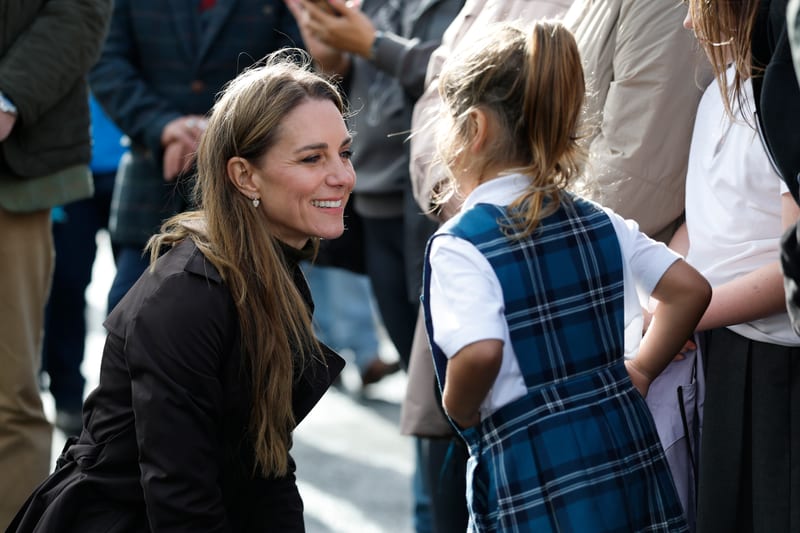
Of course, the Princess is not a scientist or healthcare professional herself, but her position allows her to bring attention to research and organisations that might otherwise struggle to reach such a wide audience.
This is where royal influence can extend beyond public appearances.
A visit, speech or campaign supported by a senior member of the Royal Family can encourage conversations, attract public interest and provide greater visibility for important causes. And while the impact of that attention is not always easy to measure, it can help bring subjects such as early childhood development into wider public discussion.
Now, following recent comments from Harriet Phillips praising Catherine's support and guidance, another side of the Princess's influence has come into focus.
It raises an interesting question about whether Catherine's role within the Royal Family extends beyond her public duties into the quieter relationships and personal support she provides behind the scenes.