Why Prince William and Princess Catherine Could Ditch This Long-Standing Royal Family Mantra
EXCLUSIVE ANALYSIS: The Prince and Princess of Wales could be set to change and modernise the monarchy
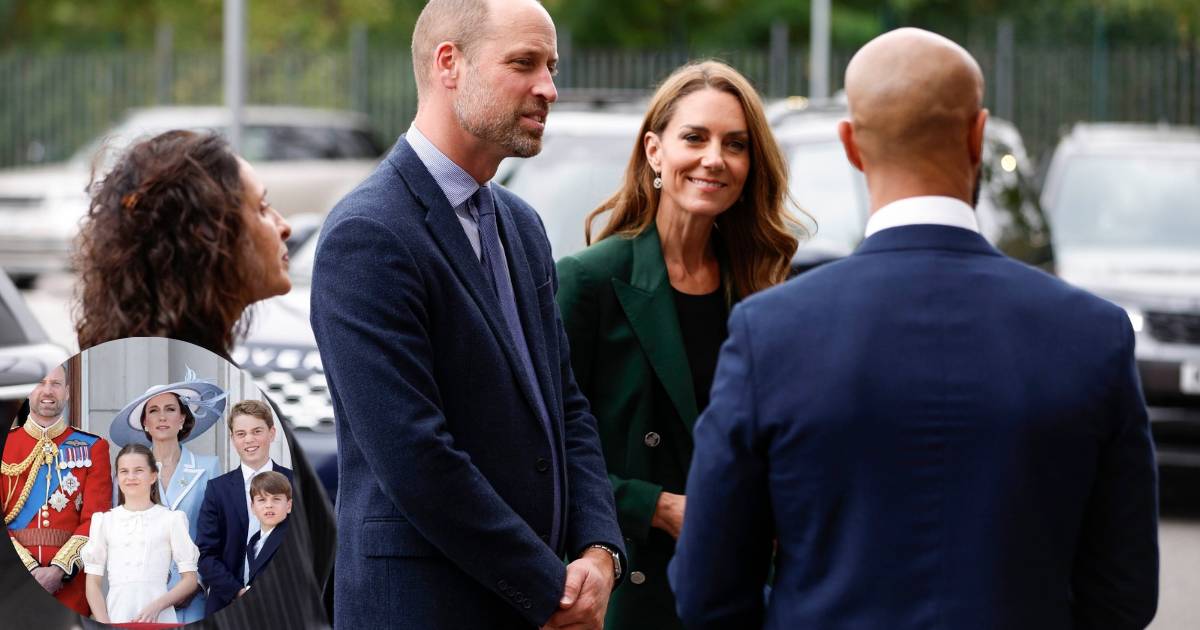


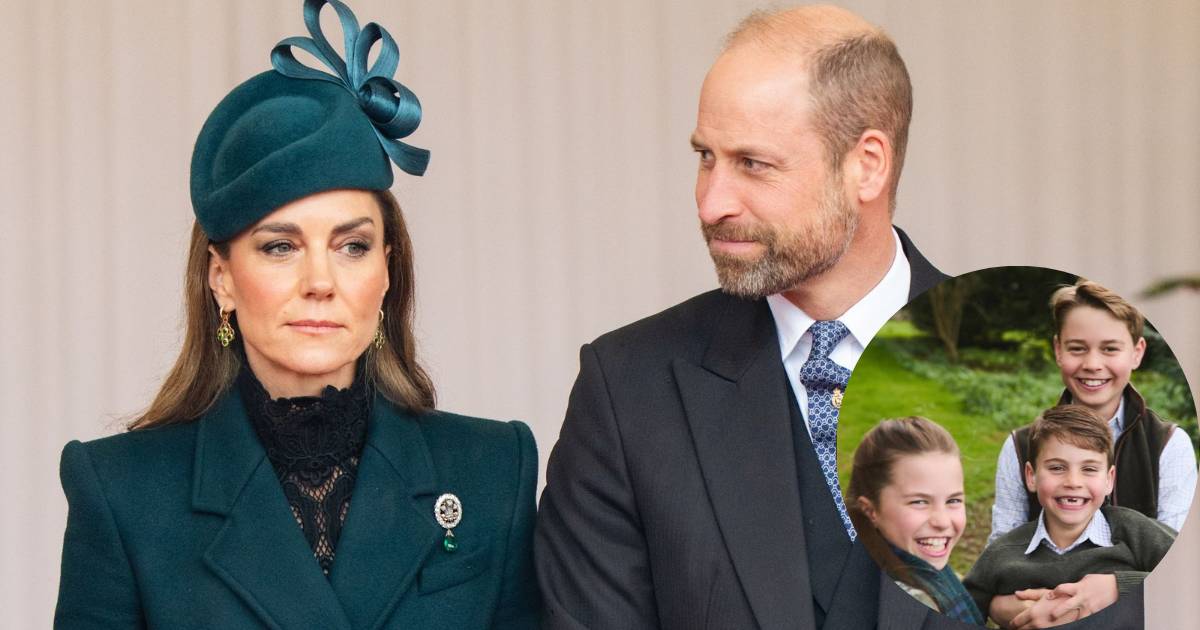
THE Prince and Princess of Wales have always followed the monarchy's long-known rule of 'never complain, never explain,' but they may be set to get rid of it altogether.
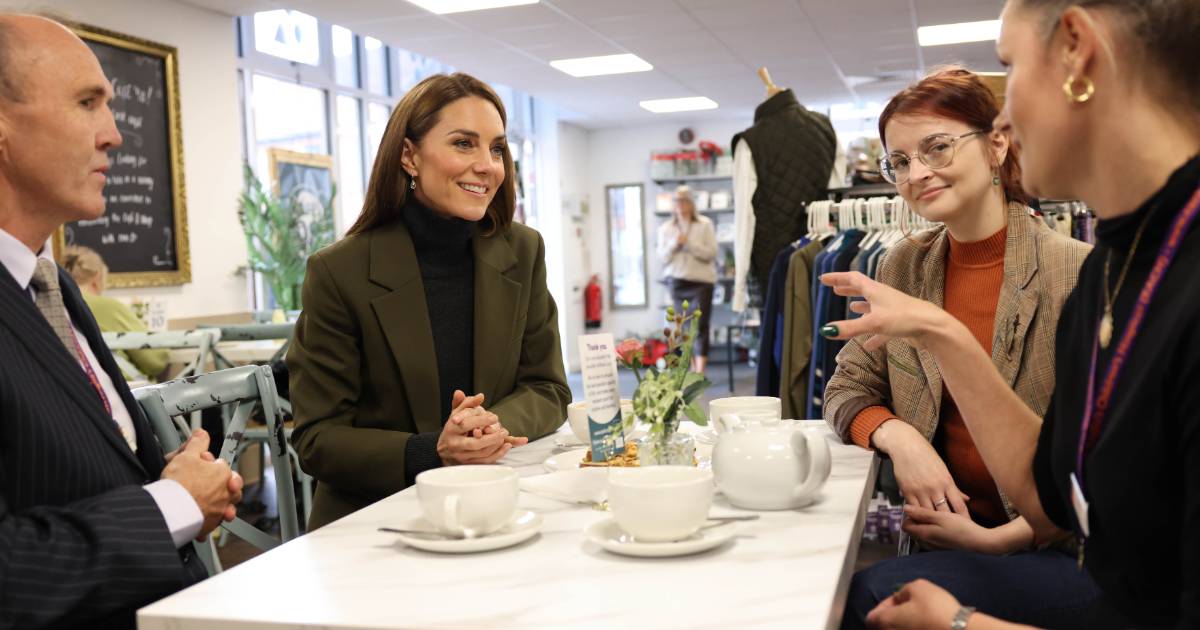
William and Catherine represent the next generation of the monarchy, an institution they will one day help lead, and one they appear increasingly determined to shape in their own way. According to recent reports, the couple are considering a more open and personal approach to royal communication, moving away from the institutional secrecy that has traditionally surrounded the Royal Family.
A source quoted by the Daily Mail, and subsequently reported by other outlets, suggested that the couple are exploring new ways to connect with the public through what has been described as "controlled openness".
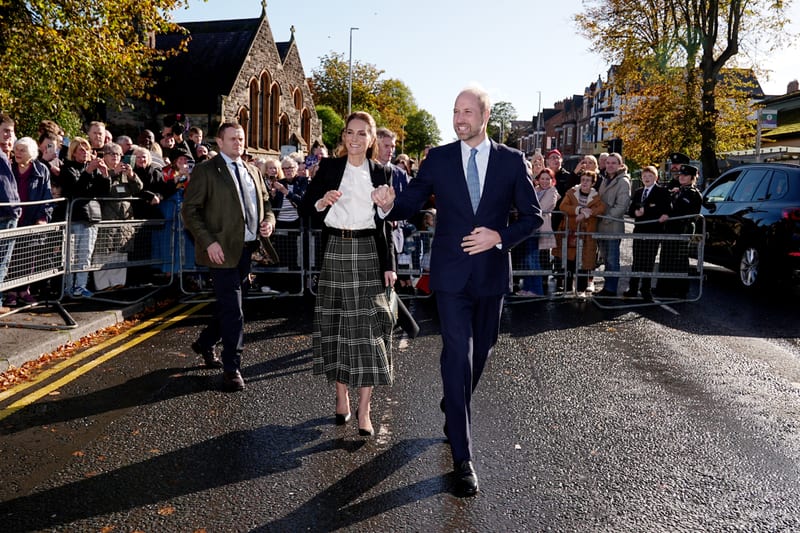
The approach would allow William and Catherine to share more about their lives, interests and charitable work while maintaining appropriate boundaries around their family.
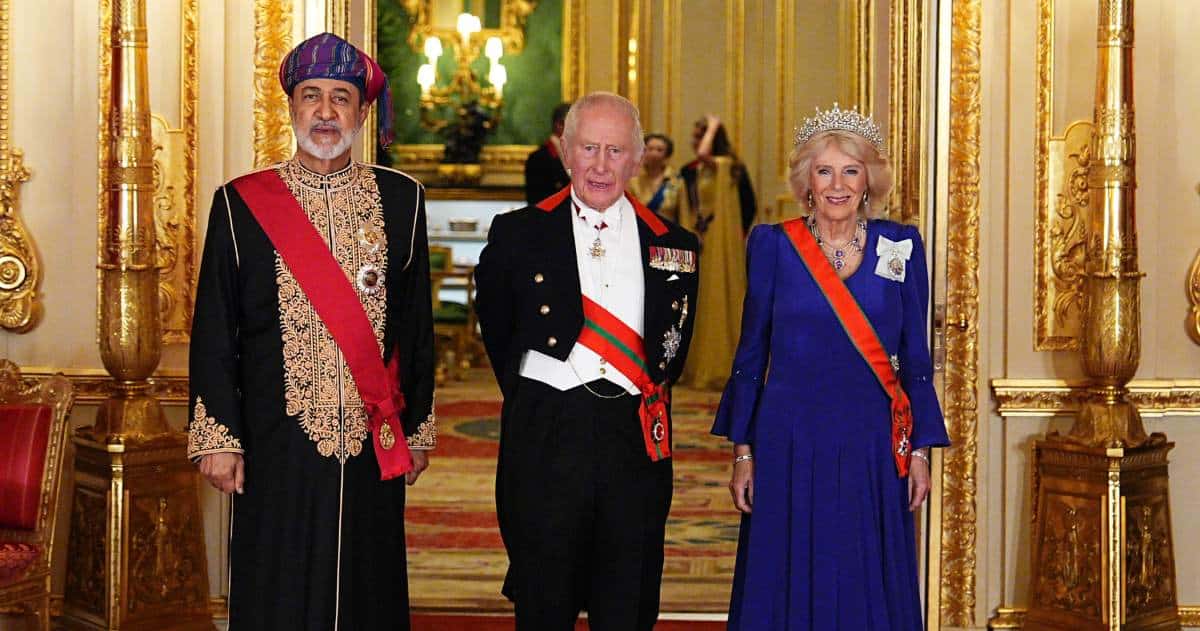
It would represent a notable development for an institution that has historically preferred to remain silent rather than respond to speculation or public criticism. The phrase 'never complain, never explain' is closely associated with the late Queen Elizabeth II, although it was never a formal constitutional rule.
It was reported that the specific royal approach came when Queen Elizabeth, The Queen Mother (then known as Lady Elizabeth Bowes-Lyon), gave an interview to a newspaper after announcing her engagement to Prince Albert, Duke of York (the future King George VI). This reportedly enraged his father, King George V. Since then, she never spoke or commented on issues relating to the Royal Family.
For decades, the approach helped the monarchy maintain a sense of dignity and distance from public controversy. However, the rise of social media, where speculation and misinformation can spread within minutes has meant that times have changed.
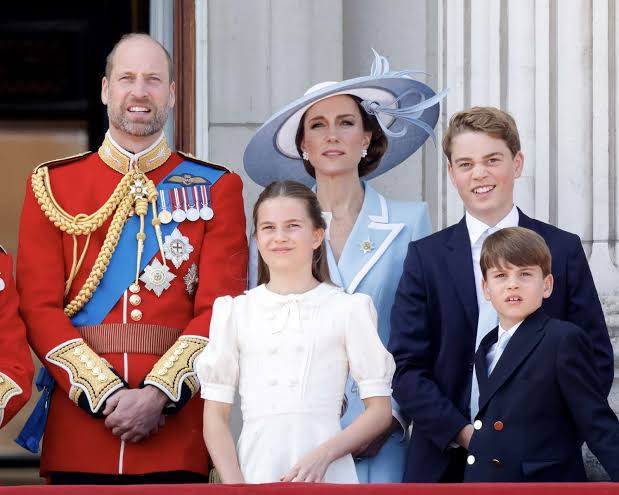
William and Catherine have already demonstrated a willingness to communicate differently from previous generations.
During the Princess of Wales's cancer journey in 2024, Catherine chose to address the public directly through a personal video message announcing her diagnosis. She subsequently shared further updates about her treatment and recovery, offering a more personal insight into a difficult period for her family.
Prince William has also become increasingly open about his experiences. In October 2025, during an appearance on The Reluctant Traveller with Eugene Levy, the Prince spoke candidly about his family, the pressures of royal life and his hopes for the future of the monarchy.
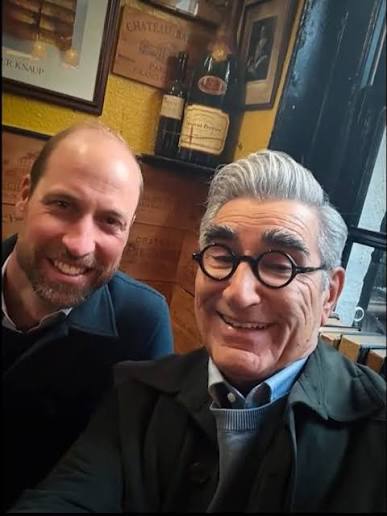
He explained that change was something he wanted to embrace, although he made clear that he was not proposing to abandon royal traditions altogether. The Prince also spoke about wanting to create a monarchy that would make his eldest son, Prince George, proud.
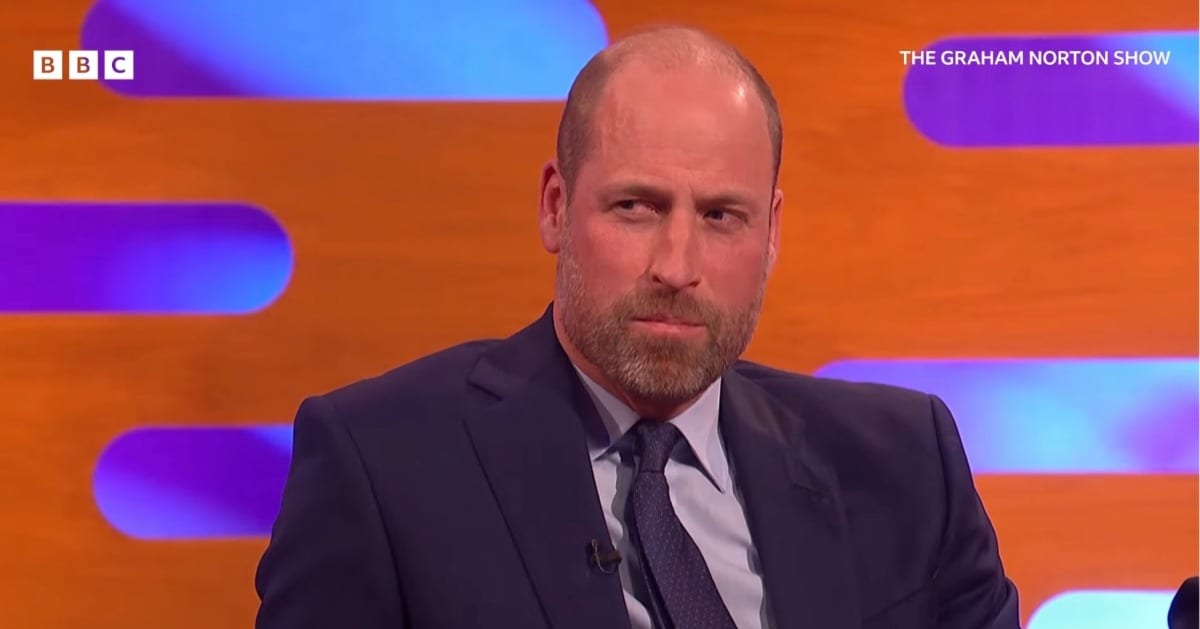
To promote the upcoming Earthshot Prize ceremony, he made history by appearing alongside a glittering array of associated celebrities on Graham Norton's chat show sofa.
These highly-publicised (and highly acclaimed) appearances offered a rare insight into how William sees his future role as King and the responsibility of preparing the institution for the next generation.
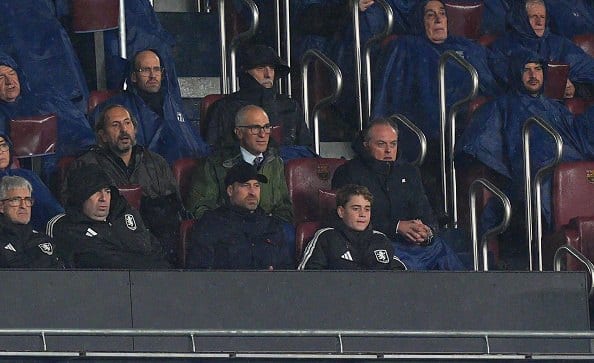
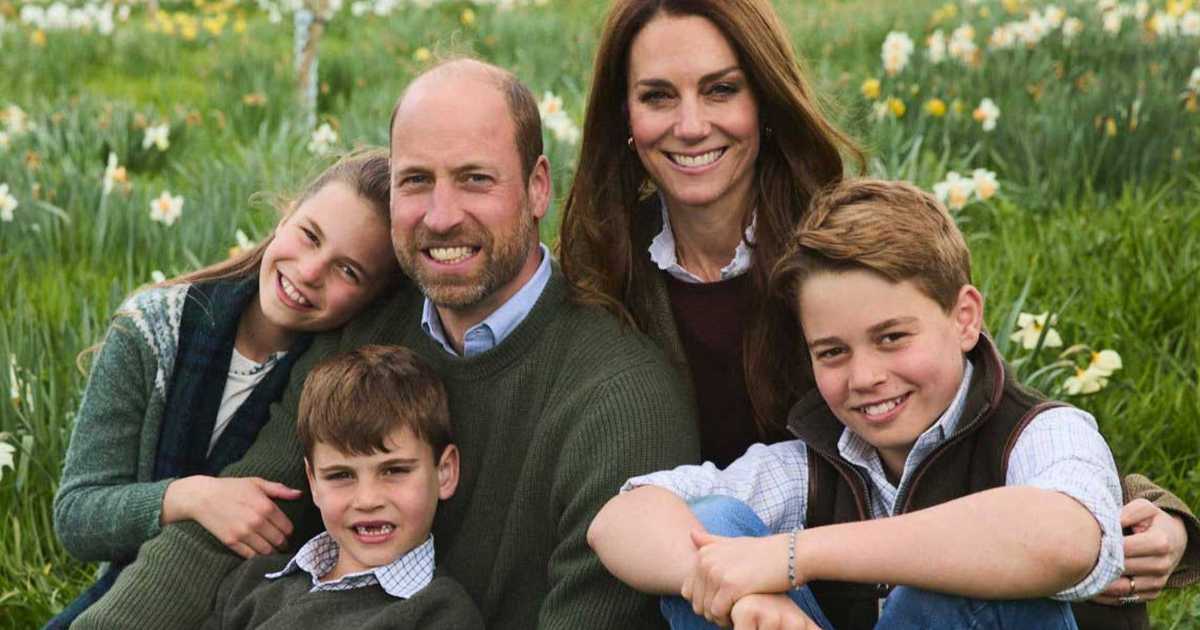
The couple have also ditched the old fashioned royal parenting, where children were mainly raised by a nanny (or a governess), and decided to be hands on by raising their children largely by themselves.
Catherine's maternal ancestry contains generations of working-class coal miners from County Durham in the North of England. Although she grew up in a more affluent typical British middle class home than her grandparents, she still never had the trappings of royalty as she grew up.
Although the children have had a nanny, the Prince and Princess of Wales are regulars on school runs and at school fates according to reports, her own background potentially influencing her parenting style in particular. The couple's approach to social media has also become more personal, with family photographs, behind-the-scenes footage and informal messages appearing alongside their official engagements.
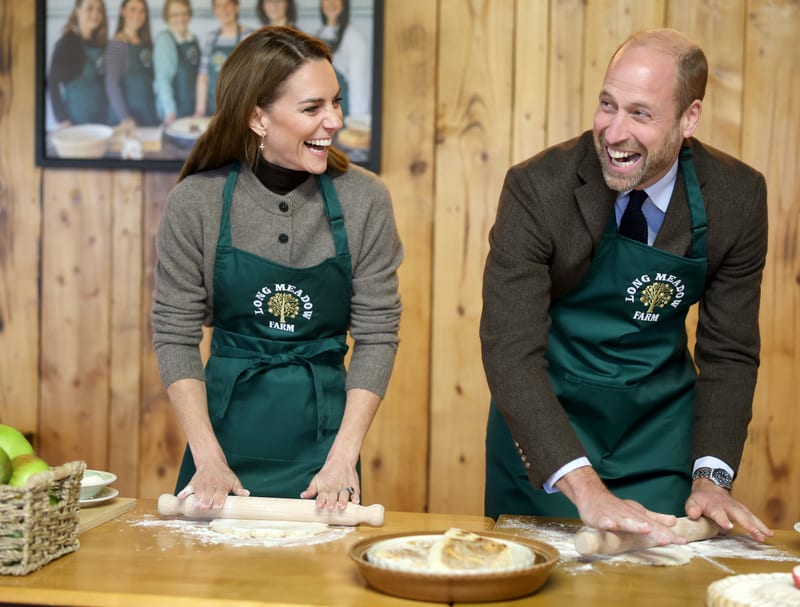
Their charitable work remains central to their public roles, including William's Homewards initiative and Earthshot Prize, alongside Catherine's continued focus on early childhood development. However, becoming more open does not necessarily mean the couple will begin responding publicly to every criticism or rumour.
William has repeatedly emphasised the importance of protecting his children's privacy, particularly given his own experiences growing up under intense media scrutiny. That is unlikely to change simply because the couple want to become more accessible.
Some may argue that greater openness could help the monarchy connect with younger generations and demonstrate the relevance of its work. Others may suggest that the traditional approach has served the institution well, allowing members of the Royal Family to remain above unnecessary controversy.
Both perspectives raise important questions about how the monarchy should communicate in an increasingly digital world.
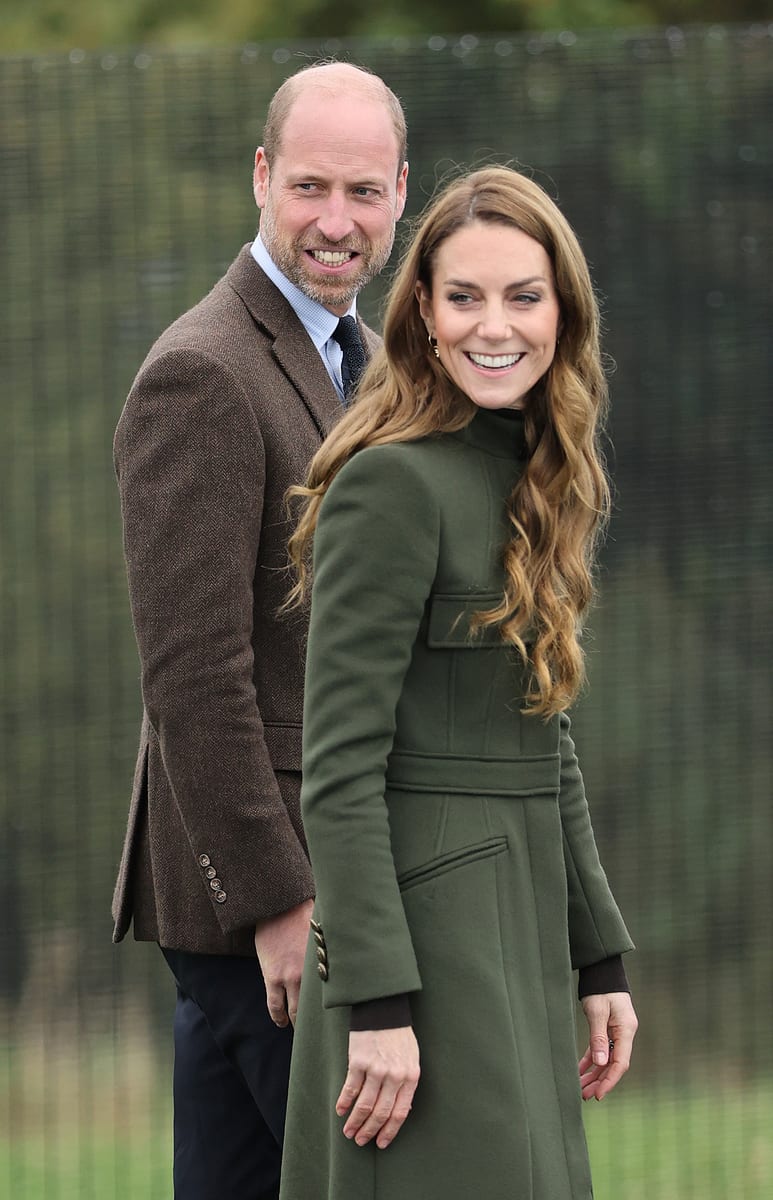
For William and Catherine, the challenge may be finding the right balance between maintaining the dignity and traditions of the Crown while allowing the public to see more of the people behind their royal titles.
After all, the monarchy has continued to evolve throughout its 1,000 year history, with each generation introducing changes to reflect the society it serves. King Charles III has already developed his own approach to the institution, and William is expected to do the same when his time comes.
Ultimately, the Prince and Princess of Wales do not appear to be seeking to abandon the monarchy's traditions, but rather to build upon them, creating an institution that remains recognisable while becoming more open, accessible and connected to the public.
Whether 'never complain, never explain' will truly become a thing of the past remains to be seen. However, the couple's increasingly personal approach suggests that the future monarchy may look rather different from the one previous generations have known.