What Is Really Happening to Prince William’s Duchy Sale?
EXCLUSIVE ANALYSIS: Prince William is set to sell a part of his Duchy Land, and use the money for it to invest in Charity work.


PRINCE William, also known as the Duke of Cornwall, is selling Bradninch Estate, but with so many rumors swirling about the estate, what's actually going on?
The proposed sale forms part of a wider strategy announced in March 2026, which reportedly involves selling approximately one-fifth of the Duchy's land over the next decade. The plans aim to raise around £500 million ($670 million) to reinvest in the estate's wider priorities, including housing, environmental projects and sustainability.
Prince William inherited the Duchy of Cornwall from his father, King Charles III, in September 2022, when he became Prince of Wales. However, the proposals have drawn considerable criticism from tenants on the Bradninch Estate in Devon, which the Duchy has owned since the 14th century.
Some residents, whose families have reportedly lived on the estate for generations, were concerned about displacement after receiving notices giving them six months to either purchase their homes or leave.
Understandably, losing a home you have lived in for many years is upsetting, especially if you believed you could remain there indefinitely. Following weeks of uncertainty, the Duchy of Cornwall, through its rural director Matthew Morris, has reportedly apologized to affected tenants and agreed to arrange new independent property valuations in November 2026.
This could give residents greater clarity on their homes' value and the possibility of buying them. However, an independent valuation does not necessarily mean every tenant can afford to buy their property, and questions remain about what happens to those who cannot. Some have said Prince William will provide affordable homes for those who cannot afford new ones, but that has not been confirmed yet.

Meanwhile, the situation has sparked considerable discussion online, with some questioning how Prince William can campaign to end homelessness while tenants on his own estate face the possibility of losing their homes.
It is a fair question to raise, particularly given William's commitment to tackling homelessness through his Homewards initiative. However, several important details about the proposed sales appear to have been overlooked in some of the criticism.
The first misconception is the suggestion that the Prince of Wales is simply selling properties to make money for himself.
The Duchy of Cornwall is a private landed estate that provides income to support the Prince of Wales's official, charitable, and private activities and those of his family. The reported £500 million program is intended to support the Duchy's wider investment strategy, not a direct personal payment to William.
However, it is important to distinguish between reinvesting money in the Duchy's estate and donating it directly to charitable organizations.
Although the Duchy supports housing and environmental initiatives, that does not necessarily mean the proceeds from every property sale will go directly towards William's Homewards program. Some may go to other projects, such as the Nansladen property, which has been in the works for around a decade.
Another point to consider is that selling a property does not automatically make someone homeless.
A landlord selling a property differs from deliberately leaving someone without accommodation, though a sale can still have serious consequences for tenants who cannot afford to buy their homes or find somewhere else to live. This is where Bradninch residents' concerns become particularly important.
The Duchy's reported apology and agreement to independent valuations suggest it has acknowledged some of those concerns, but whether these measures will provide sufficient reassurance remains to be seen.
For tenants who have lived on the estate for generations, this is not simply about property values or the Duchy's financial plans. These are their homes, and they deserve clarity about their futures. At the same time, the Duchy is responsible for managing a substantial estate, including its properties, finances, and long-term investments.
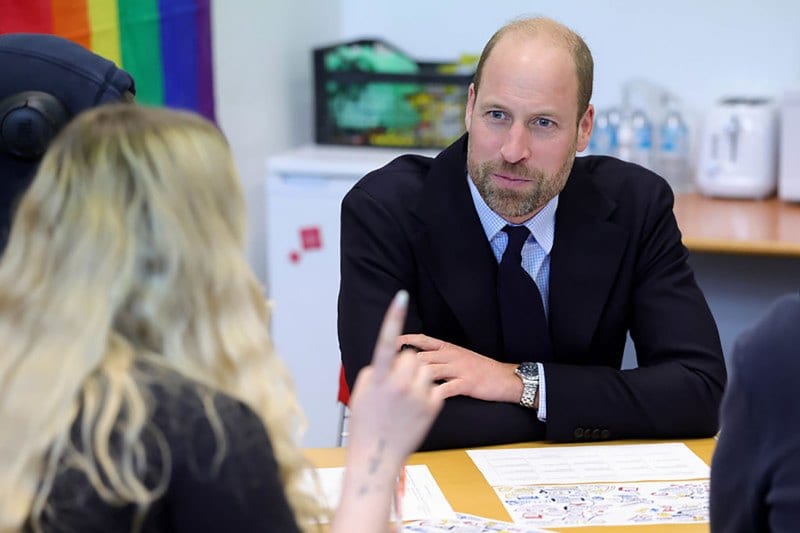
Although William inherited the estate in 2022, a professional team manages it day to day. That does not remove his wider responsibility as Duke of Cornwall, but it is important to distinguish between decisions made by the Duchy's management and actions taken personally by the Prince.
Another question is whether the criticism surrounding the sales has overshadowed the wider purpose of the proposed investment program.
The Duchy has outlined ambitions involving housing, environmental improvements and the long-term management of its land.
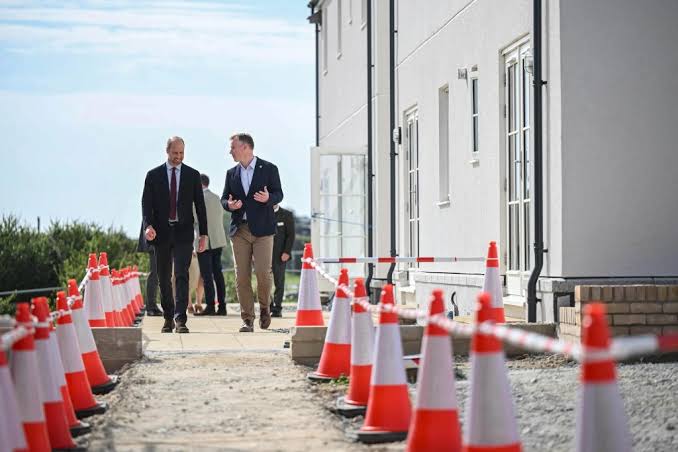
These plans may offer future benefits, but they do not remove the immediate uncertainty facing residents.
It is possible to recognize the potential value of reinvestment while also questioning whether the people affected by the sales are receiving adequate support.
The two arguments do not have to cancel each other out. Some may argue that William's commitment to tackling homelessness means the Duchy should be particularly careful about decisions that could place tenants at risk of displacement. Others may suggest that selling selected properties to fund wider improvements is a reasonable part of managing a large estate, provided residents are treated fairly.
Both perspectives raise questions about how the proposals are being handled.
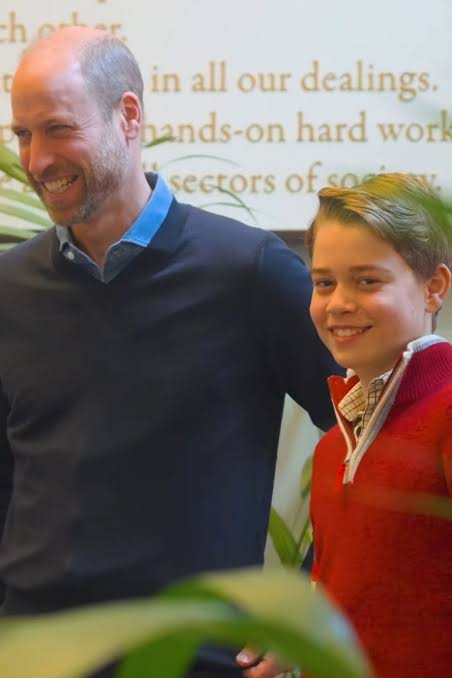
Ultimately, the issue is not simply whether Prince William should sell Duchy properties, but whether the wider investment plans can be delivered without leaving existing tenants facing unnecessary hardship.
The reported independent valuations are one step towards addressing residents' concerns, but the question remains what meaningful options will be available to those who cannot afford to buy their homes.
Rather than simply suggesting that William is making people homeless, or dismissing the concerns of tenants altogether, perhaps the focus should be on what is actually being offered, whether it is affordable, and how the Duchy intends to support those affected, likely via providing new homes if they cannot afford to buy them out.