Does King Charles's Caribbean Tour Show How the Commonwealth Is Changing?
EXCLUSIVE ANALYSIS: King Charles is currently in Guyana as part of his Carribbean Tour, but is this tour showing us how much the Commonwealth is changing?
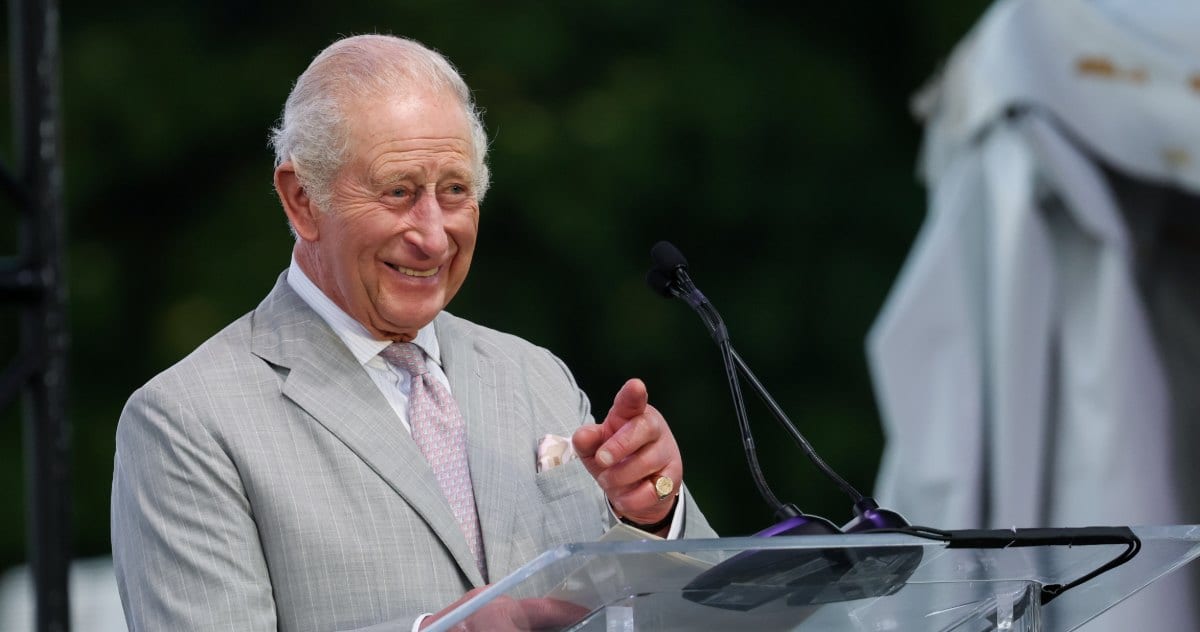


KING Charles is the Head of State of the United Kingdom and 15 of the Commonwealth countries, this is a role he holds above a Prime Minister or other elected officials in these countries.
Overall, 56 countries make up the Commonwealth of Nations, for which he is also the head; but crucially, he's not their head of state.
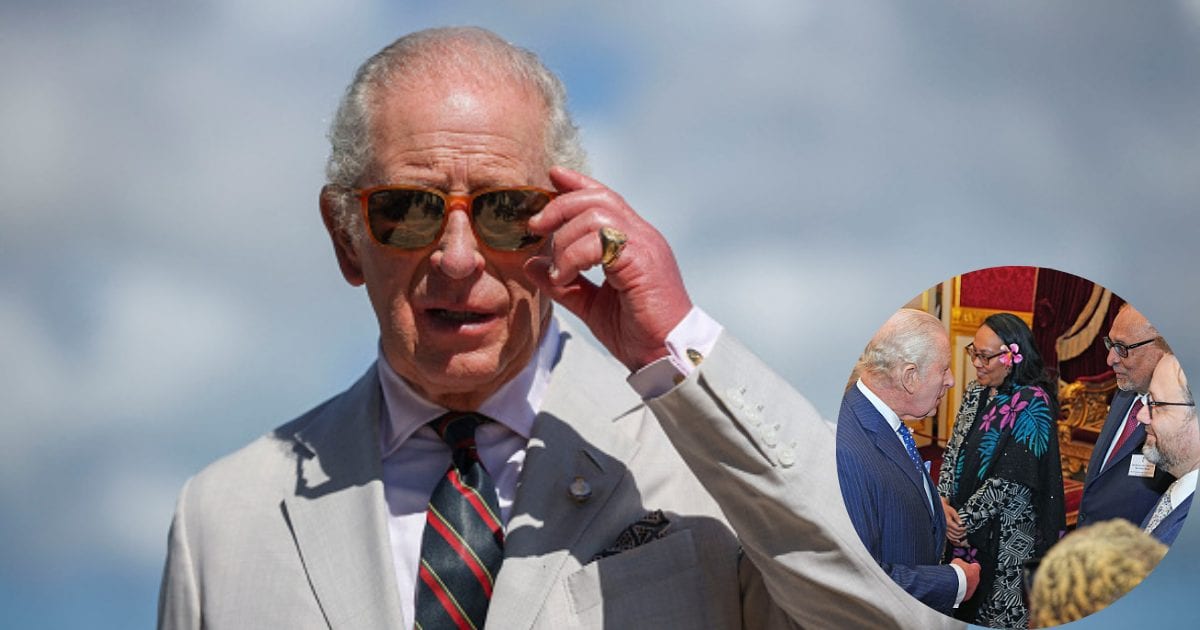
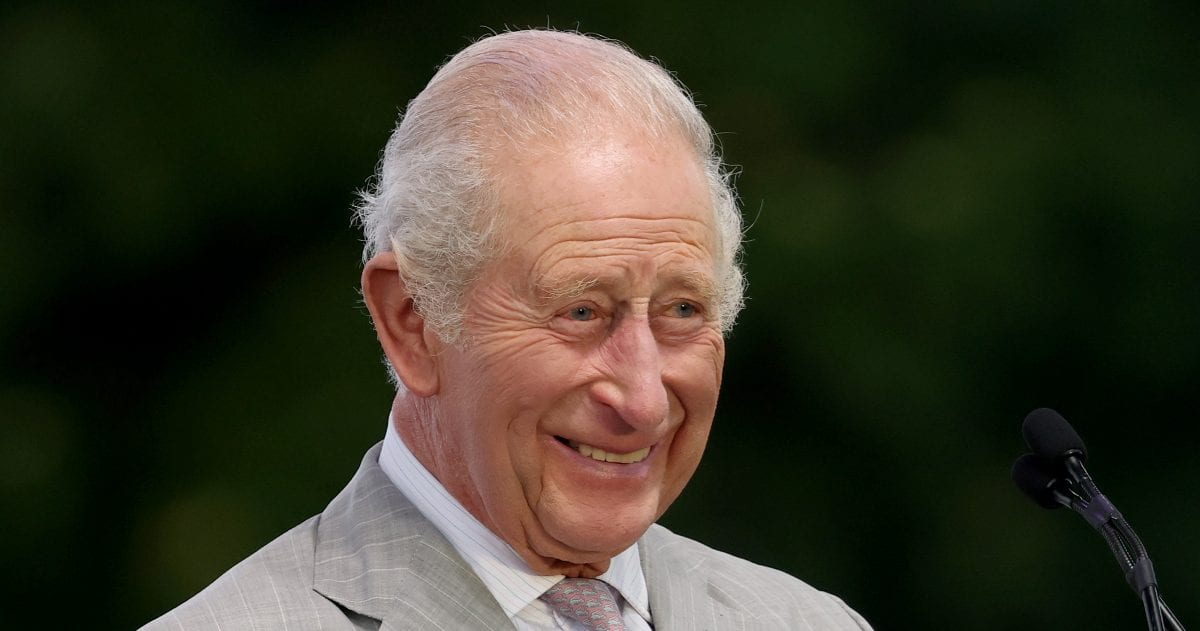
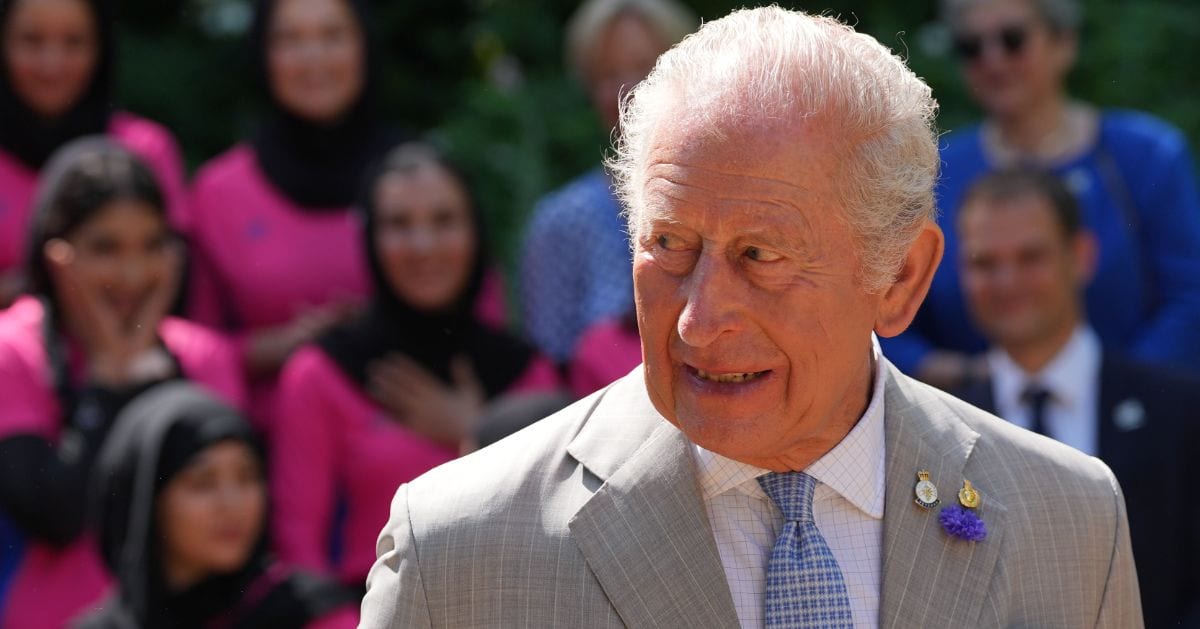
The King's current Caribbean tour includes The Bahamas, Guyana and Antigua and Barbuda, where he will attend the Commonwealth Heads of Government Meeting alongside Queen Camilla. Although all three countries belong to the Commonwealth, their relationships with the King are not the same.
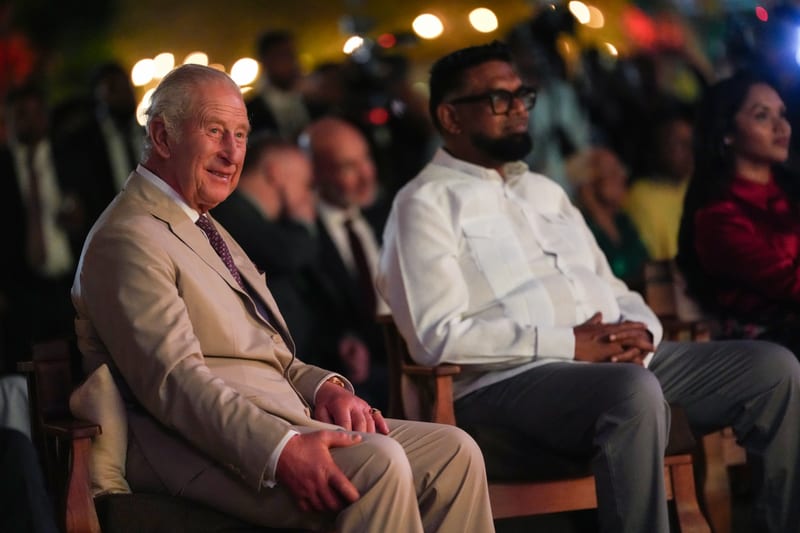
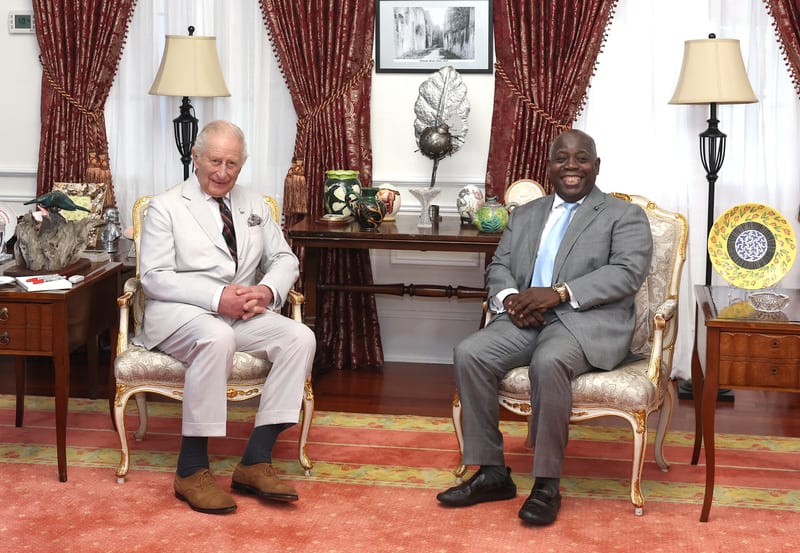
In The Bahamas and Antigua and Barbuda, Charles is Head of State. Both countries are independent constitutional monarchies, known as Commonwealth realms. Guyana, however, has its own Head of State, President Dr Mohamed Irfaan Ali, whom the King met on Thursday following his arrival in the country.
This highlights an important distinction that is sometimes misunderstood: the Commonwealth of Nations is not the same as the Commonwealth realms.
The Commonwealth of Nations is a voluntary association of 56 independent countries, including republics, constitutional monarchies and countries with their own monarchs. Of those 56 countries, just 15, including the United Kingdom, recognise King Charles as their Head of State. The remaining countries have their own constitutional arrangements, while Charles serves as Head of the Commonwealth, a separate, largely symbolic role that does not give him political authority over member nations.
Guyana provides an interesting example of how these relationships have developed. The South American nation gained independence from Britain in May 1966, initially retaining Queen Elizabeth II as Head of State. However, in February 1970, Guyana became a republic, replacing the monarch with a President while remaining a member of the Commonwealth. More than five decades later, the country continues to participate in the organisation, demonstrating that membership does not depend on retaining the British Crown.
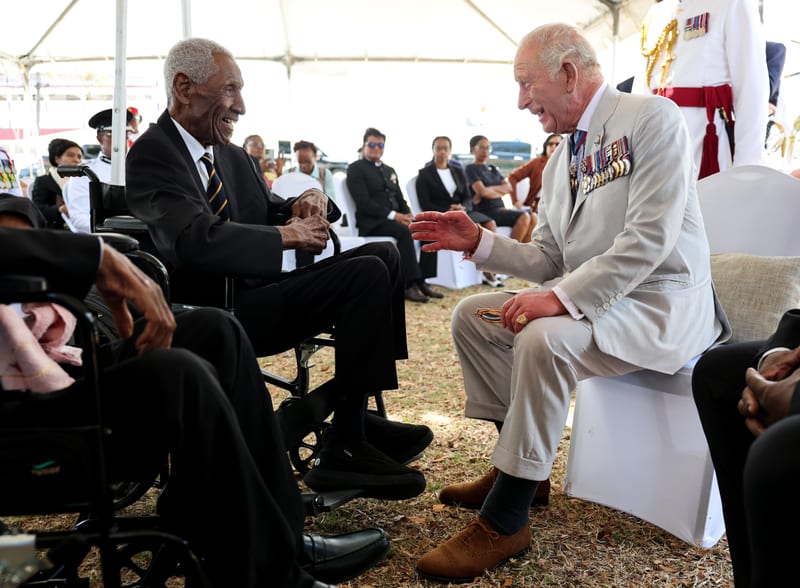
The King's visit is particularly significant as it marks 60 years of diplomatic relations between Guyana and the United Kingdom. Unlike his visits to The Bahamas and Antigua and Barbuda, where he is sovereign, Charles's journey to Guyana is formally a State Visit.
He is visiting at the invitation of President Ali and at the request of the British Government. In Guyana, Charles is therefore a visiting foreign Head of State rather than the country's monarch.
However, the visit comes at a potentially sensitive time for His Majesty, as Guyana's President has been among those calling for reparations over Britain's historical involvement in slavery. This could present a diplomatic challenge for the King, whose visit also highlights Guyana's culture, heritage, environmental achievements and longstanding relationship with the United Kingdom.
Although it is not known how King Charles personally views the current demands for reparations, it is important to remember that he was born more than a century after slavery was abolished across most of the British Empire. Of course, His Majesty bears no personal responsibility for any of the atrocities committed during that period.
Slavery was an appalling injustice, and its devastating consequences should never be forgotten or minimised. However, questions remain about whether people living today should be expected to bear financial responsibility for the actions of previous generations.
Britain has previously acknowledged and expressed regret for its historical role in slavery, although campaigners argue that these statements have fallen short of a formal apology and meaningful reparatory justice. Some may argue that further apologies and financial compensation are necessary to address the lasting consequences of slavery. Others may question how many generations should be held responsible for historical wrongdoing and whether reparations are the most appropriate way forward.
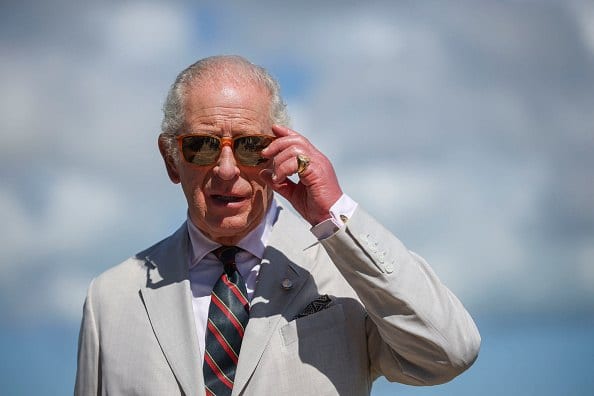
For the King, whose constitutional role requires him to act on the advice of the British Government, decisions concerning formal apologies or financial reparations are not even his to make independently.
While these difficult historical discussions deserve to be heard, the visit also provides an opportunity to celebrate Guyana's people, culture and achievements, and to recognise the relationship the two countries have developed since independence.
Guyana is not the only Commonwealth nation to have changed its relationship with the Crown. In November 2021, Barbados became a republic, replacing Queen Elizabeth II as Head of State while remaining a Commonwealth member. Charles, then Prince of Wales, attended the ceremony marking the country's constitutional transition.
The decision demonstrated that a country could end its constitutional relationship with the British monarchy without leaving the wider Commonwealth. It also raised questions about whether other Caribbean realms might consider similar changes.
Jamaica has pursued discussions and proposals concerning a transition to a republic, while debates about the monarchy's constitutional role have taken place elsewhere in the region. During the King's current tour, Bahamian Prime Minister Philip Davis has also indicated that he would be open to the country becoming a republic.
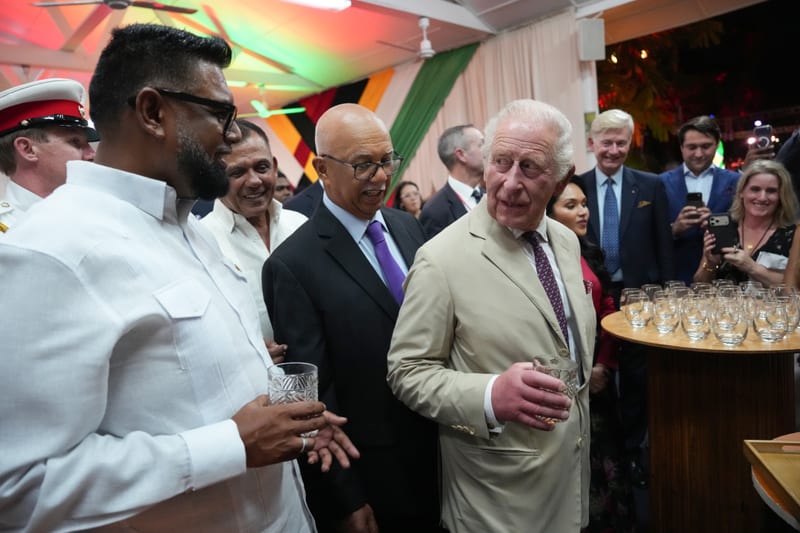
However, any such change would require a domestic constitutional process. These discussions do not necessarily mean that every Commonwealth realm is preparing to remove the monarch. Each country has its own political circumstances, public opinion and constitutional requirements, and decisions about its Head of State ultimately belong to its people.
There's also an important difference between supporting the Commonwealth and supporting the monarchy. Someone may favour their country remaining in the Commonwealth while believing it should become a republic. Equally, others may wish to retain the monarch because of tradition, constitutional continuity or their support for the existing system. The two questions should not automatically be treated as the same.
So, what does all of this tell us about the Commonwealth? Perhaps it shows how the organisation continues to develop. Countries may have different traditions, cultures and constitutional arrangements, but they can still maintain close relationships and work together towards shared goals.
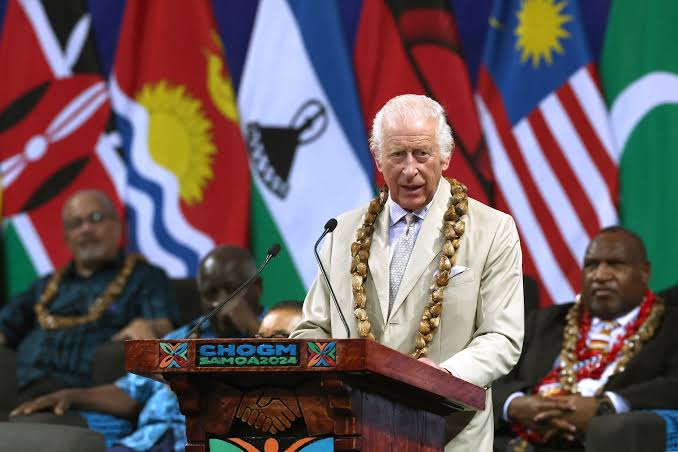
The Commonwealth is not simply about having the same monarch. It is also about remaining connected through our different nations, respecting our cultures and traditions, and working together on issues such as education, environmental protection and helping those in need.
And while some countries may choose to become republics, that does not necessarily mean they want to end their relationship with the Commonwealth, The King or the United Kingdom.
Ultimately, the King's tour highlights how the Commonwealth can continue to bring countries together despite their differences in culture and traditions, while allowing each nation to decide its own future. Whether a country chooses to retain the monarch or become a republic, the shared connections, friendships and opportunities to work together can continue. Perhaps that is one of the most important things this tour demonstrates.