Ten Years After Their First India Visit, How William and Catherine Are Redefining the Monarchy
EXCLUSIVE ANALYSIS: From royal tours and family life to Earthshot, Hollywood and a new generation, the Prince and Princess of Wales have evolved considerably over the past decade.
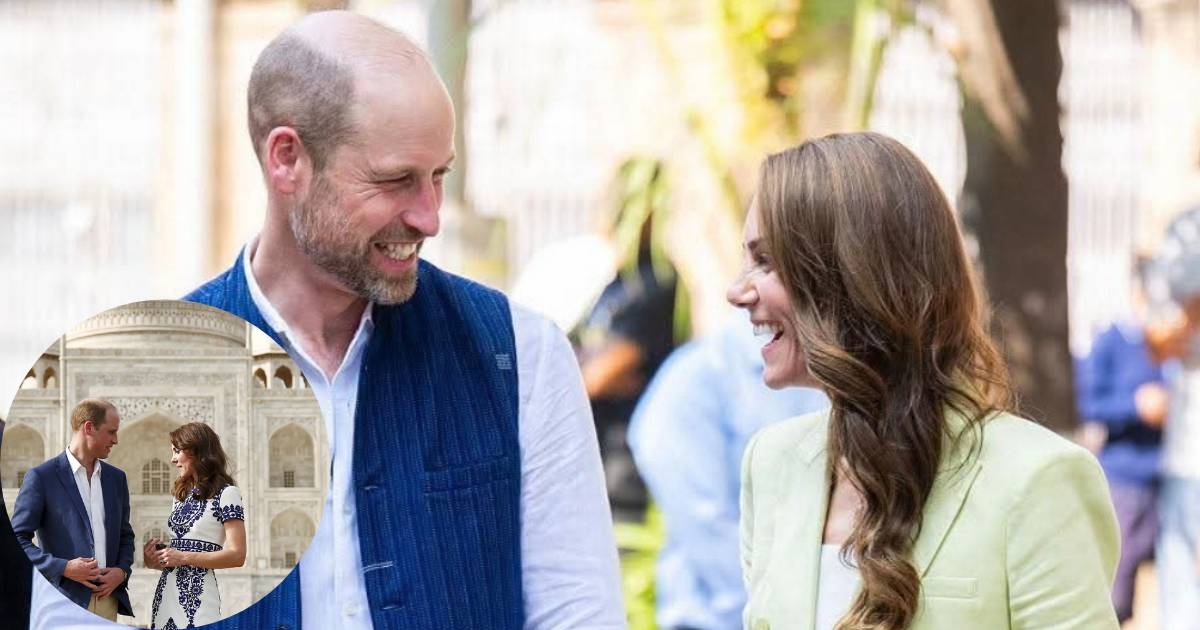


PRINCE William and Catherine have returned to India a decade after their first official visit in 2016.
But while the familiar sights of cricket, famous faces and royal engagements remain, ten years on, the couple are taking on very different responsibilities from those they held a decade ago.
In April 2016, William and Catherine arrived in Mumbai as the Duke and Duchess of Cambridge, embarking on a seven-day tour of India and Bhutan.
At the time, William was second in line to the throne, while Catherine was still somewhat establishing herself as a senior member of the firm just five years after their wedding. The couple were also parents to two very young children, Prince George, then two, and Princess Charlotte, who was approaching her first birthday. Their visit included engagements highlighting conservation, children's welfare, culture and the longstanding relationship between Britain and India.
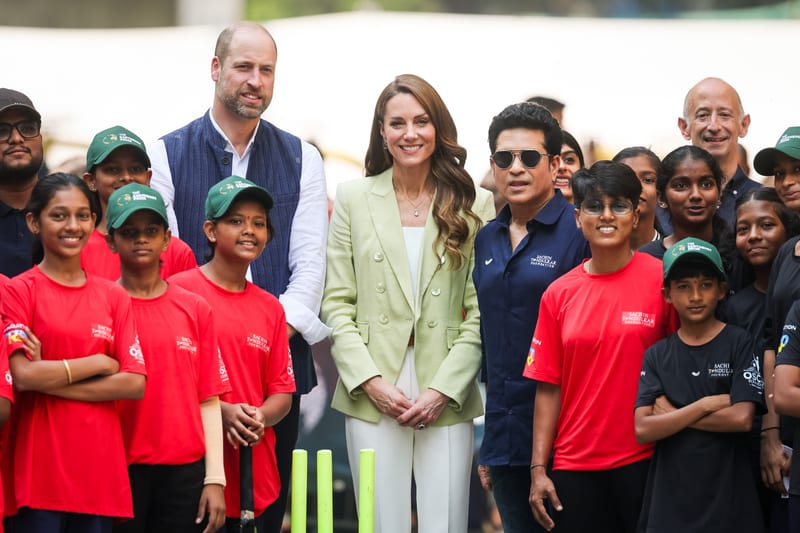
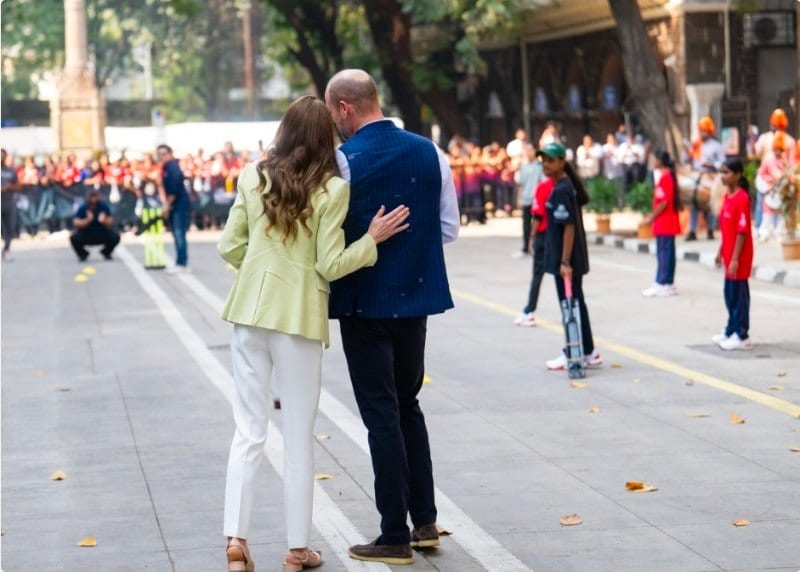
Ten years on, William and Catherine returned to Mumbai, where engagements might carry a similar feel, but their position is entirely different. Together, they once again played cricket with children alongside Indian sporting legend Sachin Tendulkar. William had also reunited with Tendulkar during an impromptu cricket engagement on The Mall in October.
The Prince also impressed during a special Earthshot Prize assembly by speaking Hindi, demonstrating his efforts to connect with his hosts. The engagements brought back memories of their first visit, but the wider purpose of their return reflects how considerably their roles have changed.
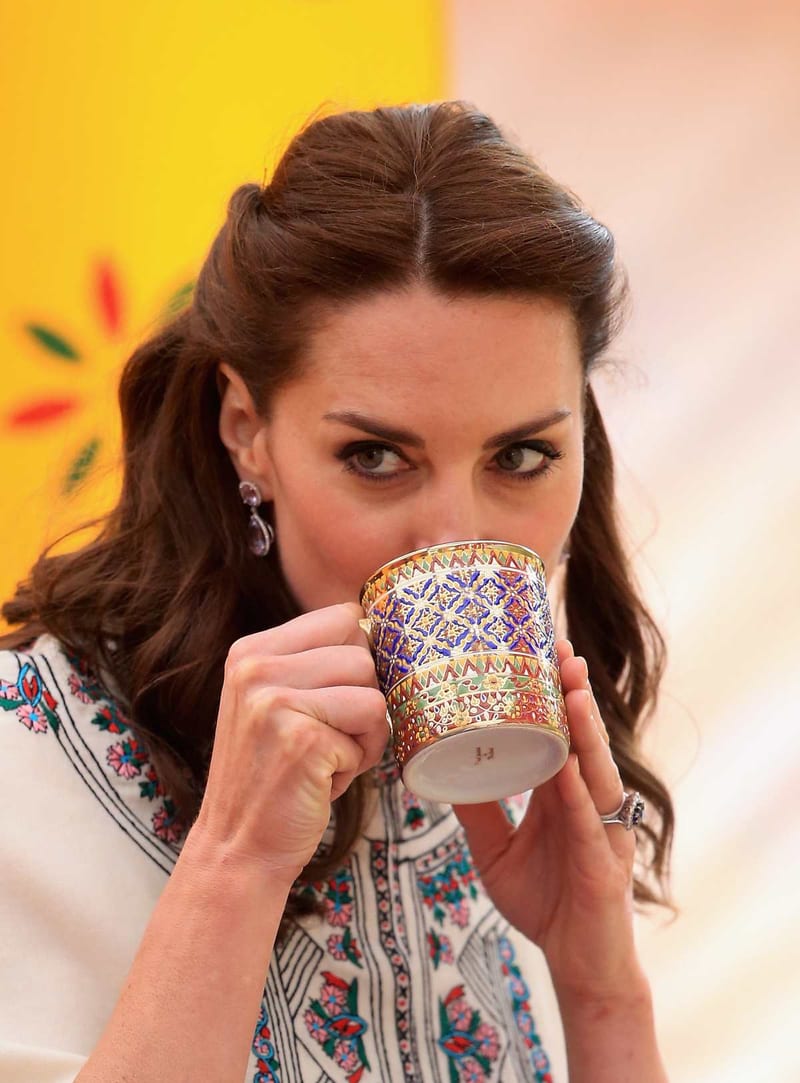
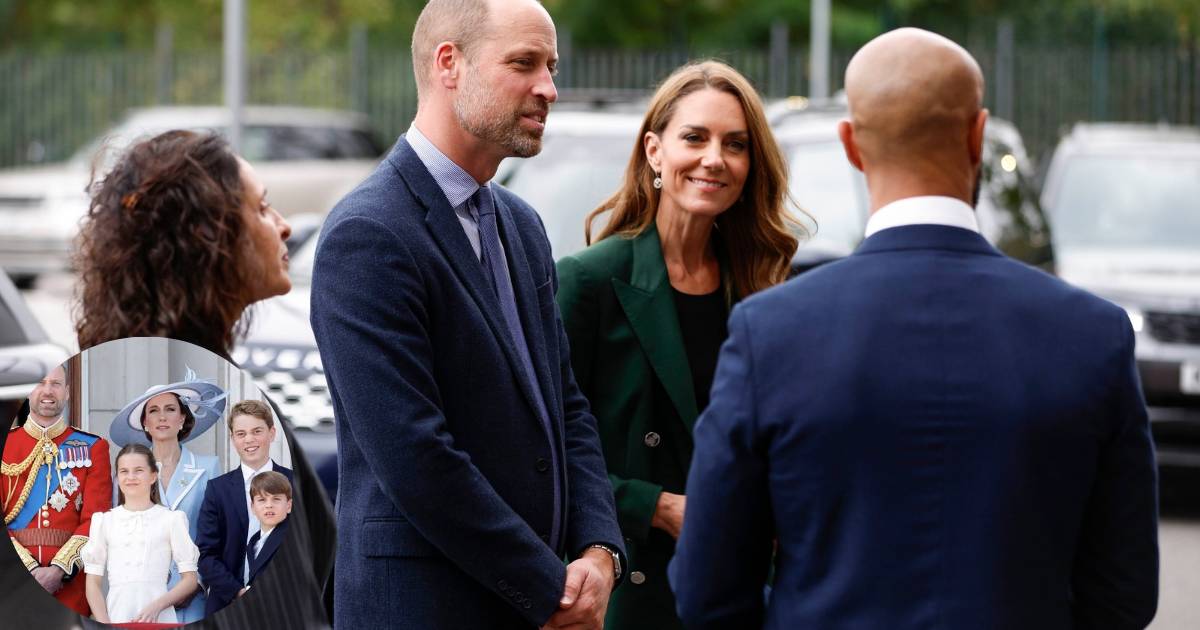
William is now the Prince of Wales and heir to the throne, while Catherine is preparing for her future role as Queen. And perhaps the most interesting difference is not simply their titles, but how they are beginning to shape the monarchy they will one day lead.
In 2016, the couple were primarily carrying out engagements on behalf of Queen Elizabeth II. Today, they are increasingly developing their own initiatives, supporting long-term projects and using their public profiles to bring attention to causes they believe can make a meaningful difference.
One of the clearest examples is The Earthshot Prize. Founded by William in 2020, it aims to identify, celebrate and support innovative solutions to some of the world's greatest environmental challenges.
Each year, five winners receive £1 million to help develop their ideas, bringing together scientists, entrepreneurs, investors and organisations working towards a more sustainable future.
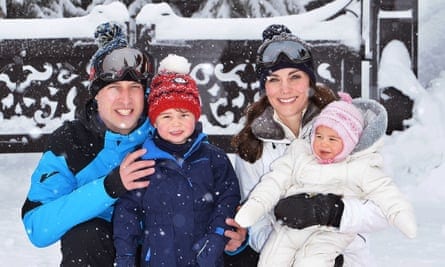
However, what makes Earthshot particularly interesting is how William has chosen to communicate its message. Rather than relying solely on traditional royal speeches or formal engagements, the Prince has increasingly embraced the entertainment industry and popular culture to bring environmental issues to wider audiences. In October, William made a surprise appearance on The Graham Norton Show, joining actress Cate Blanchett, wildlife conservationist Robert Irwin and actress Hannah Waddingham.
It was an unusual setting for a future King, but perhaps that was precisely what made the appearance significant.
Instead of delivering a formal speech from a palace, William sat alongside familiar showbusiness personalities, discussing his environmental ambitions while sharing lighter details about his personal interests.
For younger generations who may not regularly follow royal engagements, seeing the future King on a popular entertainment programme could make his work more accessible.
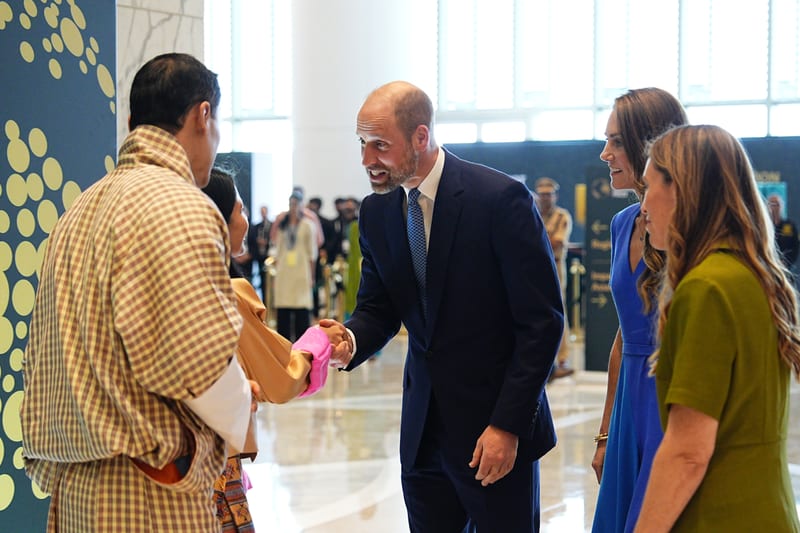
Earthshot's connections with the entertainment industry have also become an important part of its international profile, with actors, musicians and television personalities helping to bring environmental innovation to audiences beyond those traditionally interested in conservation.
Nevertheless, involvement of well-known individuals alone cannot guarantee environmental progress. Earthshot's long-term success will depend on whether the solutions it supports can expand and make a measurable difference.
The importance of reaching younger generations is also becoming increasingly apparent.
The inaugural Children's Earthshot Awards in India aim to recognise young people aged between nine and 17 who have developed ideas to address environmental challenges. By encouraging children to become involved, Earthshot demonstrates that environmental responsibility is not something reserved for scientists, politicians or major businesses.
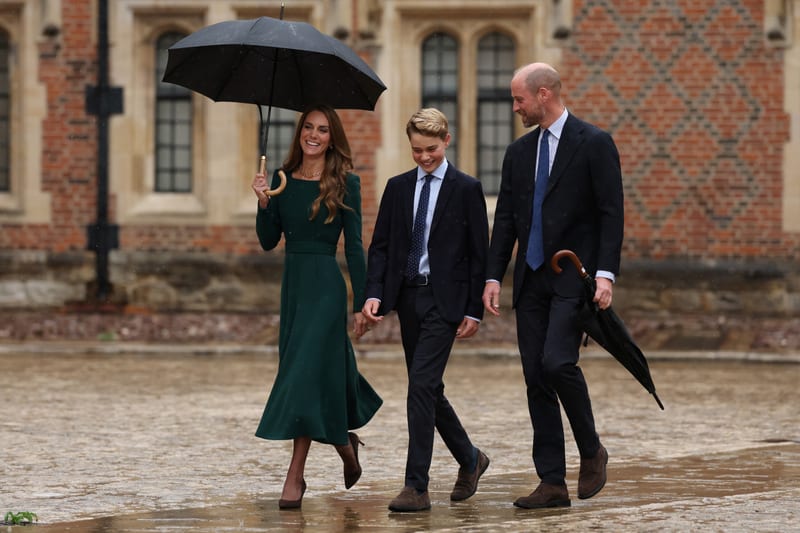
Life for the Wales family away from their public roles also looks considerably different from a decade ago.
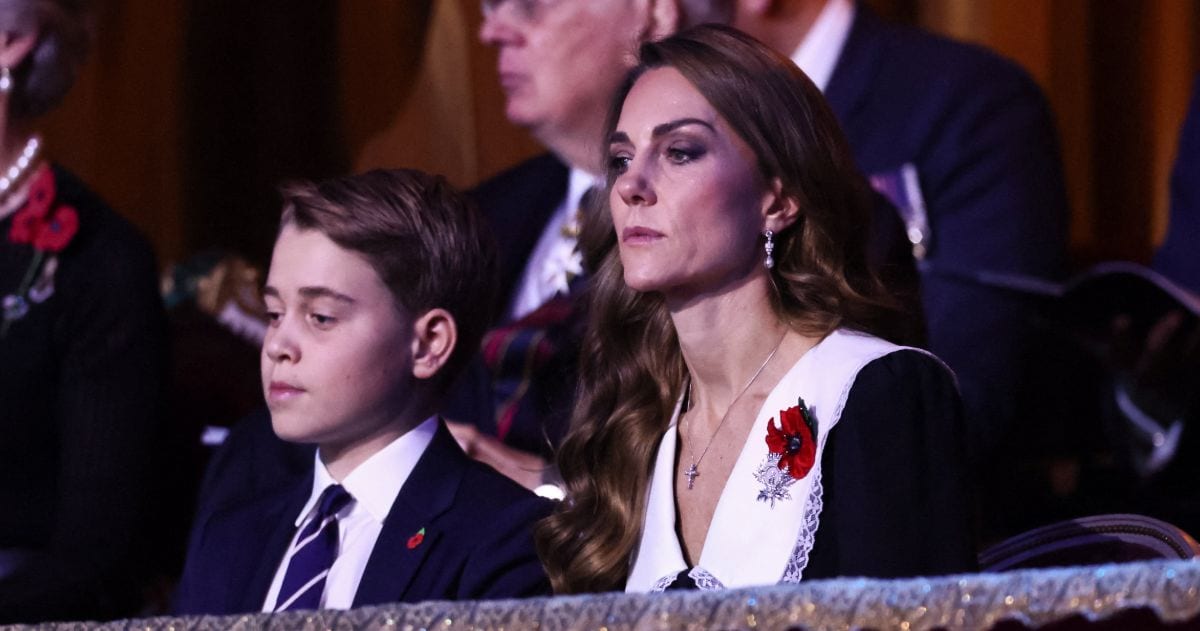
Prince George, now 13, has started at Eton College, where he is a full-time boarder. This means spending much of the school term away from home, although boarding pupils have opportunities to see their families during holidays, sports matches, plays, school events and designated leave weekends.
Meanwhile, 11-year-old Princess Charlotte, is fast approaching the final years at Lambrook School, with decisions about her future education becoming increasingly relevant. Whether she will eventually follow her older brother into boarding education has not been publicly confirmed.
And of course Prince Louis, who was not even born when his parents first visited India, is now eight years old with a profile that grows by the day.
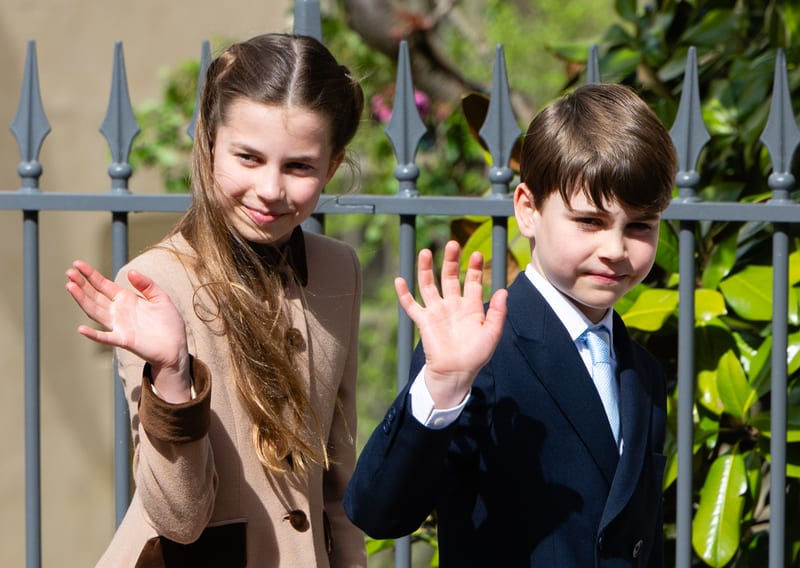
The couple are therefore balancing their growing royal responsibilities with a very different stage of parenthood, from Louis's primary education to George's transition into secondary school.
William has previously spoken about George's concern over litter, explaining how his eldest son became frustrated after noticing rubbish returning to an area he had helped clean.
It offered an insight into how environmental issues are already part of conversations within the Wales household. And while George, Charlotte and Louis are still children, their parents' interests may help shape their understanding of public service as they grow older.
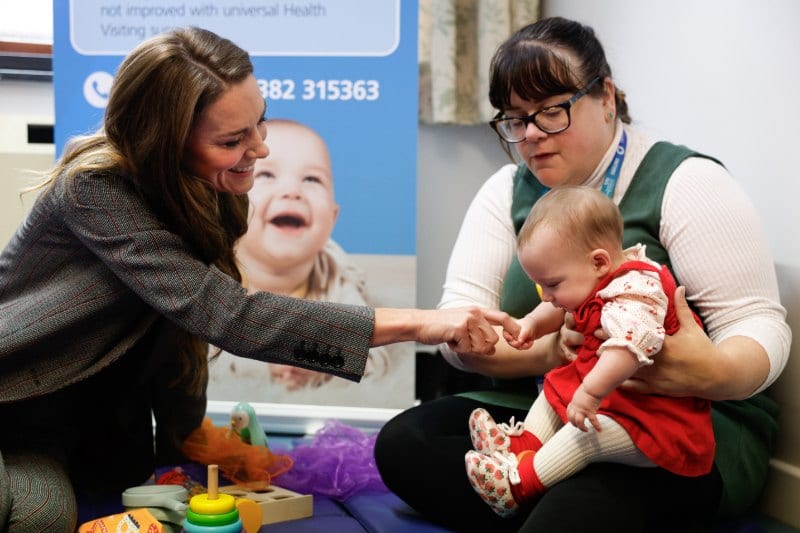
Catherine's role has also evolved considerably since the couple's first visit to India.
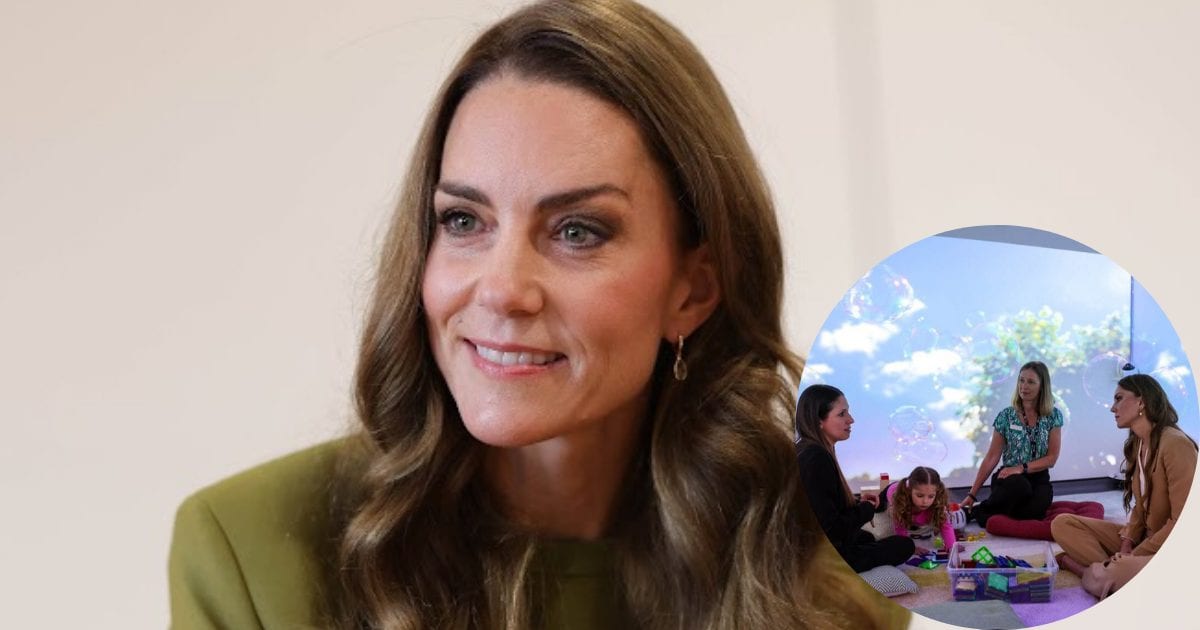
In 2016, she was still developing her charitable interests while today, the Princess has become closely associated with early childhood development, emotional wellbeing and supporting families.
Through The Royal Foundation Centre for Early Childhood, Catherine has worked to raise awareness of how early experiences, relationships and supportive environments can influence development and wellbeing throughout life.
Both are concerned with the future. While William supports solutions that could help protect the planet for generations to come, Catherine is highlighting the importance of giving children the strongest possible foundations for their future lives.
Another important development is their willingness to support projects responding directly to the needs of individual communities.
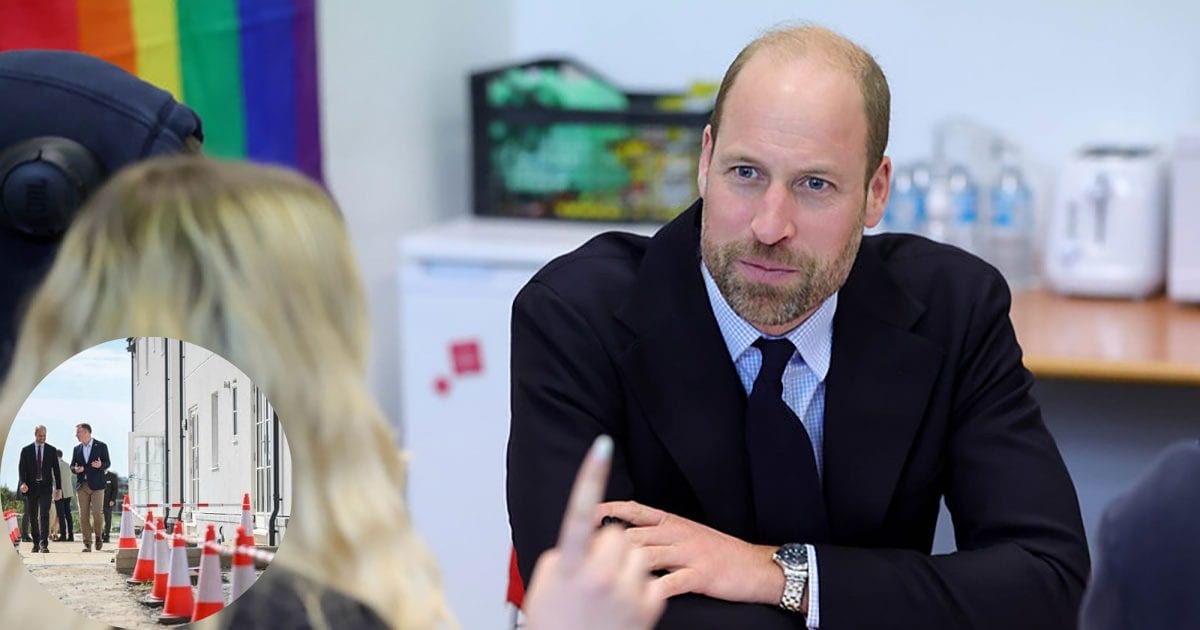
William's Homewards programme, launched in 2023, aims to demonstrate that homelessness can be prevented and ended through collaboration between local organisations, businesses and public services.
More recently, William and Catherine have privately supported a rural mental health initiative in Norfolk, working with Norfolk and Waveney Mind to improve access to support for local residents. What many are starting to really notice is that William and Catherine appear to be developing their own methods of delivering that support, reflecting the challenges, priorities and communication habits of an ever-changing society.