Prince George Enters Eton Under a New Era of Royal Privacy for Children
EXCLUSIVE ANALYSIS: The eldest son of the Prince of Wales begins his time at secondary school under in a new era
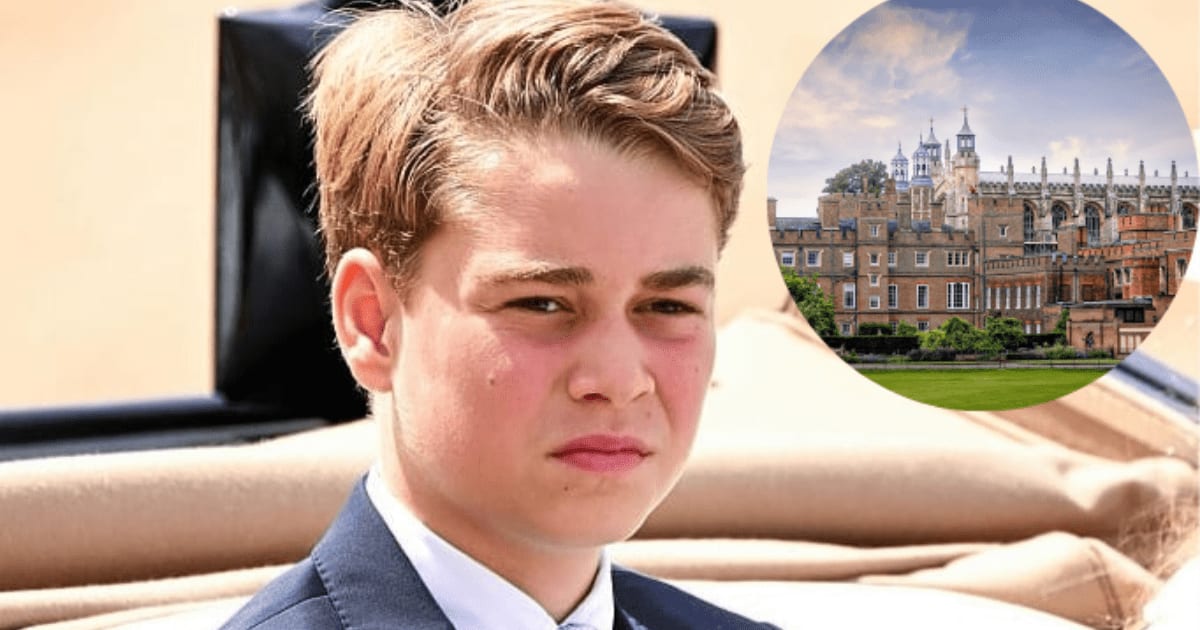


AS media interest builds around 13-year-old Prince George's move to Eton, there are significant protections surrounding George and, importantly, every other pupil at the school.
Eton presents a somewhat unusual environment than other schools because the College forms a significant part of the surrounding town, with pupils regularly moving between buildings and other locations. But Prince George's arrival raises a much wider question about how the media should approach the children of the Royal Family - particularly when legitimate public interest in a future King meets the privacy of a growing young teenager. The contrast with Prince William's own arrival at Eton more than three decades ago is striking. The Prince of Wales began at the school in September 1995, when he was also 13-years-old. His arrival became an iconic royal media moment. Hordes of photographers and television cameras recorded every second of the arrival of the young Prince alongside his parents, Charles and Diana, accompanied by his younger brother Prince Harry. Pictures of William dressed in his traditional Eton school robes were subsequently circulated to the world.
His own son is now preparing to follow in his footsteps as he is enrolled in the same school, but George is growing up within an environment of a profoundly different relationship between the monarchy and the media, and that change did not happen overnight. Princess Diana's children spent much of their childhood surrounded by enormous press interest, intensified by the extraordinary attention directed towards their late mother. Their childhoods unfolded during an era when members of the Royal Family were routinely followed and photographed in circumstances that would attract considerably greater scrutiny today.
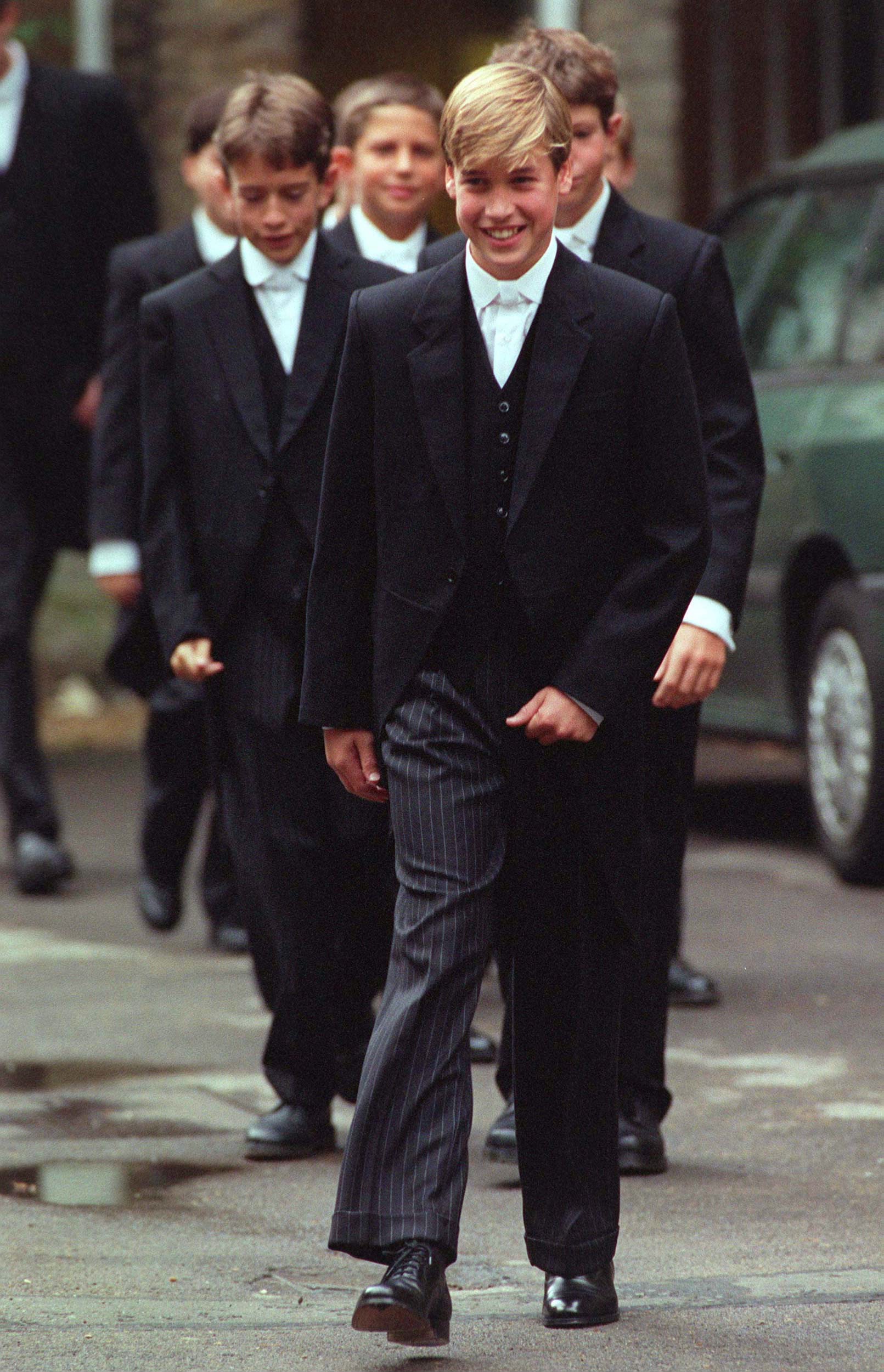
Prince William has consequently experienced both sides of that relationship: growing up as the child being photographed with the impending sense of duty and responsibility and now raising children who attract enormous international attention themselves. But the Prince and Princess of Wales have not completely removed their children from public view, far from it.
Prince George, 13, Princess Charlotte, 11, and Prince Louis, eight, appear at carefully selected royal and national occasions. The public sees them at events including Trooping the Colour, Christmas at Sandringham and other major ceremonial moments. William and Catherine also periodically release photographs of their children.
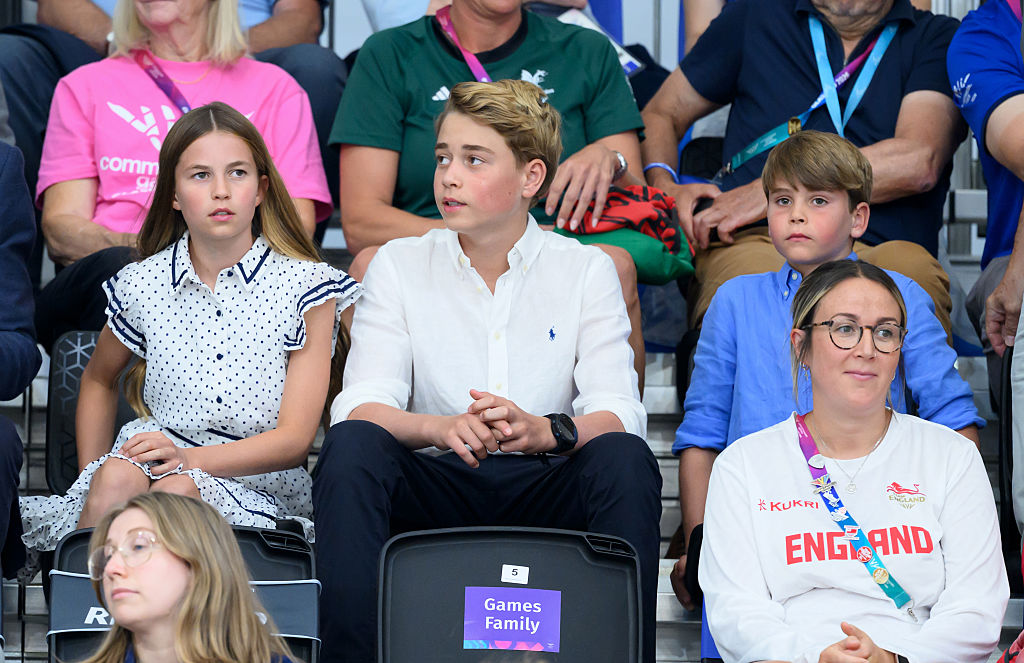
It creates a distinction which has become increasingly important to the way the Wales children are covered, especially as the institution has to adapt the traditional ways of operation in an age of social media. When George attends a major royal occasion, he is appearing publicly as Prince George, second in line to the throne and a future King. When he goes to school, he is also a 13-year-old boy called 'George Wales' receiving an education like other children his age. Both things can be true simultaneously. His constitutional future undoubtedly creates legitimate public interest in significant stages of his life. His choice of school is newsworthy, as is the fact that he is following his father to Eton. But knowing where a future King is being educated does not mean the public requires a photographic record of his ordinary school day.
There remains enormous demand for photographs and information about members of the Royal Family, and social media has created a somewhat insatiable appetite for content, 24 hours a day, seven days a week. Yet alongside that demand has developed a much stronger understanding of privacy, safeguarding and the boundaries that should surround children. Being born royal does not and should not cancel a full childhood. For George, that is particularly significant because his public responsibilities will eventually be unlike those of almost any other child in Britain. If the monarchy continues as expected, his life will progressively become more public as he grows older and eventually undertakes official duties as plenty of opportunities for the cameras.
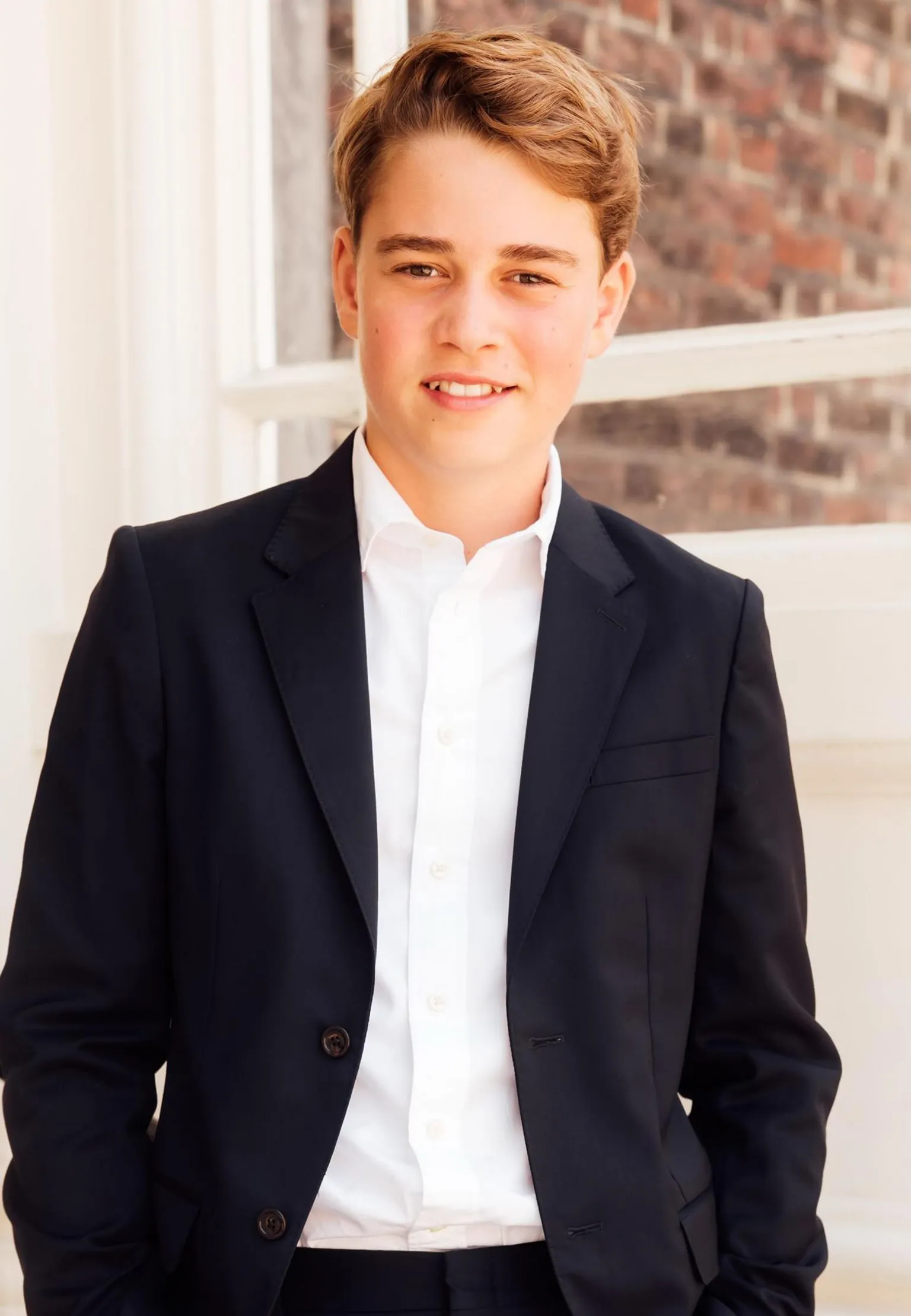
But until then, school shouldn't be one of those moments where he's consistently filmed and pictured simply because he is a prince. Perhaps that is the biggest difference between the experiences of William and Harry and the childhood now being created for George, Charlotte and Louis, as the modern Royal Family has had decades of experience from which to learn. Prince William knows personally what intense media attention feels like for a child. But as the culture of the world has progressed - particularly following the death of Princess Diana - the press has also developed clearer professional standards governing how children should be approached, photographed and reported upon.
That does not mean the future should become unquestioning or that legitimate stories involving royal children with a public interest should never be reported. Prince George is a future Head of State and his upbringing, education and gradual introduction to royal life will inevitably remain subjects of legitimate journalistic interest - but that should never require unnecessary intrusion.
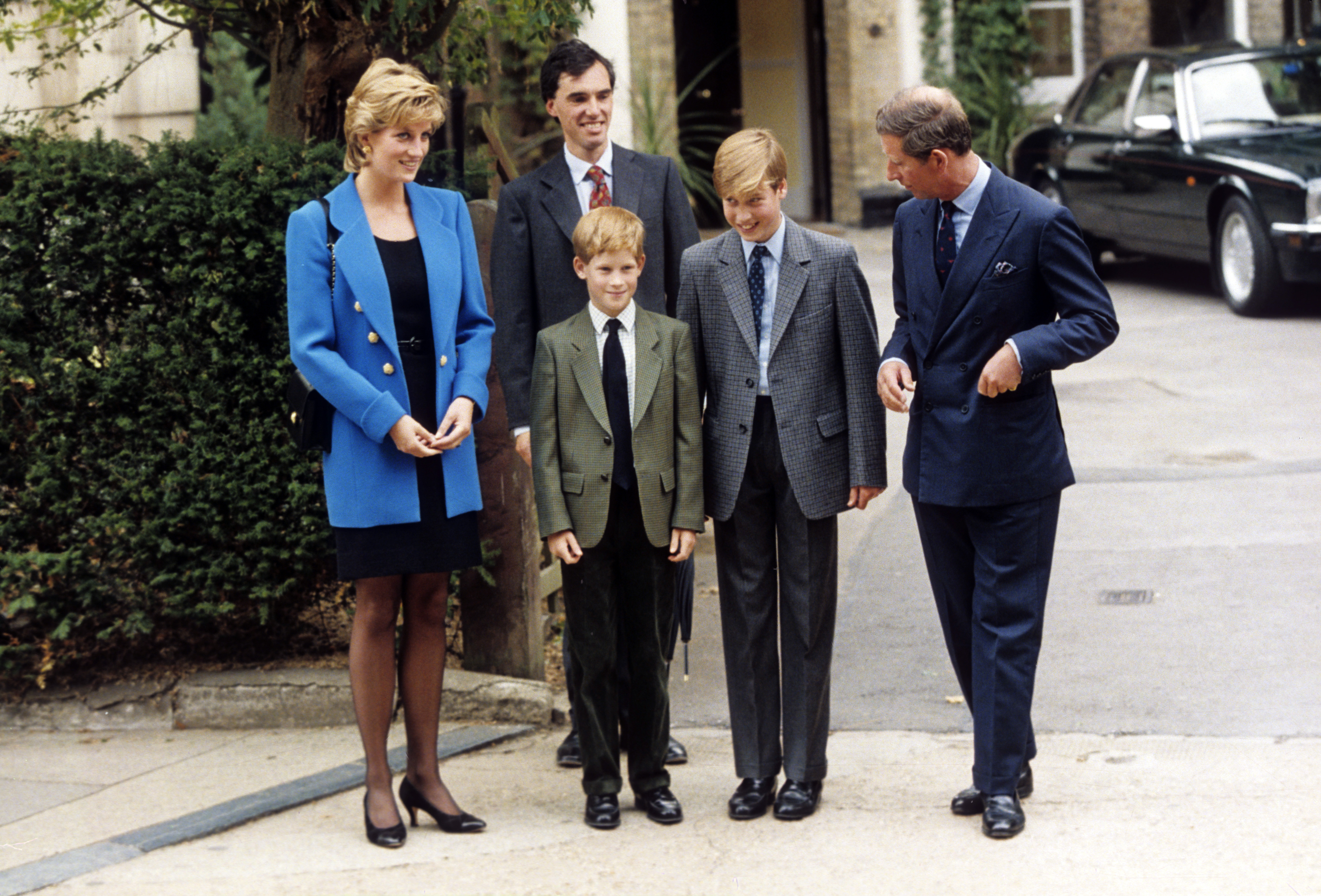
Thirty-one years after cameras recorded William beginning his Eton education, his son's first days at the same school could look considerably quieter, with the Daily Express reporting that only one or two cameras from family photographers and videographers could capture the necessary content of George's first day instead of the wider press. Perhaps that would not represent the press missing the story as the assets are circulated. Instead, it would demonstrate that both the monarchy and the media have evolved and learned from the past.