The Royal Family’s French Connection Is More Important Than You Think
EXCLUSIVE ANALYSIS: This Royal family has used linguistics to their advantage when it comes to diplomacy on the world stage
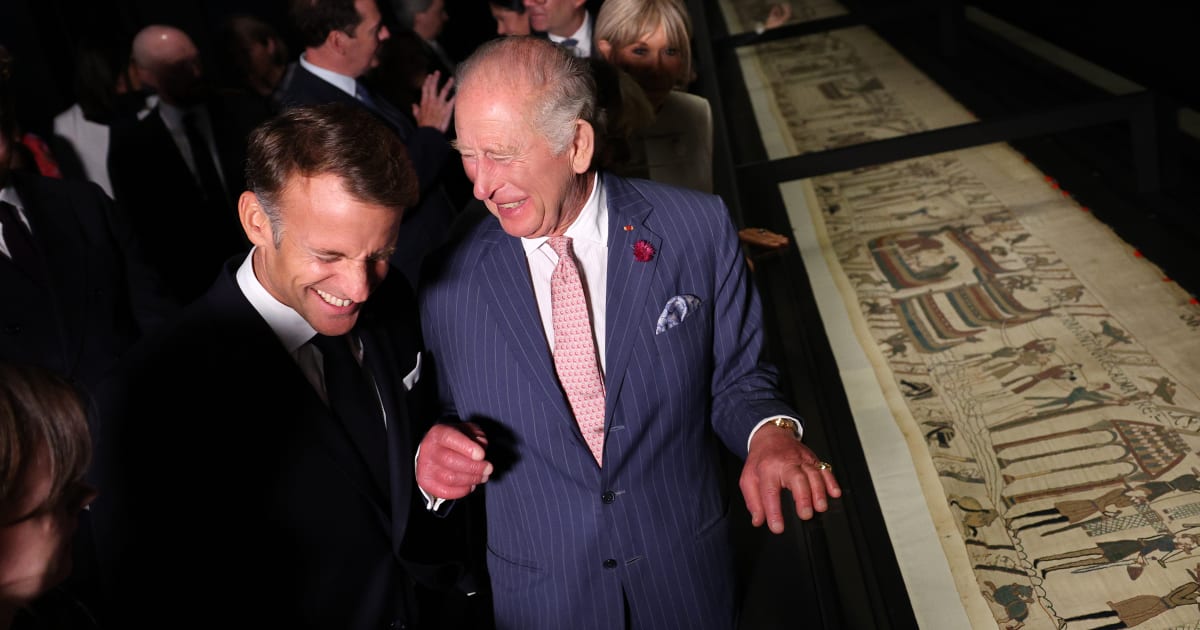


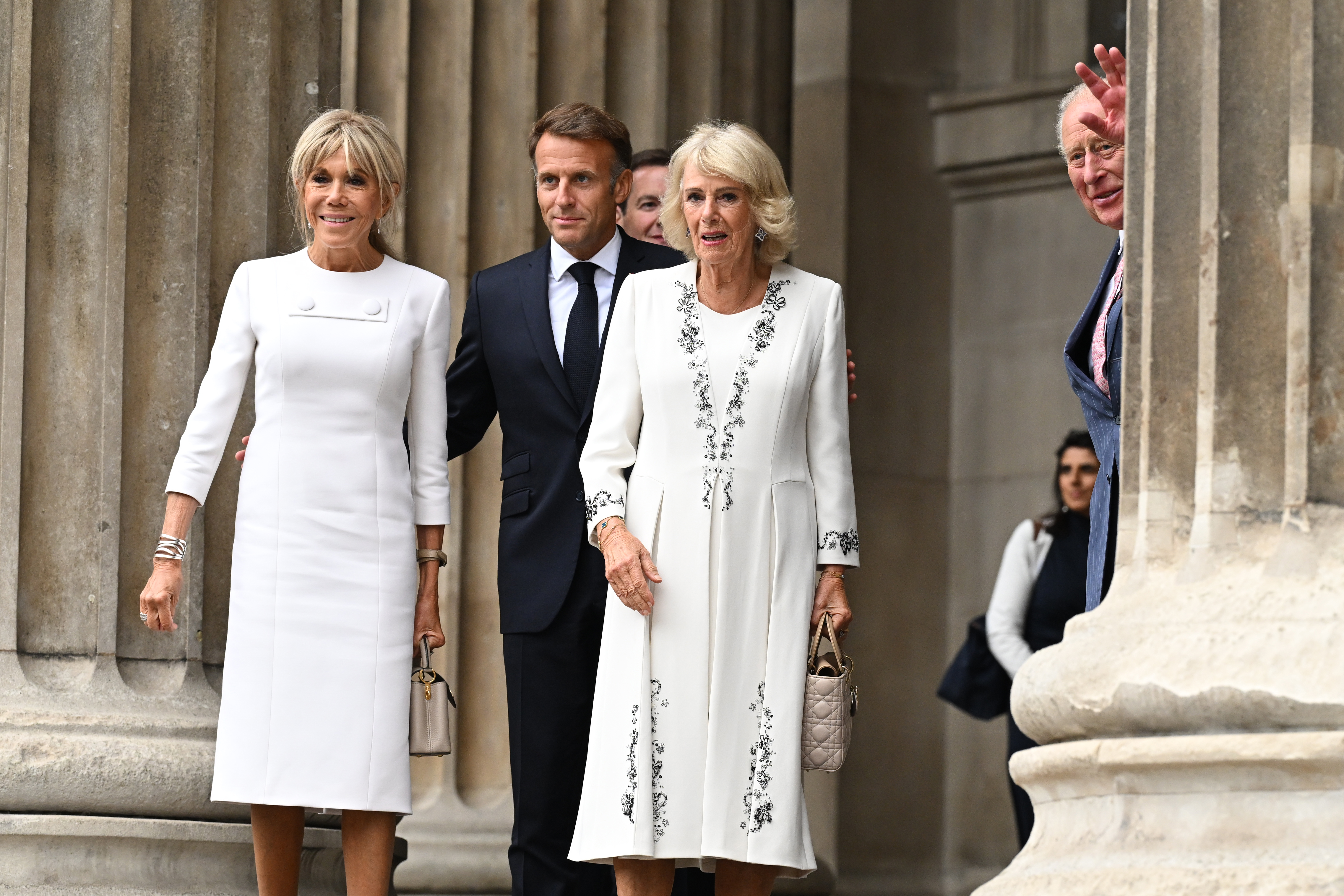
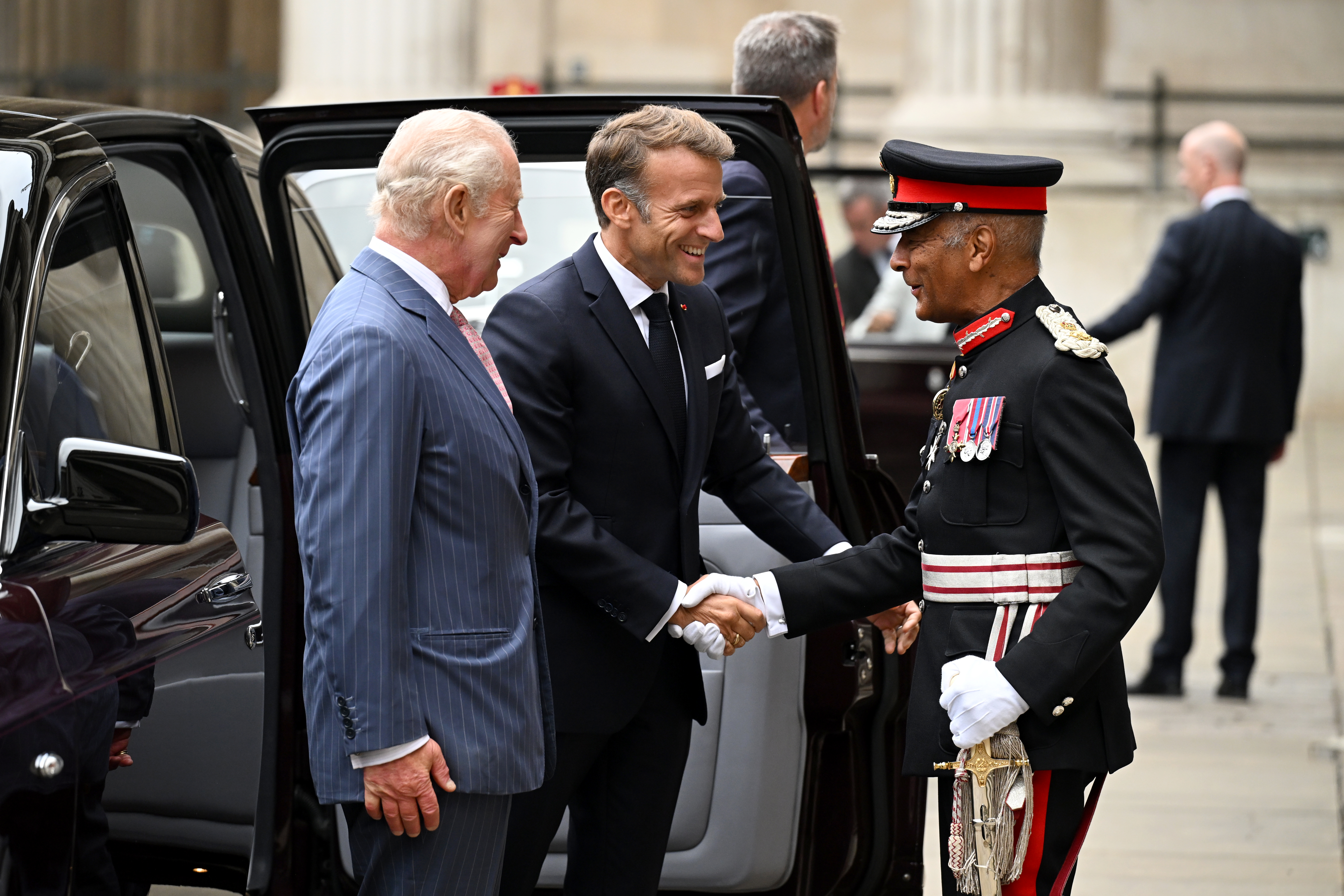
In an era of transactional politics and heavily scripted soundbites, true diplomacy often relies on nuance, cultural empathy, and the willingness to step beyond formal protocol. When King Charles III took the podium at the British Museum alongside French President Emmanuel Macron for the historic unveiling of the Bayeux Tapestry on September 2, 2026, his choice of language spoke louder than any diplomatic communique. Delivering remarks in fluent French, the King once again demonstrated that linguistic dexterity is one of the most potent soft-power tools in the modern constitutional arsenal.
But this was no isolated flourish. Observers of contemporary statecraft will recall the King’s remarkable state visit to France from September 20 to 22, 2023, highlighted by his historic address to the French Senate and members of the National Assembly in Paris on September 21, 2023, where he effortlessly transitioned between French and English, disarming lawmakers and capturing the imagination of the French public. Similarly, during President Macron’s state visit to the UK, the mutual respect was underscored by an institutional fluency that bridged the Channel long before any policy papers were signed.
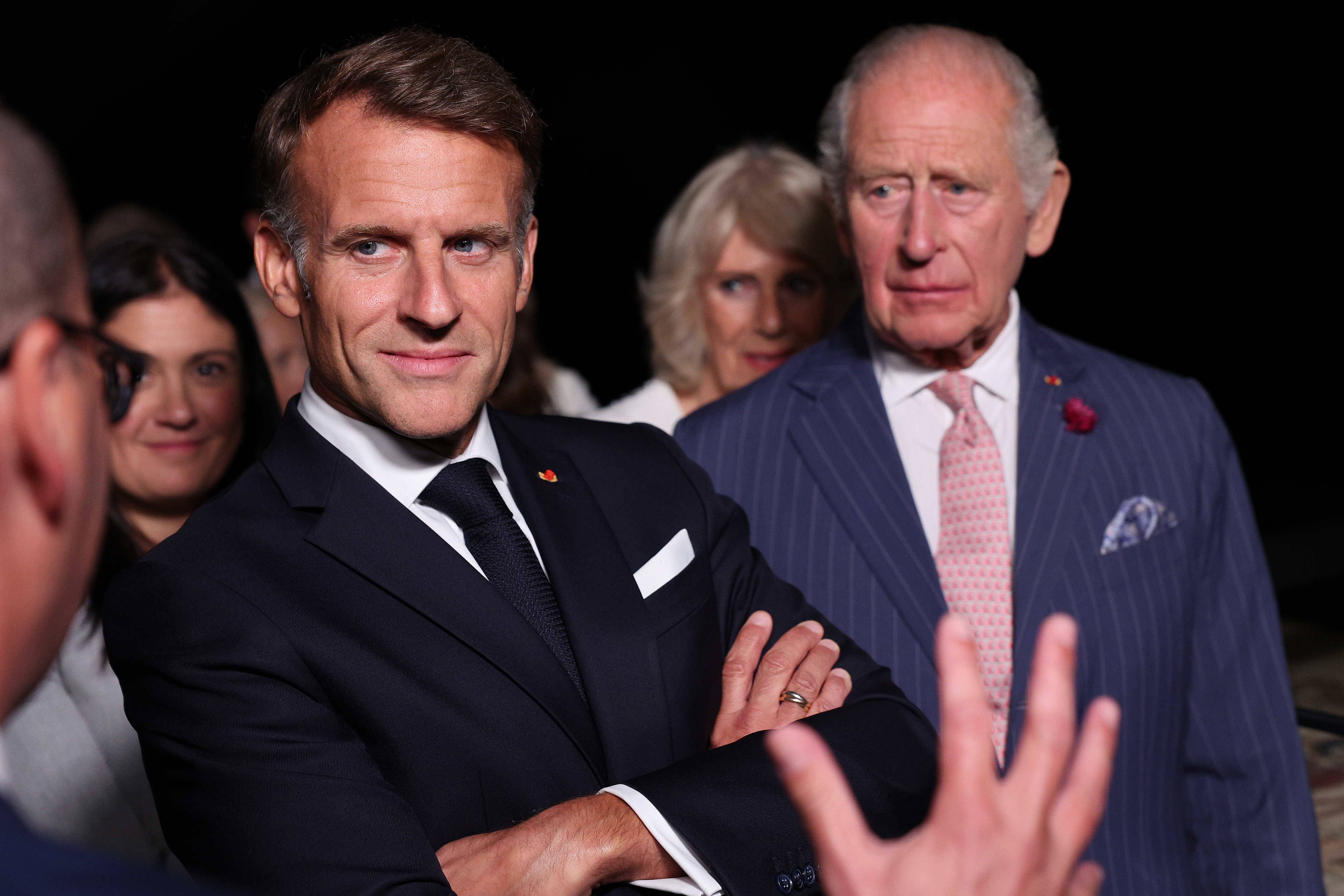
Yet, this cross-Channel mastery is more than a personal trademark of the current sovereign; it is part of a storied dynastic tradition. Queen Elizabeth II was famously bilingual, having been meticulously educated in French by private tutors and governesses in her youth. Throughout her historic seventy-year reign, her command of the language served as an invaluable diplomatic bridge, whether she was addressing the Canadian parliament or hosting European statesmen.
Monarchy operates on symbols, shared heritage, and generational continuity. But as we look past the current reign, a subtle linguistic deficit threatens to emerge. While the King commands the language of our nearest neighbour with effortless grace, the next generation presents a different picture. Prince William’s French is functional and serviceable—delivered with a distinct, charmingly British accent and on rare occasions put to use for overseas audiences or in specialized interviews, such as past engagements touched upon by French outlets like Point de Vue—yet it lacks the effortless, near-native fluency of his father and grandmother.
This brings us to the youngest generation: Prince George, 13, Princess Charlotte, 11, and Prince Louis, seven. As they progress through their education, ensuring they cultivate more than just a passing schoolroom acquaintance with French is vital. If the modern British monarchy wishes to retain its unique edge in European soft power, linguistic heritage cannot be allowed to quietly fade away.
The temporary return of the Bayeux Tapestry to British soil - nearly a thousand years after the events it depicts - is a monumental milestone in cultural diplomacy. To stand before a masterpiece recording a medieval conquest and speak of it as a testament to enduring friendship requires a specific kind of diplomatic grace. When monarchs speak the language of their neighbors, they dismantle rigid state formalities and replace them with an intimate, shared cultural landscape.
In constitutional affairs, words matter, but how they are delivered matters just as much. King Charles’s fluency in French proves that diplomacy is often most effective when spoken straight from the heart—and in the language of your neighbor. For the House of Windsor, maintaining that bridge across the Channel should remain a royal tradition well into the future. Longue vie à l'Entente Cordiale.