King Charles May Have Found His Role as the Great Peacemaker
EXCLUSIVE ANALYSIS: His Majesty has presented a unique ability to bring people together in the way only a monarch can
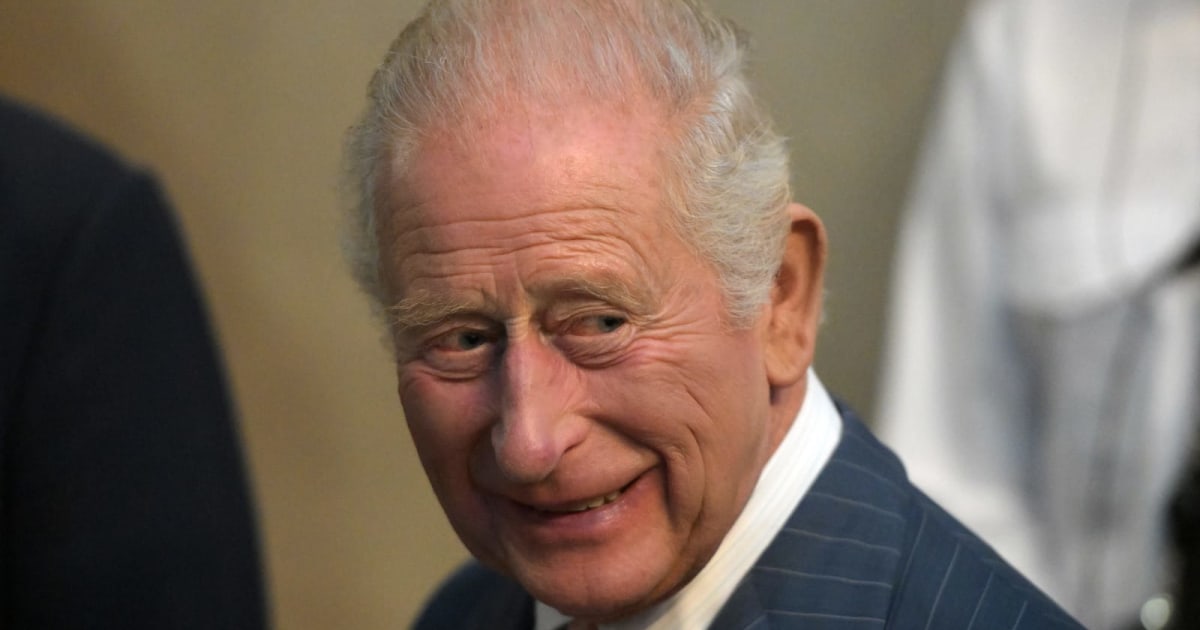


EARLIER this year, in February, King Charles partnered with Amazon to release his landmark documentary, Finding Harmony: A King’s Vision.
Although the film documented his journey as a long-time environmentalist, the essence of the project’s very title seems to have become a theme of his reign.
When His Majesty ascended the throne, he had huge metaphorical shoes to fill. Not only was his mother the longest-reigning monarch in British history, but she was also arguably the most beloved by her people. It was widely thought that she hardly put a foot wrong throughout her long reign, and so Queen Elizabeth's legacy would go practically unmatched. But since she passed away, King Charles has proven that he, too, can be a stabilising force like his mother, using the mechanics of soft power to the advantage of his subjects.
During Sir Keir Starmer’s turbulent premiership, the British Prime Minister’s lack of enthusiasm for helping the nation’s biggest ally during the Iran War meant tensions were at an all-time high. Whilst the red carpet was rolled out for the President during his unprecedented state visit, disagreements between the two leaders were visible. During the latest Middle East crisis, the ‘Special Relationship’ — or the ‘Enduring Alliance’ — was strained and at risk of practical collapse. As an apparent last-ditch effort to smooth relations, the government chose to use a tactic only Britain has: sending His Majesty across the pond.
After a significant charm offensive and a joint address to Congress, the relationship between the two democratic nations was firmly back on solid footing. Despite the high-stakes environment and mounting pressure — all amid his cancer treatment plan — not only did the King rise to the occasion, but he also flourished as he did so. He charmed the stern lawmakers on Capitol Hill with topical jokes about the War of Independence, a tale of two Georges, and even the fact that 250 years ago felt like “just the other day.” It was a reminder on the world stage of how much more the nations have in common than what divides us. Sources close to the King were keen to highlight to me in the weeks after the visit just how impressive His Majesty’s performance on the world stage had been, given his ongoing health woes — and I couldn’t agree more.
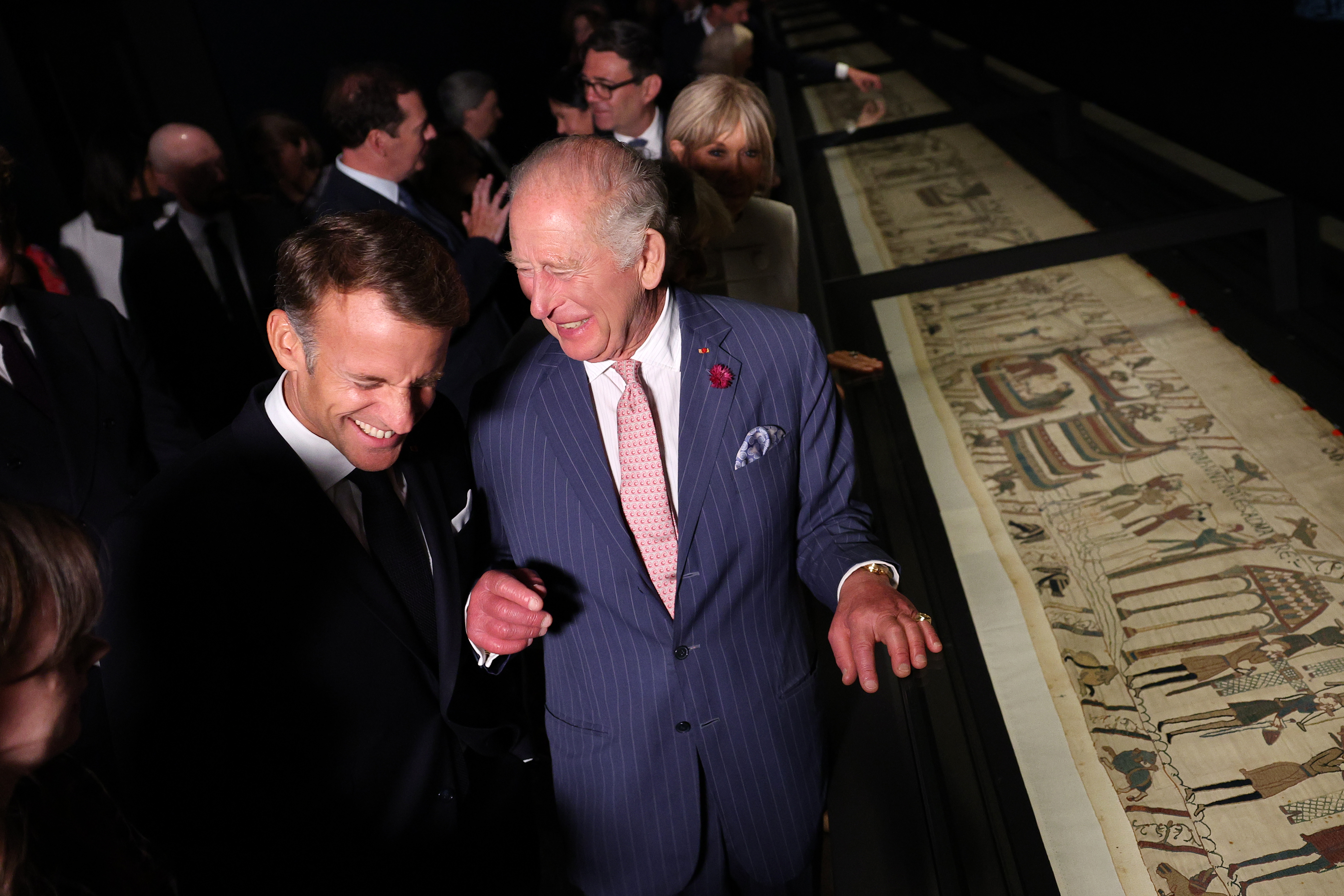
This exact side of King Charles was on display last night when he welcomed President Emmanuel Macron to London alongside his wife, First Lady of France Brigitte Macron. The relationship between Britain and France has been somewhat complicated in recent years. Widely reported immigration problems in the Channel have strained the relationship between Downing Street and the Élysée Palace, as migrant crossings remain a persistent political flashpoint. France has also frequently taken a hard-line stance on several trade regulations, especially over post-Brexit compliance and fishing rights. But once again, the King proved to be a stabilising force for relations.
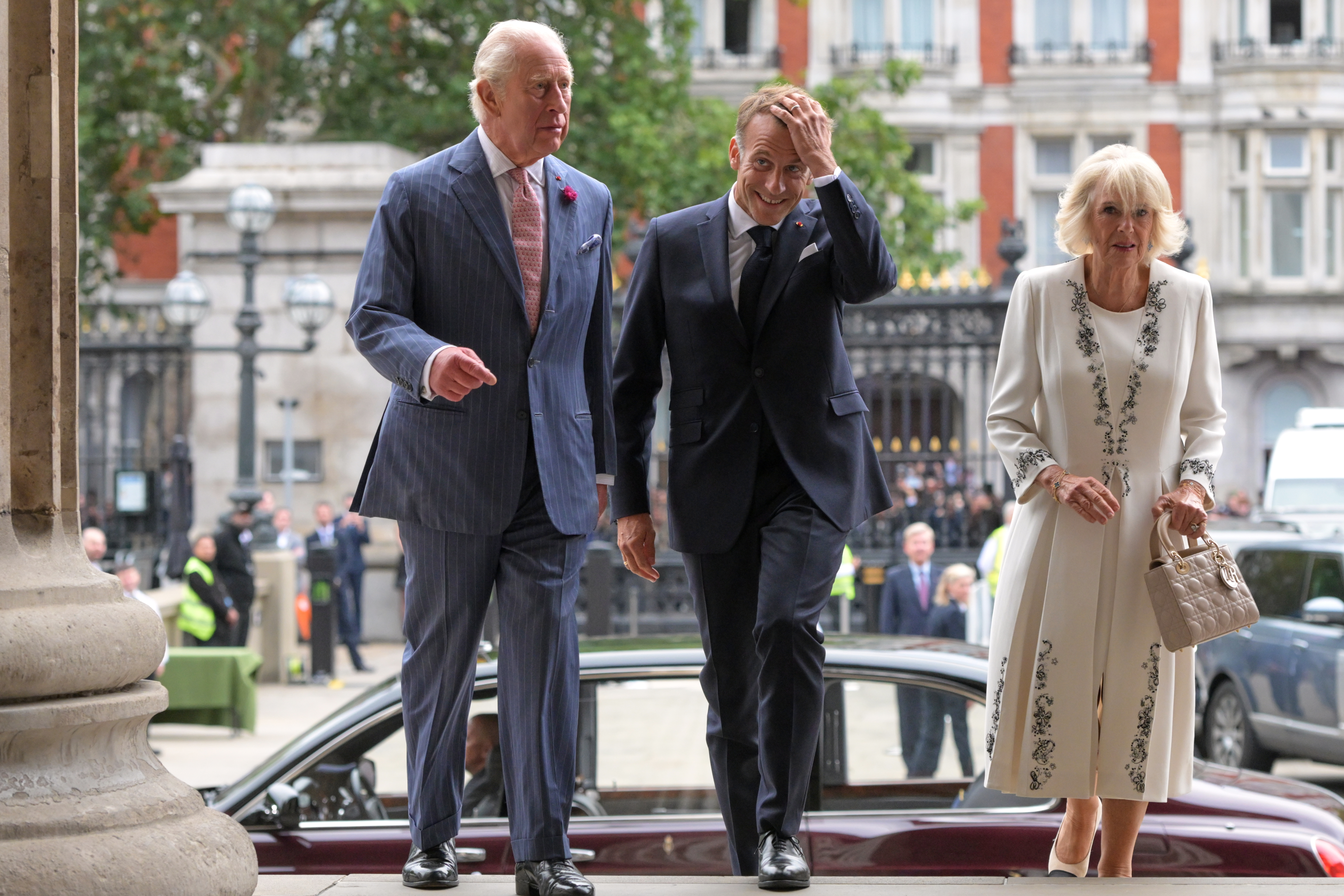
The Bayeux Tapestry is more than just an embroidered cloth; it effectively serves as one of the most prominent historical documents relating to the history of England. It was thought to have been first made in the 11th century in England but has been preserved in Normandy for hundreds of years. The imagery depicts the events leading up to the Norman Conquest of England in 1066. Ironically, it shows the journey of William, Duke of Normandy, challenging King Harold II of England. Nearly a thousand years later, the King would again be all too aware of the irony that a prominent Duke named William went toe to toe with a rival named Harold at the Battle of Hastings. The pair have become somewhat like brothers in history, just like his warring sons.
But once again, the King put all the personal speculation of the last two weeks aside to carry out his duty seamlessly. Speaking at the launch of the exhibition, held at the British Museum last night, Charles stated that the opponents depicted in the tapestry — Normans and Anglo-Saxons — “would have been delighted to see this togetherness between France and the UK. These are two great nations, which share such fundamental values.” “The tapestry’s story is one of ambition and uncertainty, of oaths and journeys, of ships, councils, kings, comets and consequences,” said the King in the Great Court. “Yet it is not merely an English story, nor only a Norman one. Indeed, from the moment of its creation, it may have brought together our two peoples,” he said, weaving in the historic importance of the artwork.
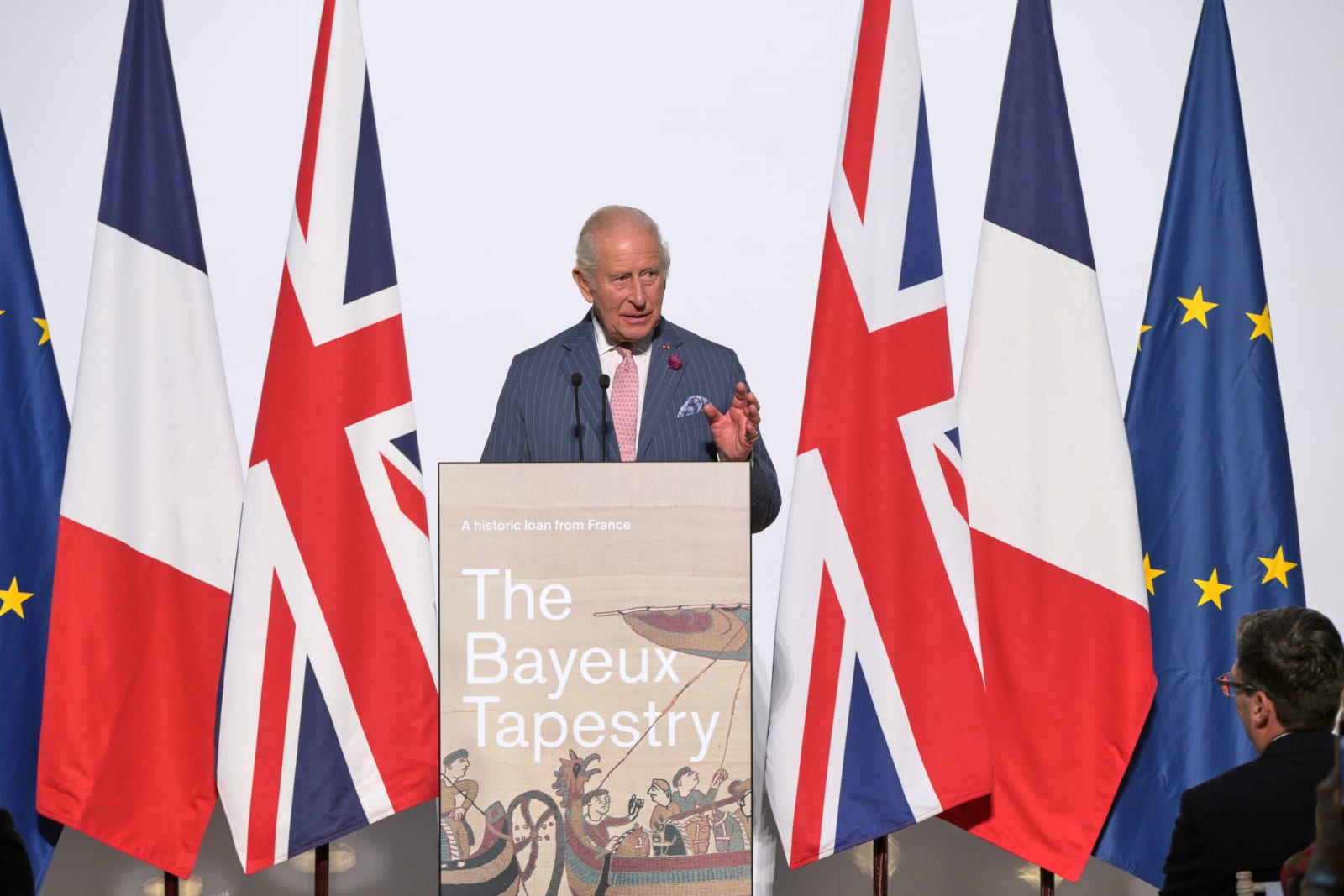
Bringing the tapestry back to the UK, with all of its history and symbolism, is a huge cultural statement. It may be a loan to the British Museum, but the symbolism of trust between these two countries in handling this incredibly important historic artefact was clear for all to see. In his speech to the gathered crowd in the Great Court, the King himself hailed the arrangement as ‘unprecedented’ and stated that it was the “best possible symbol” of the closeness between the UK and France. During his address, he further impressed visitors with his perfect grasp of the French language.
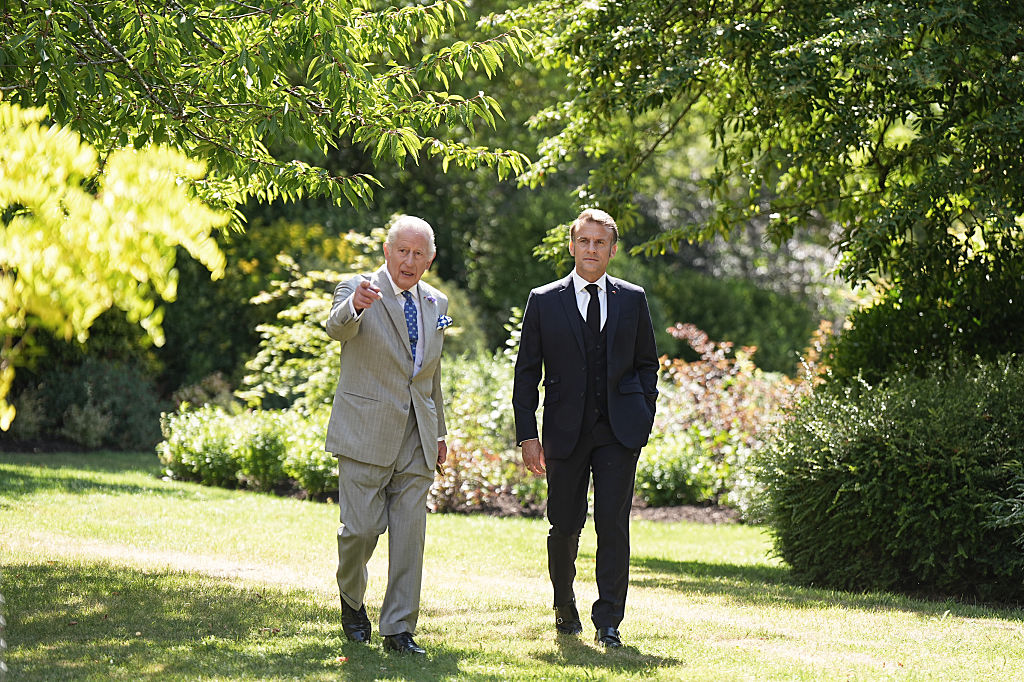
On top of the profound lessons of history, he once again emphasised the shared relationship between two democratic nations. However, the evening was also filled with the King’s signature wit, as Charles noted that he was a direct descendant of one of the key figures in the tapestry. Just like his trip to the US, Charles is using shared history to bring relations closer in a destabilising political era. Using the unique position of the monarchy, complete with its signature mechanics of soft power, to find harmony is something that only King Charles could do in a way no political leader - however charismatic - could ever do. Despite his cancer journey and the highly publicised fallout between his sons threatening to define his reign, recent events have shown that Charles may actually be known as one of the world's great peacemakers for years to come.
Words by Joshua Rom | Reporting by Alex Seale