Crown, Cabinet, and Canvas: Why Macron’s London Summit is a Masterclass in Royal Soft Power
Crown, Cabinet, and Canvas: Why Macron’s London Summit is a Masterclass in Royal Soft Power
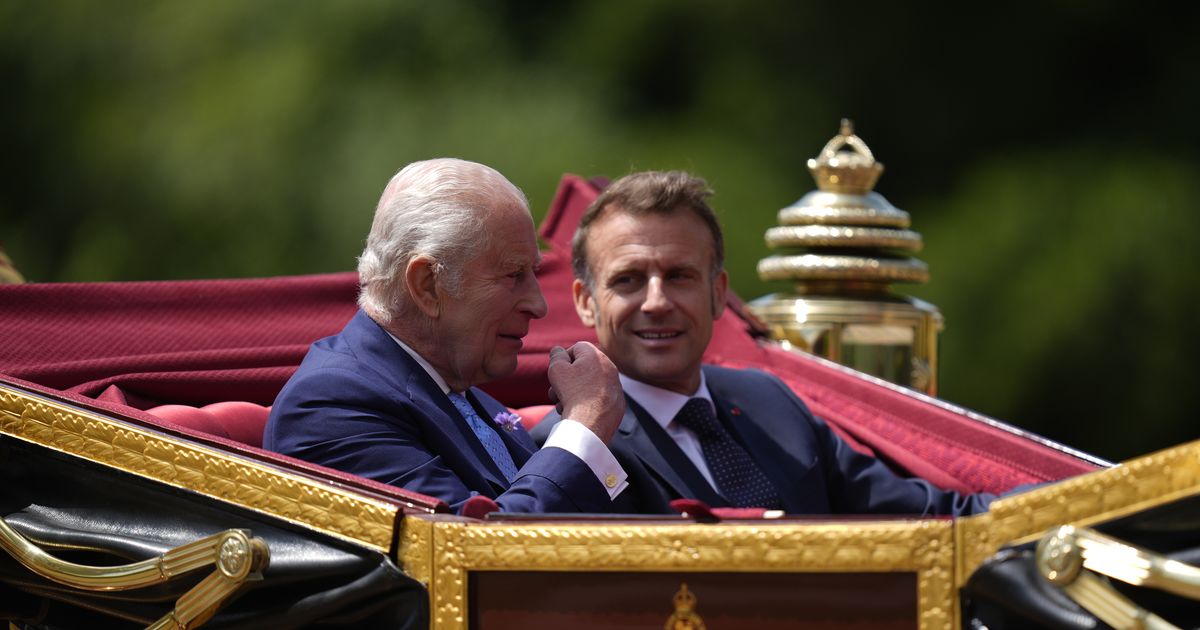


When French President Emmanuel Macron arrives in London this week, the diplomatic diary will immediately point toward Whitehall. His high-profile visit features his first in-depth bilateral exchange with newly minted British Prime Minister Andy Burnham, who stepped into office following the departure of Keir Starmer.
Yet, beneath the fast-moving political headlines of cross-Channel security, European coalitions, and foreign policy transitions, the crown jewel of Macron’s itinerary is deeply cultural—and profoundly royal. Centered around a blockbuster exhibition opening at the British Museum, the visit underscores how the British Monarchy remains an irreplaceable diplomatic anchor, effortlessly weaving contemporary statecraft with centuries of shared history.
The 900-Year Journey: A Masterstroke of Cultural Diplomacy
The core driver of Macron’s trip—taking place on 2-3 September 2026—is the official inauguration of the British Museum’s landmark exhibition showcasing the Bayeux Tapestry. Personally championed by the French President as a cornerstone of a revitalized Entente Cordiale, the loan marks the first time the 11th-century masterpiece has left French soil in over 900 years.
Transported under tight, high-security conditions earlier this summer, the 70-metre linen embroidery—which vividly details William the Conqueror’s 1066 invasion and the Battle of Hastings—has already captured global public imagination, with over 100,000 tickets sold ahead of its public opening on September 10. Accompanied by his wife, Brigitte Macron, the French leader is set to view the artifact displayed in completely revolutionary conditions. For the first time in its recorded history, the fragile embroidery is being laid flat rather than hung vertically, allowing visitors and scholars to appreciate its sprawling scale and intricate needlework up close.
While the historic transport initially sparked spirited debates among preservationists in Normandy, French and British cultural ministers have lauded the partnership as a triumph of modern museum science and international trust.
Navigating Political Transitions with Royal Continuity
While Macron’s Thursday talks with Prime Minister Burnham will address vital geopolitical files—ranging from defense cooperation to ongoing support for Ukraine—the political landscape in Westminster has shifted significantly since Macron’s last major state visit.
Paris insiders note that Macron had forged a notably warm and effective working relationship with former Prime Minister Keir Starmer, particularly through joint leadership on European security frameworks. As Burnham takes the reins—marking the first visit by an EU head of state or government since Burnham assumed office—maintaining seamless cross-Channel alignment is paramount.
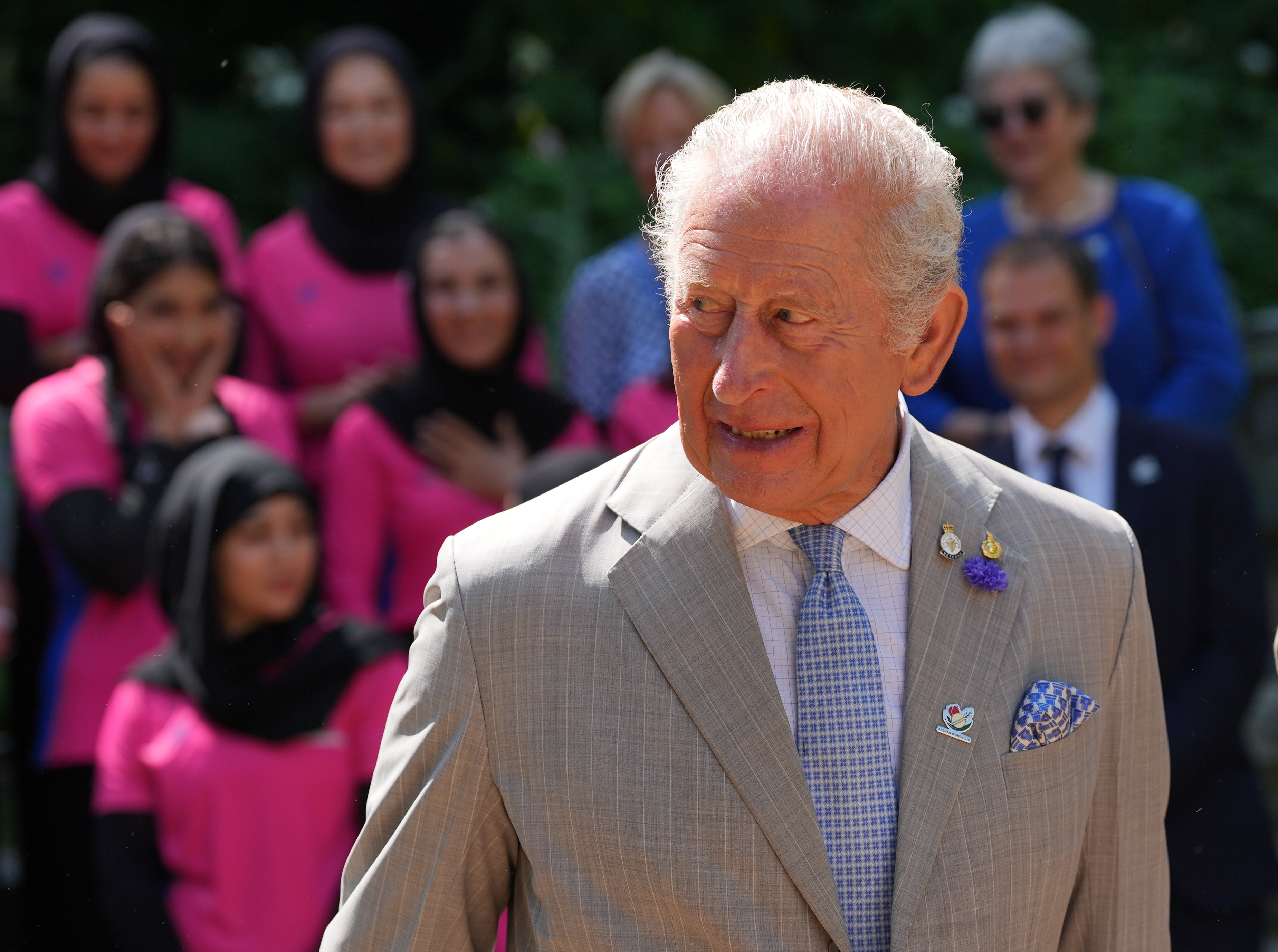
This is precisely where the stabilizing weight of the British Crown comes into play. Élysée officials have confirmed that Macron is expected to have an opportunity to greet King Charles during his London stay.
The Enduring Bond Between Macron and King Charles
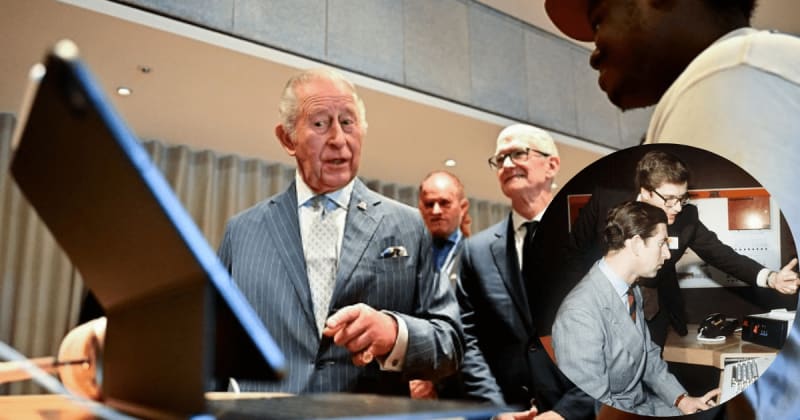
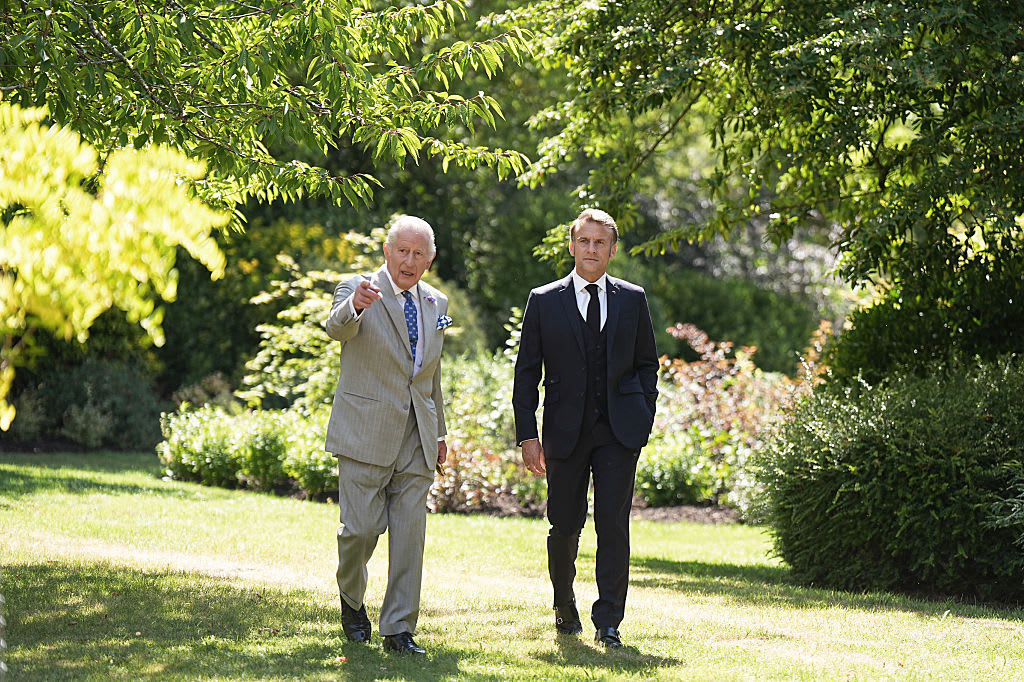
The personal chemistry between Emmanuel Macron and King Charles has become one of the most reliable diplomatic fixtures in Europe. Having worked closely alongside the sovereign on environmental advocacy, sustainable markets, and international diplomacy, Macron recognizes the unique soft power wielded by the British monarch.
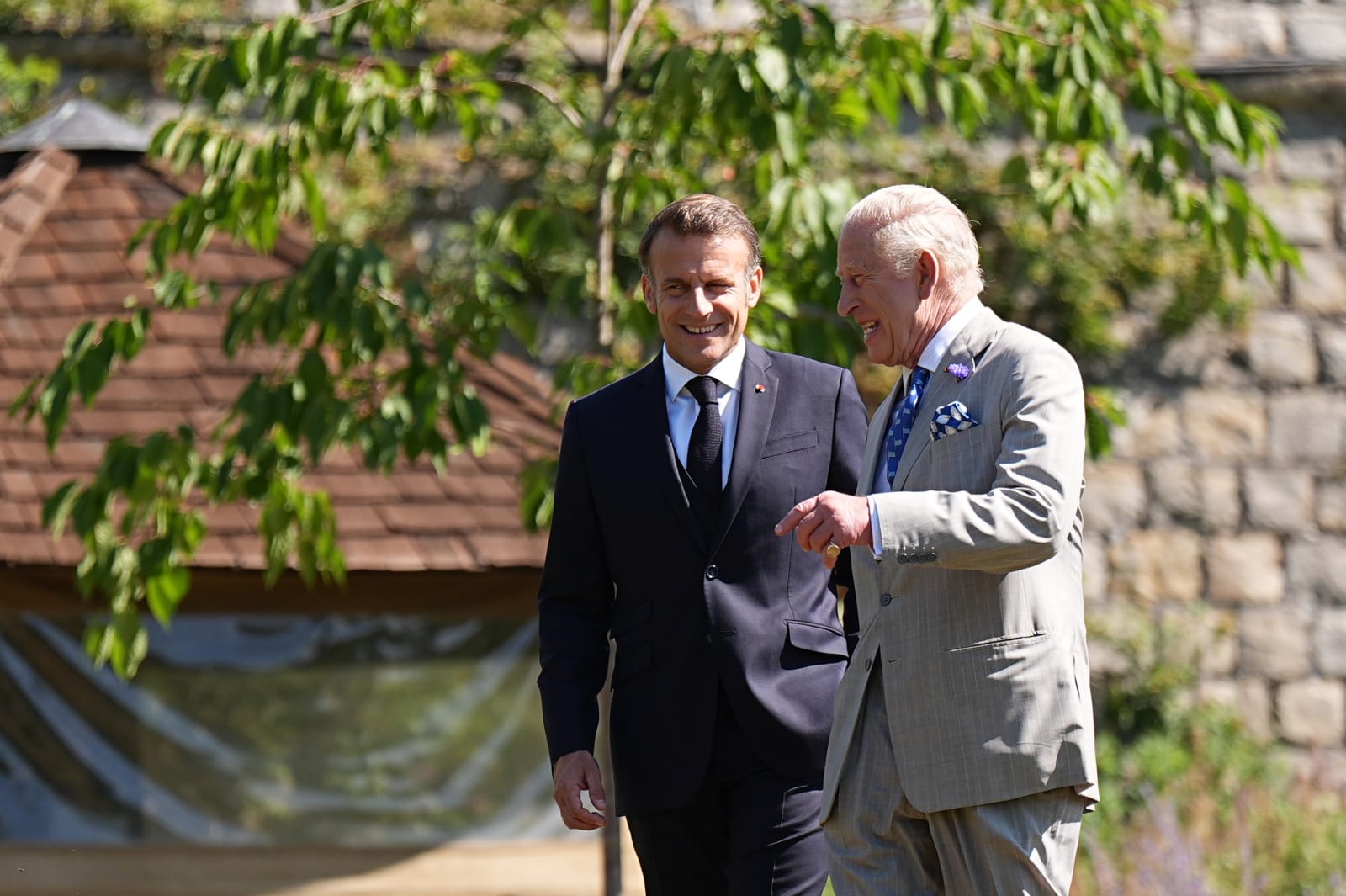
At a moment when executive governments across Europe face electoral shifts and domestic political realignments, the British Royal Family provides an enduring institutional bridge. By marrying a high-stakes political summit with a monumental cultural homecoming—bringing the narrative of the Norman Conquest back across the Channel under royal and presidential watch—the visit demonstrates that the Franco-British alliance relies as much on shared heritage as it does on modern treaties.
As the Bayeux Tapestry prepares to open to the public at the British Museum, it stands not just as a monument to medieval history, but as a living testament to how royal soft power continues to shape the modern geopolitical map.