5 Things King Charles Did to Win Over the Caribbean Amid Protests
Rewriting History
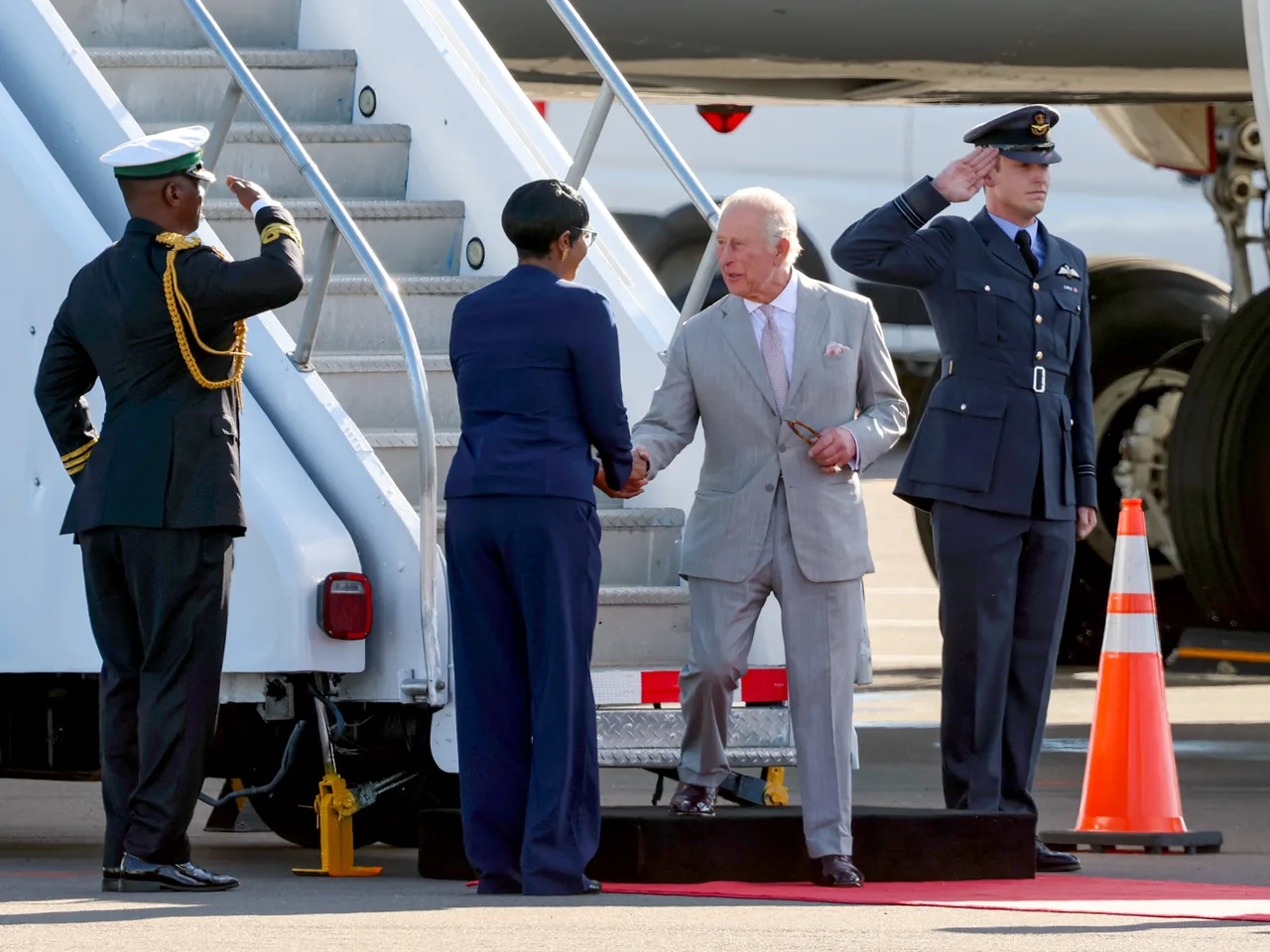
While the past cannot be changed, King Charles is seemingly trying his best to repair relations between the Monarchy and the Caribbean that were strained due to the painful legacy of colonial rule and the slave trade. Critics dubbed his current tour to the Bahamas and Guyana as the 'biggest risk of his reign’ as protests erupted ahead of the visit. Charles has faced the situation rather than avoid the past. From directly acknowledging past atrocities to engaging with local communities and partnering on modern issues like climate change, the King is leaving no stone unturned in building a respectful, forward-looking relationship with Caribbean nations.
Acknowledging the Past
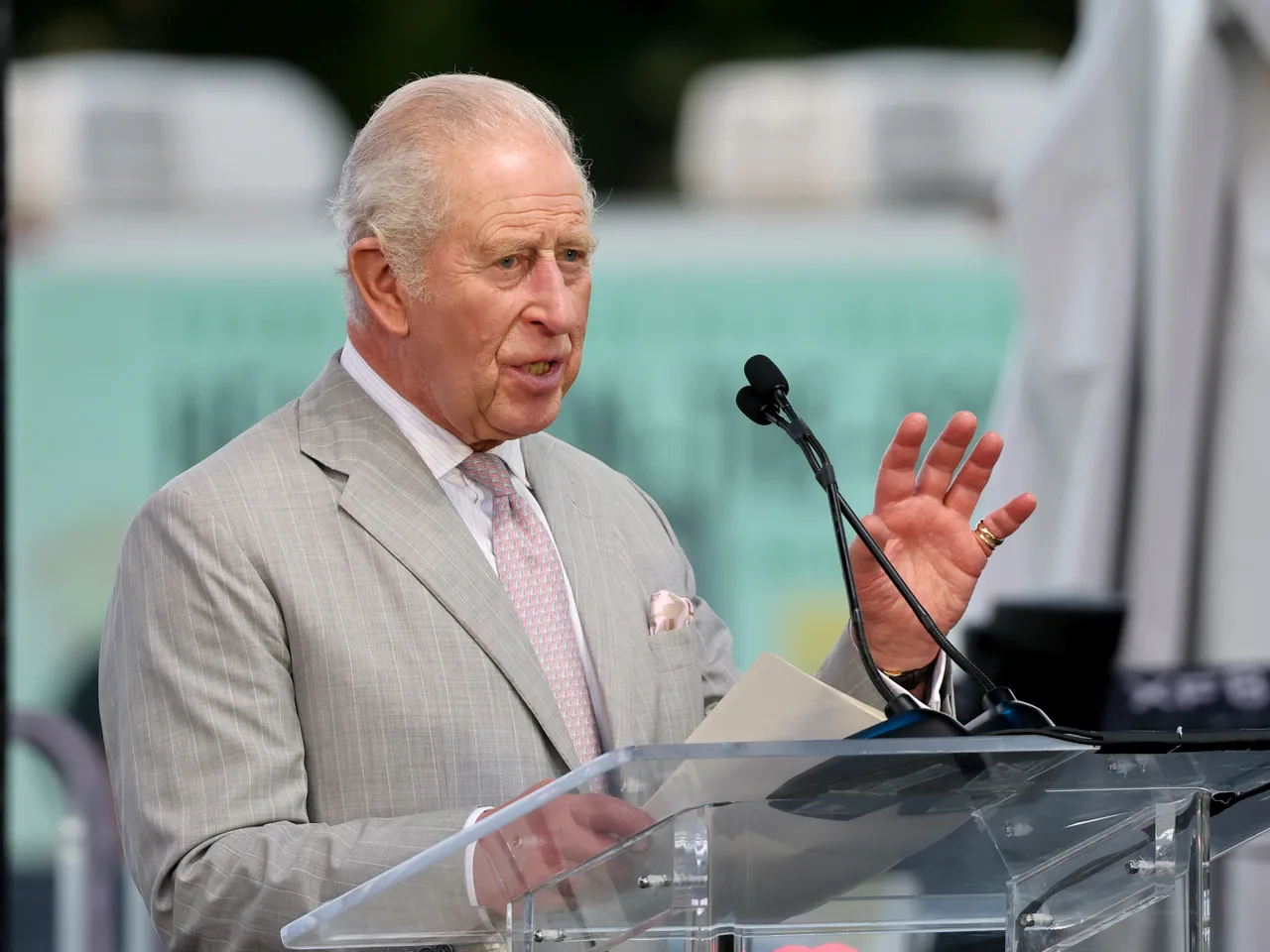
First and foremost, the King made the right and brave move by making an effort to acknowledge the painful history of slavery and colonialism during his Caribbean tour. In his speech at a youth rally in Nassau, Bahamas, Charles admitted that the region had suffered greatly because of past injustices. He said, “It is only right that we should acknowledge the great suffering and injustices of the past in these islands and beyond.” He also described parts of Bahamian culture as having been “born out of darkness.” By openly recognizing this painful history, Charles showed that he was willing to address the past rather than ignore the concerns of Caribbean communities.
Opening Reparations Talks
Charles also showed that he was willing to let Caribbean leaders discuss reparations and the lasting impact of slavery. During the Commonwealth Heads of Government Meeting (CHOGM) in Antigua and Barbuda, the King acknowledged that the legacy of slavery and colonial injustices would be discussed by the 56 Commonwealth leaders. Although the issue remains sensitive, encouraging these conversations to take place was an important step towards recognizing the concerns of countries seeking reparatory justice. It also showed that Charles was not trying to shut down difficult discussions about Britain's colonial past, even as protests and calls for reparations continued during the royal tour.
Embracing Bahamian Culture
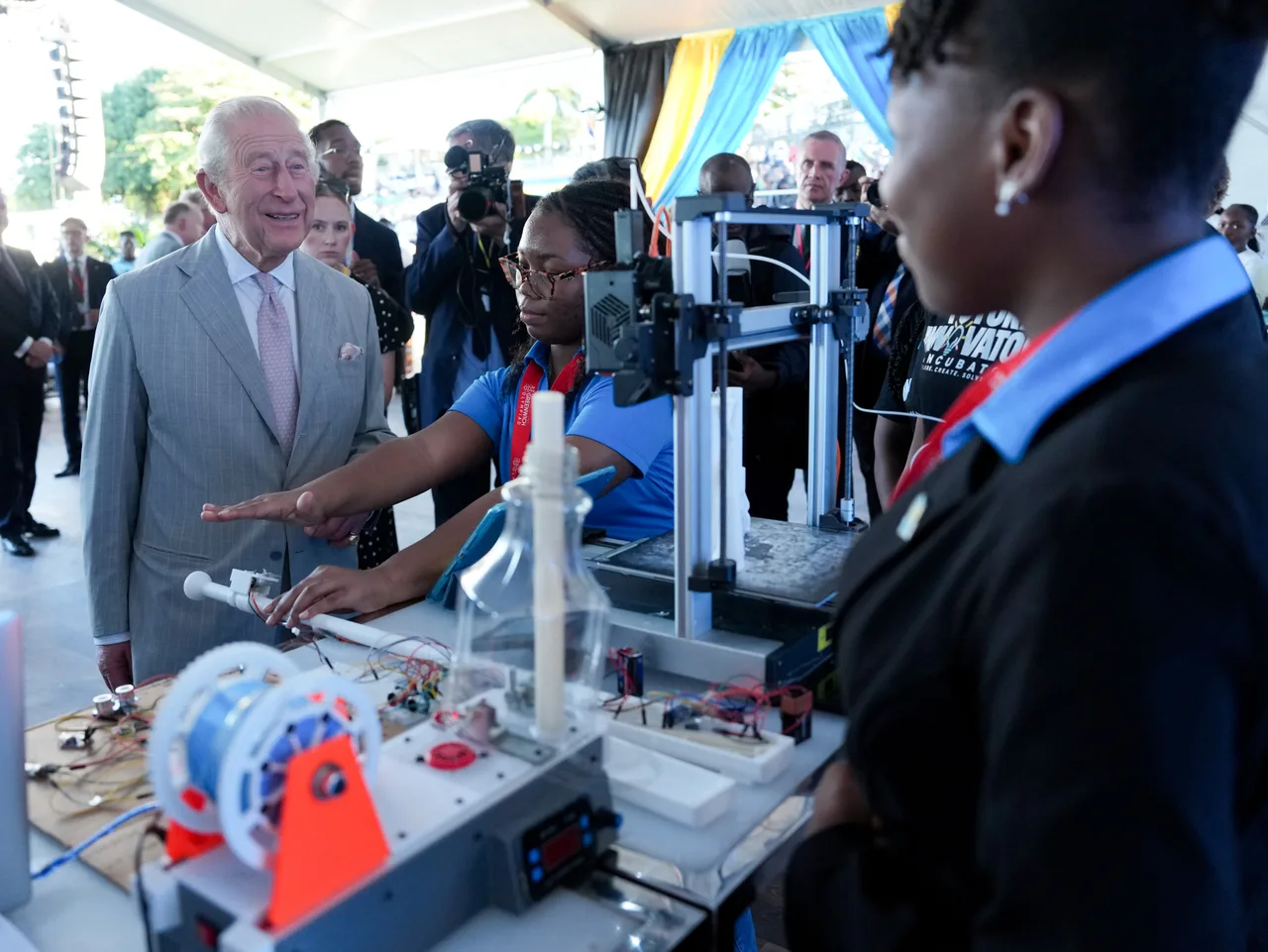
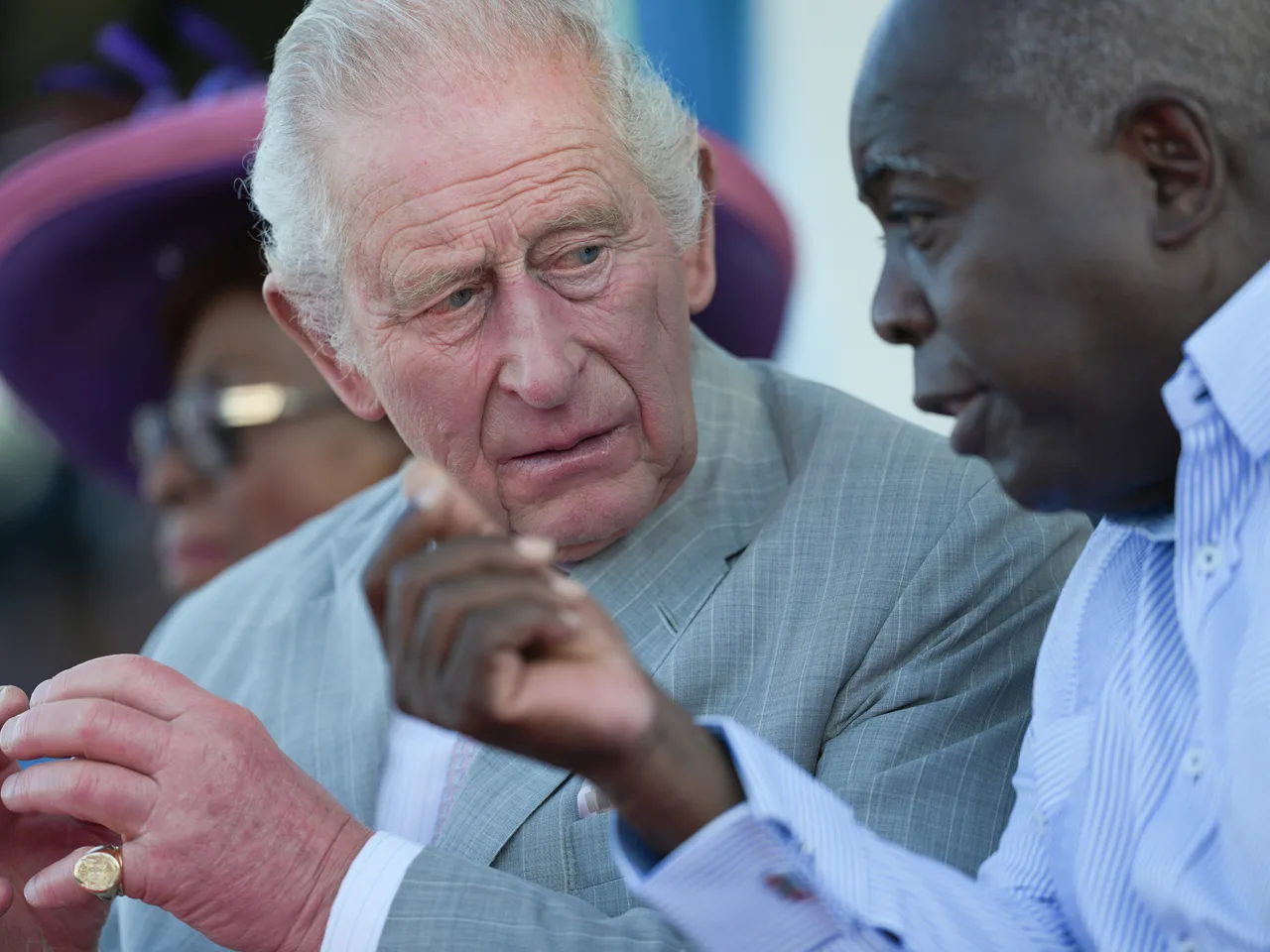
Rather than keeping his interactions formal, Charles made an effort to connect with the people of the Bahamas by embracing their local language and traditions. During his visit, he greeted the crowd with the phrase “I reach, amen!”, which means “I've arrived, thank God”. The words earned cheers and applause from the schoolchildren and teachers gathered to welcome him. Charles also praised Junkanoo, the colorful Bahamian dance and parade tradition that celebrates the island's cultural roots. He said, “There is no better example of Bahamian culture that has been passed down from one generation to the next than Junkanoo.”
Honoring History
Charles for the tour included visits to historic monuments, memorials, and places of remembrance. These stops gave him an opportunity to pay his respects to the victims of the transatlantic slave trade and acknowledge the painful history shared by Britain and the Caribbean. Rather than limiting his response to speeches, the King used these visits to show that remembering the past was an important part of the royal agenda.
Championing Climate Action
The King also focused on climate change, and it was not just about a cause he has supported for decades. It also reflected the urgent environmental challenges facing Caribbean nations, many of which are particularly vulnerable to rising sea levels, extreme weather, and coastal erosion. Having championed environmental protection for around 50 years, the King has long spoken about the need to protect the planet for future generations. During his Caribbean tour, climate action provided an opportunity to highlight an issue that matters deeply to the region's future.