How King Charles’ CHOGM Speech Stands Apart From Standard Royal Tour Addresses
King Charles' CHOGM speech was shaped by his own words as calls for slavery reparations put Britain under renewed scrutiny.
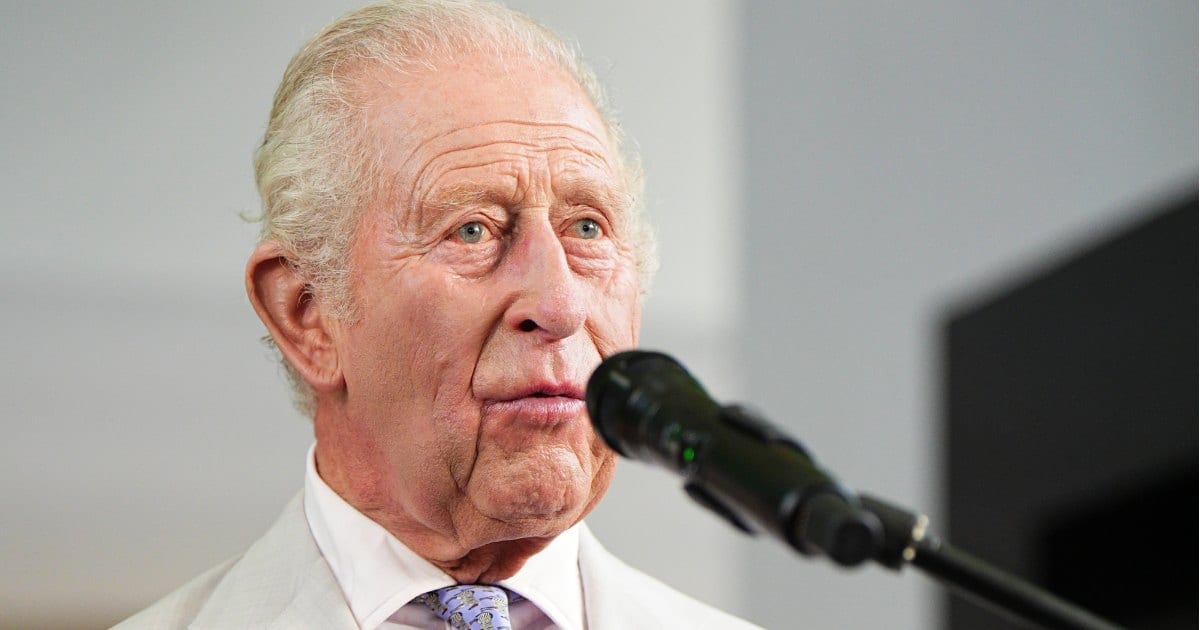


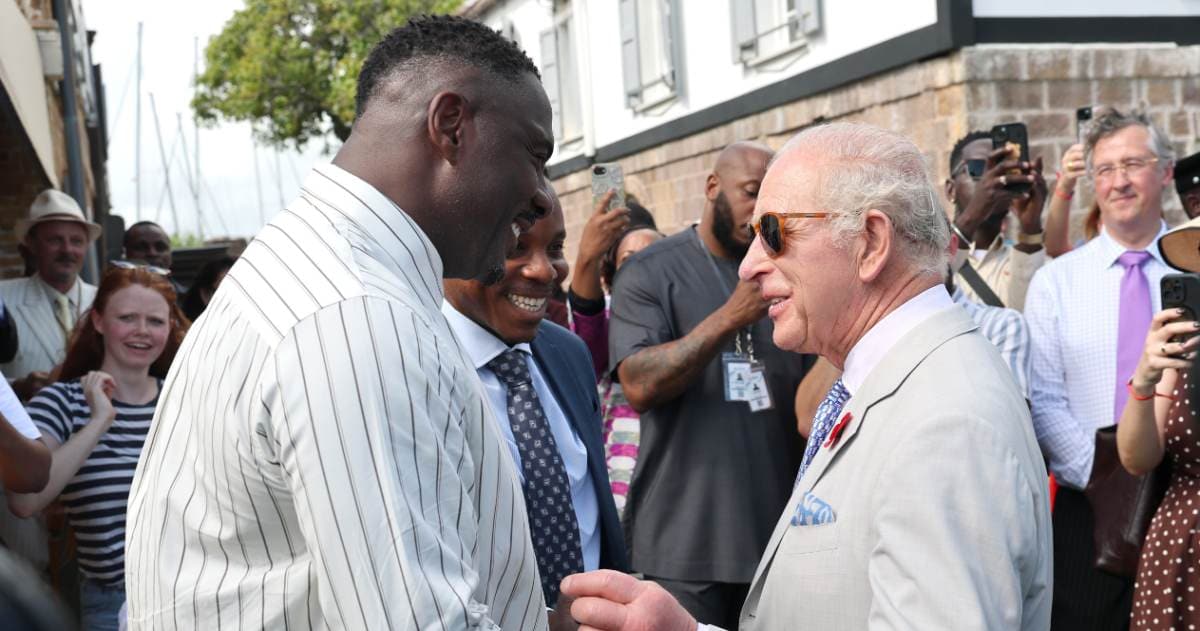
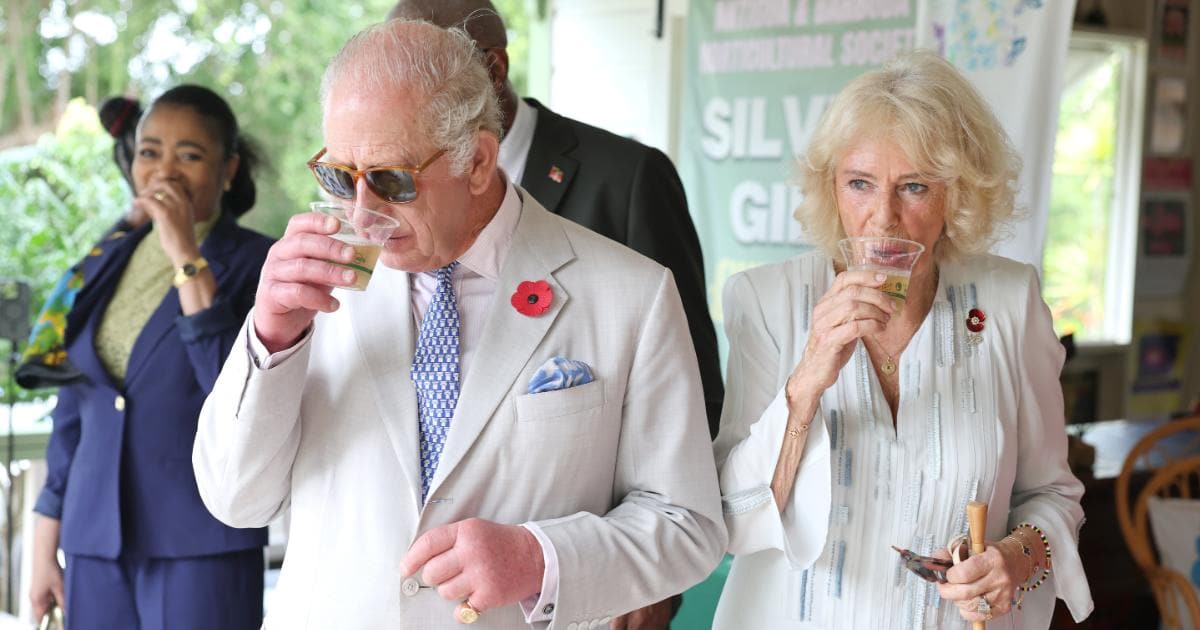
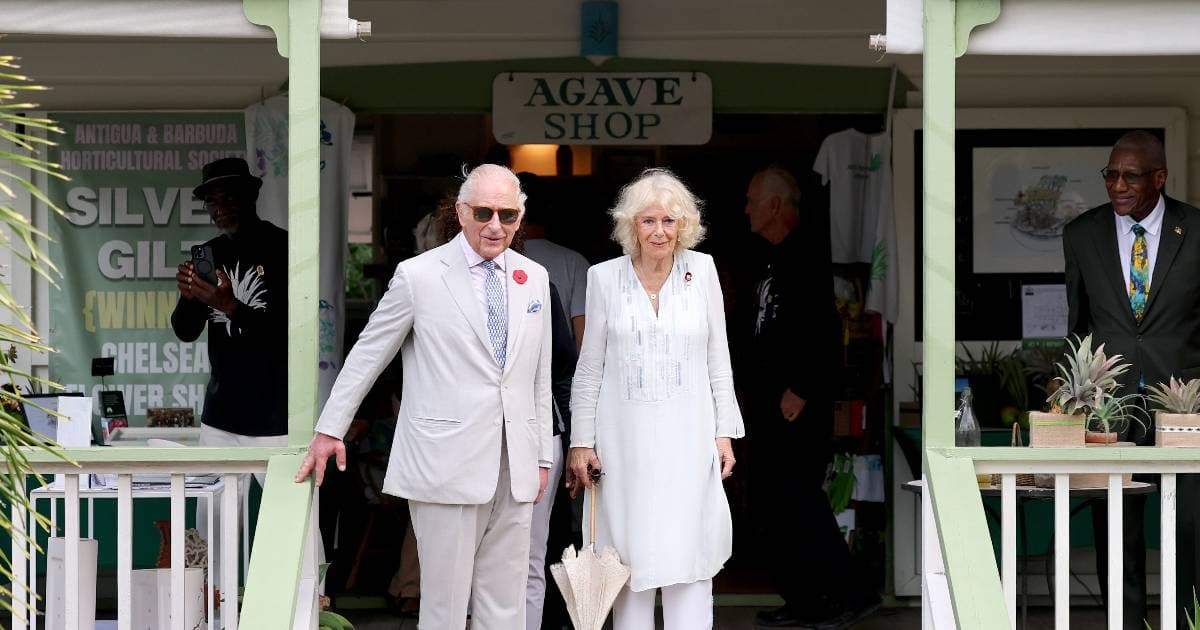
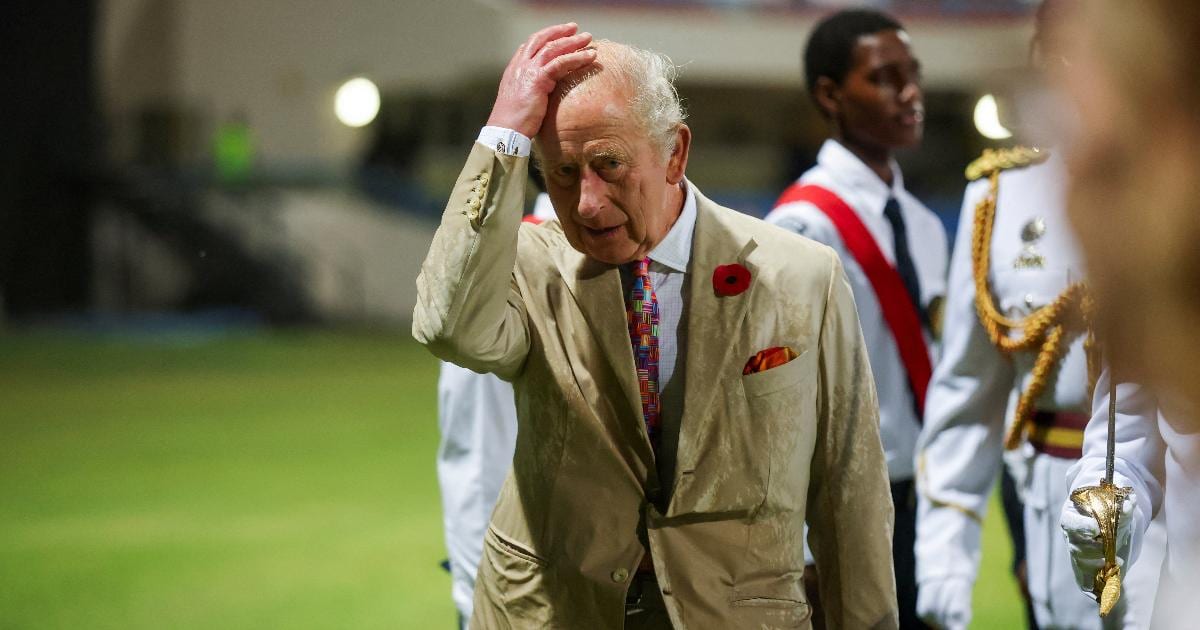
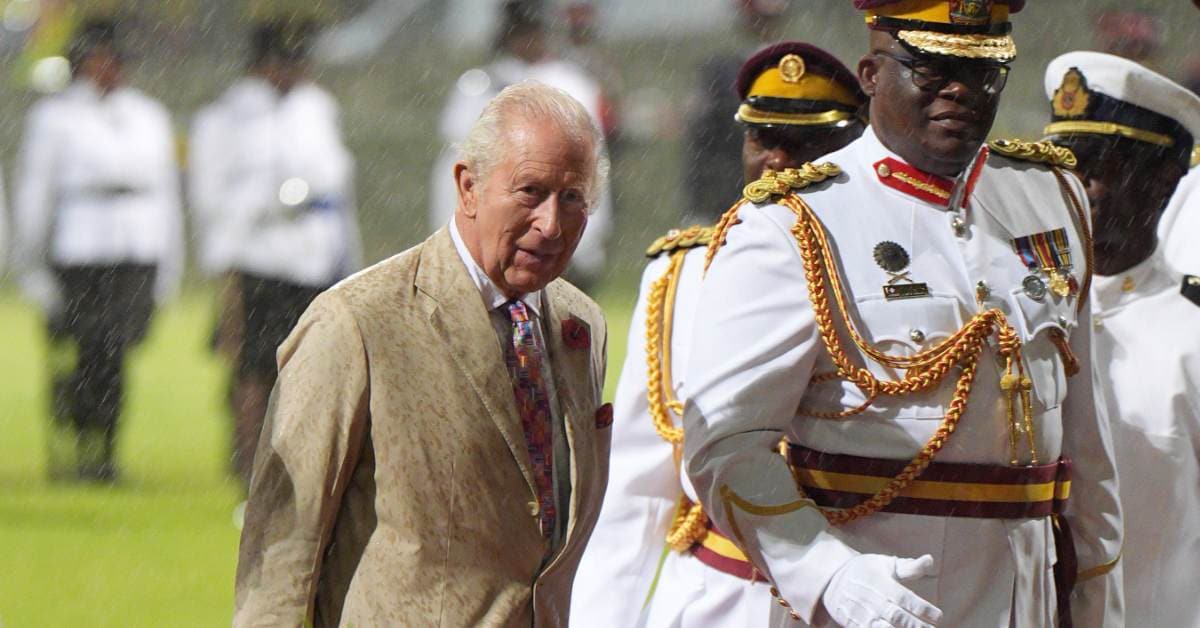
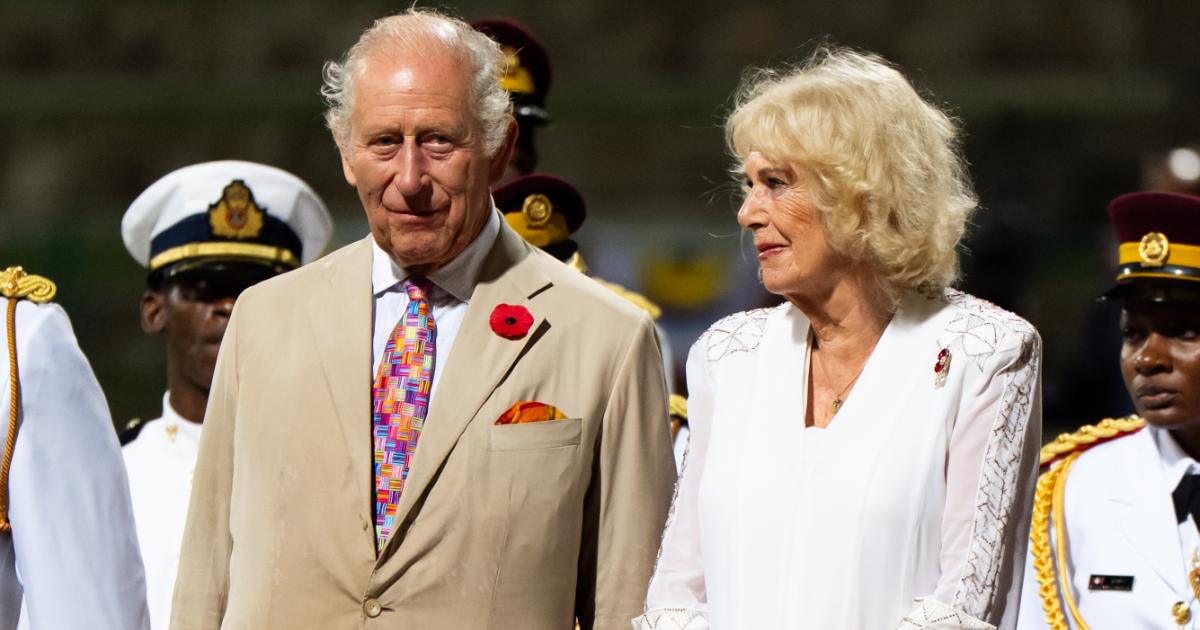
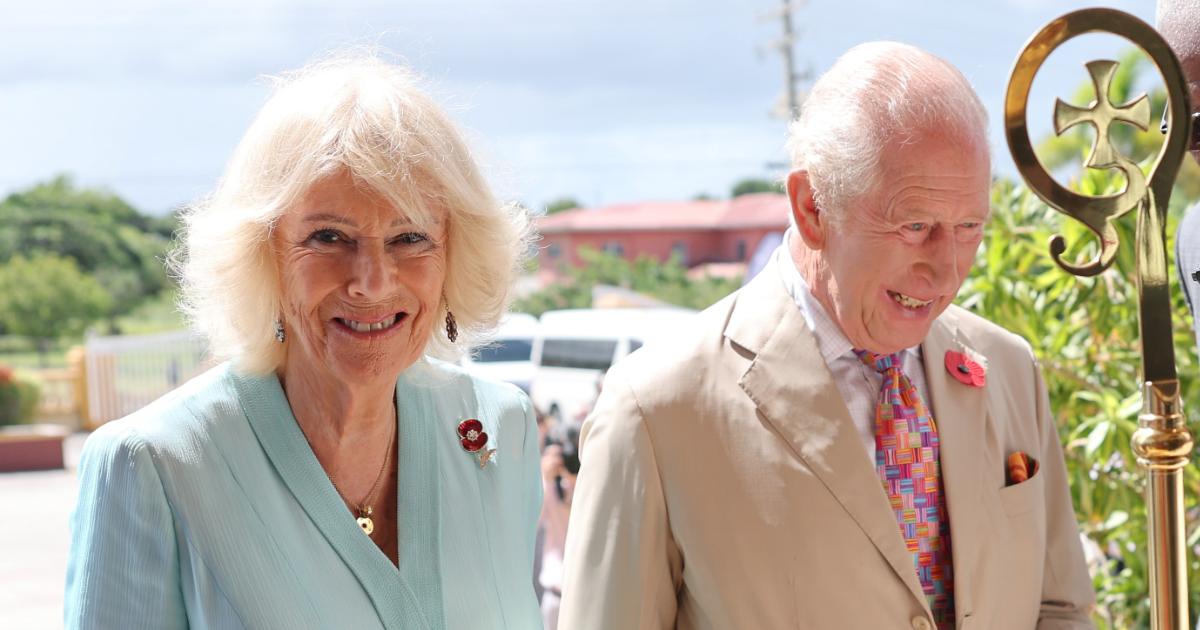
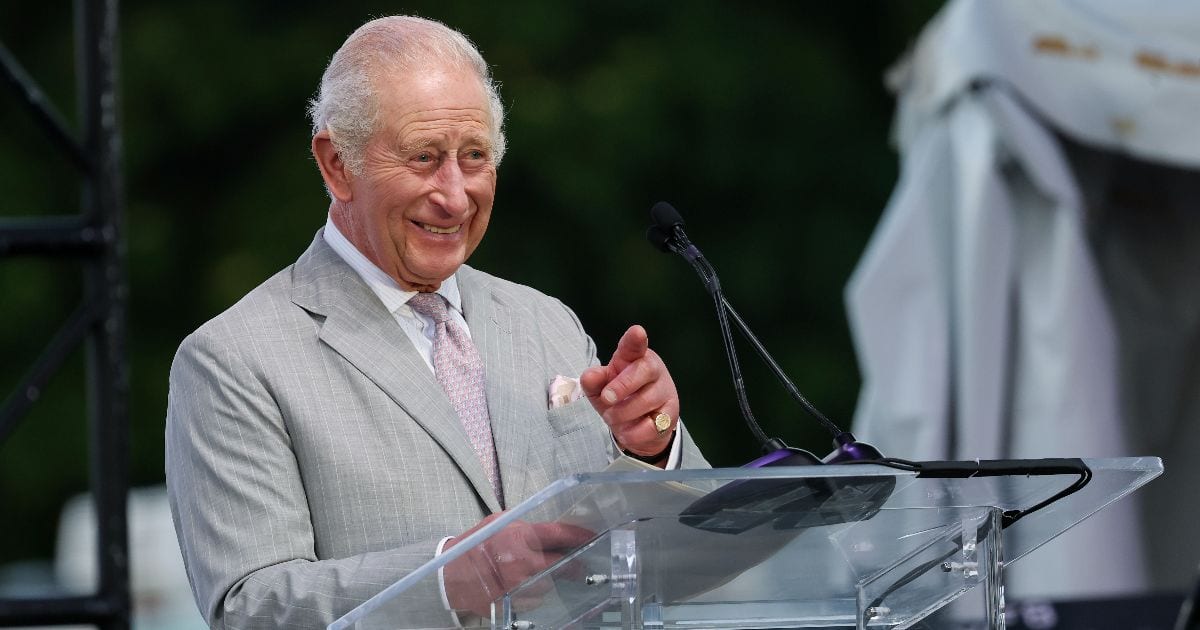
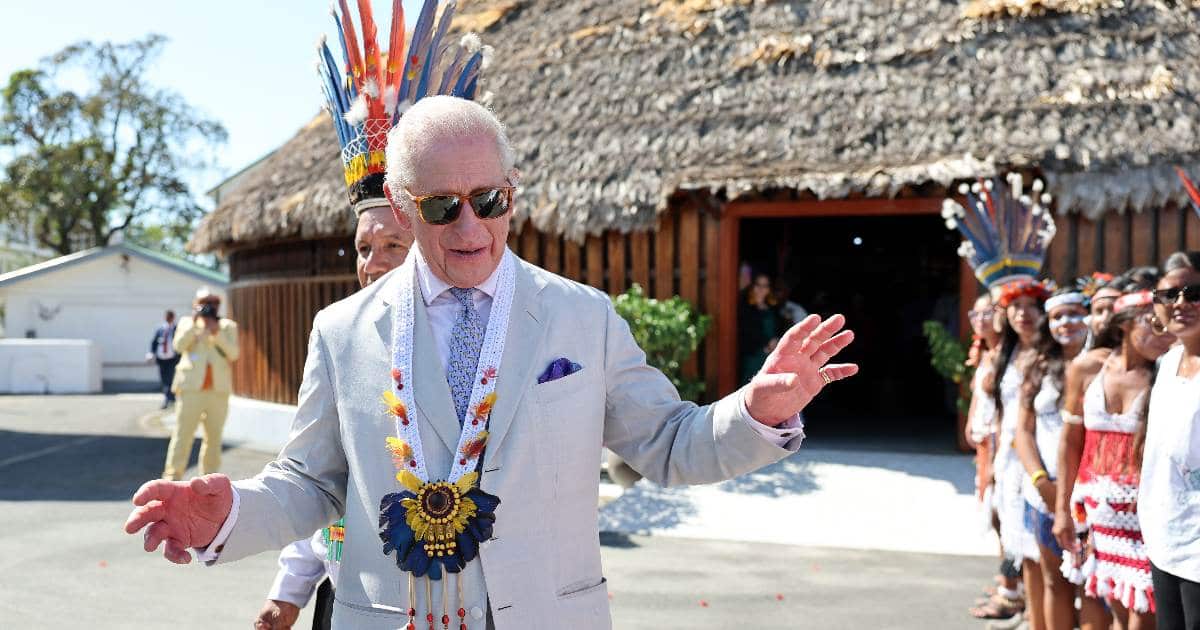
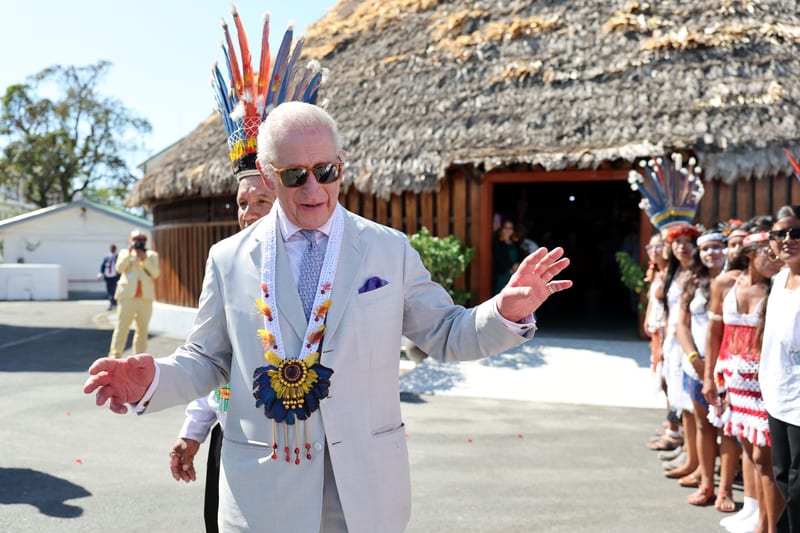
King Charles is currently on a Caribbean tour, having visited The Bahamas and Guyana before arriving in Antigua and Barbuda. On November 3, he delivered a speech at the Commonwealth Heads of Government Meeting (CHOGM), attended by leaders from across the Commonwealth. However, this particular address was a little different from the speeches he usually delivers during royal tours.
Usually, the King's speeches during overseas visits are put together with input from the Foreign Office, Downing Street, and the British embassy or high commission in the country he is visiting. But the process was a little different when it comes to his address at CHOGM.
This is largely because Charles spoke in his capacity as Head of the Commonwealth, making the address more personal. His words were shaped by his own thoughts and input from his advisers, rather than going through the usual joint drafting process. However, Palace aides have clarified that the government was aware of what he planned to say, so there were "no surprises."
The Commonwealth Heads of Government Meeting, or CHOGM, is held every two years and brings together leaders and representatives from the Commonwealth's 56 member countries. The summit gives them an opportunity to discuss shared challenges, work towards common ground on important issues, and decide on the organization's future priorities.
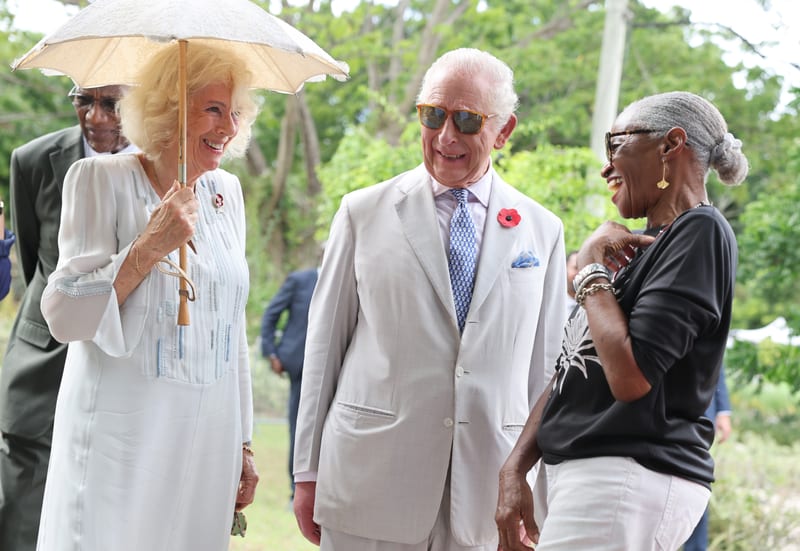
The 2026 meeting took place in Antigua and Barbuda, with the hosting responsibility rotating among Commonwealth member nations. The previous CHOGM was held in Samoa in 2024, where the King was joined by then-Prime Minister of the UK, Sir Keir Starmer.
The King's address also comes at a time when Antigua and Barbuda's Prime Minister Gaston Browne has renewed calls for Britain to pay reparations for its role in the transatlantic slave trade. While hosting Charles and Camilla, Browne also spoke about his personal wish to see the country become a republic, although he acknowledged that the decision would ultimately be up to its people.
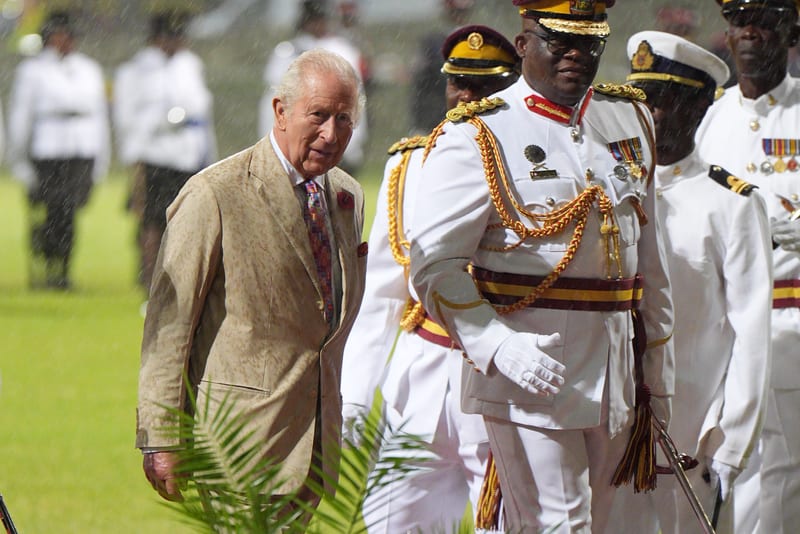
Earlier this week, British Prime Minister Andy Burnham said he was open to a formal apology for the UK's role in the transatlantic slave trade and wanted to begin a "structured dialogue with those affected." Describing the trade as a "brutal and barbaric violation," he said Britain needed to "face up to the past." However, Burnham ruled out financial reparations, saying they were "not the right answer."