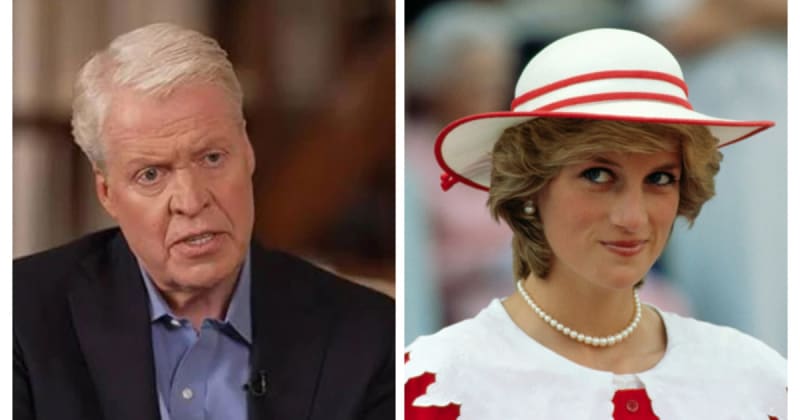
Inside Piers Morgan and Earl Spencer’s War Over Diana - What You May Have Missed
EXCLUSIVE ANALYSIS: Can Charles Spencer's new Diana memoir stand the test of history? The Royal Observer investigates.


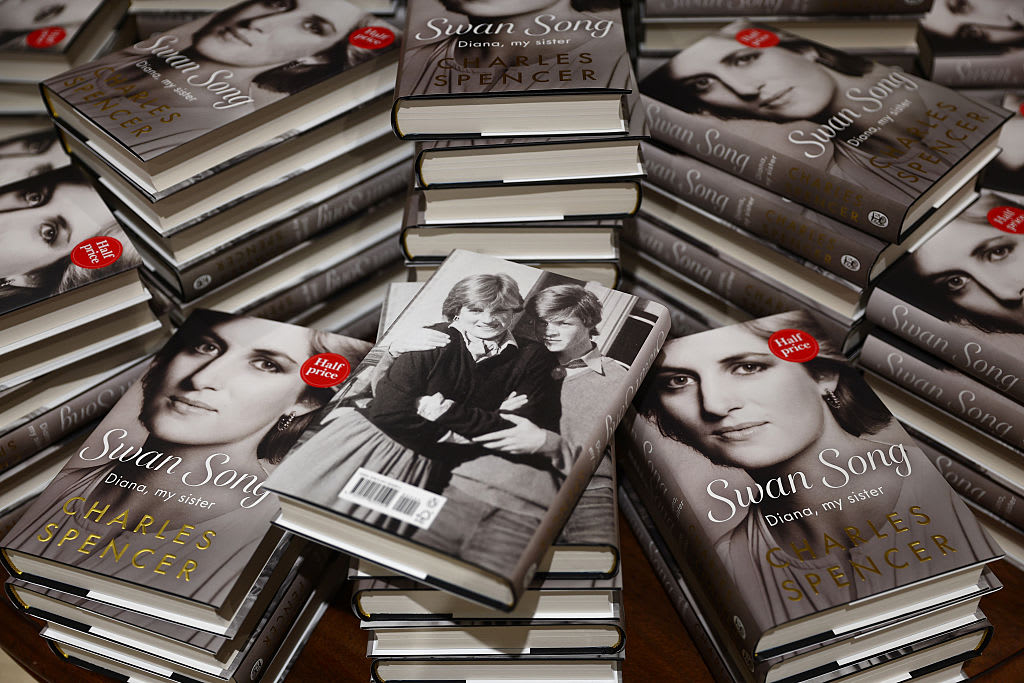
EARL Spencer has caused a huge media storm with his new claims in Swan Song: Diana My Sister.
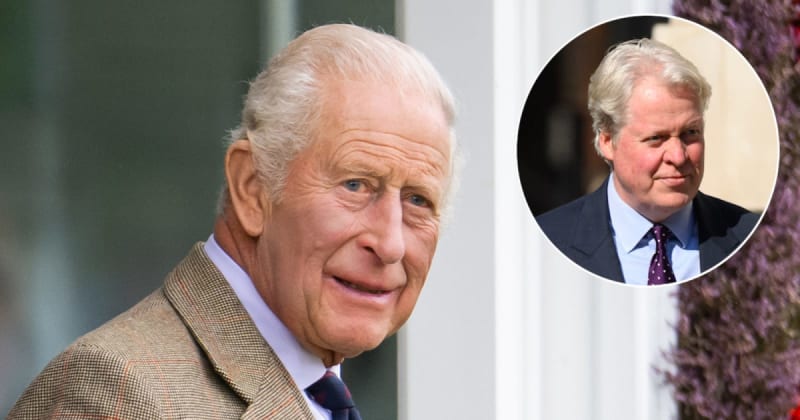
The content appeared to be so sensational that Buckingham Palace seemingly broke with precedent by issuing a statement which said fraternal grief can cloud judgement and colour memory in another 'recollections may vary' sort of moment. Spencer has seemingly reopened old wounds regarding his sister Diana and her treatment by King Charles during their highly publicised marriage as his latest writings hit the bookshelves and the public gets to read.
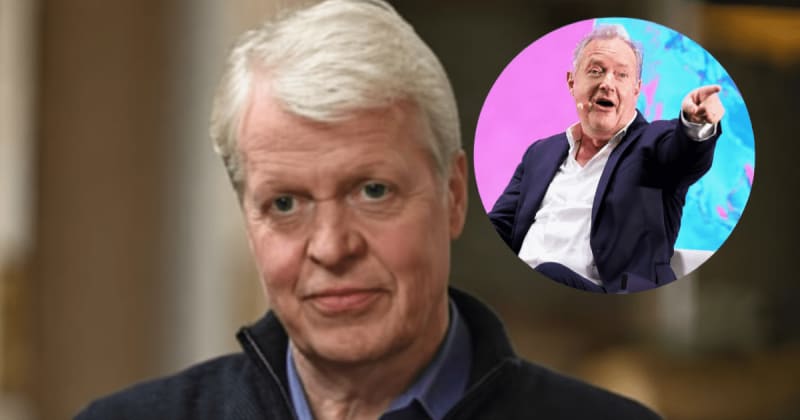
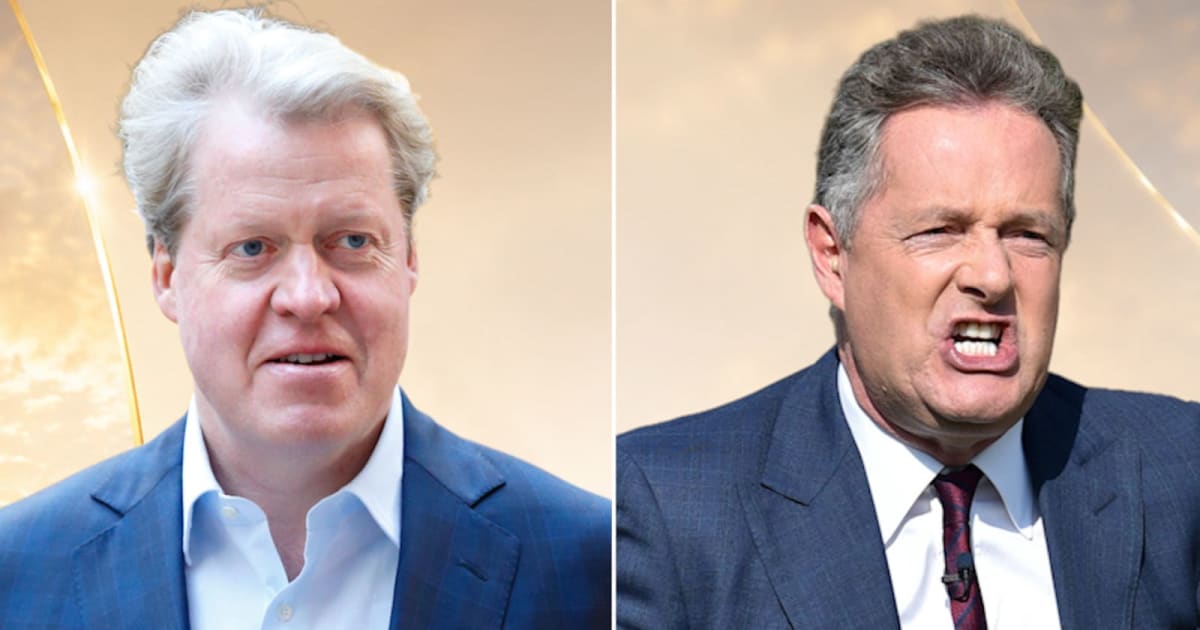
Journalist and broadcaster Piers Morgan has weighed into the fray, pointing out clear inaccuracies that he claims were libellous and continues to threaten legal action. Although Spencer has apologised and offered to correct his incorrect 'assumption' in the second round of printing, Piers wants the first edition of the book pulled from the bookshelves and pulped. Several sources have publicly rebuked the book, including former Buckingham Palace Spokesperson Dickie Arbiter, who called Spencer's words 'complete nonsense'.
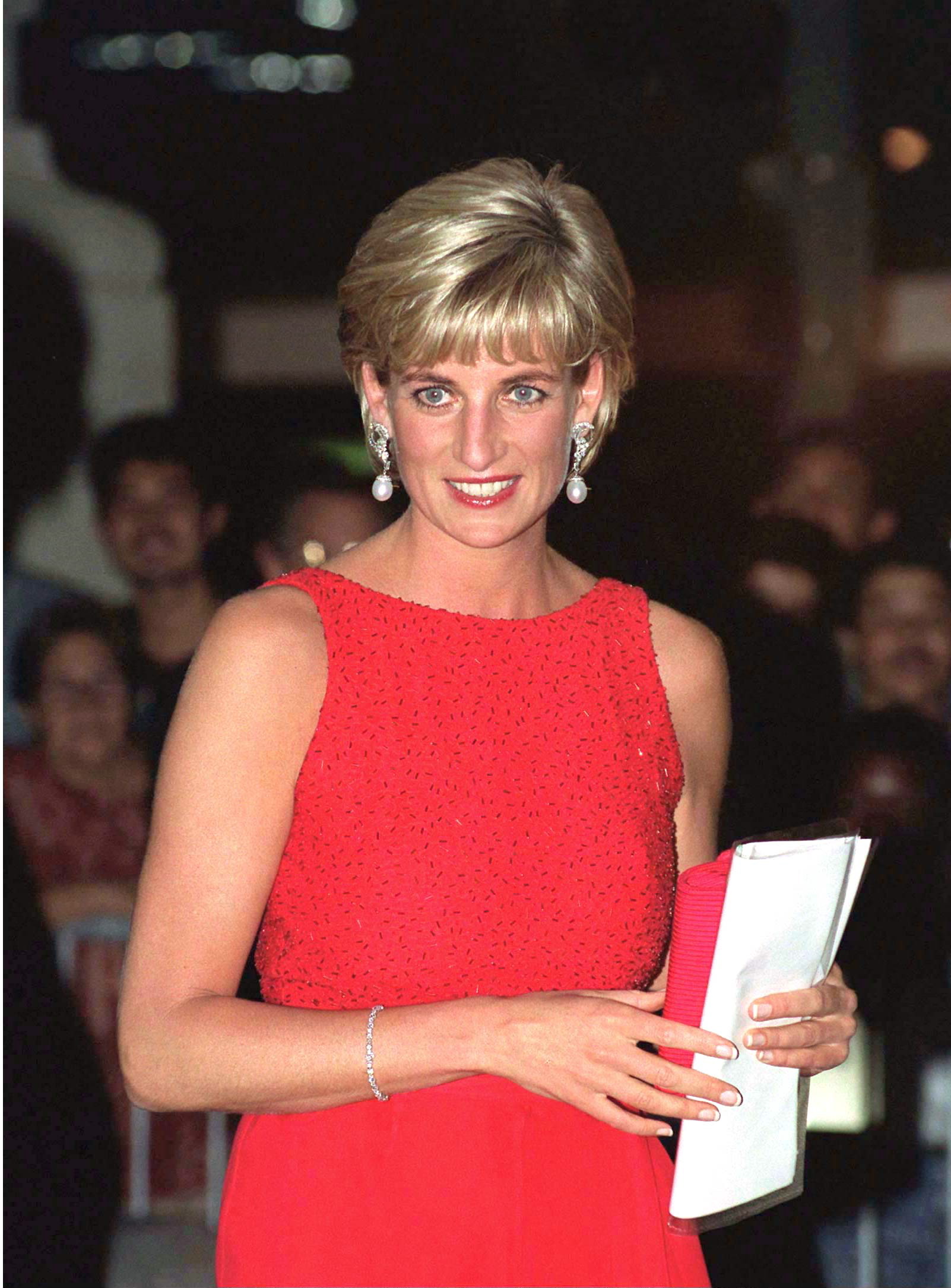
When it comes to Piers Morgan, many have focused on the glaring error in the timeline of events that Earl Spencer presented. He linked the intrusive gym images of Diana, published on the front page of the Sunday Mirror in 1993, to the former America's Got Talent judge. Yet, of course, Morgan did not join the Mirror Group until 1995, two years after the hidden camera pictures were published and a matter of months after the £1million ($1.58million) settlement was agreed.
Even when he did join the media group, Morgan had a lack of input into the publication of The Sunday Mirror itself. Indeed, in his book The Insider, Morgan recalls a 'screaming row' filled with expletives with Bridget Rowe, editor of The Sunday Mirror, over pictures of Diana and Dodi Fayed that she secured for £300,000. He was angered as his daily edition was completely excluded from the deal - going to prove that both titles had different editorial teams.
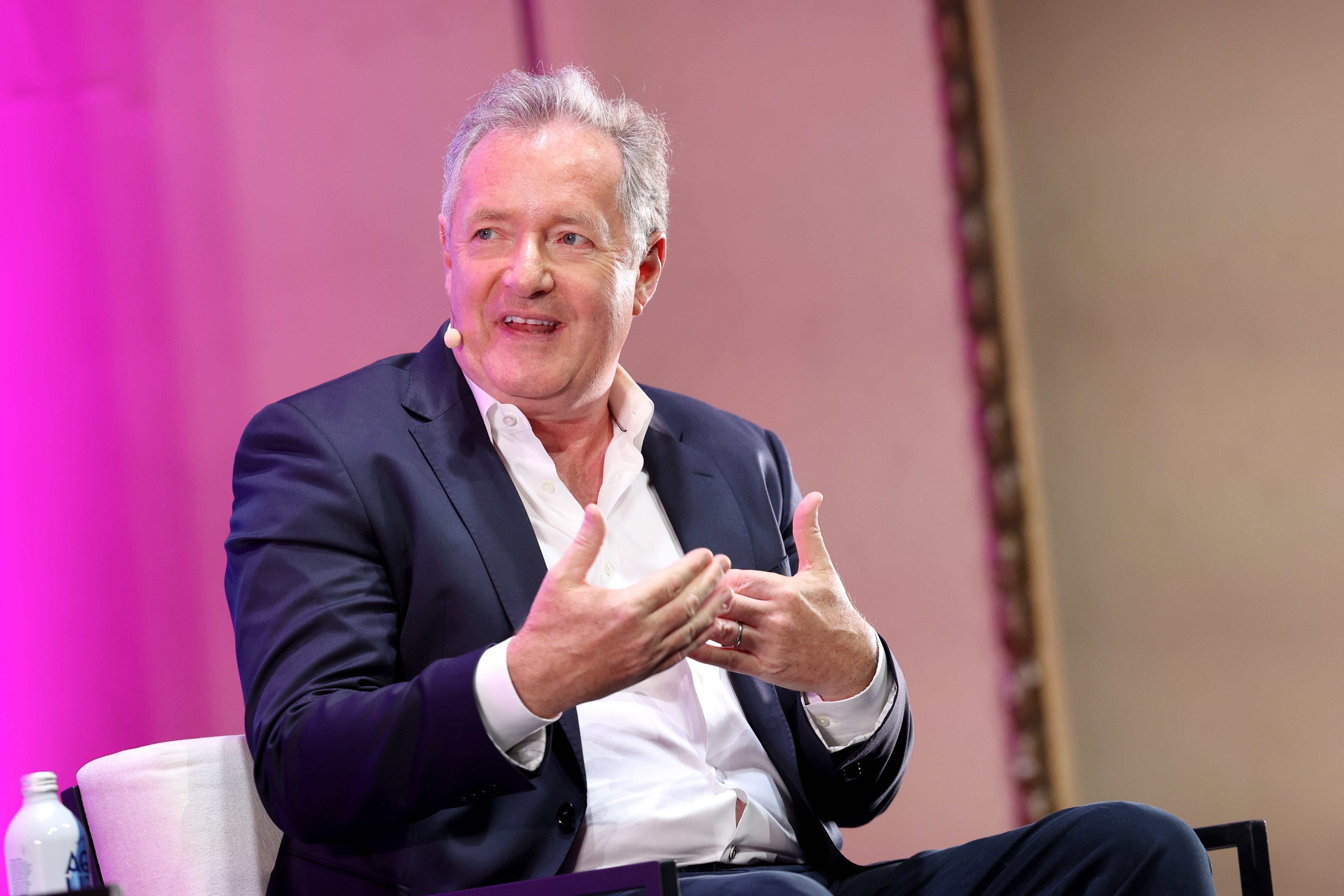
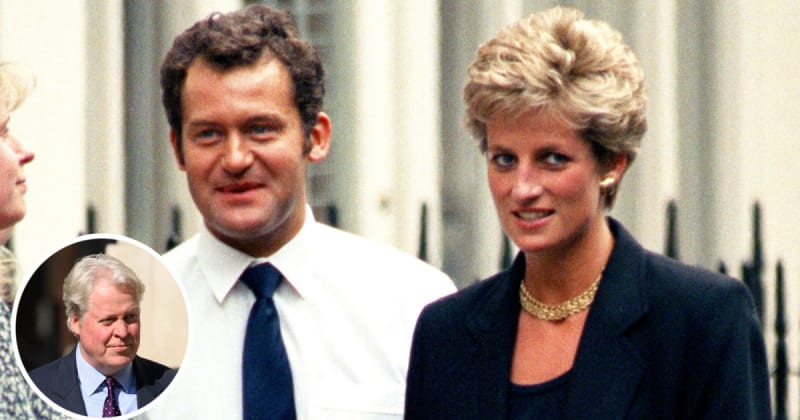
However, the details of the phone call between Earl Spencer and Morgan are perhaps what is most intriguing about the latest press war. In his new book, Spencer suggested that Piers Morgan behaved in a 'surly' way as he "snarled with annoyance" after the British tabloid editors were uninvited from the wedding. Morgan has since publicly stated, and he also wrote in his own book, that when he first received the invitation to the funeral from the Lord Chamberlain, he was surprised.
He went on to immediately ask if this had been expressly "cleared by the Spencer family," with assurances that it "had been a firm decision to invite the editors of every newspaper." Recalling the call itself, Morgan then wrote: "Basic human decency dictates that you don't argue with someone who has just lost their sister." He continued, recalling his own words: "It goes without saying that we will respect your wishes. Could you please pass my personal condolences to your mother, as we have always got on well? Thank you."
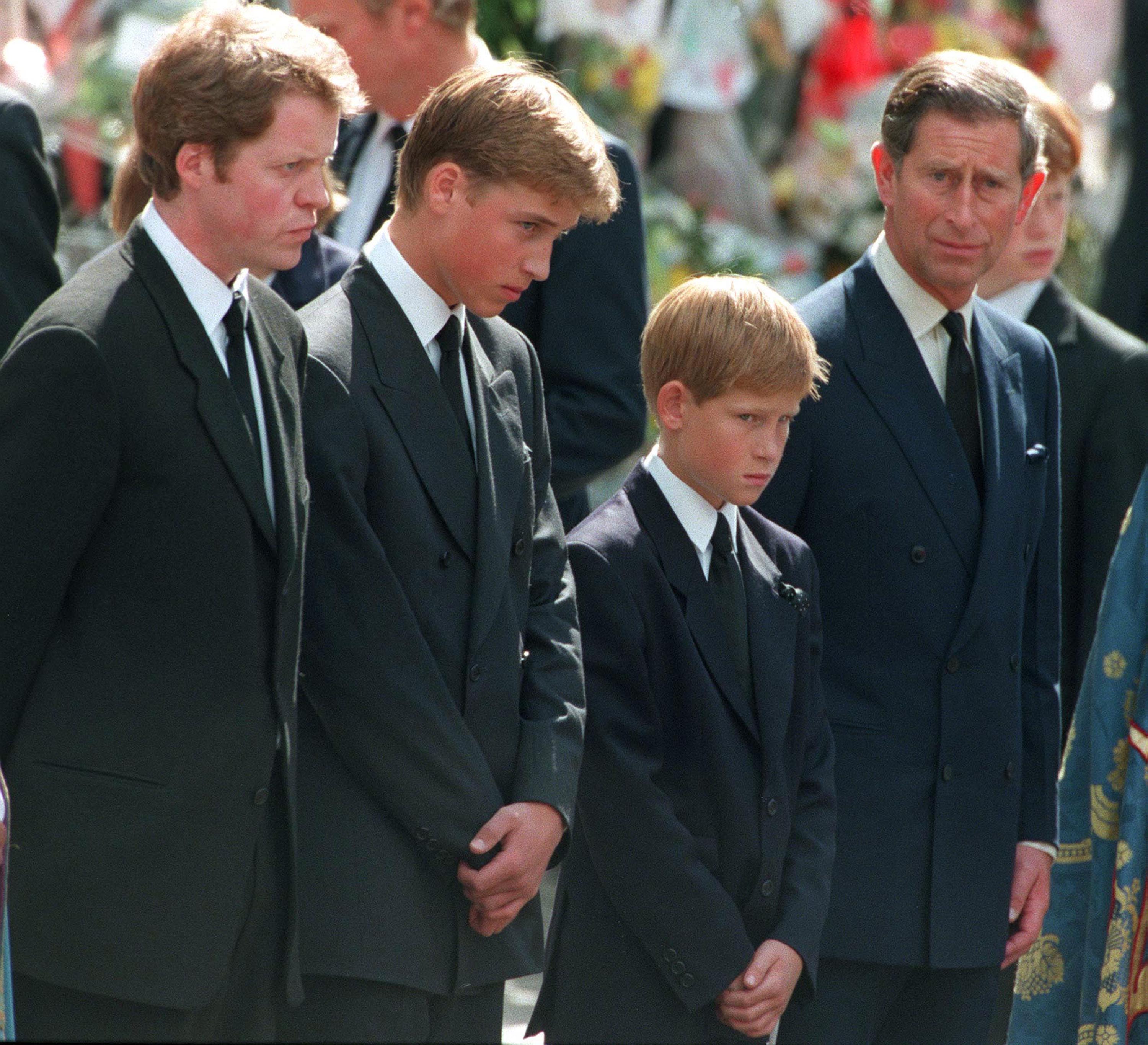
That is not a call of someone who is 'snarled'; if anything, it shows that, regardless of his editor job, on a human level Morgan goes above and beyond to send a personal message to someone that means a lot to him (Frances Shand Kydd). After Buckingham Palace's statement, many commentators have suggested that when someone incredibly close passes, it's those intimate moments in the aftermath of their death that stay in the memory forever during the process of grief.
Earl Spencer's memories clearly have a visceral tone, and he would be keenly aware that the Palace would never truly answer back to every line in the book. But someone like Piers Morgan could absolutely do so for his own reasons. According to Piers, Spencer got their own conversation not just totally wrong, but almost the total opposite of his own account that was first published with direct quotes back in 2005. If Spencer recalled one conversation with a famous figure from that time completely incorrectly, as he appeared to do, what could this suggest about the retelling of his conversations with the King?
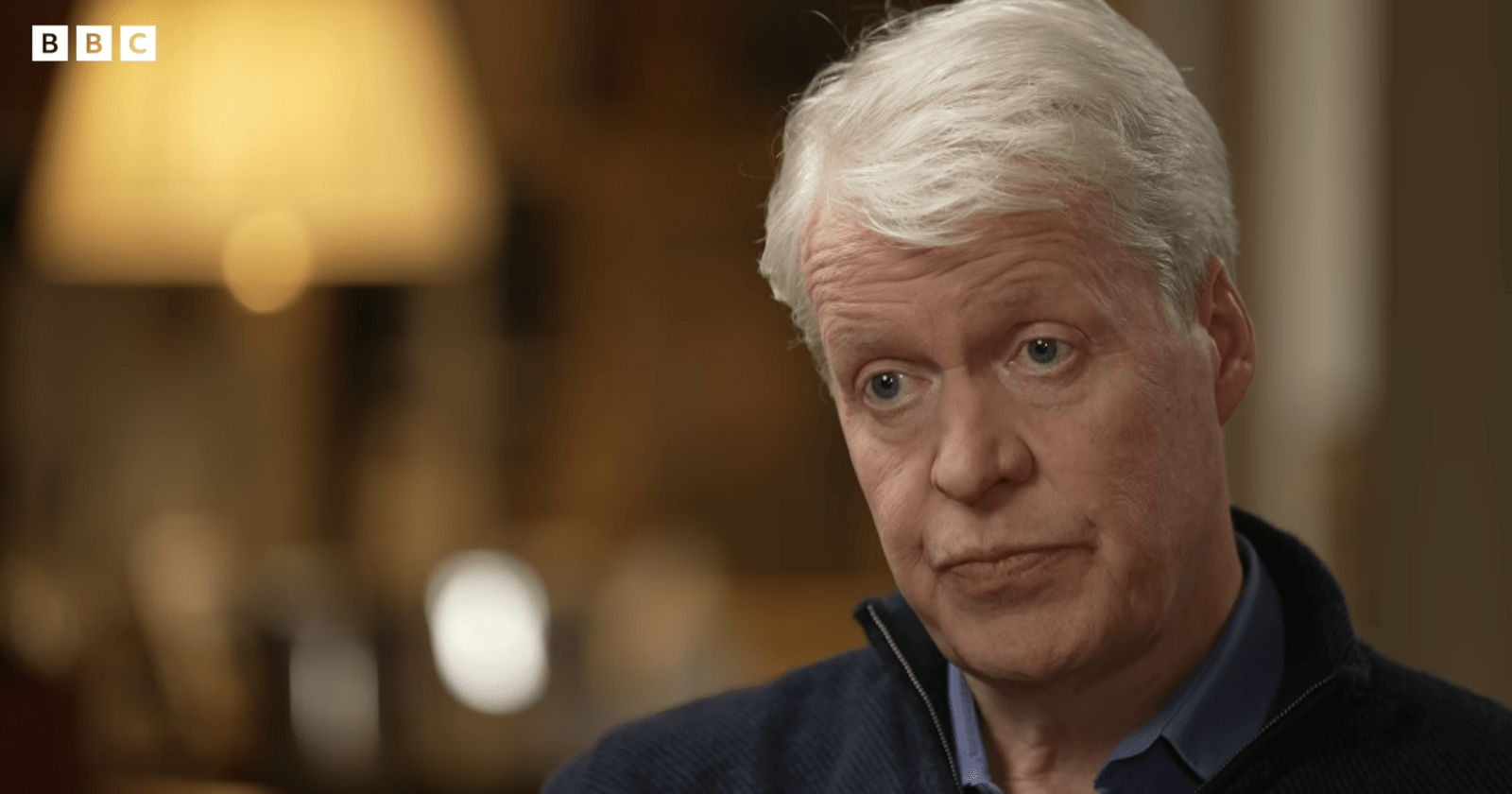
In his interview with Laura Kuenssberg on the BBC, Earl Spencer stated: "I just felt there was a lightness in his tone about Diana's death, that really jarred with me." When the presenter pressed him on his interactions with the then-Prince Charles, Spencer then remarked: "Well, I'm reporting every word in this book. I report exactly as I saw it and felt it at the time, and I was surprised at the giddiness of his tone. That's what I'm recording there." Kuenssberg then remarked that in the book Spencer suggests that Diana's death was 'convenient' for Charles because he would be able to marry Camilla Parker Bowles. When she pressed Spencer further on The King's thoughts, he replied: "I cannot be sure; I'm saying that's what I assume from the tone is a possibility. That's all I can do."
Spencer continuously emphasises that he is a historian, keen on accuracy, and that this book is a loving and factual tribute to his sister. Yet, his media interviews seem to contain a rather different framing. In his television interview, Spencer repeatedly emphasised what he personally ‘felt’. In British law, personal opinions are protected to an extent under the right to free speech, and when the journalist pressed him on the specific - but alleged - ‘giddily elated’ interaction with King Charles detailed in the book, Spencer emphasised that he was giving his own opinion rather than simply stating it as fact.
With disputed timelines, differing recollections, those who were there offering starkly different accounts and an apparent reliance on personal opinion, can Earl Spencer’s version of events really stand the test of history?