Charles Spencer: Does One Factual Error Undermine an Entire Royal Memoir?
EXCLUSIVE ANALYSIS: Earl Spencer apologised to Piers Morgan for an 'incorrect assumption', but a number of questions still remain over his bombshell Diana memoir.



EARL Spencer's apology to Piers Morgan over an error in his new memoir has sparked a wider debate about accuracy, accountability and whether one proven mistake should cast doubt on an entire book.
The publication of Swan Song: Diana, My Sister on Tuesday, 22 September, was already attracting considerable attention because of its allegations about King Charles and the events surrounding Princess Diana's death. However, a dispute involving broadcaster Piers Morgan has introduced a different controversy altogether, as the former America's Got Talent judge has threatened legal action against Spencer and his publisher, Penguin.
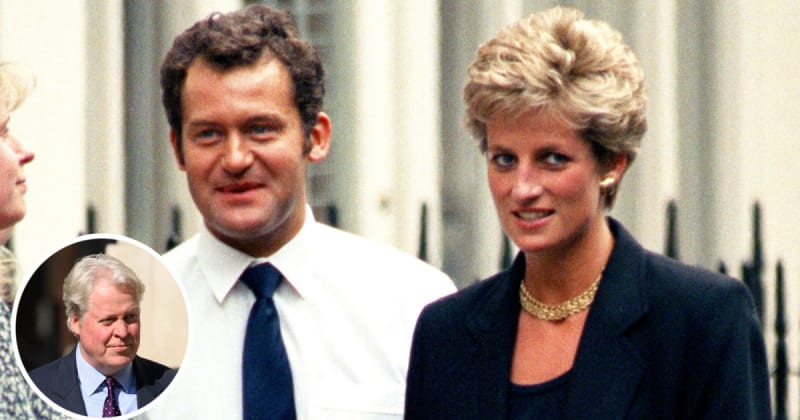
In his memoir, Spencer describes telephoning newspaper editors to withdraw their invitations to Diana's funeral in September 1997. He recalls an unpleasant exchange with Morgan in the days following her death as he linked the broadcaster's alleged reaction to the publication of intrusive photographs of Diana exercising at a gym which appeared in the Sunday Mirror on 7 November 1993.
However, Morgan vehemently denied any responsibility for publishing those photographs, pointing out that he didn't become editor of the Daily Mirror until October 1995. At the time of the publication of the images, Morgan was the editor of The Sun's highly popular showbiz column, Bizarre. Spencer subsequently acknowledged that he had incorrectly assumed Morgan was editor at the relevant time and issued a public apology.
Morgan also recalls a completely different version of the alleged phone conversation, where rather than 'snarling' as Earl Spencer wrote, Morgan goes on to specifically pass his condolences to Spencer's mother, Frances Shand Kydd, whom he claimed to have developed a friendship with. Conversations around the book have now become a prolonged media war over a verifiable sequence of events, rather than purely focussing over the role and alleged reactions of certain individuals.
Morgan has said he intends to continue pursuing legal action against Spencer and Penguin, seeking the removal of the disputed material and damages to be donated to the King's Trust. Spencer, meanwhile, has said that the electronic version and future printed editions of the memoir will be corrected, but he does not intend to withdraw the existing first edition from sale. The disagreement therefore extends beyond the original error to questions about the appropriate response when inaccurate allegations have already reached readers.
Spencer is an established author and historian, and his book makes serious claims about people whose reputations may be affected by its contents. Readers may reasonably expect those claims to have undergone careful scrutiny before publication. Morgan has explicitly questioned why readers should accept other accounts in the memoir when Spencer was mistaken about very basic facts about his involvement (or complete lack thereof) in the gym photographs.
Others, however, may argue that one acknowledged error does not automatically invalidate every other recollection in a book. Memoirs are built around personal experiences, conversations and memories. A mistake concerning one historical detail does not independently establish whether unrelated events happened as described. Equally, the existence of genuine personal memories does not guarantee that every detail has been recalled accurately. The central question is whether each significant allegation can be examined on its own evidence, rather than accepting or dismissing the entire memoir because of a single mistake.
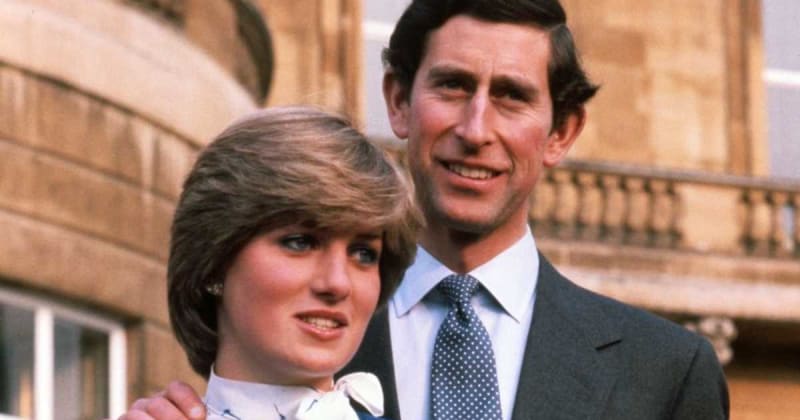
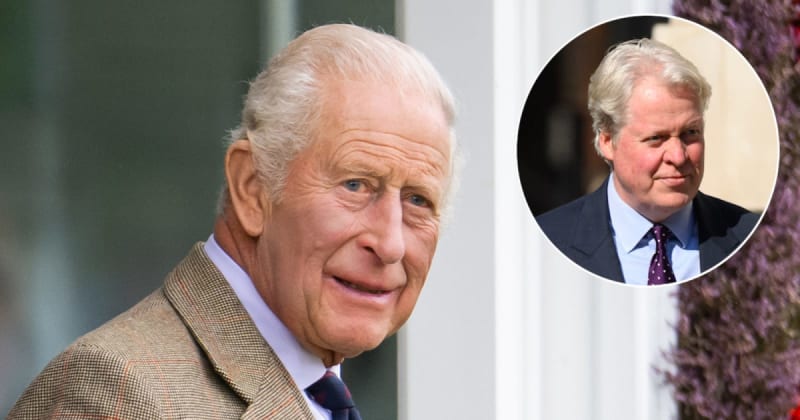
Spencer's memoir has also generated controversy over his account of conversations with the then-Prince Charles following Diana's death in 1997. Among his allegations is a claim that Charles suggested Diana would soon be forgotten during a disagreement about her funeral arrangements. Buckingham Palace has challenged Spencer's recollections, suggesting that intense grief can affect memory and judgement. Spencer has rejected that interpretation and maintains that his account is truthful.
Unlike the Morgan error, which can be checked against newspaper publication dates and employment records, a disputed private telephone conversation from nearly three decades ago is impossible to establish independently. Some may suggest that Spencer's admitted mistake gives readers additional reason to scrutinise his recollections of conversations involving the King. Others may argue that the two matters should be considered separately, particularly when an error about someone's employment history does not establish what was said during an unrelated telephone call. Neither the correction involving Morgan nor Spencer's confidence in his own memories independently proves or disproves the allegations about Charles.
But the controversy also raises broader questions about the responsibilities of authors and publishers when personal memoirs contain potentially damaging allegations. Historical accuracy becomes particularly important when an account involves private conversations, deceased individuals or events that surviving participants remember differently. Spencer has said he wrote the book as the 30th anniversary of Diana's death approaches and has rejected suggestions that financial gain motivated his decision. As her brother, of course he has a personal perspective on her life that may still be of considerable interest. But publishing that perspective when it involves others away from the central sibling relationship invites scrutiny of how memories have been recorded, checked and presented.
The correction involving Morgan raises a practical question: when an author acknowledges that a published allegation is inaccurate, is correcting future editions sufficient, or should more immediate action be taken? Morgan and Spencer have taken different positions on that issue.

Earl Spencer's apology to Piers Morgan has added another dimension to the controversy surrounding his memoir. For some readers, it also demonstrates the importance of assessing each account individually rather than drawing conclusions about an entire book from one error. As the debate over Diana's life continues, the distinction between documented facts, personal memories and unverified allegations is particularly important. One factual error may raise questions about a memoir's reliability, but answering those questions requires examining the evidence behind each claim.