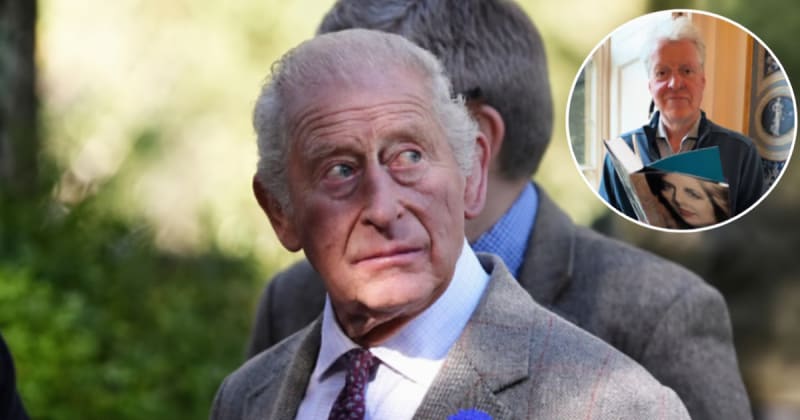
Are We Forgetting the Person That Was Princess Diana?
EXCLUSIVE ANALYSIS: Behind the royal legend was a woman, mother and sister. Have we lost sight of Diana herself?
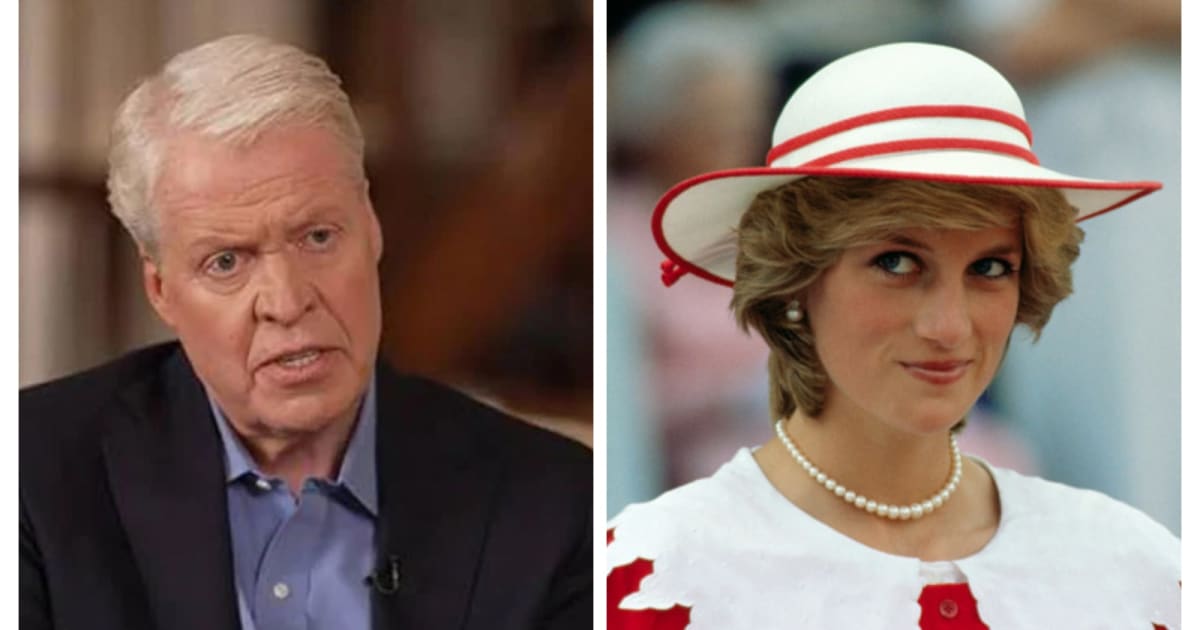


NEARLY 30 years after her death, Princess Diana remains at the centre of royal controversy. But as old memories become new accusations, are we in danger of forgetting the woman behind them?
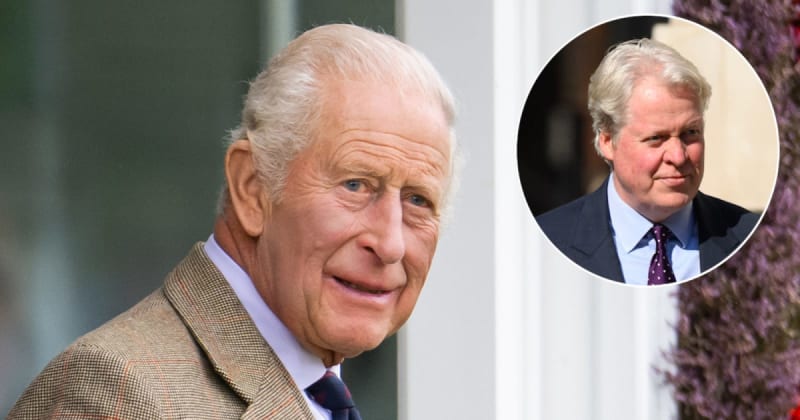
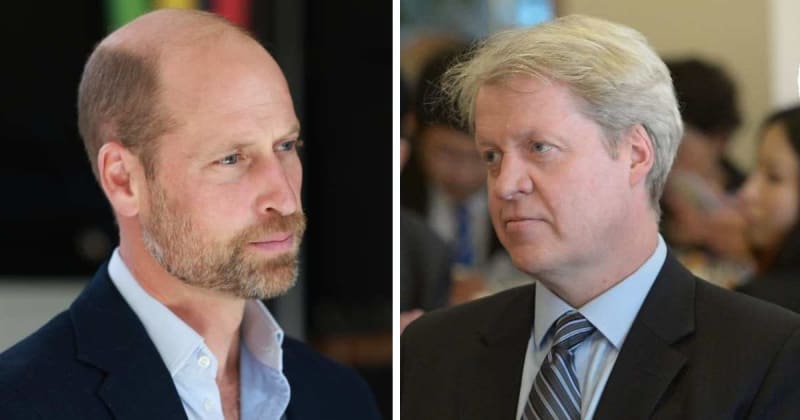
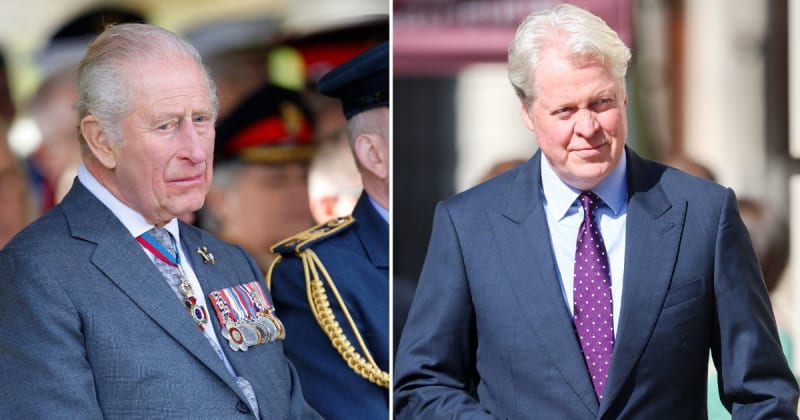
The late Princess of Wales has once again become the centre of a major storm surrounding royal circles. Her brother, Earl Spencer, has made a series of extraordinary claims in his forthcoming memoir Swan Song: Diana, My Sister, including allegations about King Charles's behaviour immediately following Diana's death.
Among them is Spencer's claim that, during an argument over whether William and Harry should walk behind their mother's coffin, the then-Prince Charles told him: "We'll forget her soon enough." Buckingham Palace pushed back strongly, saying that "the pain of fraternal grief can cloud reason, affect judgment and colour memory". Spencer has subsequently stood by his account and accused the King of "gaslighting" him. It is a remarkable public dispute.
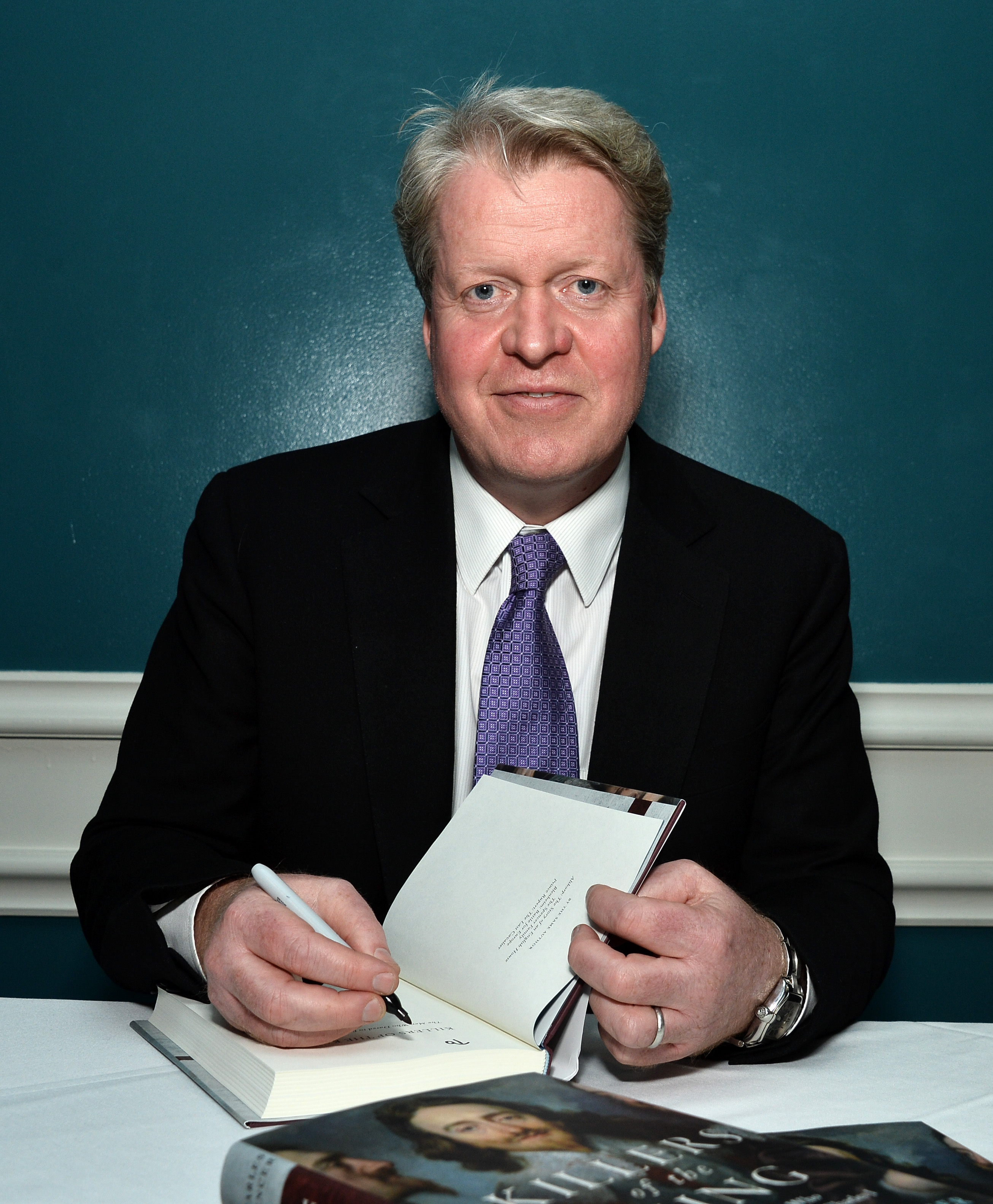
But it also raises a rather different question: Where is Diana in all of this? Her memory has become extraordinarily powerful currency. For almost three decades, conversations about Diana have been used to examine the monarchy, criticise the press, understand William and Harry, reassess Charles and Camilla, and revisit decisions made in the extraordinary days following her death. Earl Spencer was Diana's brother. He knew her in a way the public never could, and he's previously said that he wants to put his own memories on record rather than continue reading other people's versions of his sister. There is value in first-hand testimony. But memories can also collide.
There is also an uncomfortable question about monetary value. In 1998, Earl Spencer was emphatic when challenged over suggestions that he might benefit financially from his sister's legacy, as he declared: “I’ll never profit from Diana’s death". Nearly three decades later, that promise has resurfaced as he promotes a commercially published memoir centred on Diana, with critics and royal followers questioning whether his position has become harder to reconcile with those words. Perhaps that points to a much wider problem. Diana remains extraordinarily famous, influential and commercially valuable almost 30 years after her death. Books, documentaries, exhibitions and endless revelations continue to be produced in her name. Spencer is certainly not alone in benefiting from public fascination with Diana - but his own words inevitably invite scrutiny. At what point does preserving someone's memory become profiting from it?
The Palace's response demonstrates that dramatically. We now have two very different interpretations of conversations which allegedly took place amid unimaginable grief in September 1997. Diana cannot tell us which interpretation she would recognise, perhaps that is the uncomfortable part.
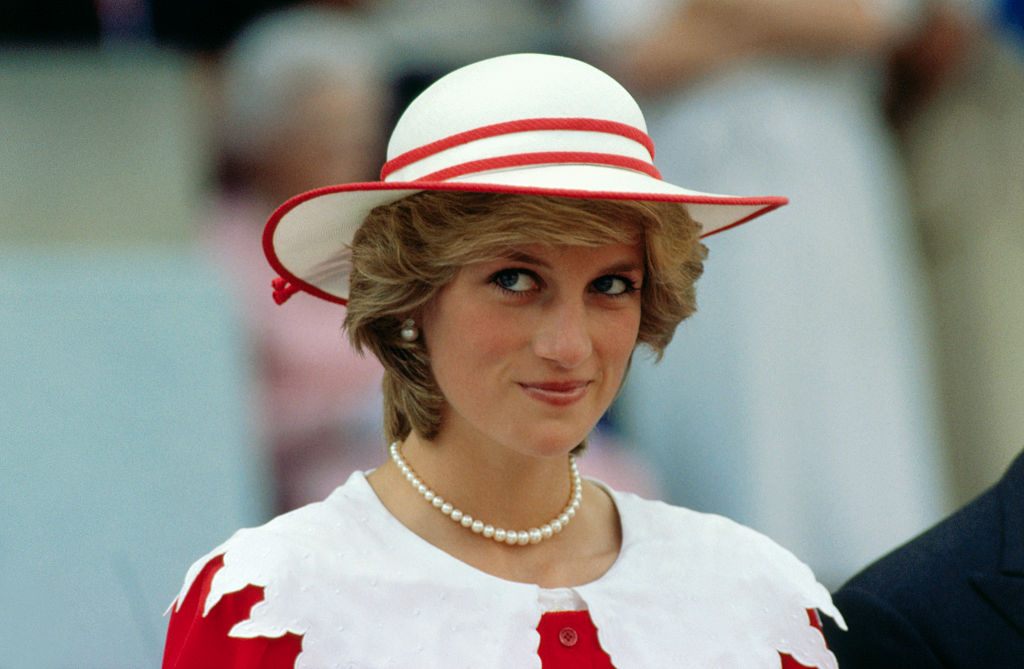
To many, Diana continues to represent compassion, rebellion, motherhood, celebrity, vulnerability, glamour and the changing face of the monarchy. Even her clothes have become part of that legacy - proved by her famous "revenge dress" currently making new headlines ahead of an auction, almost 32 years after she first wore it. But every time another story emerges, another version of Diana is created. There is Diana according to her brother, Diana according to the Royal Family, Diana according to her sons and Diana according to biographers, friends, former employees and television dramas. Then there's the Diana the public knew and loved. The difficulty is that the one person unable to contribute is Diana herself, who sadly died at just 36-years-old.
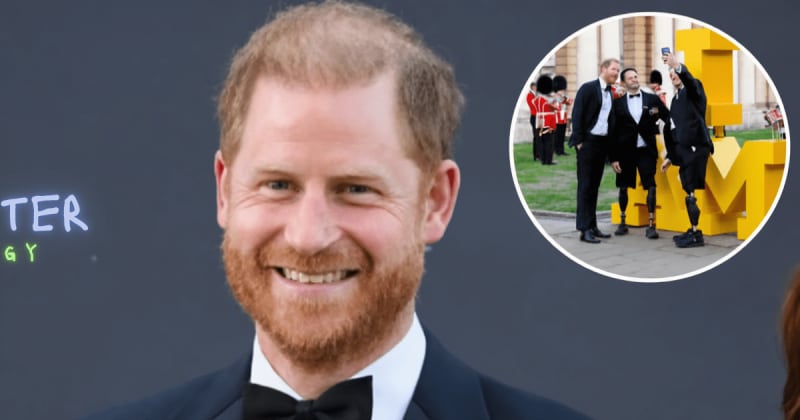
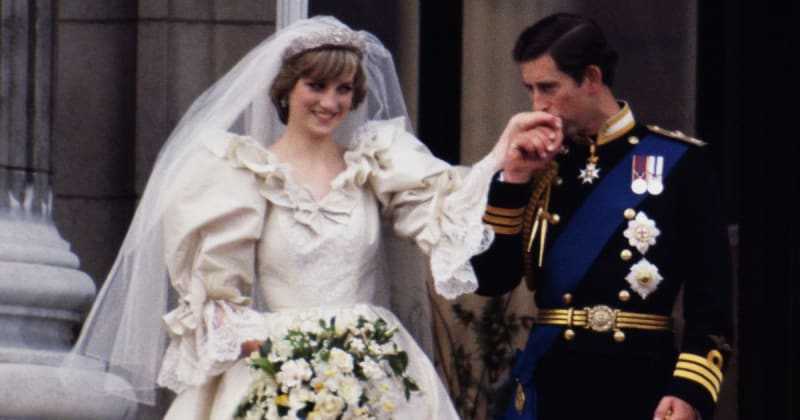
She sadly never had the opportunity to grow older and reconsider her own past. We will never know what she might have said about her marriage at 50, what relationship she might have had with Charles at 60, or how she would view the Royal Family today. Instead, the Diana of 1997 remains frozen in time while everybody around her continues to speak. There's also something much simpler that can disappear beneath all this. Diana was somebody's mother. Prince William was 15 when she died and Harry wasn't even a teenager at 12.
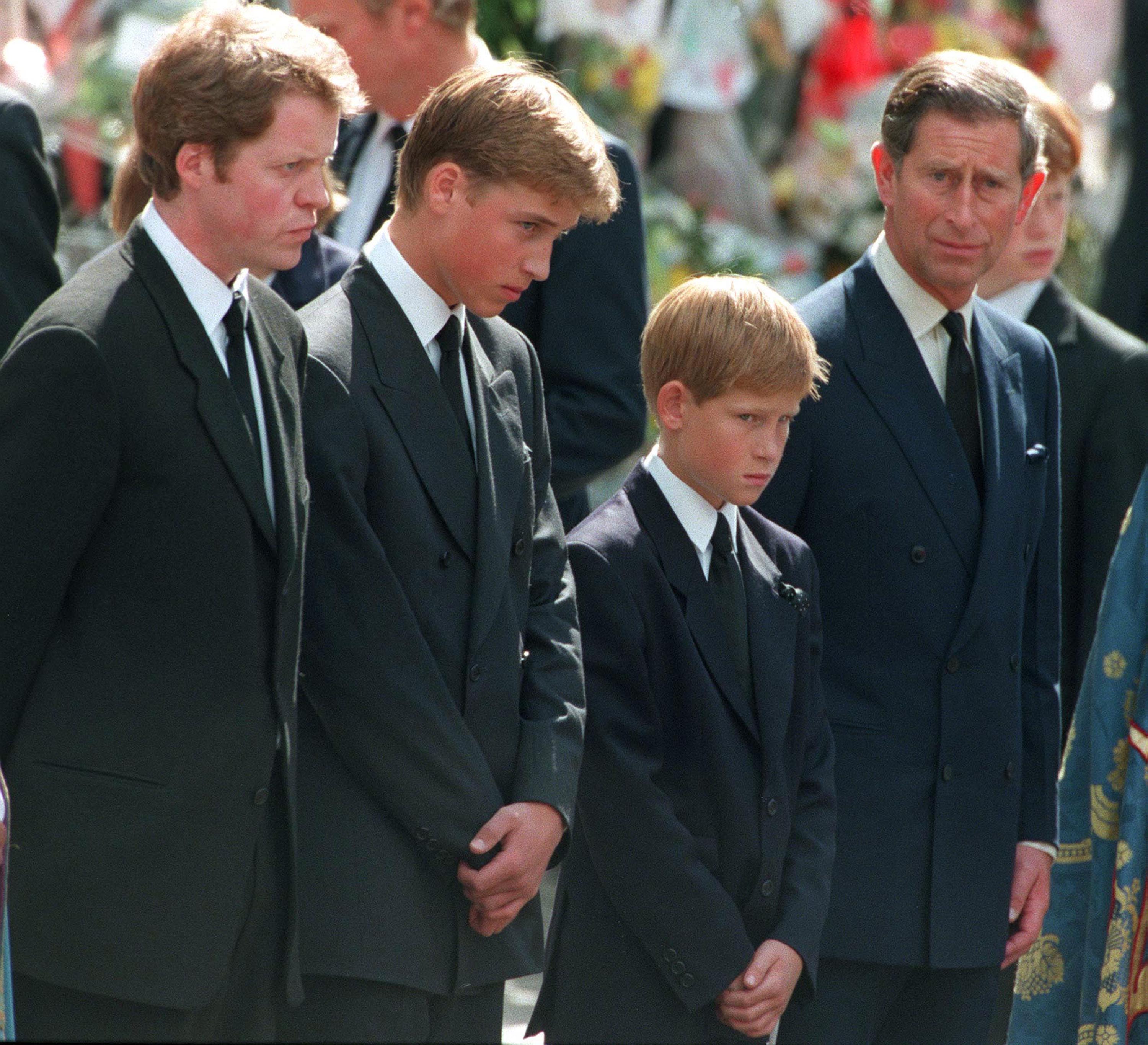
The argument Spencer describes reportedly concerned whether those two boys should walk behind their mother's coffin. Almost three decades later, that intensely personal moment has been the subject of many public debates. It may also help us understand decisions that have fascinated the public ever since. But perhaps Diana's story deserves room to exist beyond blame. Remembering her does not require pretending she was perfect. Nor does it require silencing those who knew her. It simply means recognising the difference between remembering somebody and using their memory to settle arguments they can no longer answer.
The irony is difficult to miss. According to Earl Spencer, King Charles once predicted that Diana would soon be forgotten, a recollection that Buckingham Palace fiercely disputed. Whatever happened in that private conversation, one thing is beyond dispute: Diana was not and could never be forgotten. Nearly 30 years later, her marriage, death, funeral, clothes, relationships and private conversations continue to generate much interest. Perhaps the question now isn't whether Britain remembers Diana. It is what - and who - we are remembering. Behind every revelation, accusation and royal row was a real woman whose story continues, long after she lost the ability to tell it herself.