Diana Had Two Sons - Should William and Harry Have to Answer for Their Uncle’s Book?
EXCLUSIVE ANALYSIS: Both of the princes face questions about their uncle's memoir, but should they have to respond?
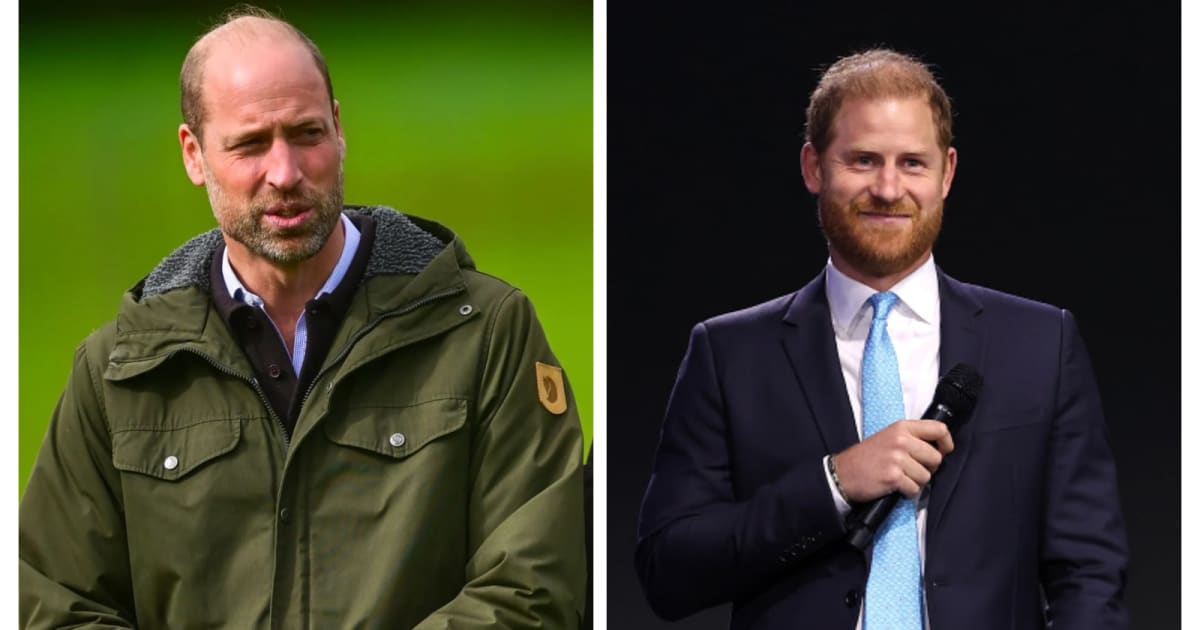


AS EARL Spencer’s latest memoir reignites royal controversy, questions are mounting over whether Prince William and Prince Harry should be expected to speak publicly about their late mother’s private life.
Earl Spencer's latest memoir has reignited controversy surrounding Princess Diana's private life, raising questions about whether Prince William and Prince Harry should be expected to address their family's past. Nearly 30 years after Diana's death, her sons are once again facing public questions about events that shaped their childhood.
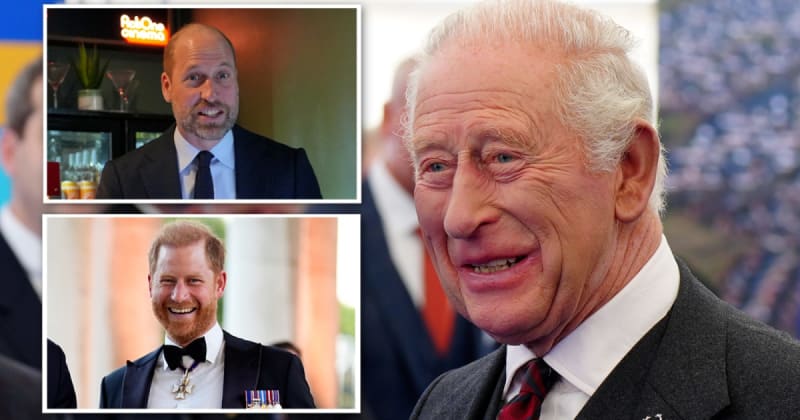
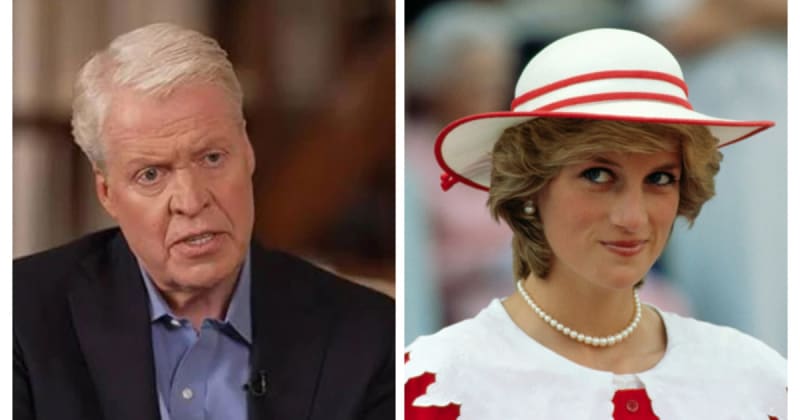
The publication of their uncle Earl Spencer's memoir, Swan Song: Diana, My Sister, has brought renewed attention to the breakdown of their parents' marriage and the difficult days following their mother's death in 1997. But while the allegations have generated considerable interest, a separate debate may have emerged: should William and Harry be expected to respond to their uncle's account? During his visit to ActOne, an independent community-led cinema in west London, on Tuesday, Prince William was questioned about whether he had read his uncle's memoir.
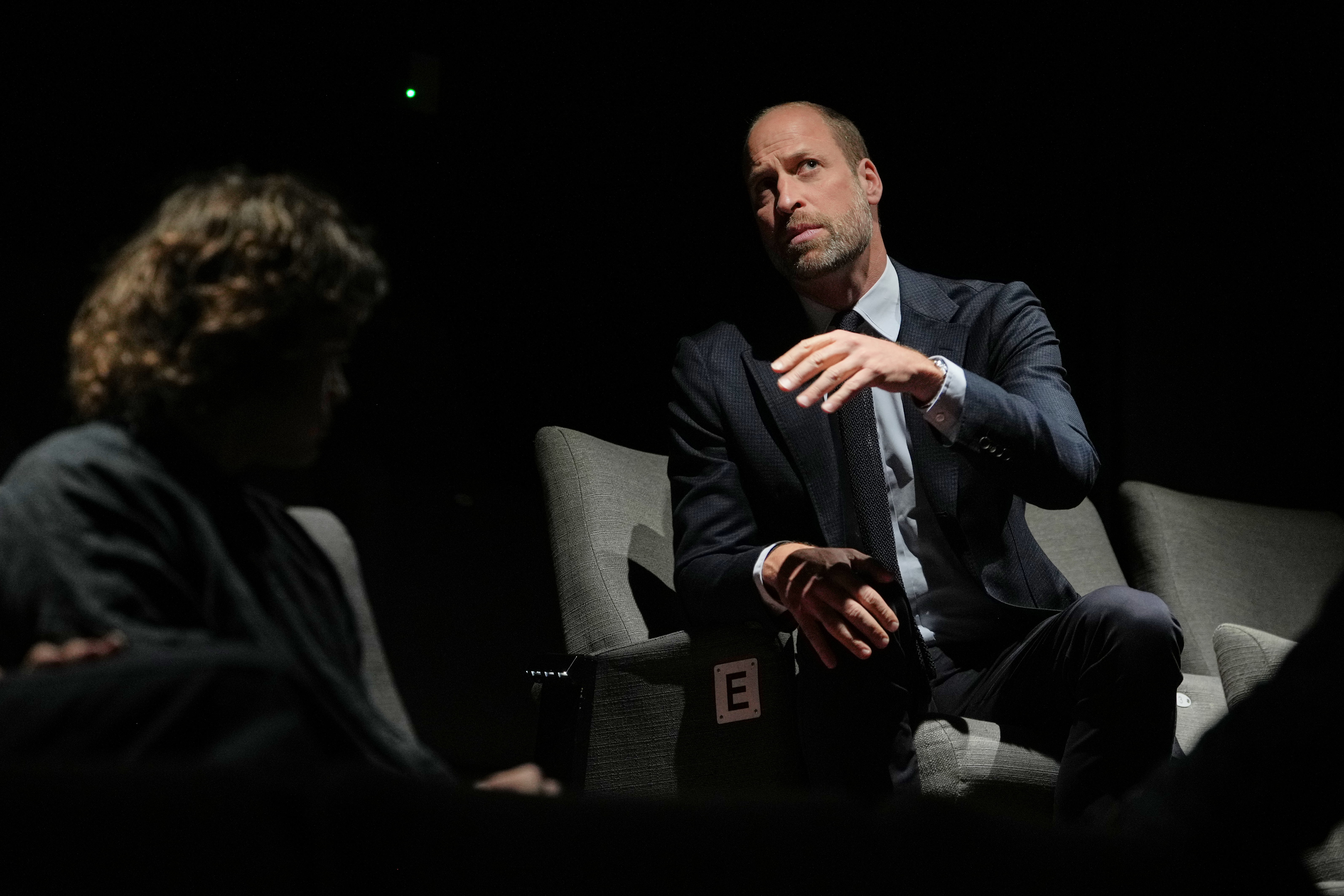
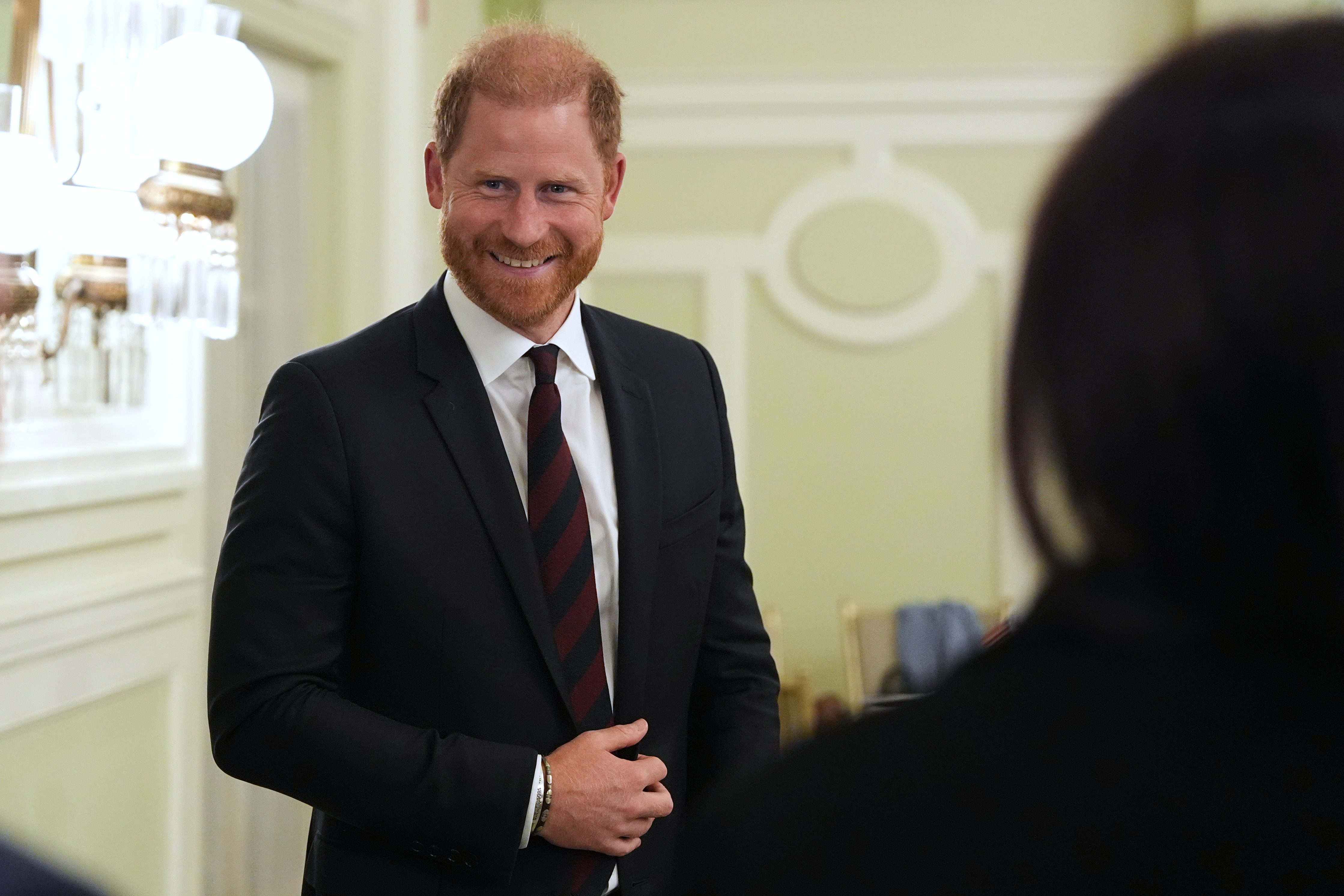
The Prince of Wales did not respond and instead focused on the important work of his engagement, which celebrated British filmmaking, emerging creative talent and the importance of independent cinemas. Prince Harry also faced similar questions about his uncle's book during his recent public appearances at both the Invictus Spirit Awards and the WellChild Awards, where he declined to comment on both occasions.
Both brothers were attending engagements intended to highlight the work of organisations supporting others. However, the renewed controversy surrounding their late mother followed them into the public eye. Their silence has left room for differing interpretations, although neither prince has publicly explained his decision not to comment.
Some may argue that William and Harry have a unique perspective on the events described in Spencer's memoir, particularly when the allegations concern their parents and decisions made following Diana's death.
The book includes Spencer's disputed recollection of a conversation with the then-Prince Charles about Diana's funeral arrangements. Buckingham Palace has challenged that account, suggesting in a statement that memories formed during periods of intense grief may not always be reliable. Spencer, meanwhile, has maintained his version of events, confirming to Lorraine Kelly that he stands by the book. Given the historical significance of Diana's death and its impact on the monarchy, some may consider questions about the memoir legitimate matters of public interest. Others, however, may question whether that public interest should extend to expecting Diana's children to revisit painful family memories whenever new allegations emerge.
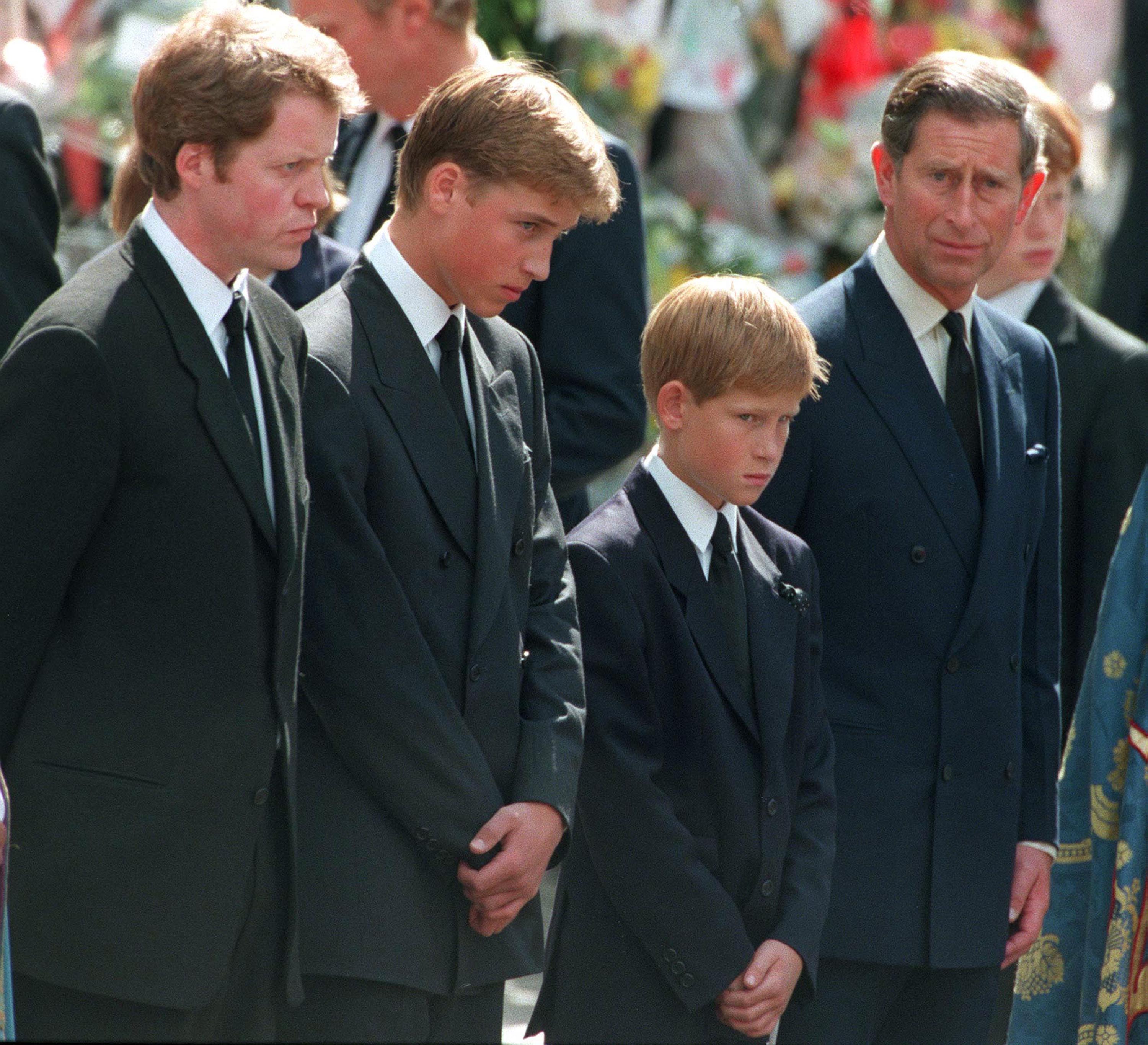
William was just 15 when his mother died, while Harry was 12, and both have previously discussed the lasting impact of losing her at such a young age. Their personal experiences form an important part of Diana's legacy, but that does not necessarily mean they should be obliged to discuss them publicly.
During William's visit to ActOne, he held important discussions with representatives of the Film and TV Charity about mental health and financial wellbeing within the industry. Yet questions about his uncle's memoir demonstrated how easily attention can shift from the purpose of a royal engagement to the family's private affairs. Journalists have a responsibility to scrutinise public figures and ask questions about matters of legitimate public interest.
However, others may suggest that there is a distinction between asking those questions and expecting an immediate response during an engagement dedicated to supporting a charitable cause. A similar argument applies to Harry, whose appearance at the WellChild Awards was intended to recognise seriously ill children and the people who care for them. In both cases, the organisations and individuals being celebrated risk receiving less attention when coverage concentrates on unresolved royal family disputes. The decision not to respond in any case meant that neither of the brothers publicly allowed the controversy to become the focus of those appearances.
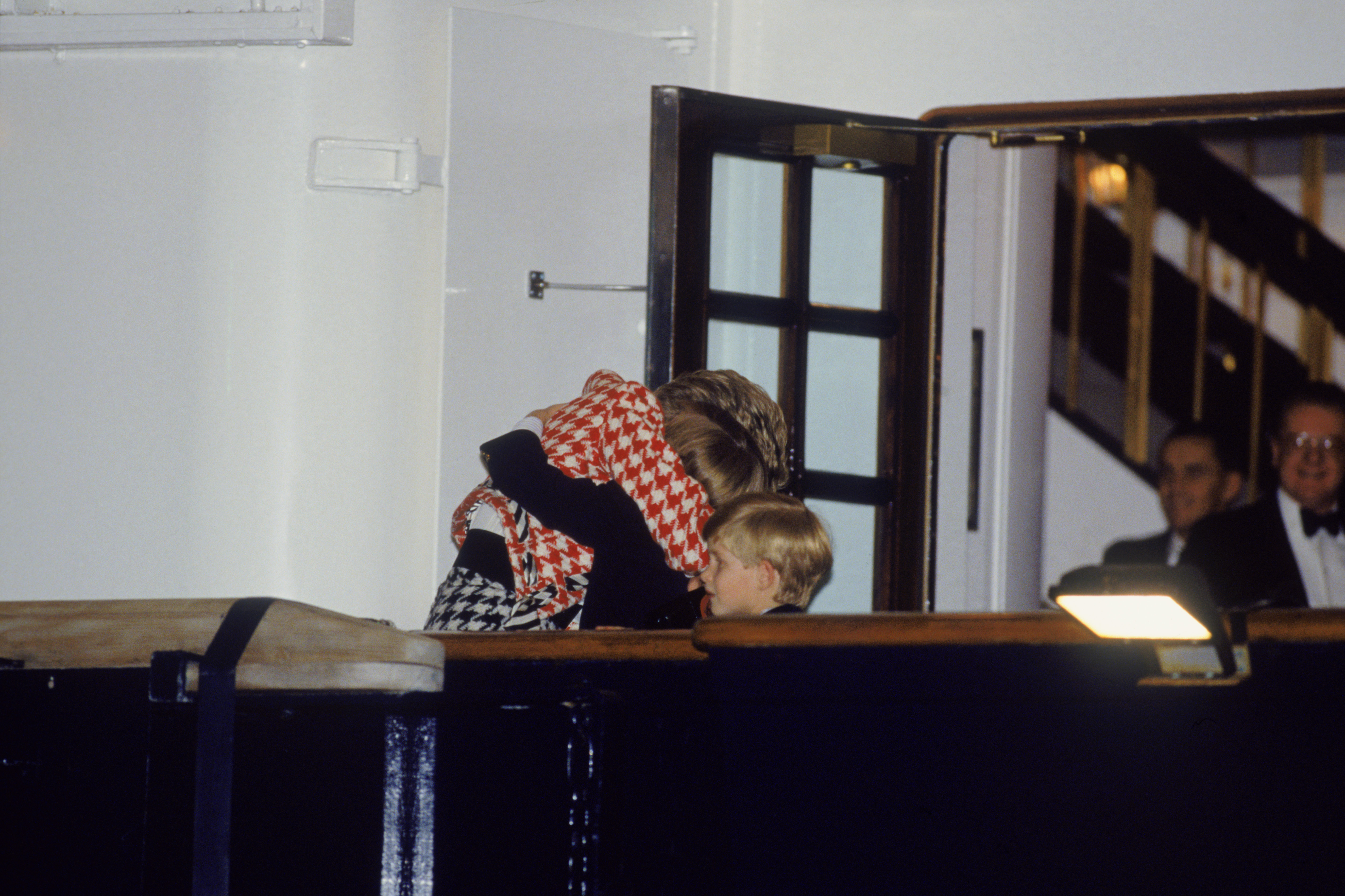
Some may argue that, as Diana's sons, their perspectives could help clarify disputed accounts of the events surrounding her death. Others may question why they should be expected to comment on private conversations they may not have witnessed. For both princes, revisiting those events publicly could bring back painful memories, and neither should automatically be expected to address every new account of Diana's life. Their silence may leave unanswered questions, but it would be unfair to interpret it as agreement or disagreement with their uncle.
Maybe their silence tells us something more than just ignoring the question- perhaps they just don't want to answer questions about their private memories with the late mother. With the 30th anniversary of Diana's death approaching, renewed scrutiny of their family's past could be particularly difficult for the pair to face. Both brothers have previously discussed in their own ways how losing Diana affected them, but both made it clear that her death has understandably had a lasting impact on their lives.
Some may believe that speaking publicly would allow them to challenge inaccuracies or share their own memories, whilst others could suggest that repeatedly asking them to revisit such a personal loss risks overlooking the emotional consequences. Earl Spencer has chosen to share his memories of Diana, but William and Harry have not made the same decision.
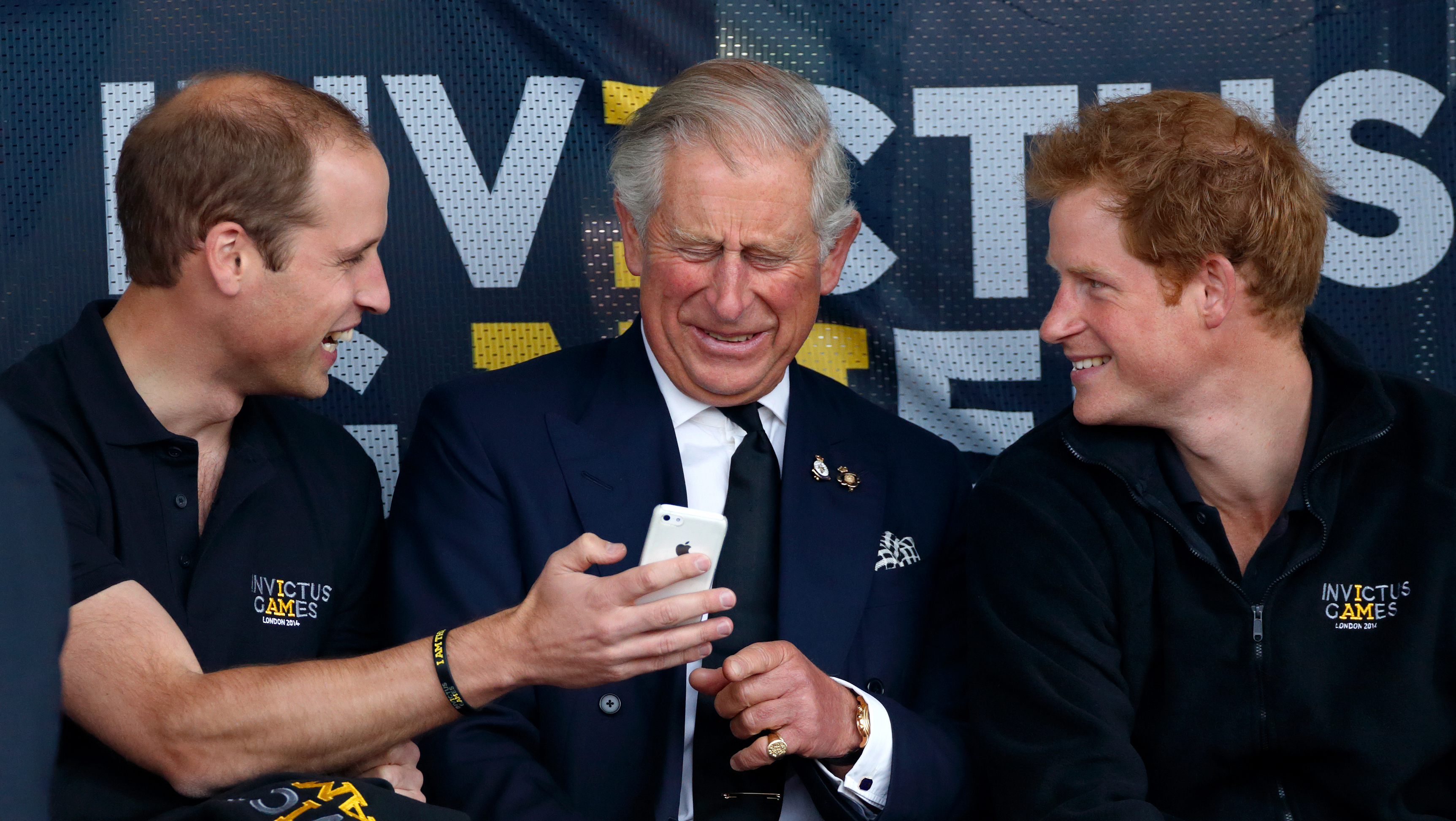
The public has a legitimate interest in the history of the Royal Family, and journalists have a responsibility to examine disputed claims. However, that interest must be balanced against the brothers' right to decide how much of their personal grief they wish to share.
Some may continue to seek answers from Diana's sons, while others may believe their silence deserves respect. Ultimately, the central question is whether William and Harry should have to revisit the loss of their mother simply because another family member has chosen to tell his story.