Prince William at ActOne Cinema: Why This Visit Was About More Than Film
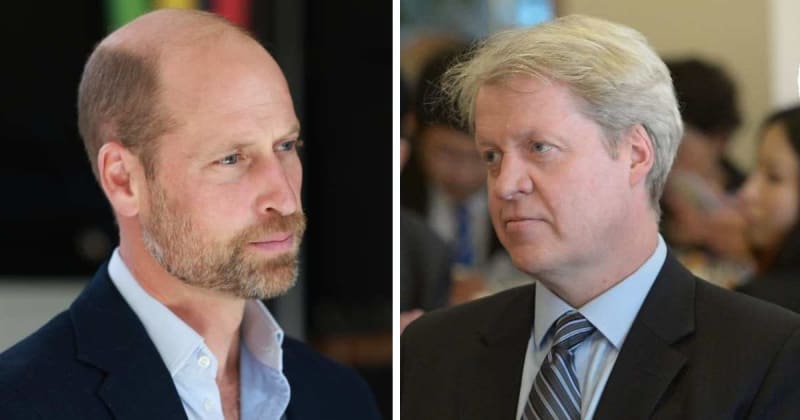
EXCLUSIVE ANALYSIS: As controversy around Earl Spencer's book dominates headlines, William puts British film and young talent in focus
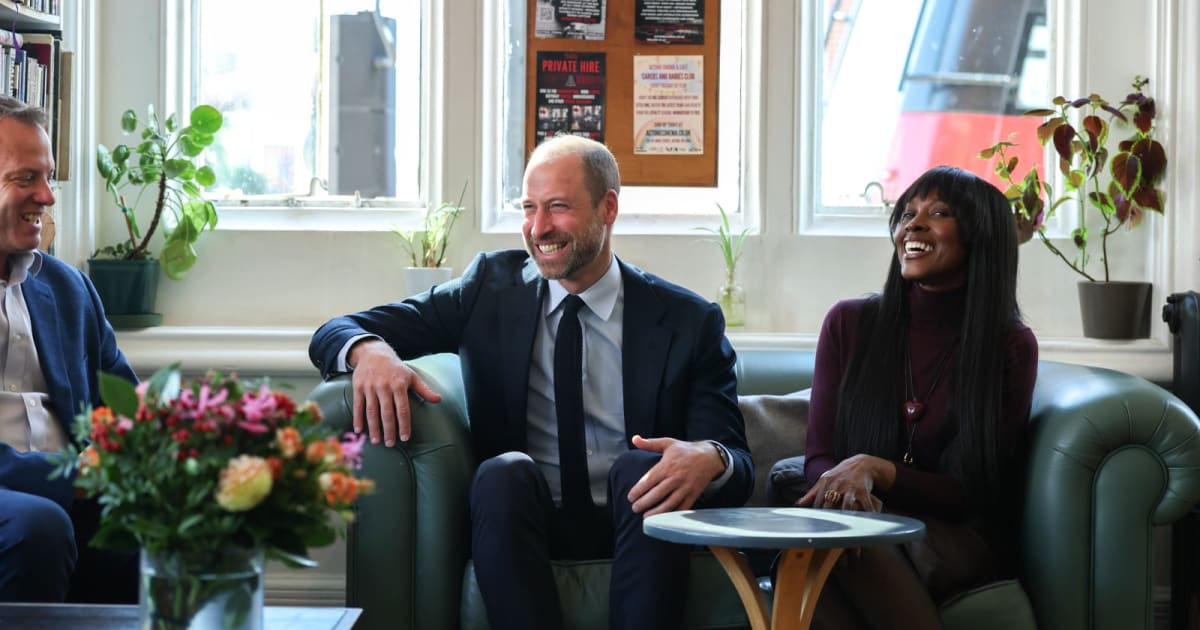


AS controversy continues to dominate headlines, Prince William’s visit to ActOne Cinema offered a timely reminder of the importance of supporting local communities and the people behind the struggling British film industry.
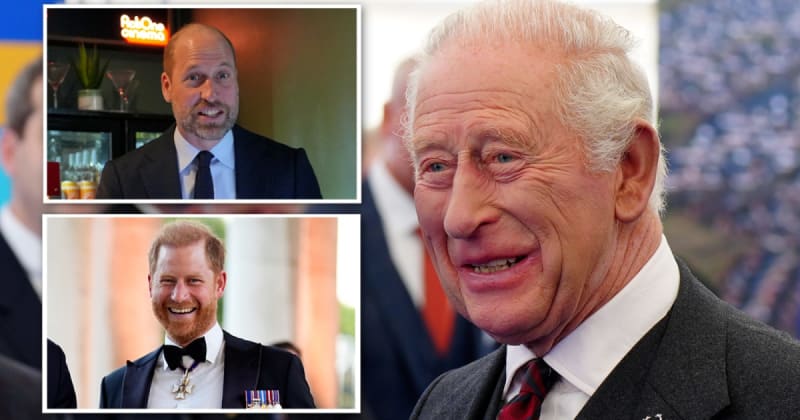
The Prince of Wales visited the independent cinema, ActOne, in West London today, highlighting the importance of independent filmmaking, emerging talent and mental health support within Britain's creative industries. I attended the engagement, where Prince William also faced questions from the press amid the latest controversy surrounding Charles Spencer's book release.
Prince William arrived at ActOne, an independent, community-led cinema in Acton, on Tuesday morning to celebrate the richness of British film and the people who keep the industry thriving. It came at a time when the Royal Family is once again facing scrutiny following the publication of Earl Spencer's memoir, Swan Song: Diana, My Sister. Although the Prince did not respond to questions posed to him by members of the crowd, his visit highlighted an important part of royal life that can - at times like this - become somewhat overshadowed: the organisations, communities and individuals supported through royal engagements.
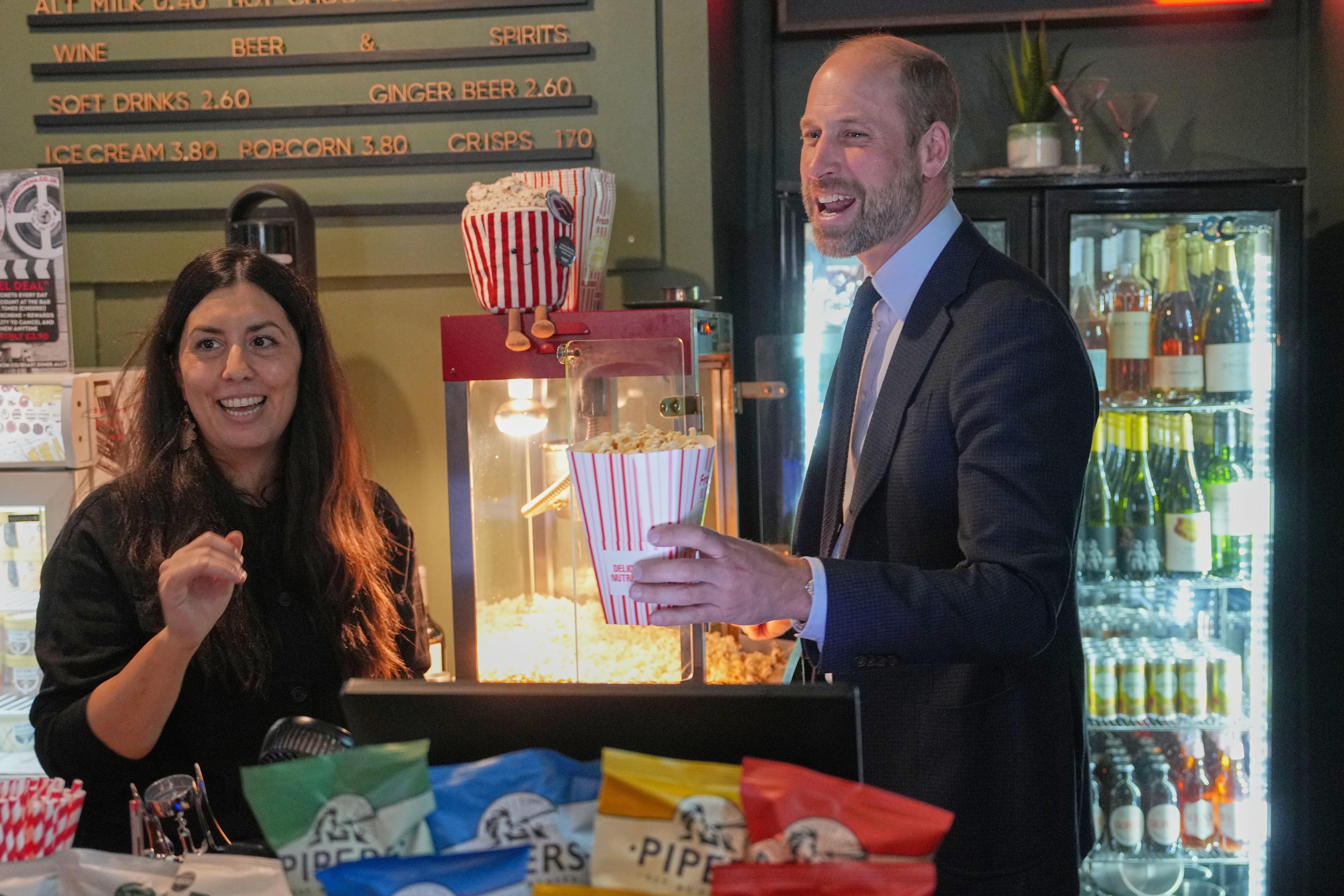
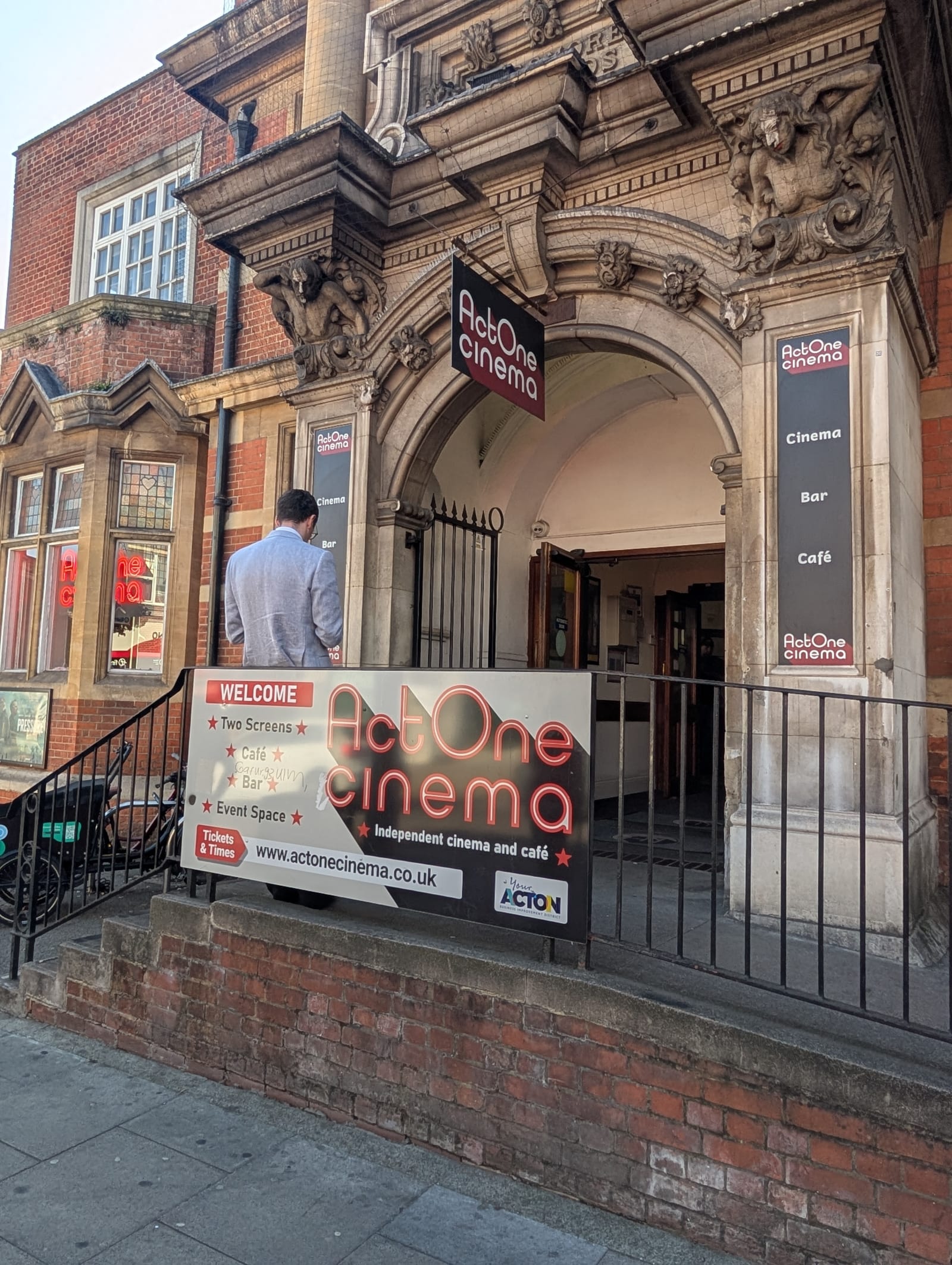
ActOne is not your typical cinema. Situated in the former Passmore Edwards Old Library, it was transformed into a community-led venue following years of campaigning by local residents. More than 100 volunteers helped bring the project to life, creating an independent cinema that now offers film screenings, community events and accessible activities for local audiences.
During today's engagement, William met the team behind ActOne and learned how they have developed the venue into an important hub for the local community. He also met young filmmakers and creators, including those who have received support from the cinema to create and release their own films. This was clearly one of the most important messages behind the engagement.
The British film industry is not simply about Hollywood stars, expensive productions and glamorous red carpets. Passionate young and creative people have stories to tell, but they often struggle in an industry built on certain timing, opportunities, resources or connections which can bring those stories to the big screen. Independent and local cinemas such as ActOne have grassroots initiatives that can help bridge that gap.
Another significant part of the engagement was William's meeting with representatives from the Film and TV Charity. The Prince discussed the charity's work to improve access and inclusion within the industry, alongside its efforts to support the mental health and financial wellbeing of people working in the creative industry. The charity provides practical assistance, including counselling, financial grants and a 24-hour support line for industry professionals facing difficulties.
It's easy to celebrate the success of British cinema without considering the pressures faced by the people responsible for creating it. Freelance workers, technicians, production crews and emerging filmmakers can experience considerable financial uncertainty, particularly when projects are delayed, or work becomes difficult to secure with current economic conditions.
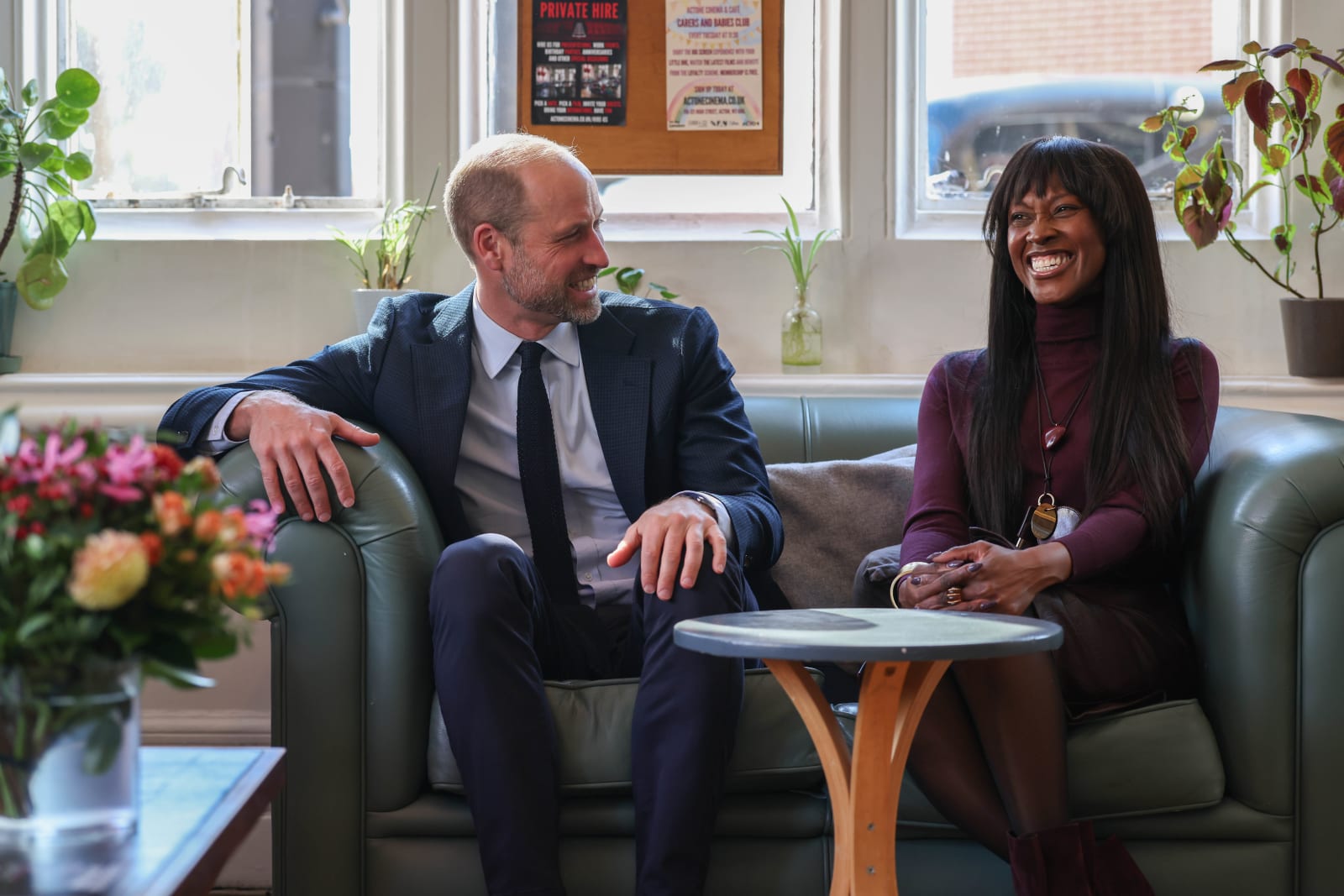
The Prince's discussions brought attention to the importance of ensuring that people working behind the scenes have access to support when they need it. As President of BAFTA and someone who has consistently highlighted mental health through his public work, William's engagement brought together two areas closely associated with his royal duties.
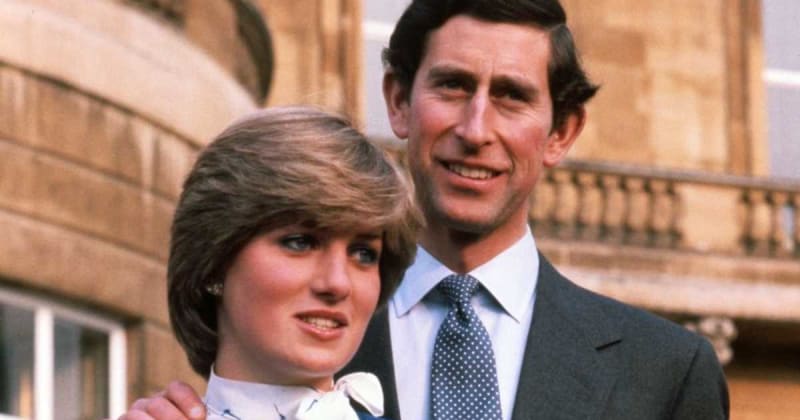
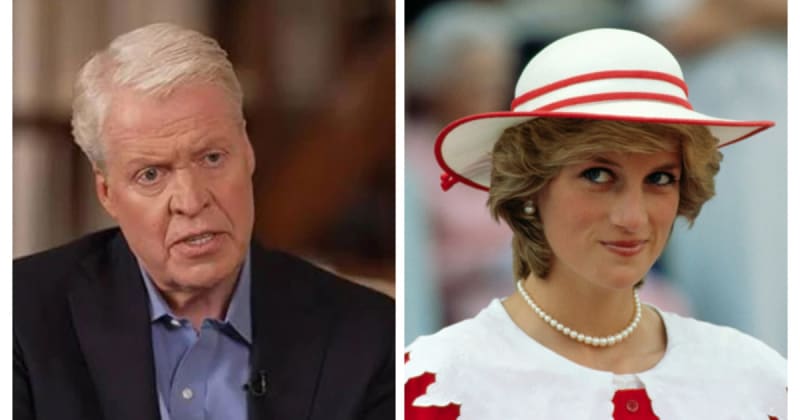
However, the visit took place against the backdrop of another difficult week for the Royal Family. Earl Spencer's latest book, which has been published today, has reignited controversy surrounding Diana, Princess of Wales, and her former husband, King Charles. Spencer has made several allegations about the King's behaviour following Diana's death in 1997, which Buckingham Palace has strongly disputed.
The conflicting accounts of private conversations remain impossible for the public to independently verify. Something, that might be on the mind of the Prince of Wales as he expressed a rather concerned look as he avoided awkward questions when entering the Acton venue.
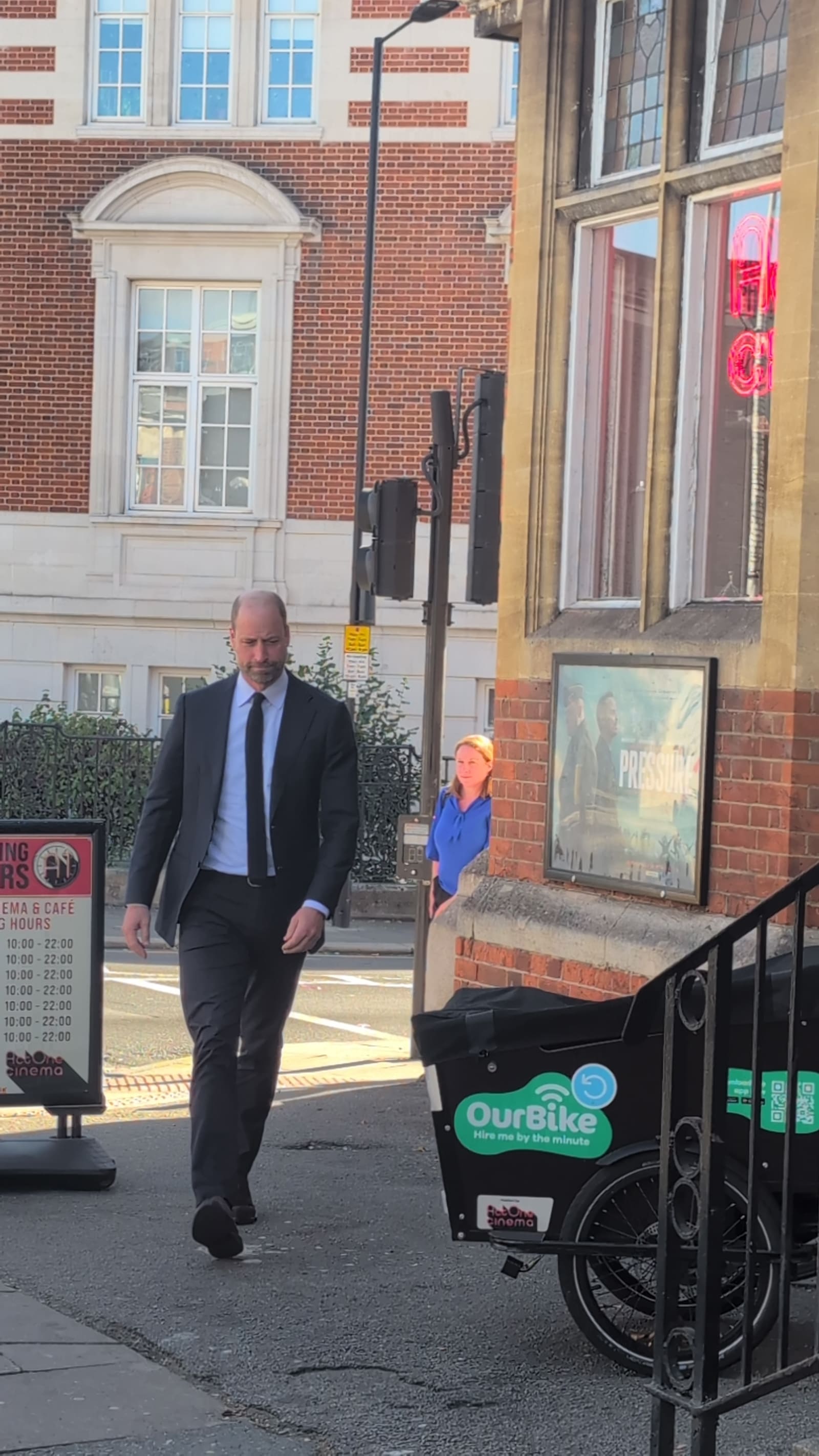
William was present to celebrate the British film industry, support emerging talent and recognise the work of independent cinemas, an important cause, and that should have been the focus of the day. Sadly though, journalists have every right to ask questions; and stories surrounding ongoing family disputes during an engagement like this could feel unnecessarily intrusive.
Having attended the visit myself, I believe there is an important distinction between reporting the facts surrounding a controversy that runs so clearly vivid in the public's imagination nearly 30 years down the line and allowing it to completely overshadow the people an engagement is intended to recognise. The questions surrounding Spencer's book are newsworthy and of course deserve scrutiny - especially when it so obviously goes against his own previous statements - but so does the work being undertaken by organisations such as ActOne.
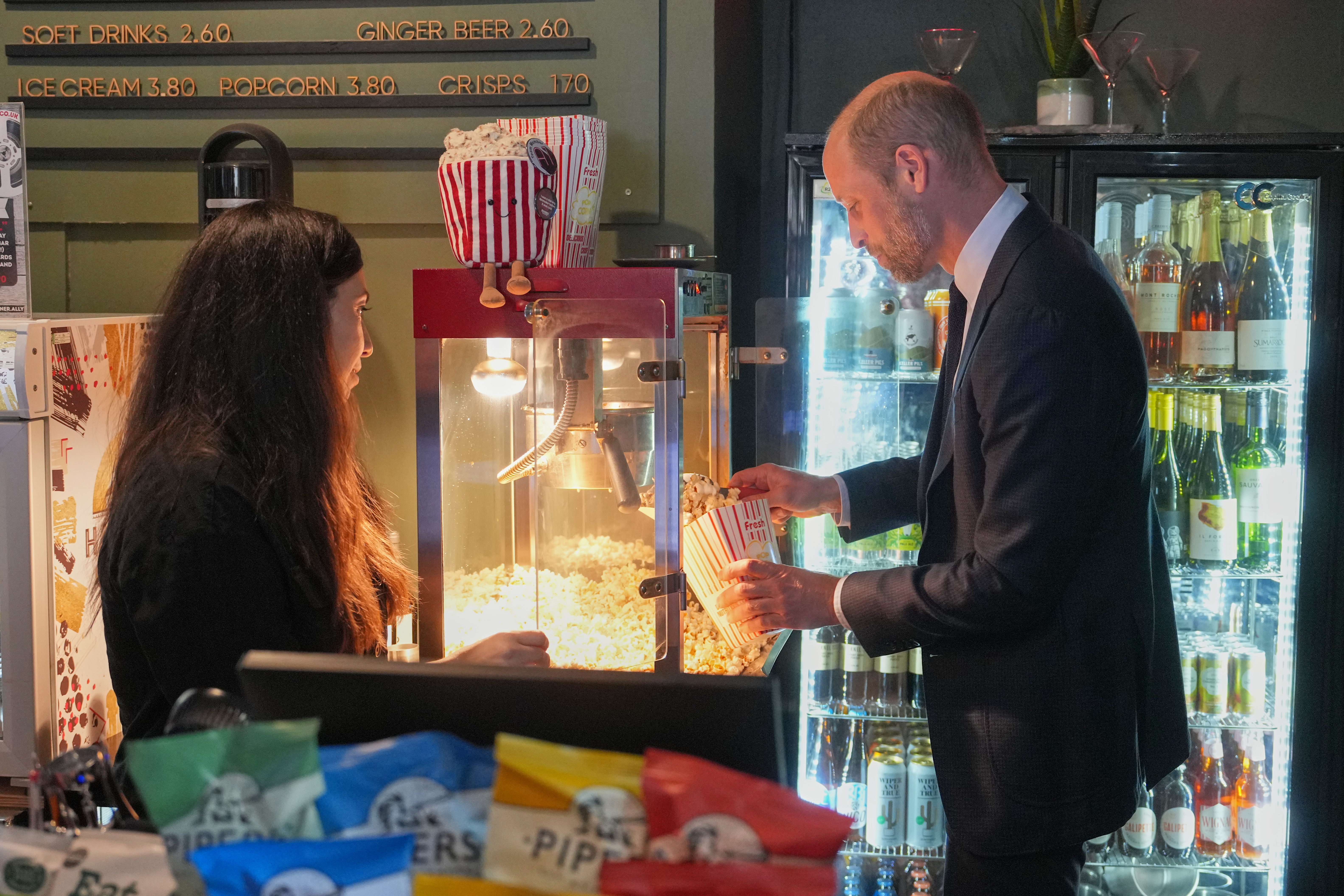
Today's engagement was an important reminder of why the work carried out during royal visits deserves coverage beyond the standard photographs and monotonous headlines. The Prince of Wales used his platform to draw attention to young filmmakers, a grassroots cinema initiative built through community determination and a charity supporting the people who make Britain's film and television industry possible.
Royal controversies will continue to generate headlines, and legitimate questions should not go unanswered simply because engagements continue as planned. But the achievements of the people William met today deserve recognition in their own right. The message behind today's visit was about opportunity, creativity, community and ensuring that Britain's film industry supports not only the stars on screen but also the vital people working behind it.