The Royal Family Didn't Need Another PR Problem — But Holyrood Week Just Delivered Two
The Royal Family had finally found its footing after the Andrew saga, but two royal outings had just threatened to undo months of careful image-building.


The Royal Family has spent months getting its public image back on track, and it entered Holyrood Week with the same enthusiasm and fewer distractions. But instead, the focus quickly shifted to two high-profile appearances: Queen Camilla with J.K. Rowling and Prince Edward alongside Andrew Mountbatten Windsor. With Prince Harry's UK return just around the corner, the timing could not be worse.
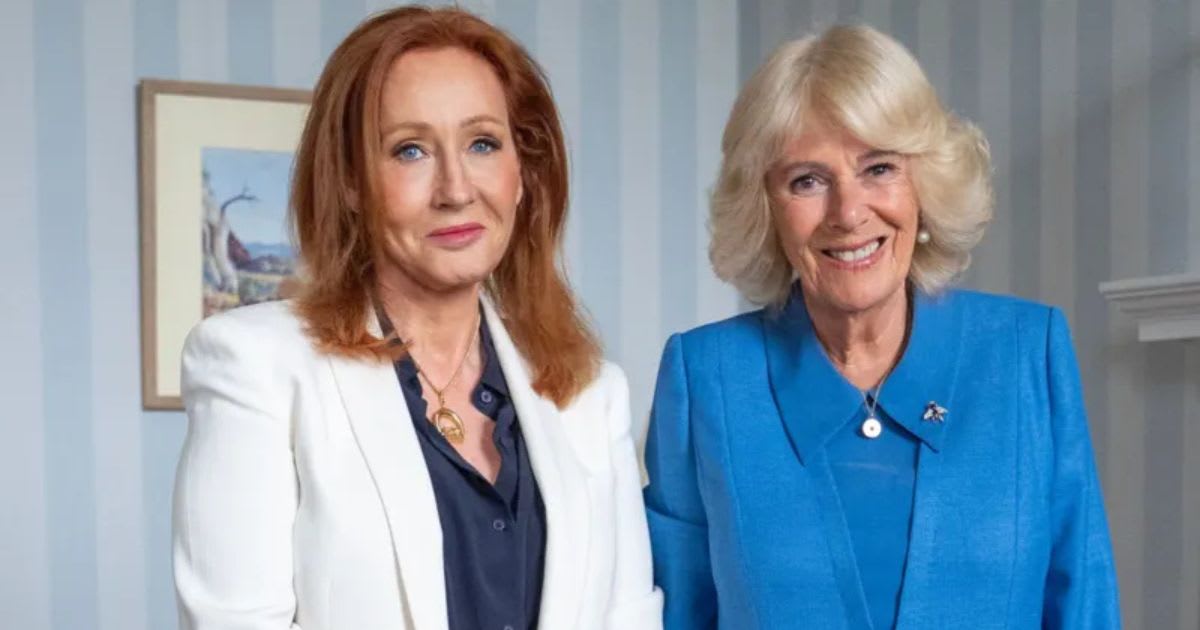
It is not particularly surprising that Camilla invited Rowling to the Palace of Holyroodhouse. The meeting fit perfectly with the Queen's long-running work to promote reading through the Queen's Reading Room, making the Harry Potter author a natural guest given her impact on children's literature. But that is not what people ended up talking about.
Rowling has become one of the most polarizing public figures due to her long-running and highly publicized comments on transgender rights. After the Palace posted a picture of Camilla with the author on Instagram on June 30, the final day of Pride Month, backlash was almost inevitable. And this is where the Firm arguably misjudged the implications. The conversation was no longer about the Queen’s Reading Room or its mission; it centred around Rowling.
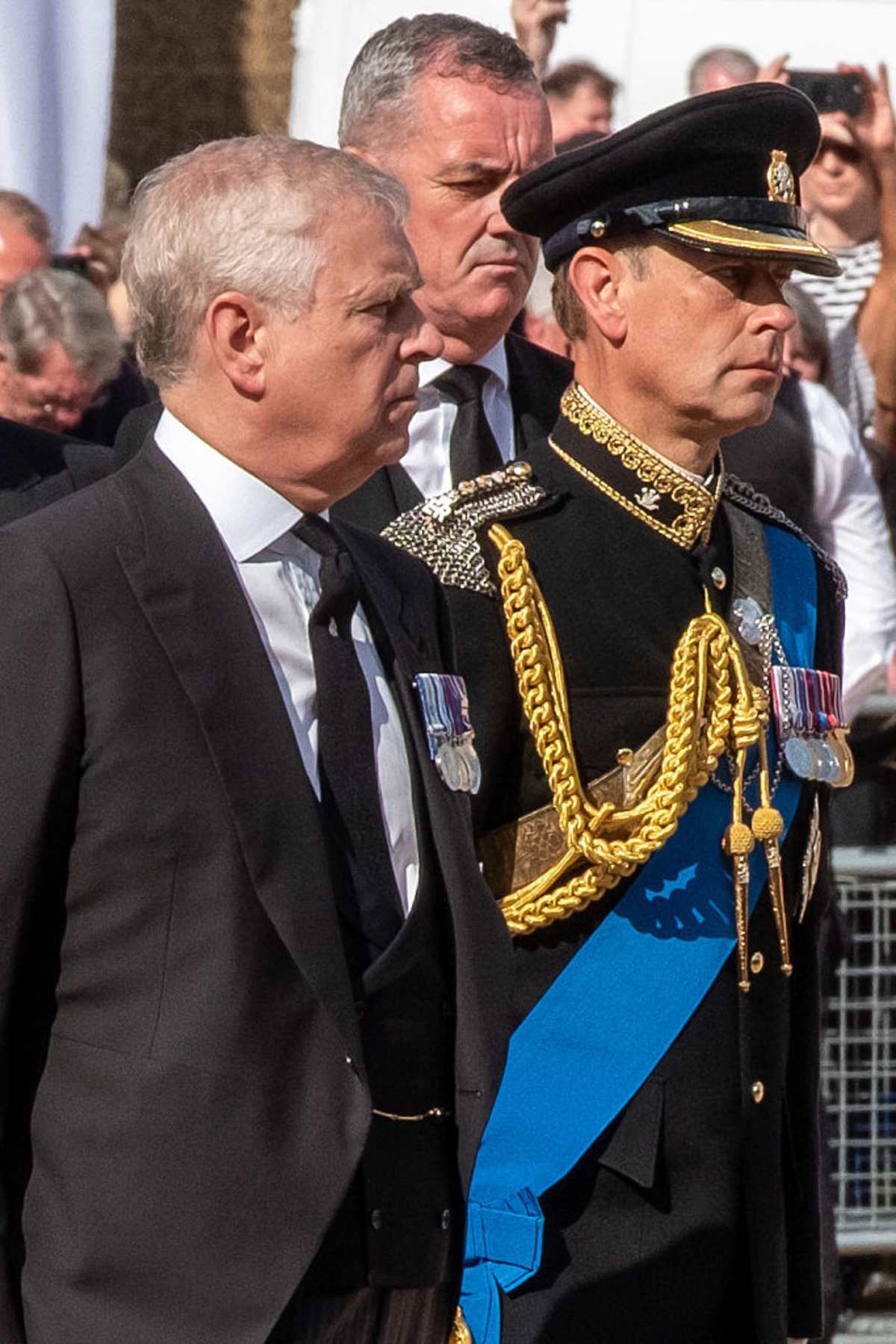
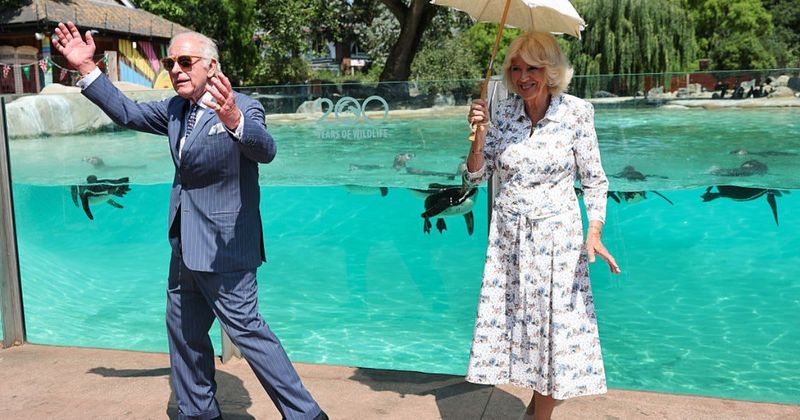
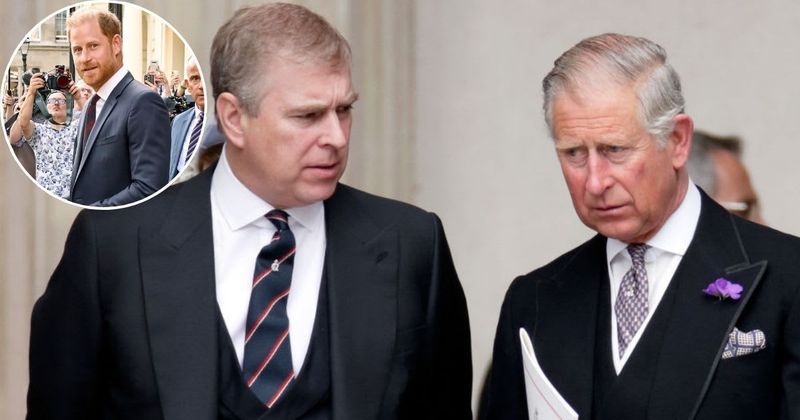
Meanwhile, back in London, after months of staying out of sight following his controversies with Jeffrey Epstein, Mountbatten-Windsor's appearance amongst senior royals was bound to become news. Edward attended the Sandringham Horse Driving Trials to support his wife Sophie, Duchess of Edinburgh, who was competing at the event. The disgraced ex-Prince was also spotted at the venue, sneaking in and out of the premises.
Unlike the meeting with Rowling, there was no official engagement between the two royal brothers. Yet that ultimately made little difference. Mountbatten-Windsor's presence was enough to become the headline, once again shifting attention away from the event itself.
That is where the Palace got its priorities wrong. After spending months steering the conversation back toward duty and public service, Holyrood Week, or Royal Week, should have projected the same. Instead, the royal family associated itself with two of the most ostracized figures in Britain.
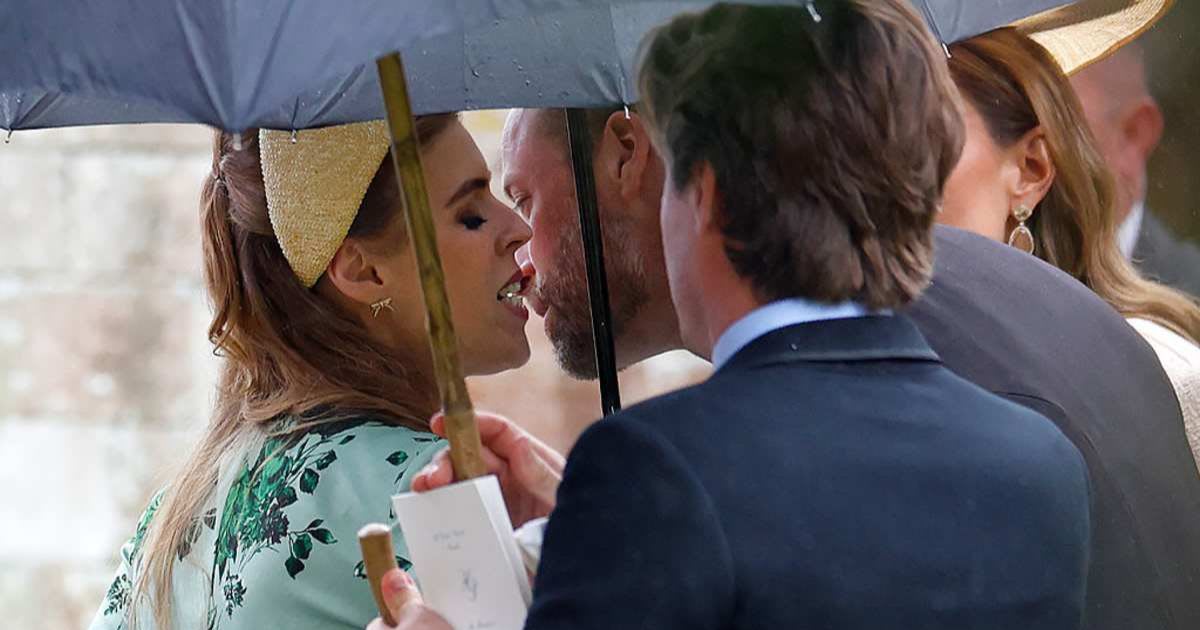
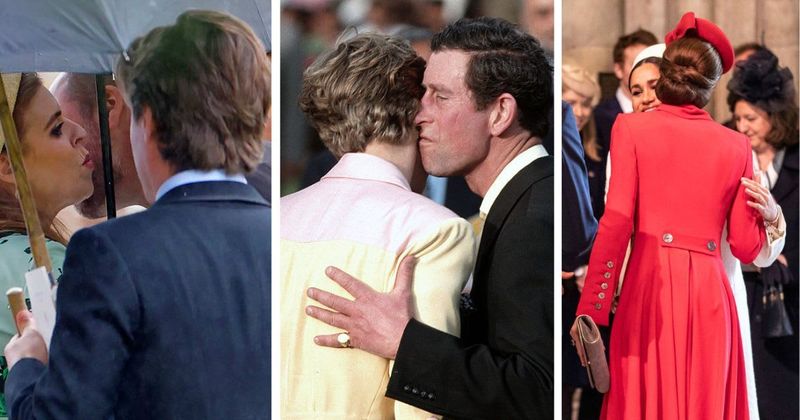
Over the past few months, the Palace has quietly worked to shift the public's attention away from family feuds and present the Royal Family as a united front. The clearest evidence was when Princess Eugenie and Princess Beatrice attended Peter Philips and Harriet Sperling’s wedding, after months of speculation about them being sidelined by the family. The message became even clearer when Prince William planted a kiss on Beatrice’s cheek.
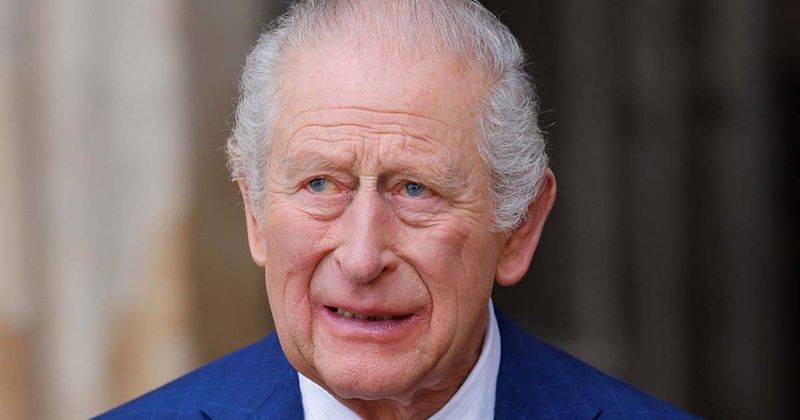
Health concerns had also dominated the conversation after both King Charles and Princess Kate were diagnosed with cancer. But instead of avoiding the subject, the Palace gradually turned a difficult period into one that brought the Royal Family closer to the public. Charles and Kate became more open about their treatment and recovery, earning widespread sympathy along the way. During their joint appearance at St. James's Palace to mark the 125th anniversary of Cancer Research UK, Charles even broke royal protocol by hugging and kissing a cancer patient.
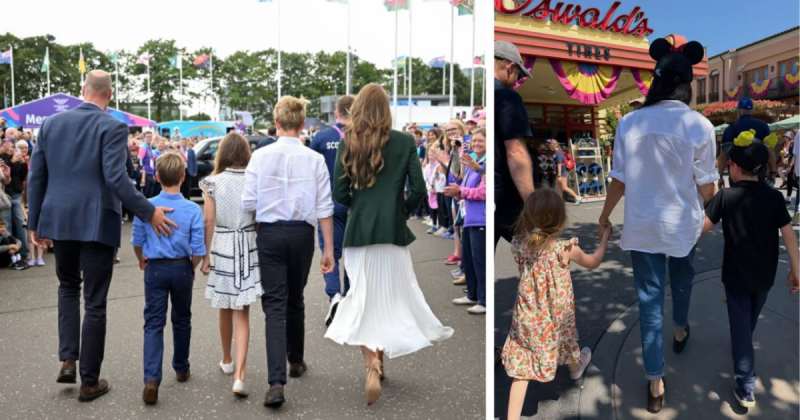
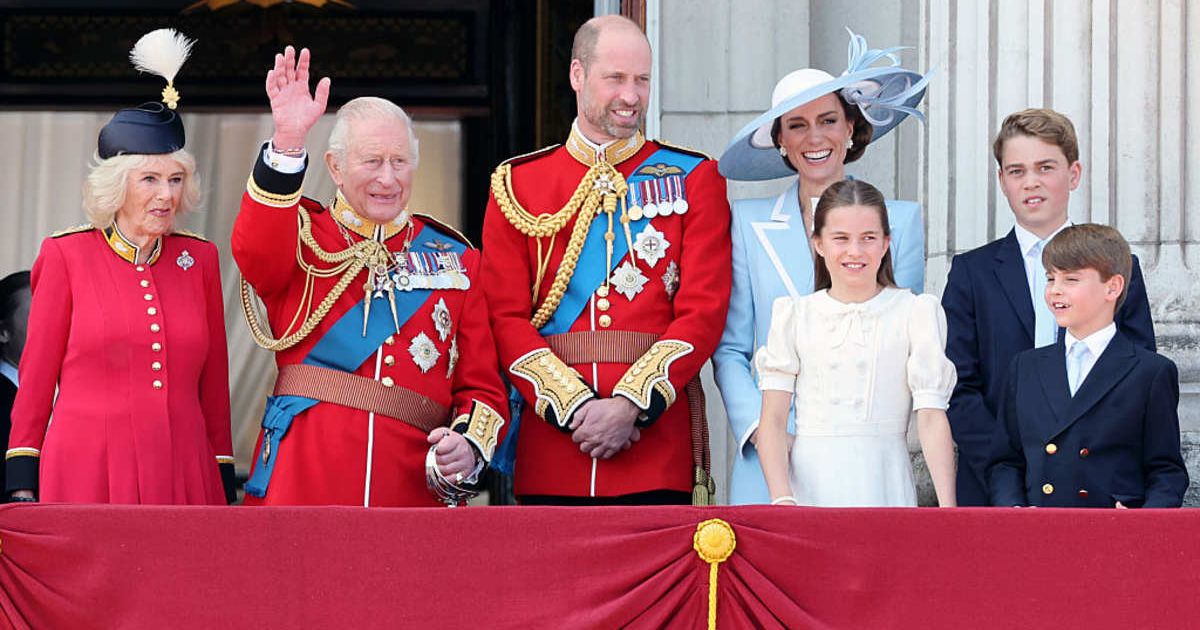
The Palace also leaned into more personal moments. Most recently, Kate completed the National Three Peaks Challenge to spotlight life after cancer. Waiting for her at the finish were William and their three children, Prince George, Princess Charlotte, and Prince Louis, turning the end of the challenge into a reminder of the family's support for one another.

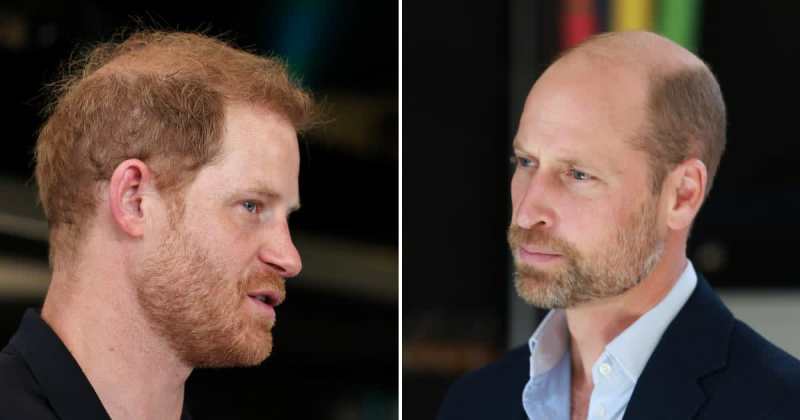
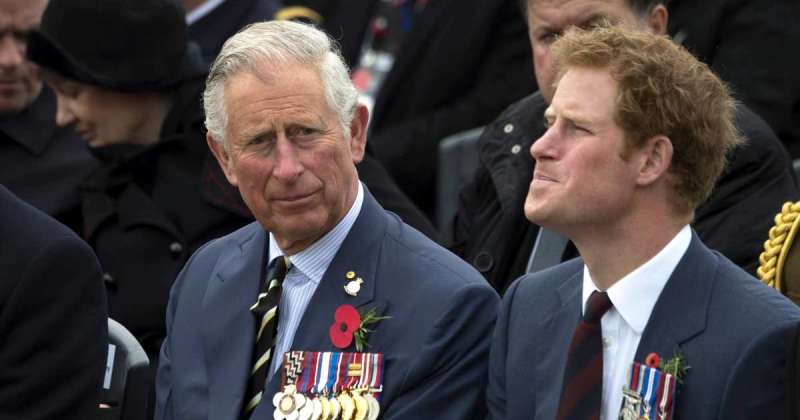
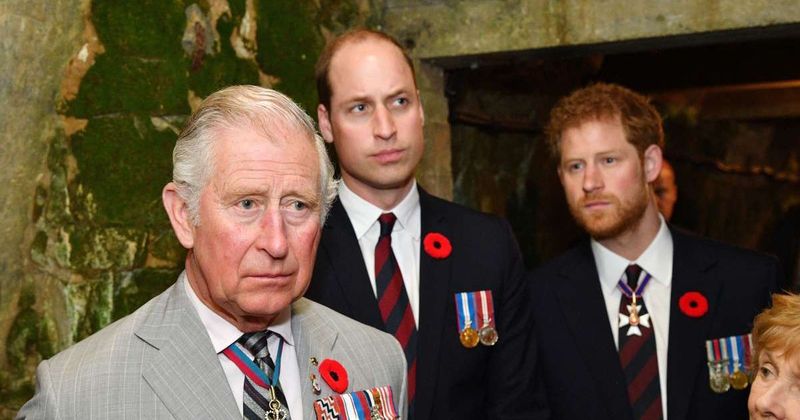
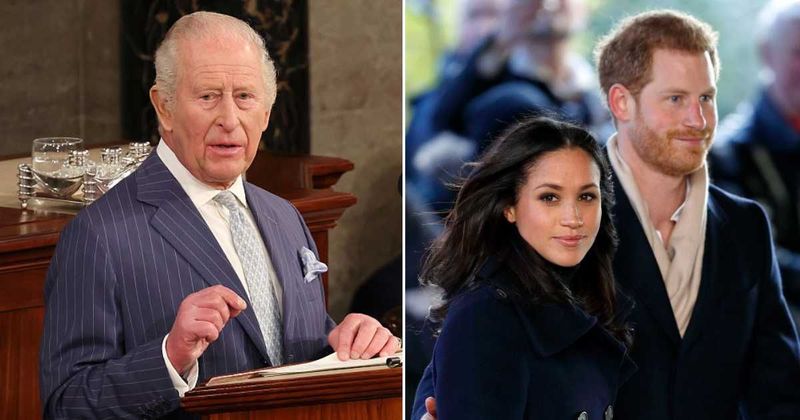
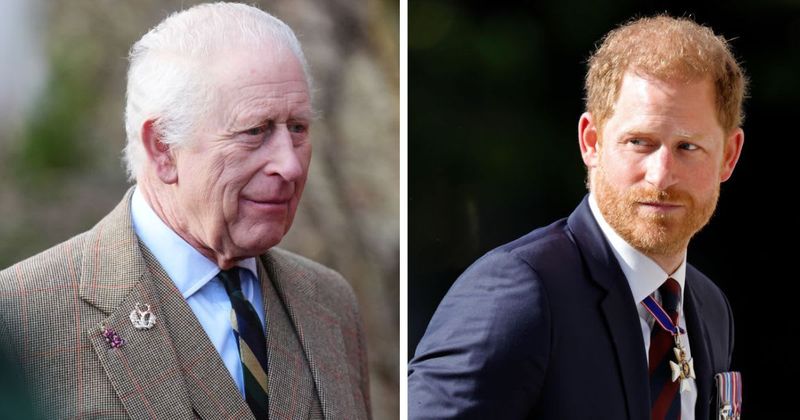
Just when the Royal Family seemed to have the optics working in its favor, another challenge has emerged. Harry's expected return to the UK has already put the Royal Family back under an even bigger microscope. Once again, family dynamics will be under scrutiny, with public pressure leaning towards a reconciliation. With reports of whether Meghan Markle and their two children, Prince Archie and Princess Lilibet, would also make the trip amid Harry's bid for state-funded security, the last thing the Palace needed was two fresh controversies adding to the conversation.
Public perception has always been one of the monarchy's greatest strengths and one of its biggest vulnerabilities. The Palace cannot control every headline or every public reaction, but it can control the moments it chooses to create.
The opinions expressed in this article belong to the author alone and are not attributable to The Royal Observer or its editorial team.