Prince Harry's Security Battle Has One Surprising Solution ― and It Involves King Charles
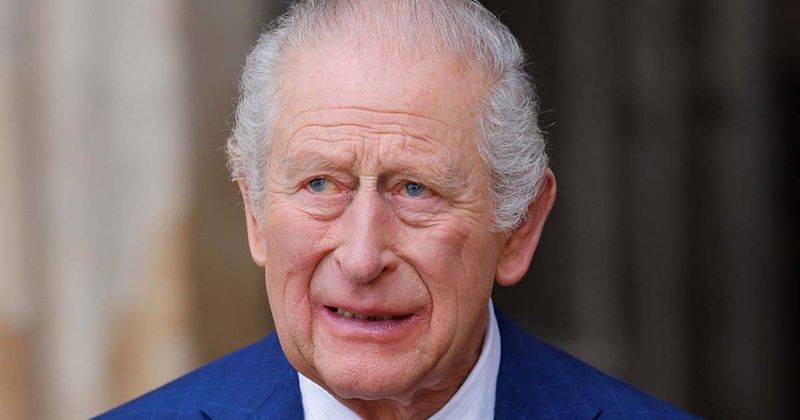
A royal expert says Harry's security is now less of a constitutional issue and more of a family responsibility for King Charles.
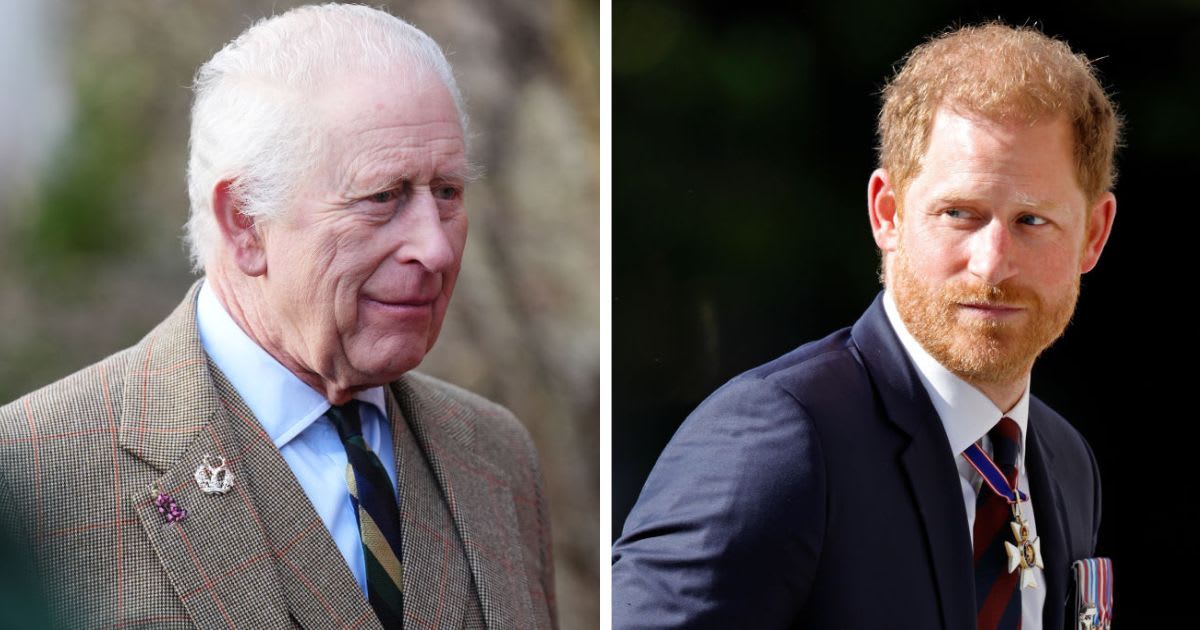


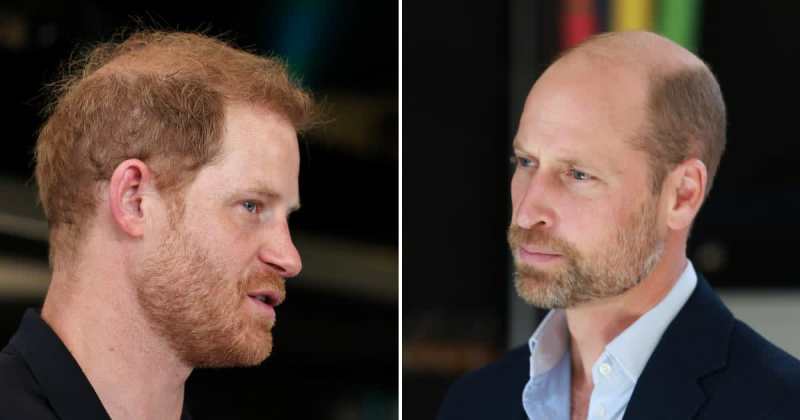
Six years after stepping back from official duties, Prince Harry remains in a legal dispute over his UK police protection, which was altered by the Royal and VIP Executive Committee (RAVEC). While the UK Home Office holds ultimate authority over state-funded security, discussions continue regarding a resolution for the family's upcoming visit. Following recent disclosures about King Charles's personal wealth, columnist Stefano Hatfield argued that the monarch should resolve the issue as a private family matter by using his personal funds to cover the Duke's security costs.
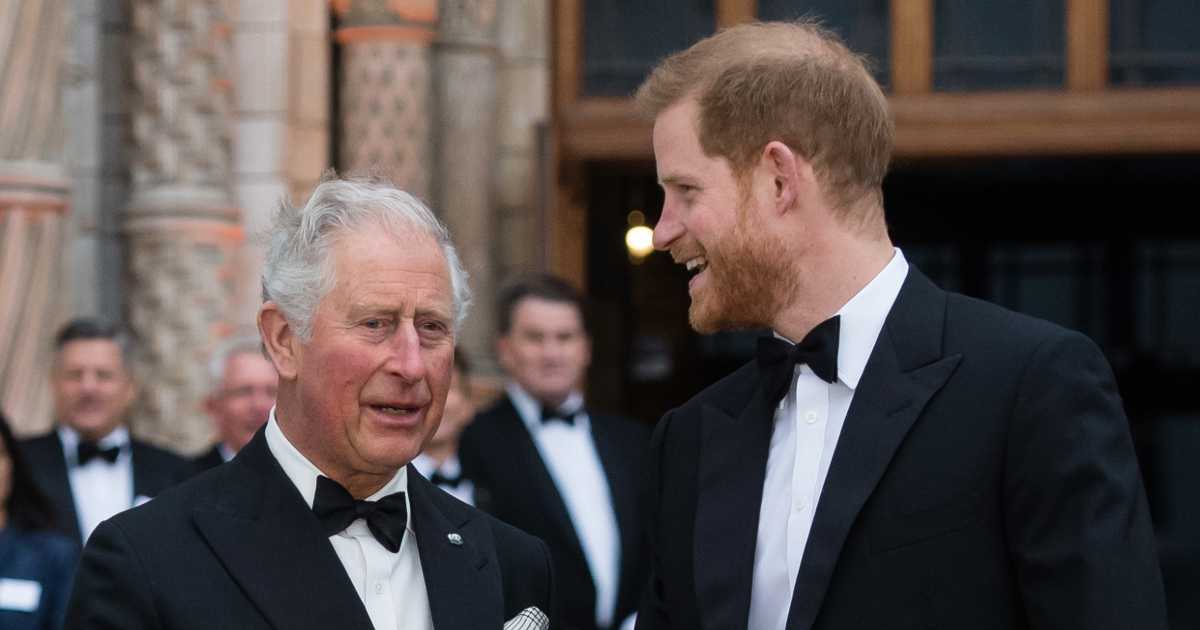
The monarch has reportedly offered the Sussexes security when they arrive in the UK next month. However, columnist Stefano Hatfield believes the offer is not 'enough.' In his column for the i-Paper, Hatfield wrote, “According to The Sun, the King has indeed offered to help, while other reports claim Harry is having second thoughts about his family accompanying him on the trip. If both claims are true, it seems the offer wasn’t enough.”
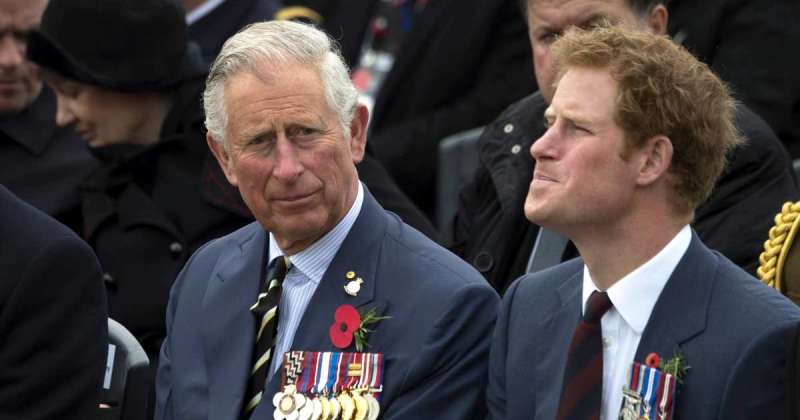
The primary reason why Harry might not receive state-funded security is that he is not working royal. Paying for his protection from taxpayers’ money might not practically be possible. But that’s when his father can step in. Last week, Charles disclosed his personal tax bills, revealing that the monarch’s finances were well in order, enough to take care of his son’s security issues. “This increasingly feels less like a constitutional issue and more of a family one. Charles has the private means to ensure his son and grandchildren receive appropriate protection without asking the British public to pay a penny. The cost would be negligible relative to his wealth,” Hatfield wrote.
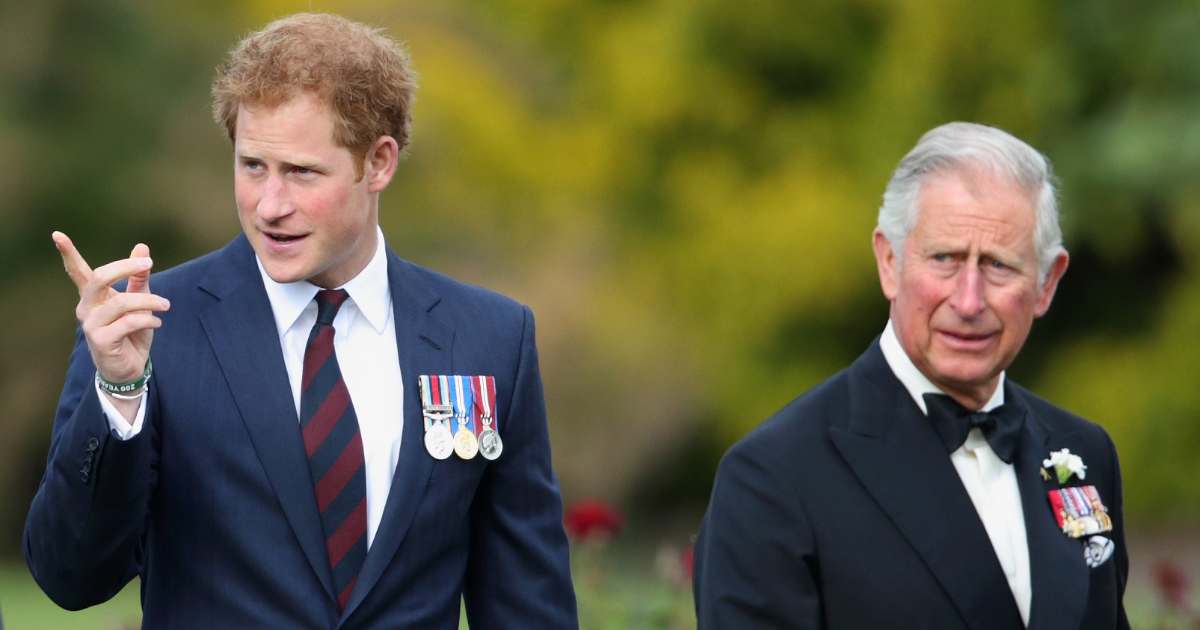
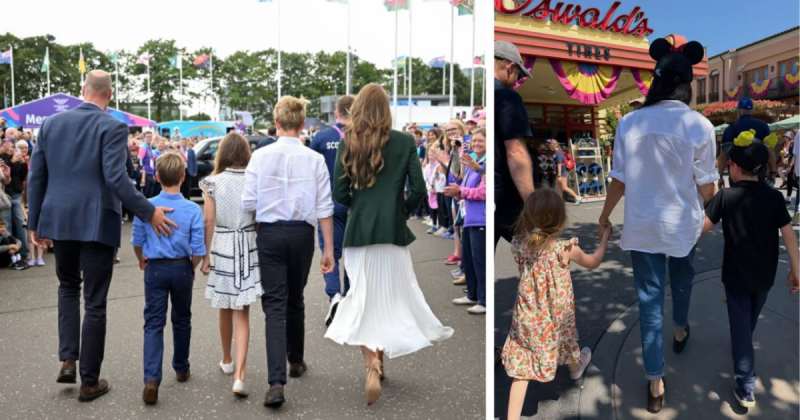
Harry’s basis for requesting automatic police protection for his family is that he believes there is a threat to their safety in the country. Hatfield echoed similar sentiments, noting, “Harry’s security risk exists because he was born into the Royal Family; it is not dependent on whether he undertakes engagements on its behalf. He stopped being a working royal, but he did not stop being Princess Diana’s or the King’s son." Hatfield further added, “Anyone intent on harming a member of the Royal Family is unlikely to concern themselves with the distinction between ‘working’ and ‘non-working’ royal before choosing a target.”
“A father who possesses extraordinary private wealth can materially reduce the risk faced by his son because of the family into which that son happened to be born. Most fathers would not hesitate,” the columnist wrote, “The King’s newly disclosed finances have unexpectedly stripped away the argument about affordability.”
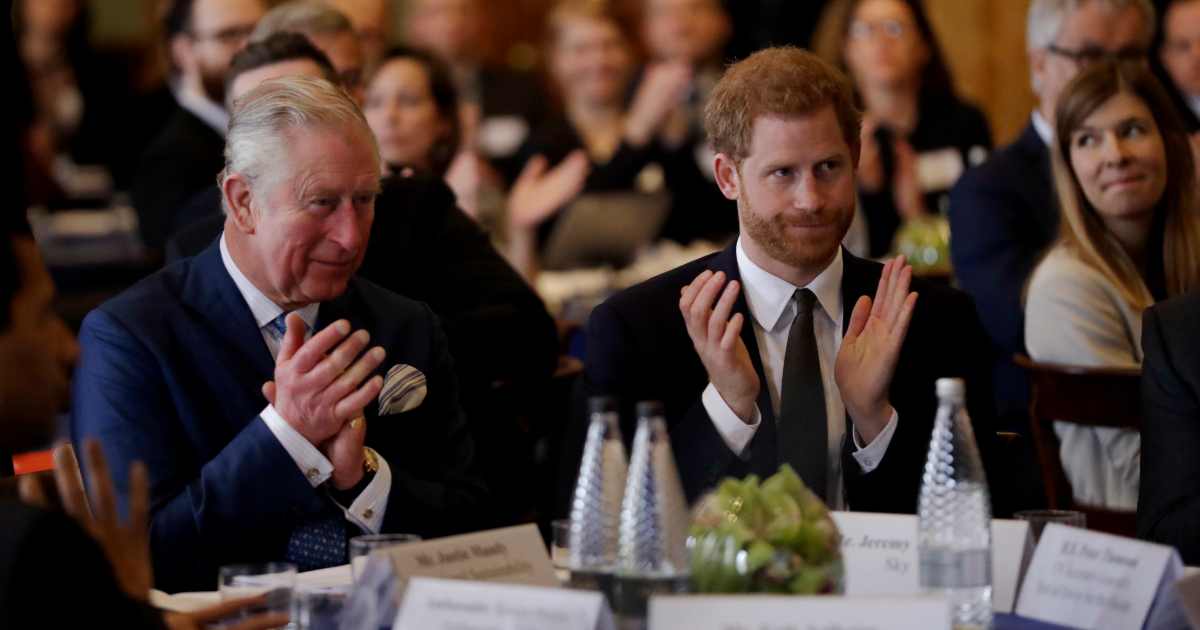
While Charles may have offered a temporary solution to the security issue, the hope is that the father-son duo might chalk out a better plan to protect the Sussexes if and whenever they visit the UK next, especially if the monarch wants to be close to his California-based grandchildren.