Trooping the Colour 2026 Revealed How the Royal Family Is Evolving ― and Prince William's Influence Was Evident
Royal watchers may have spotted a subtle shift in the monarchy during Trooping the Colour 2026, and it's closely aligned with Prince William's long-term plans for the institution.
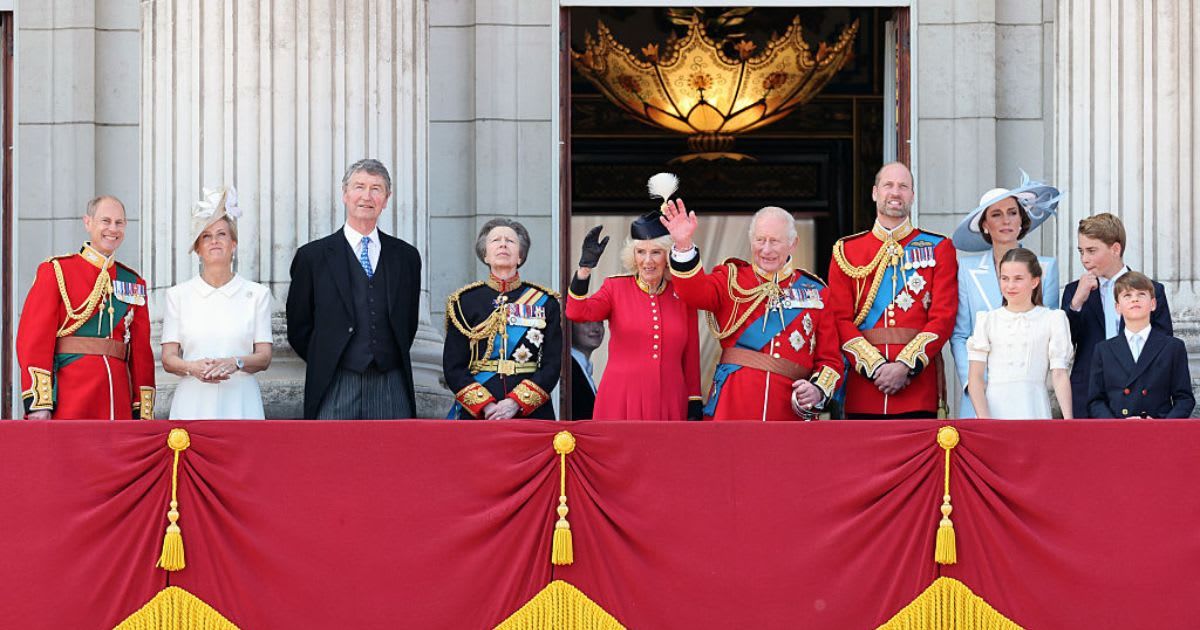


For decades, royal fans and watchers were accustomed to witnessing a wholesome scene during Queen Elizabeth II's reign; the annual Trooping the Colour balcony appearance exemplified a united House of Windsor, transforming Buckingham Palace into a warm family portrait. Senior royals, extended relatives, and royal children gathered to wave at crowds and observe the Royal Air Force flypast. The charm of these moments stemmed from unscripted family dynamics, showcasing the monarchy as a close-knit family celebrating together, rather than just a formal institution. With this image imprinted in their minds, the royal watchers might have noticed a quiet shift in the dynamics of the royal family during today's event ― and it's something Prince William has long worked for.
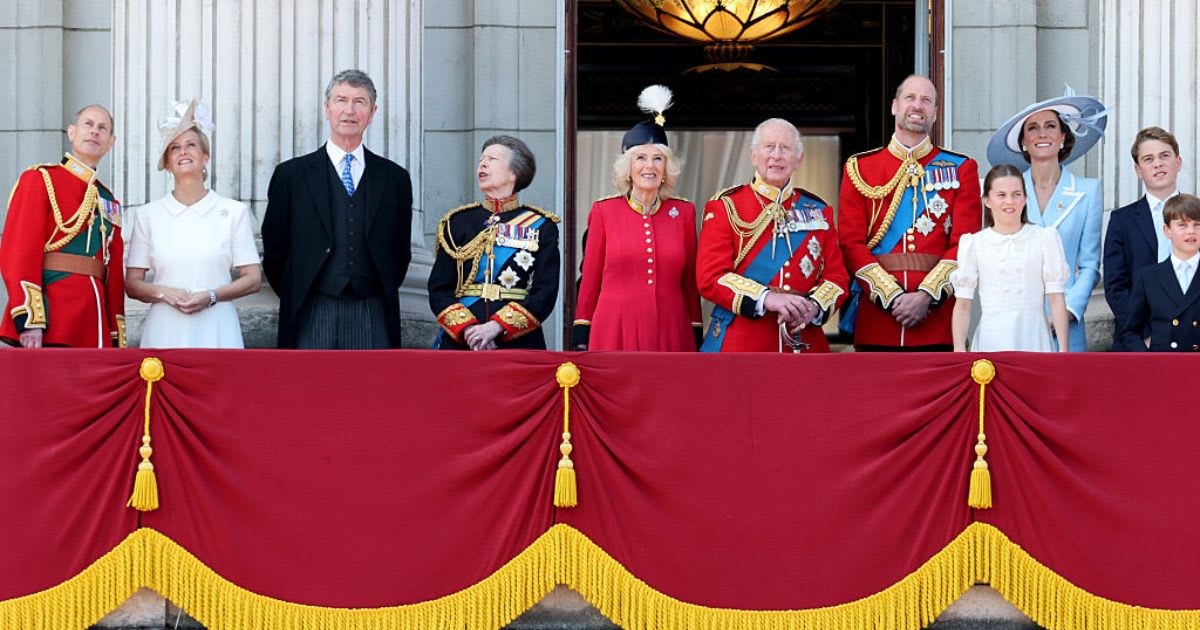
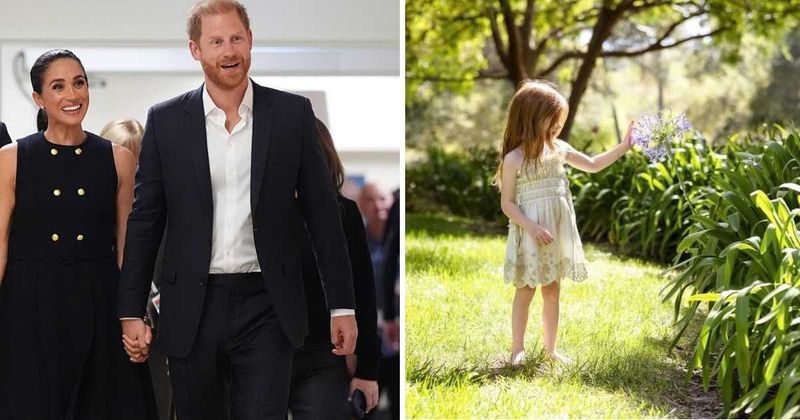
While the air looked celebratory and the royals were dressed to impress, the family moment looked incomplete with many of the members missing from the annual portrait. The Yorks and the Sussexes' absence could be felt as the balcony depicted a 'slimmed down' monarchy. Reportedly, Prince William aims to modernize the institution through a corporate-style restructuring, focusing on financial transparency and social impact. His proposals allegedly include stripping titles from non-working royals, enforcing strict property rules to prevent rent-free living and subletting, and cutting palace staff by half. He also plans to reduce public engagements to focus on meaningful causes and dismantle outdated traditions that he perceives as theatrical. By adopting digital communication and streamlining roles, he seeks to create a more approachable and efficient monarchy aligned with contemporary values.
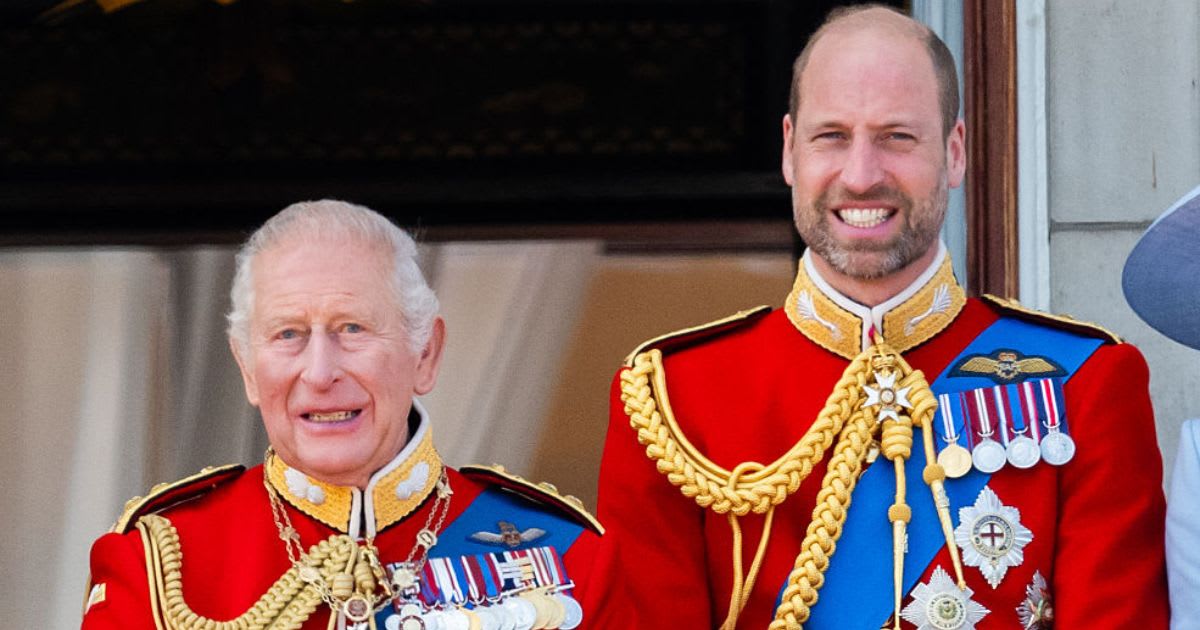
However, Robert Hardman, the royal biographer, claimed that King Charles never wished for a "smaller firm". "There's always been a bit of mythology around this slimmed-down monarchy thing, because if you were to actually try and find any evidence that he advocated that, or called for it, you won't find any, because he never did," Hardman told Marie Claire. The royal author of The Making of a King: King Charles III and the Modern Monarchy further asserted that while "it was understood that he saw the monarchy moving forward as being a smaller working unit" there was "never a specific plan." Ironically, despite the monarch's plans, Hardmand highlighted that the King aimed to avoid a situation reminiscent of the many extended Royal Family members appearing on the Buckingham Palace balcony during the earlier years of Queen Elizabeth's reign.
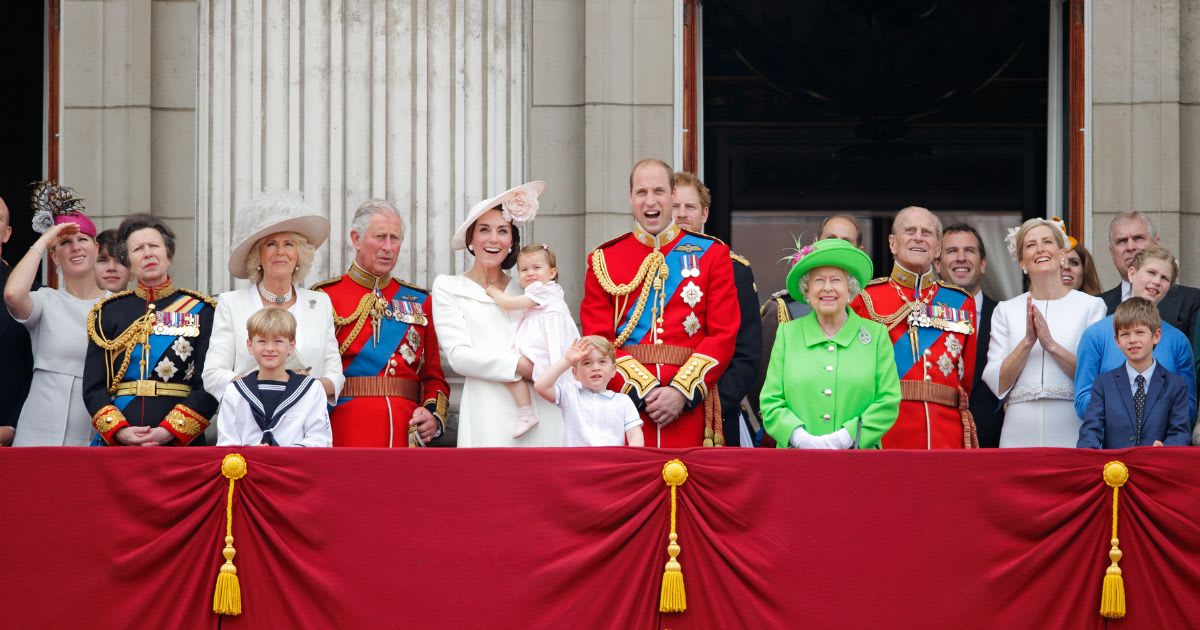
"Basically, what people surmised, and was never denied, was that he looked at the monarchy when The Queen came to the throne in the fifties, and there were lots of cousins and uncles and aunts and people hanging around, and you had a trigenerational unit," the royal expert noted. Hardman concluded that King Charles recognizes the unsustainability of previous practices in the 21st century, indicating a shift not towards reducing the monarchy but rather to avoid expanding the royal family as it once did.

![Princess Anne Brings Back Iconic 42-Year-Old Gown as She Attends Centenary Banquet [Watch]](https://d241qoz0w3ggzz.cloudfront.net/808443/uploads/05265010-71f1-11f1-b9e4-adc24ed49b1a_800_420.jpeg)