Police Were Concerned That Andrew Could Use A Powerful Move To Delay Searches, Court Documents Show
Police say they feared a single argument could delay searches of Andrew Mountbatten-Windsor’s properties and put evidence at risk, documents show



Andrew Mountbatten-Windsor had a significant legal victory last week when the search warrants that Thames Valley Police used to raid his properties were deemed unlawful. According to recent reports, the police were concerned that Mountbatten-Windsor would pull powerful strings to block the warrants.

Thames Valley Police feared that the former Duke would have argued that it was necessary to obtain King Charles' authorization before officers could search his properties. Court documents indicate that this requirement could lead to significant delays and the risk of evidence being destroyed, the Daily Mail reported.
Documents from the court proceedings indicated that the former Duke of York or his legal aides could have obstructed the investigation by stating "that the property belongs to someone else (the King) and that separate legal permission should be sought." The High Court has permitted the release of legal documents related to Mountbatten-Windsor's victory over Thames Valley Police following raids at Sandringham and Windsor, as revealed by the publication.

The DCI pointed out that Mountbatten-Windsor is a suspect in serious offenses, referencing his lack of engagement with investigations related to Epstein. However, the former Duke of York's lawyers claim this statement is incorrect, noting that he has not been charged with any crime.
"My investigative objectives are to secure relevant evidence in a timely and secure fashion," the DCI stated, adding. "Failure to do so risks loss of evidence and a consequent loss of public trust and confidence in the investigation." The senior officer further indicated that items found in Mountbatten-Windsor's possession could significantly aid the investigation. Due to uncertainties regarding access, the officer requested a warrant from the judge, expressing doubts about cooperation from Mountbatten-Windsor or his legal team.
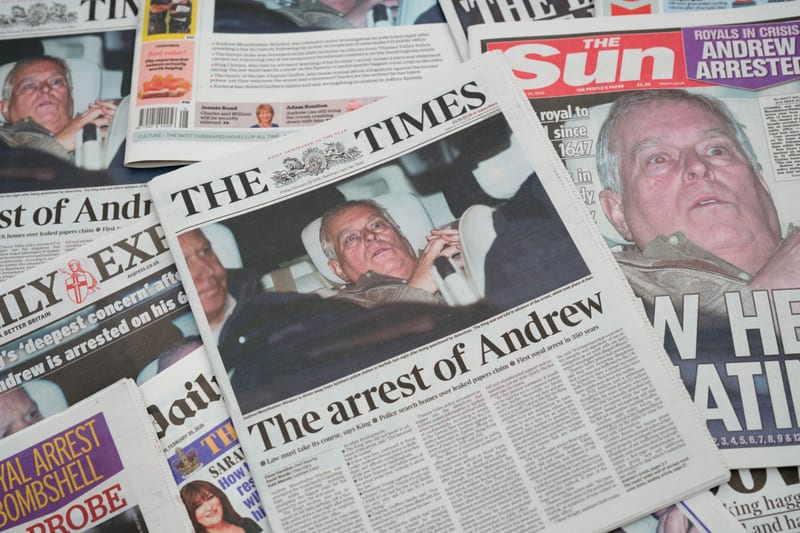
Thames Valley Police submitted warrant applications on February 18, which were approved by Judge Mark Lucraft KC. The applications revealed that the DCI had reasonable grounds to believe the disgraced royal committed misconduct in public office. The released documents reveal that Andrew's legal team claims recent police searches of his residences were unlawful, arguing there was no evidence to suggest he would not cooperate or destroy evidence.
They pointed out that the February release of the Epstein file provided insufficient warning, and then, again, the disposal of evidence. Allegedly, police breached their duty by failing to inform the former prince's lawyer about the warrant application.




![Princess Anne Brings Back Iconic 42-Year-Old Gown as She Attends Centenary Banquet [Watch]](https://d241qoz0w3ggzz.cloudfront.net/808443/uploads/05265010-71f1-11f1-b9e4-adc24ed49b1a_800_420.jpeg)