King Charles And Prince William Face A Major Property Challenge — It Could Cost Millions
King Charles and Prince William may need to shell out millions to upgrade properties rented on royal estates or pay hefty fines according to new government rules.


The British government recently introduced new energy-efficiency rules that could force King Charles and Prince William to shell out a massive sum to upgrade the rental properties on their private estates to meet the updated standards. Previously, landlords had to ensure their properties met an energy performance certificate rating of E, which has now been raised to C or higher. The new ratings must be achieved by 2030.
Charles and William have earned a reputation as strong environmentalists and now have added pressure to meet the upgraded standards as landlords. Unfortunately for them, it might be an uphill climb, as they would likely have to spend around $13.5K USD on each property they are renting out, or could be fined $40.6K USD on each house they continue renting without the necessary upgrades. According to an investigation conducted by The Guardian, “nine in 10 domestic properties on the duchies of Cornwall and Lancaster and the Sandringham estate have had EPC ratings of D or lower”.
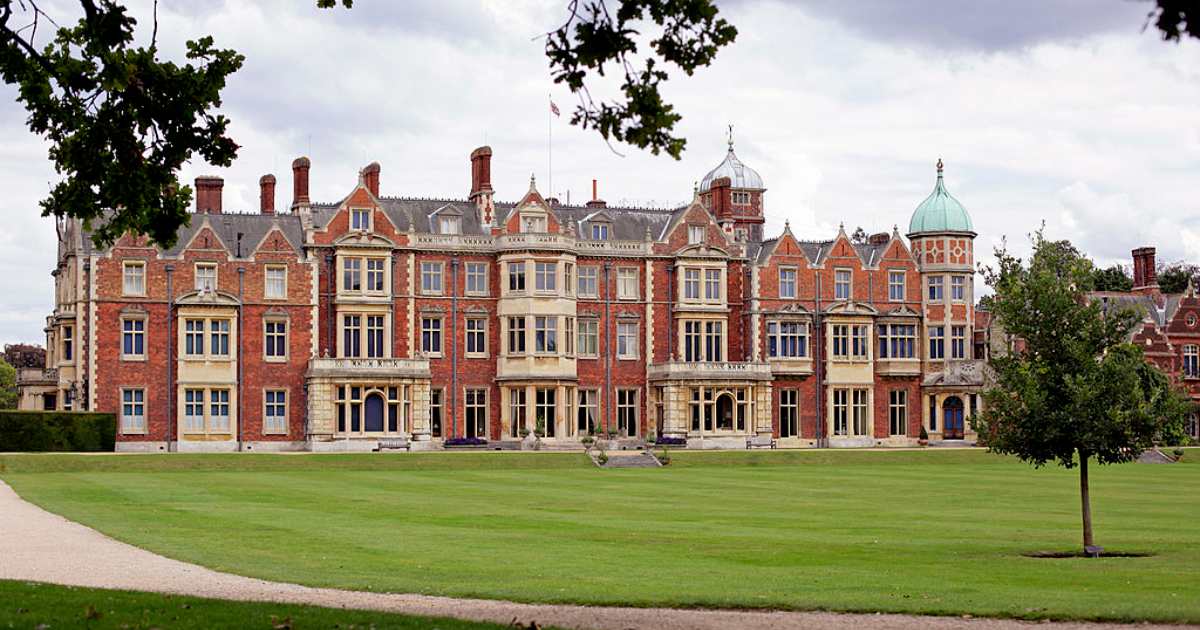
The monarch oversees the Sandringham Estate and the Duchy of Lancaster, which he inherited from his mother, the late Queen Elizabeth. The King passed the Duchy of Cornwall to William after ascending the throne. The Guardian reportedly examined more than 700 EPCS across the three estates and found that 630 of them would fail to meet the government’s updated standards. EPCs are documents that provide an energy-efficiency score for properties based on their running costs. They help to estimate energy bills and environmental impact.
Although the complete portfolios of the three estates are unclear, it is believed that the number of domestic properties under them exceeds 1,200. In that case, the outlet seems to have sampled close to half of the properties, and if that number is representative, around 1000 properties could fall short of the new requirements before being rented out. The total renovation costs could go beyond an estimated $13.5 million USD. Most royal estates are less energy efficient than private homes because they are older rural properties often heated with oil, coal, or wood.
A spokesperson for the Duchy of Cornwall said, “We will continue to work closely with our tenants to identify effective and practical energy-efficiency improvements as quickly as possible.” The Duchy of Lancaster placed “great importance” on being “responsible” landlords. “While improving the energy efficiency of some historic buildings is challenging, we continue to work to improve their EPC ratings,” a spokesperson said, “Any tenant with concerns is encouraged to contact us directly and can be assured we will address these issues promptly and constructively.” The spokesperson for the Sandringham Estate said, “We continue to invest significantly in an ongoing program of maintenance and improvement works on all properties, including those out of scope of the regulations, to upgrade energy efficiency across the estate.”
The Duchies have reportedly already spent hefty sums on renovations of existing properties. According to The Guardian, almost all the properties on the Sandringham Estate could need upgrading, as 99% are rated from D down to G, with only one property among those sampled rated C.