What The King's Invictus Games Intervention Says About The State Of His Relationship with Harry
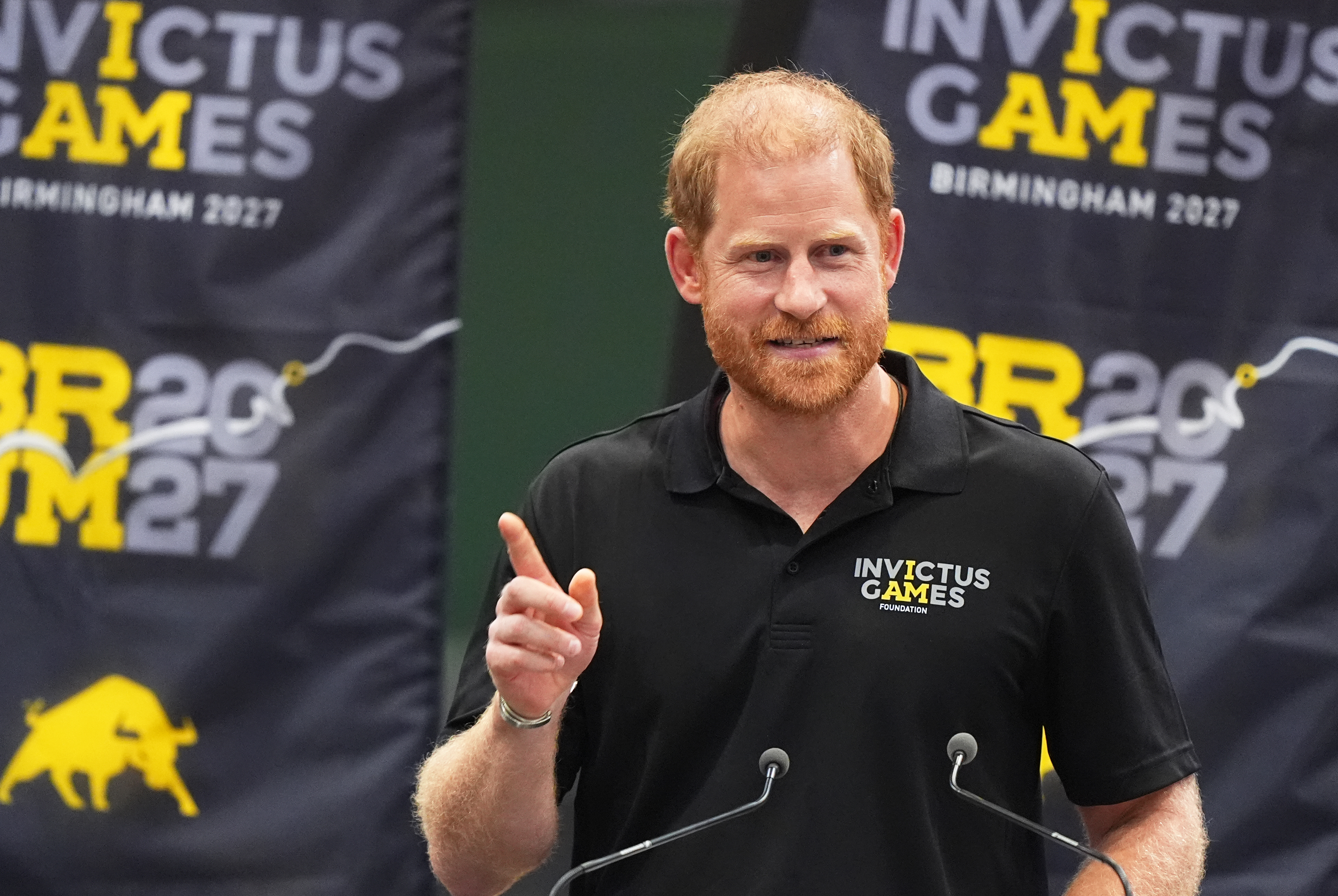
EXCLUSIVE ANALYSIS: Uganda made a sensational U-turn and will not pull out of the 2027 Invictus Games, but what does this really mean?


IT SEEMED that the relationship between Buckingham Palace and the Sussex camp had yet another deterioration after Uganda announced the decision to pull out of the Olympic Games.
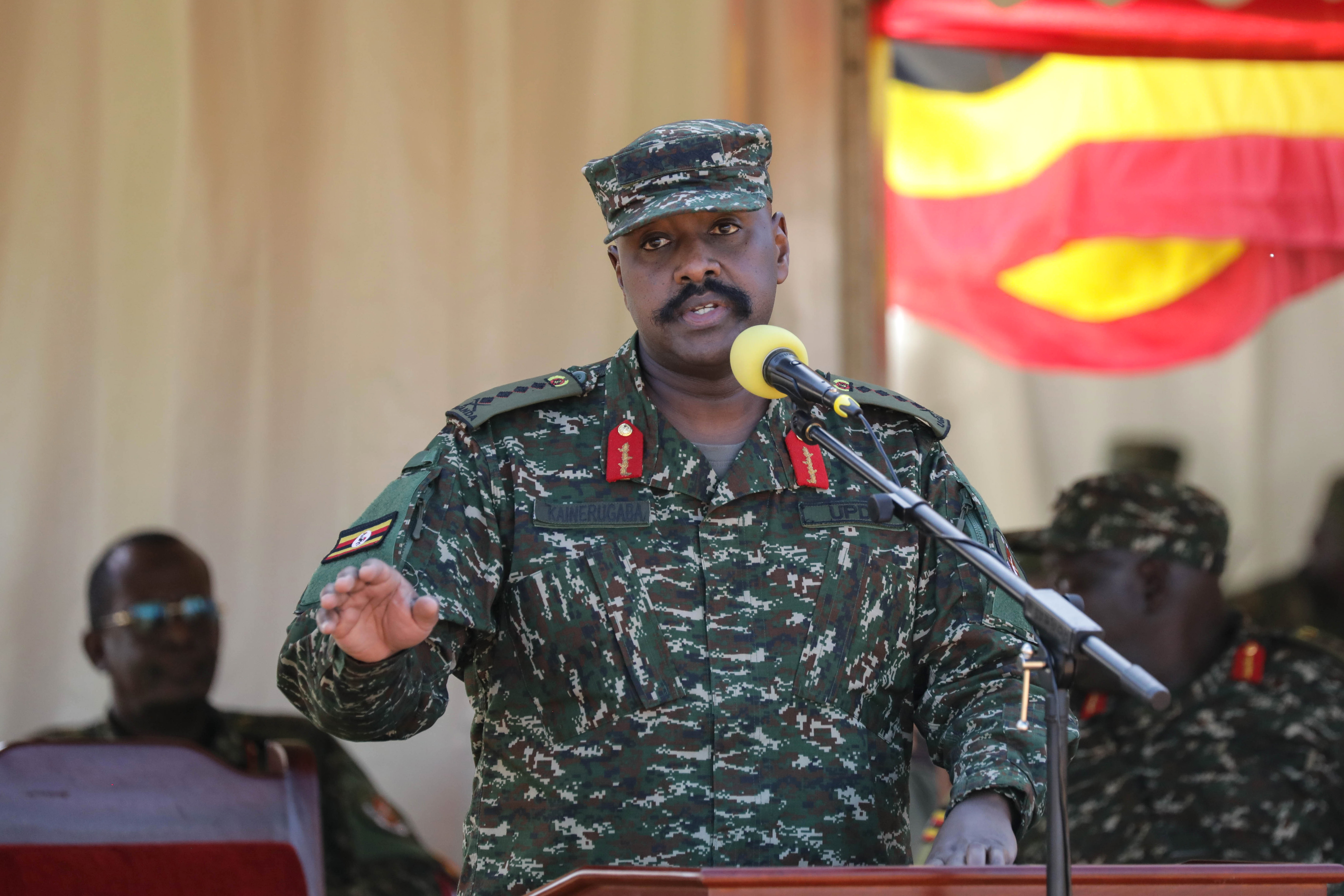
The Lord Chamberlain issued the latter at the direction of King Charles III, reiterating the institution's position in relation to Prince Harry's status within the firm. The operational note plainly stated that any work the Duke and Duchess of Sussex do is purely in a 'private' capacity, and not representative of the sovereign. Subsequently, the son of the Ugandan president announced on X that his country will be pulling out of the coveted global event, in what was seen as a major setback for the prince after his move back to the UK.
The military chief, General Muhoozi Kainerugaba, said in his post on social media that the decision was out of loyalty to the King, and speculation soon erupted that the decision was made in response to Buckingham Palace's statement. Previously on the Royal Observer, I called the decision 'perplexing,' as the authorities misunderstood the difference between royal endorsement and private activity, and how the two do not necessarily compete. By stepping in, the King has not just cemented this point, but has covertly signalled something else entirely.
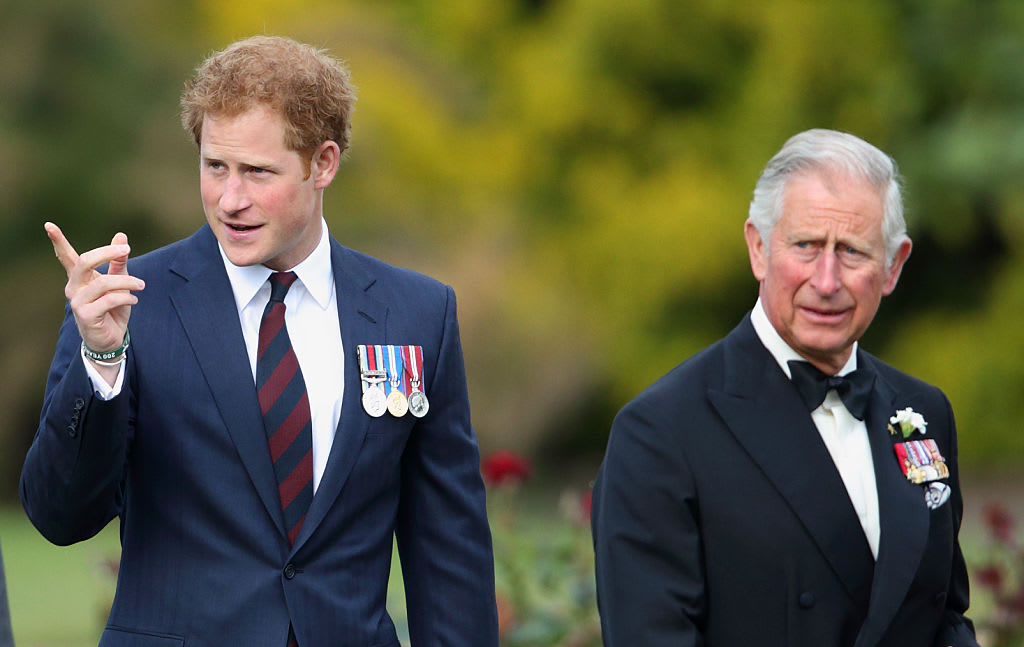
If Uganda had officially pulled out of the Invictus Games, it would not just be a personal setback for Harry, but a negative impact on the admirable cause itself. Just two months ago, the East African country joined the community, the first in the continent to do so, in a huge signal of strength for the charity and the cause. More military veterans from around the world would have been invited to join the incredible community and show off their talents on a global scale, in a global event that was previously supported by heads of state, including presidents and sovereigns.
As prominent commentator Afua Hagan previously told the Royal Observer, "There is nothing not amazing about the Invictus Games," and she is absolutely correct in that assessment. Whilst Loyalty to the King is never something to be discouraged, Uganda would never have shown disloyalty by competing in the games. Pulling out would only have hurt a cause that is still close to the Royal Family's heart.
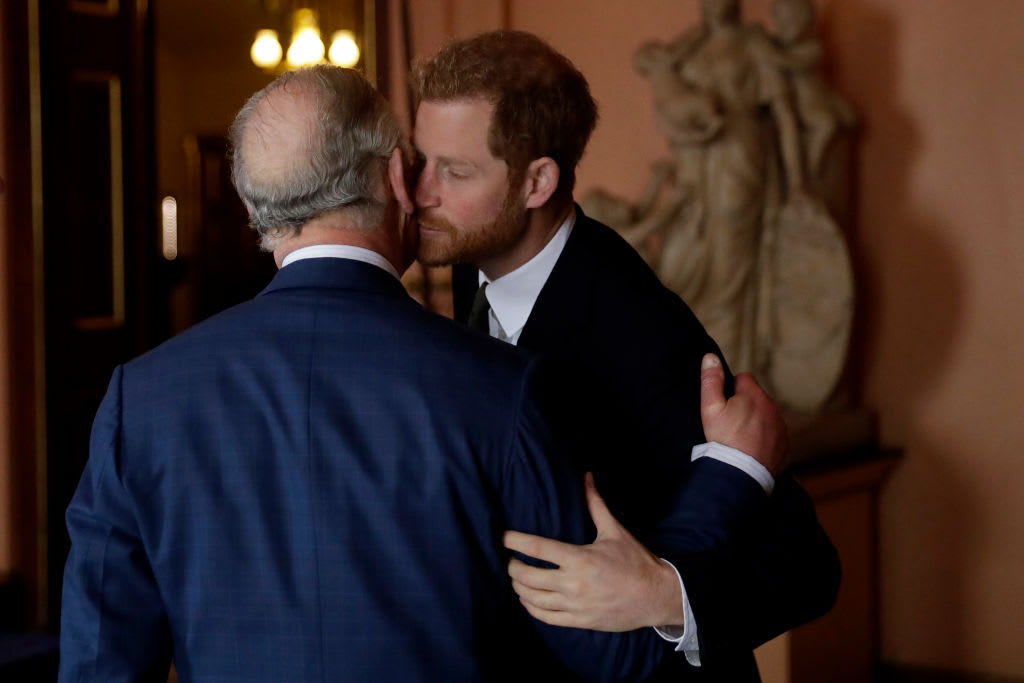
This is something that was keenly understood when King Charles made his personal intervention. After the decision was announced for Uganda to pull out, we received the drip-fed sourcing that stated that the King would never discourage any charitable event aimed at helping veterans - after all, the King is Commander-in-Chief of the British Armed Forces. The fact that His Majesty was willing to get on the phone to correct this just goes to back up this point.
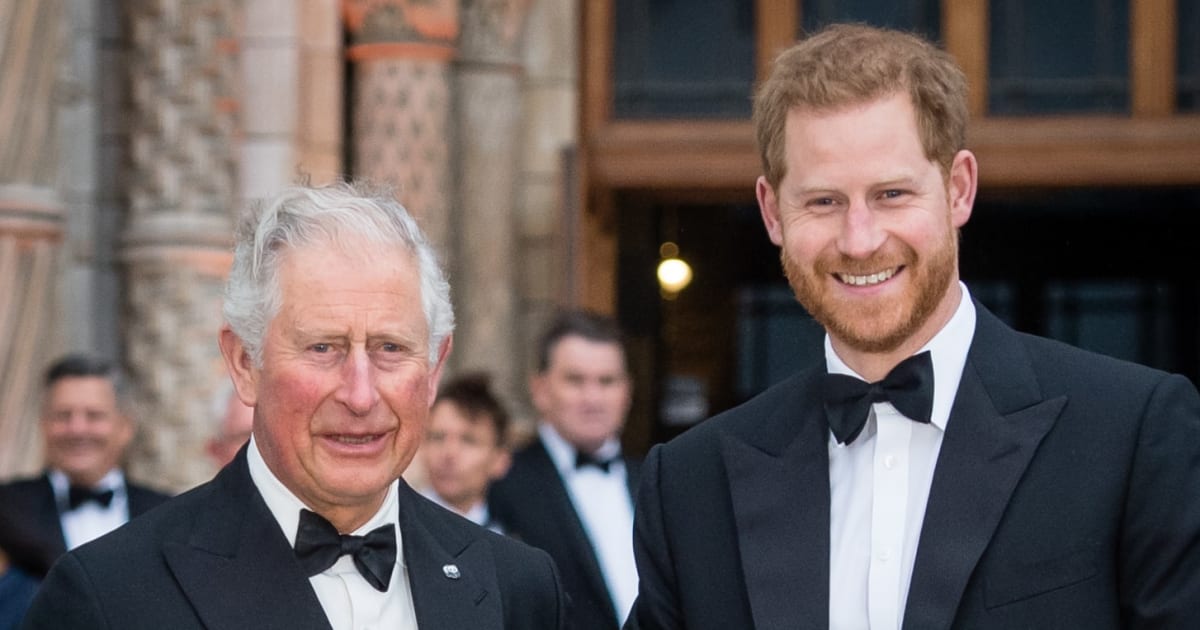
However, it also shows that there is space for further reconciliation on a private level. Prince Harry previously stated that his beloved 'Pa' would not even take his phone calls amid his battle for armed security. Indeed, he put the monarch in a difficult constitutional position by taking his government to court. But recent events have shown us that at least parts of the Royal Family may be firmly on the way to reconciliation. Sources close to Harry previously revealed that he was "buoyed and energised" from his meeting at Highgrove with his father and Queen Camilla, as he intended to spend more time in the UK. This came even before his return to his home country was announced. By personally intervening with Uganda, Charles has now gone out of his way to help his son's charity get back on firmer footing.
The Duke of Sussex cannot help the fact that his return - even a private one - caused a flurry of speculation that the Palace would inevitably receive incoming questions about the future. That was as inevitable as day following night. Here on the Royal Observer, even we sought to at least see what the public was thinking as he touched down in Birmingham.
Publicly, the King's role meant that he had to reiterate the stance of the institution, much to the surprise of Team Sussex. But by taking the action for the Invictus Games that he did with Uganda, His Majesty has shown that - at least privately - he approves of the event as a cause and is willing to go to great lengths to help his younger son with his private work. He has shown on a private level (albeit publicly) that he intends to help his son succeed away from the firm.
Although this is by no means a confirmation that all is forgiven between the members of the family, it definitely shows a continued thawing of the interpersonal relationship between father and son.