Why Uganda’s Decision to Quit the Invictus Games Over Prince Harry Makes No Sense
EXCLUSIVE ANALYSIS: The decision by the Ugandan Military chief fundamentally misunderstands the distinction between royal endorsement and private activity
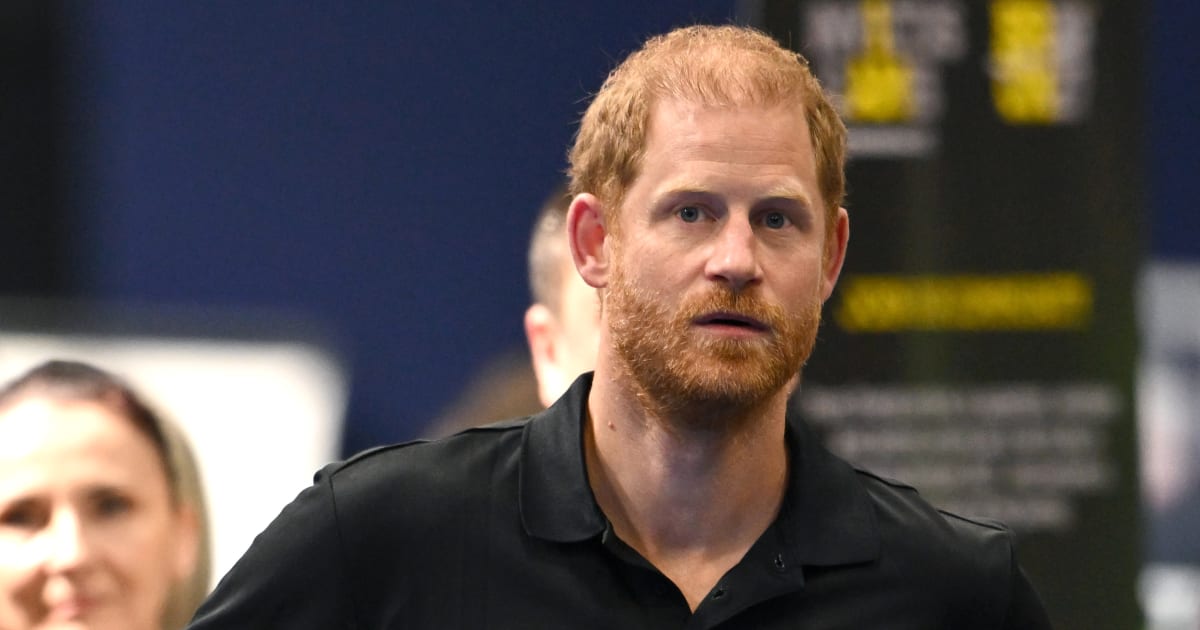


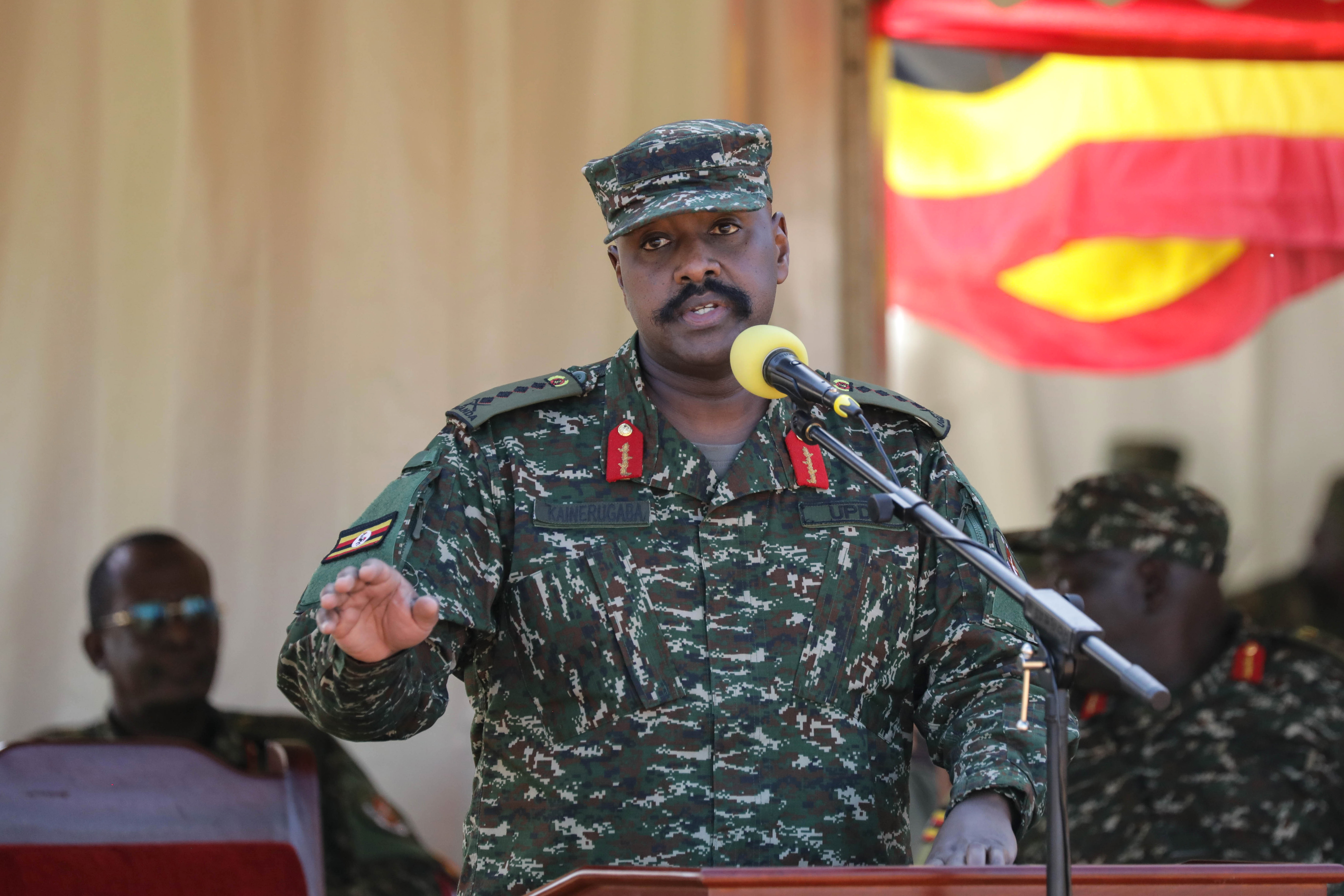
THE decision by the Ugandan military chief, General Muhoozi, to withdraw from the Invictus Games is not just unnecessary; frankly, it’s utterly perplexing.
In a statement on X, the son of the Ugandan president announced: “In order not to be construed as being opposed to His Majesty King Charles III of the United Kingdom, whom we deeply revere, Uganda hereby withdraws from the Invictus Games. We shall not participate in anything that does not have His Majesty's approval.”
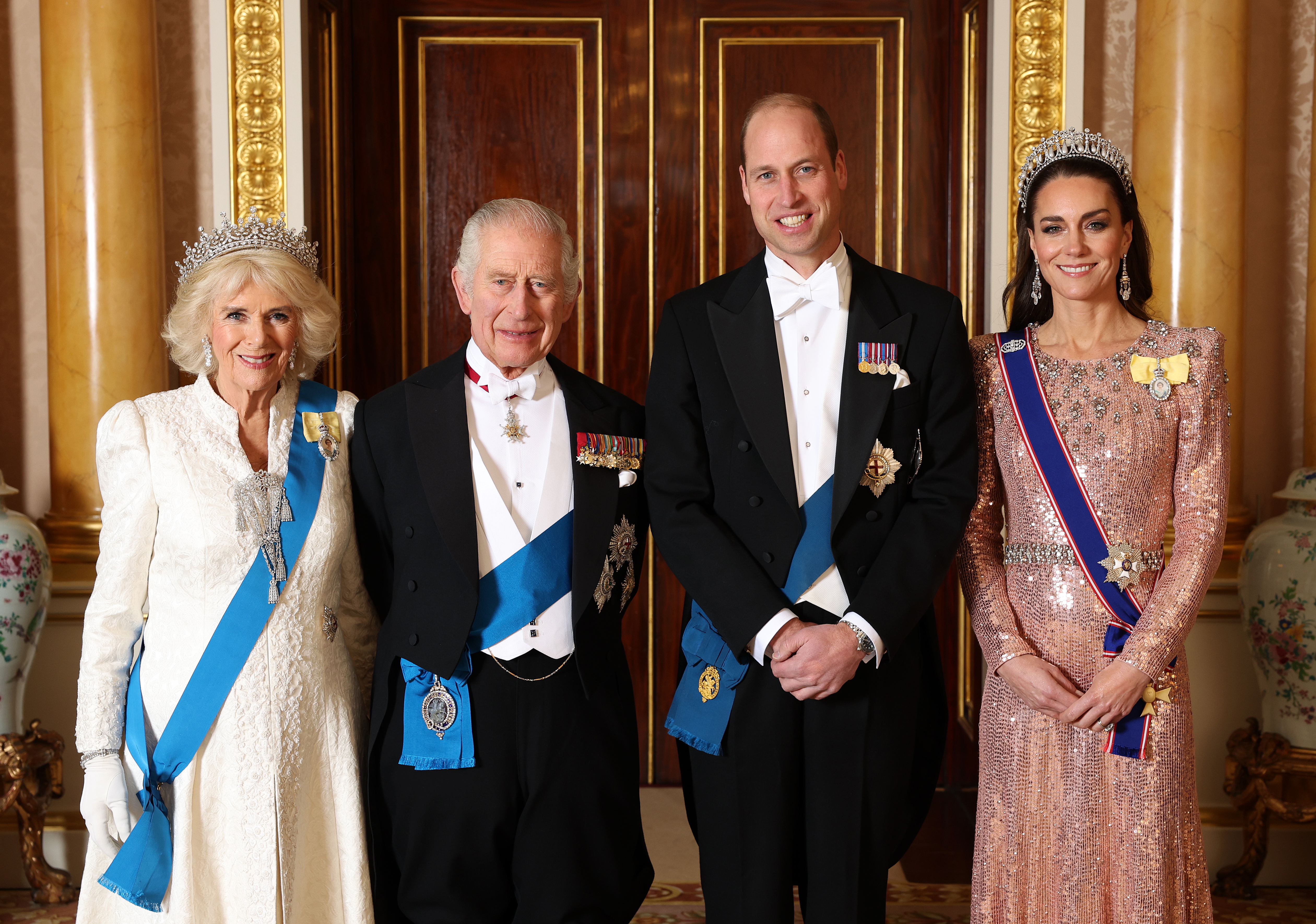
Many commentators have pointed to the official letter issued by Buckingham Palace at the direction of King Charles III by his Lord Chamberlain. In the highly publicised note, His Majesty clarified the status of the public role for the Duke and Duchess of Sussex in simple words – they have none.
However, the letter was far from an official public rebuke of the pair. Even the most fervent of Sussex supporters would see that the letter only states the obvious, which is that nothing has changed since they moved back to the UK, apart from their geographical location. The letter does not either approve or disapprove of the actions of Prince Harry and Meghan Markle; it simply reiterates the position of Buckingham Palace.
Prince Harry and Meghan Markle would not conduct business or charitable endeavours with the disapproval of the institution; the letter simply states that they will do so as private citizens – meaning that none of their actions is in any official capacity to represent the sovereign on a state level. But the letter does not suggest any disapproval of charitable endeavours from the monarch, simply that he will not be involved in matters related to private citizens due to the agreement made at Sandringham in 2020. Disapproval and non-involvement are not the same or mutually exclusive; they are entirely different.
Fundamentally, this letter also reminds the world that the HRH titles for Prince Harry and Meghan Markle remain in abeyance and are effectively on pause. In a way, it's a backhanded reiteration that the titles have not been stripped from the pair, and could someday be used again. It’s not that the monarch disapproves of their actions; it just means that any endeavour is a personal matter undertaken in a private capacity.
The real loss here is the very cause of the Invictus Games, which is now at the centre of this row. If anything, it is still possible the monarch might choose to support Prince Harry and attend either the opening or closing ceremony of the next games in Birmingham at his invitation. When reflecting on this matter, Afua Hagan told the Royal Observer: “There literally is nothing not amazing about the Invictus Games. I think from both sides it would be great.” This sudden news is sure to be devastating to the athletes and injured veterans who would be looking to compete. Indeed, Uganda was the first East African nation to join the special Invictus Community just two months ago, which signalled significant progress. Whilst a desire to show loyalty to the King is always understandable, withdrawing from a global sporting event with an incredible cause behind it, just because the sovereign has no formal involvement, is a decision that is totally uninspiring. It also fundamentally misunderstands the distinction between royal endorsement and private activity.
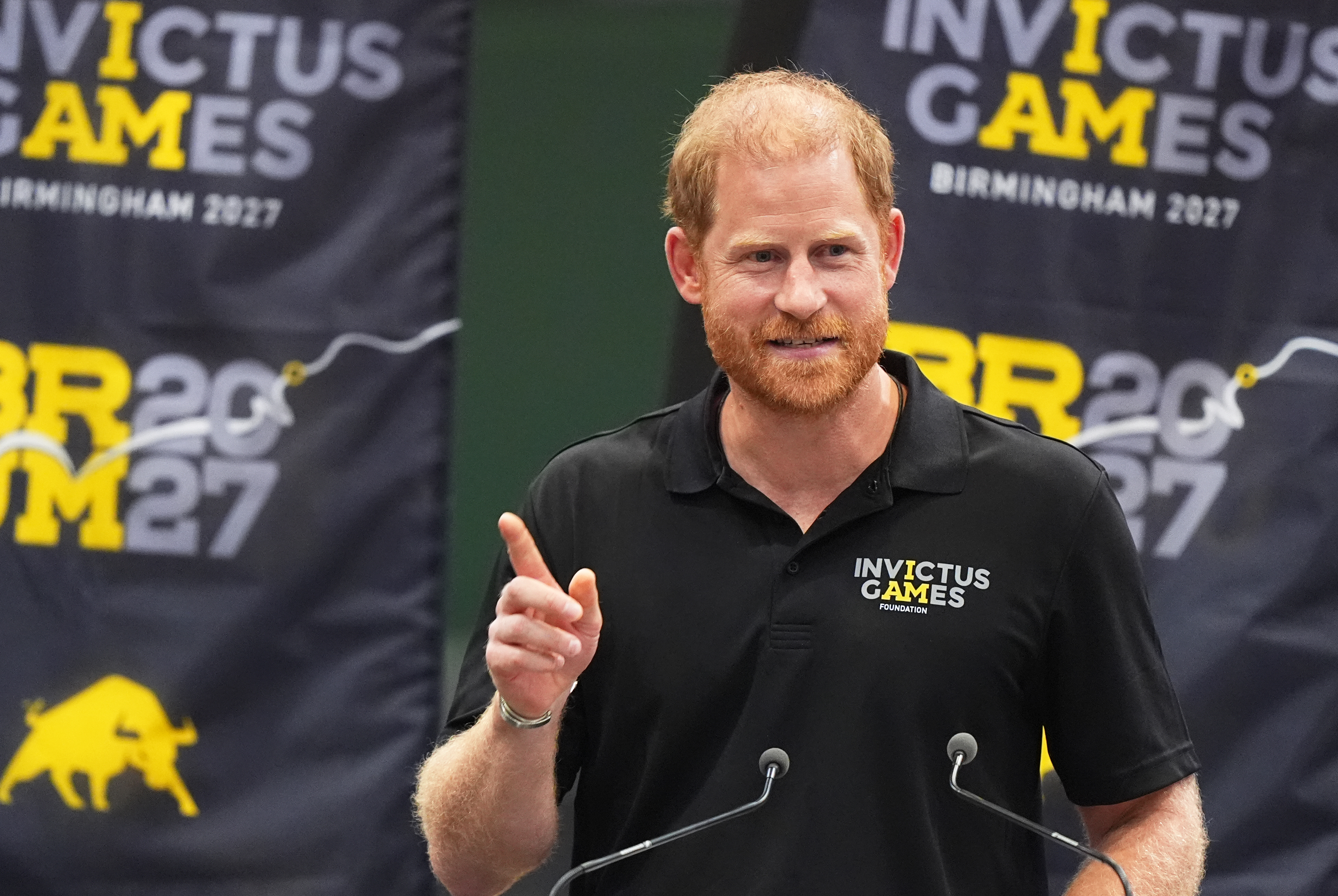
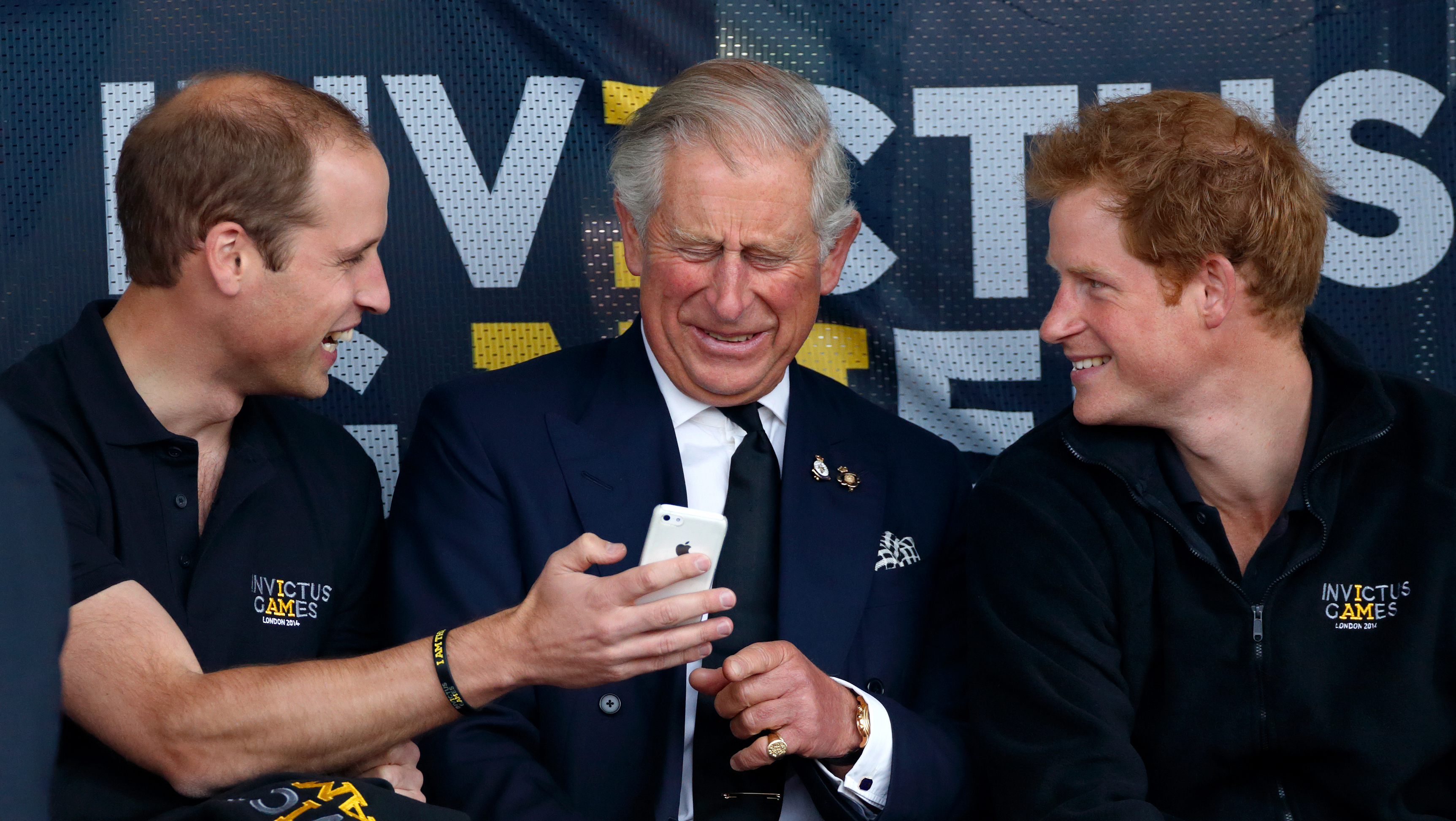
But Harry stepping back from the Royal Family should in no means diminish the validity of the cause and mission of the Invictus Games, nor does it signal that the event is disapproved of by members of the monarchy on a private level. Whilst loyalty to the King is never a bad thing, there is no outward political aim to the Invictus Games. Whatever one's views of the actions of the Duke of Sussex, the Invictus Games have become bigger than Prince Harry himself. The athletes competing in them should not become collateral damage over letters involving status, protocol and procedure. Harry’s continued passionate involvement on a private level, after he stepped away from the firm shows that.
This is a global sporting event that still has significant mainstream support. The Uganda withdrawal comes from a governmental decision, one that has some merit, but would ultimately cause unnecessary harm. Whatever happens within the family, the Invictus Games should remain about the people it was created to serve: those veterans who sacrificed their wellbeing to defend their fellow countrymen. The last thing anybody needs is another royal dispute. Furthermore, just when relations between Harry and his family seem to be somewhat thawing, this throws an unneeded spanner into the works at the worst possible time.