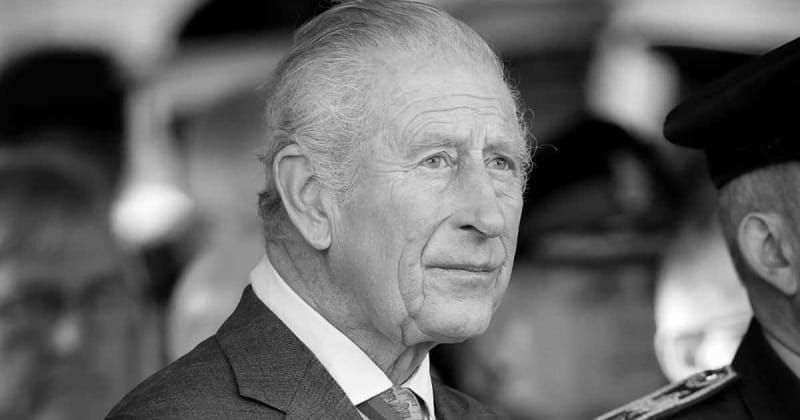
King Charles Urged to Formally Apologize for One of History’s Biggest Mistakes
Experts and advocacy groups alike have argued that the Crown must be held accountable for a mistake and must formally acknowledge its responsibility as an institution.
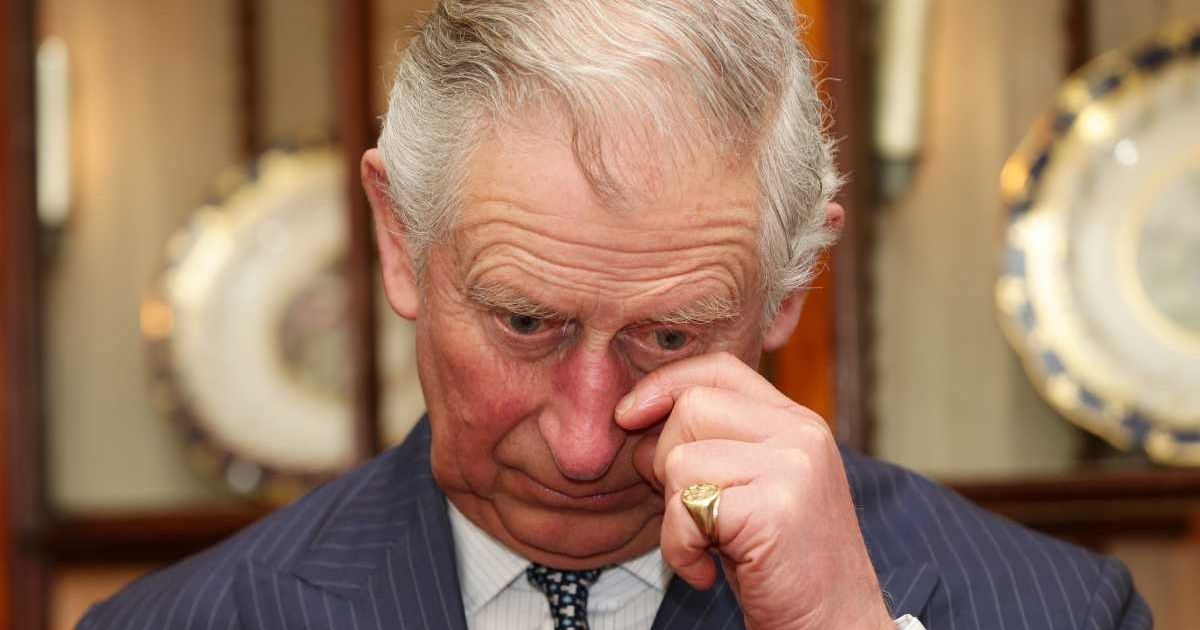


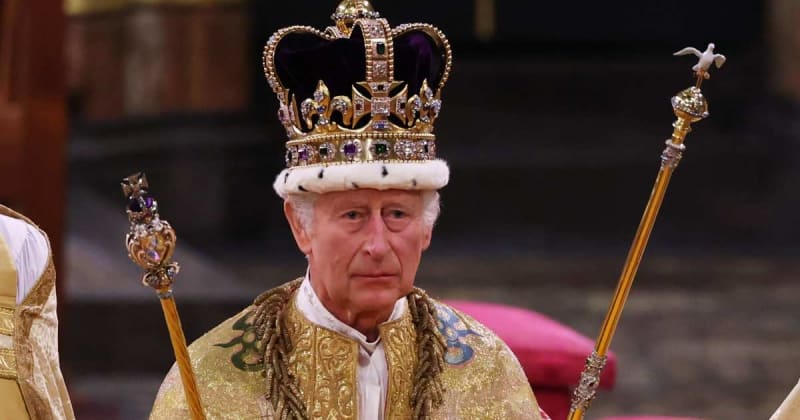
King Charles faces growing pressure to issue a formal apology for the monarchy’s role in transatlantic slavery. New research has reignited debate over what campaigners describe as one of ‘history’s gravest crimes.’ MPs, academics, advocacy groups, and human rights experts alike argue that expressions of ‘personal sorrow’ are no longer enough and that the Crown must be held accountable. It must also formally acknowledge its responsibility as an institution.
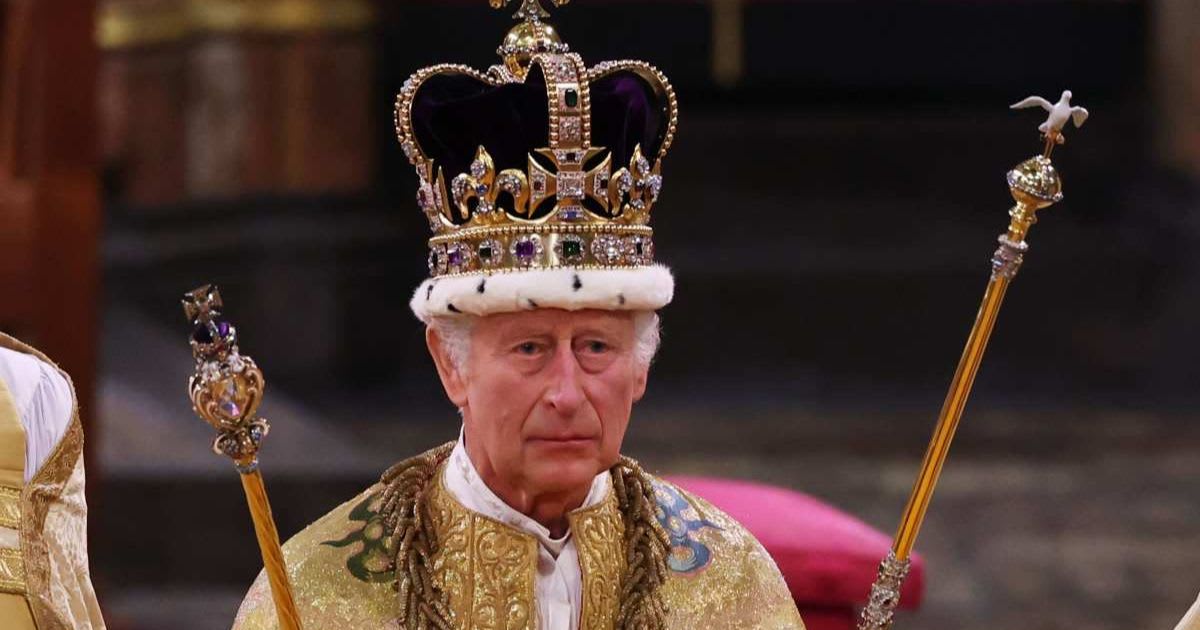
As per The Guardian, the renewed calls have emerged following the publication of The Crown’s Silence by historian Brooke Newman last month, on January 20. It details how British rulers from Queen Elizabeth I through George IV profited from and protected the trade of enslaved African people. The research shed light on the role the Crown had played in extending and defending the system for centuries, especially through the Royal Navy. It helped them boost royal revenues and imperial power. It is believed that by 1807, the British crown was recognized as the largest buyer of enslaved people.
Charles has, in the past, expressed his 'personal sorrow' over the suffering slavery caused, assuring his commitment to seeking 'creative ways to right inequalities' that continue. Prince William has also echoed similar sentiments. Yet the monarchy has refrained from issuing a public apology in these matters. As per the critics, this distinction is necessary. Bell Ribeiro-Addy, the Labour Clapham and Brixton Hill MP, responsible for chairing the all-party parliamentary group for African reparations, said that the King’s 'personal sorrow' did “not befit one of the single greatest crimes against humanity.” She emphasized, “This isn’t about individuals but the monarchy as an institution. What is needed is not simply an apology on behalf of the Crown, but acknowledgment of this history and action to address its lasting legacy of global racism and inequality.” She noted how an apology could in fact be a basis for "the honest conversation and transformation" on the issue.
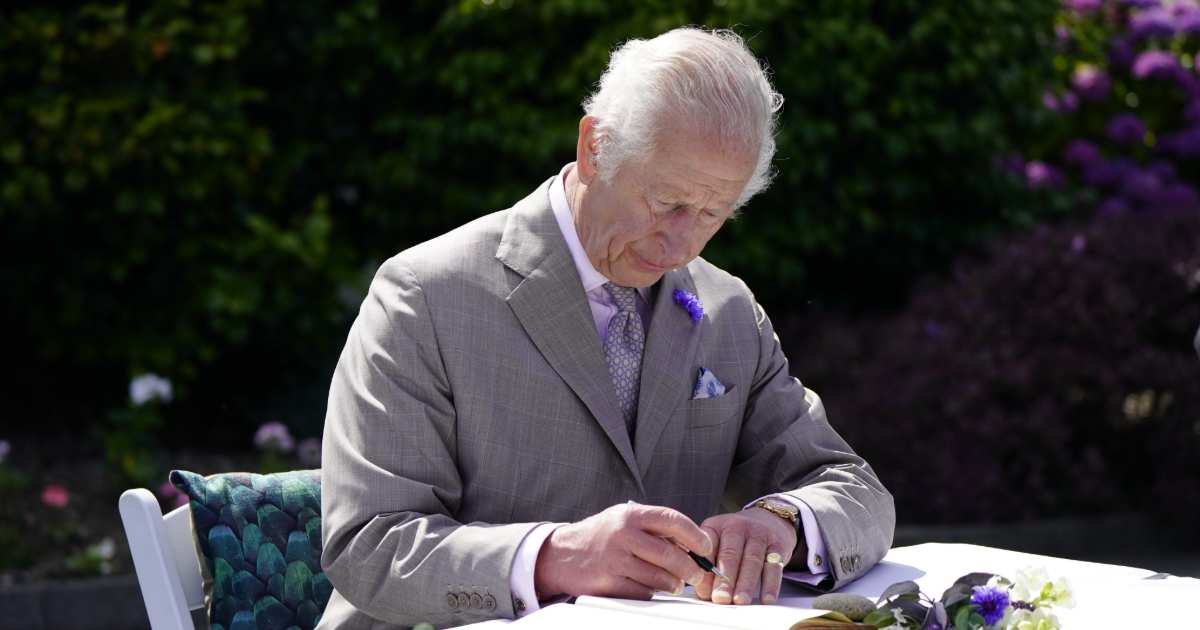
The urgency to take action is echoed by civil society groups and international experts. They have stressed that an apology must come with concrete reform. The Runnymede Trust, in its Reparations reports in September 2025 cited that the Crown’s apology would be regarded as “a welcome, symbolic, first step” but made it known it should be paried with “an accompanying governmental promise to engage with the systemic work that needs to be done to see how the legacies of slavery have coded our economic and financial infrastructures, and to genuinely commit to their reform and transformation.” Liliane Umubyeyi, director of African Futures Lab asserted that recognition “cannot be sufficient on its own,” arguing that “legal as well as moral obligation for reparations, as slavery has been formally recognized as a crime against humanity under international law.”
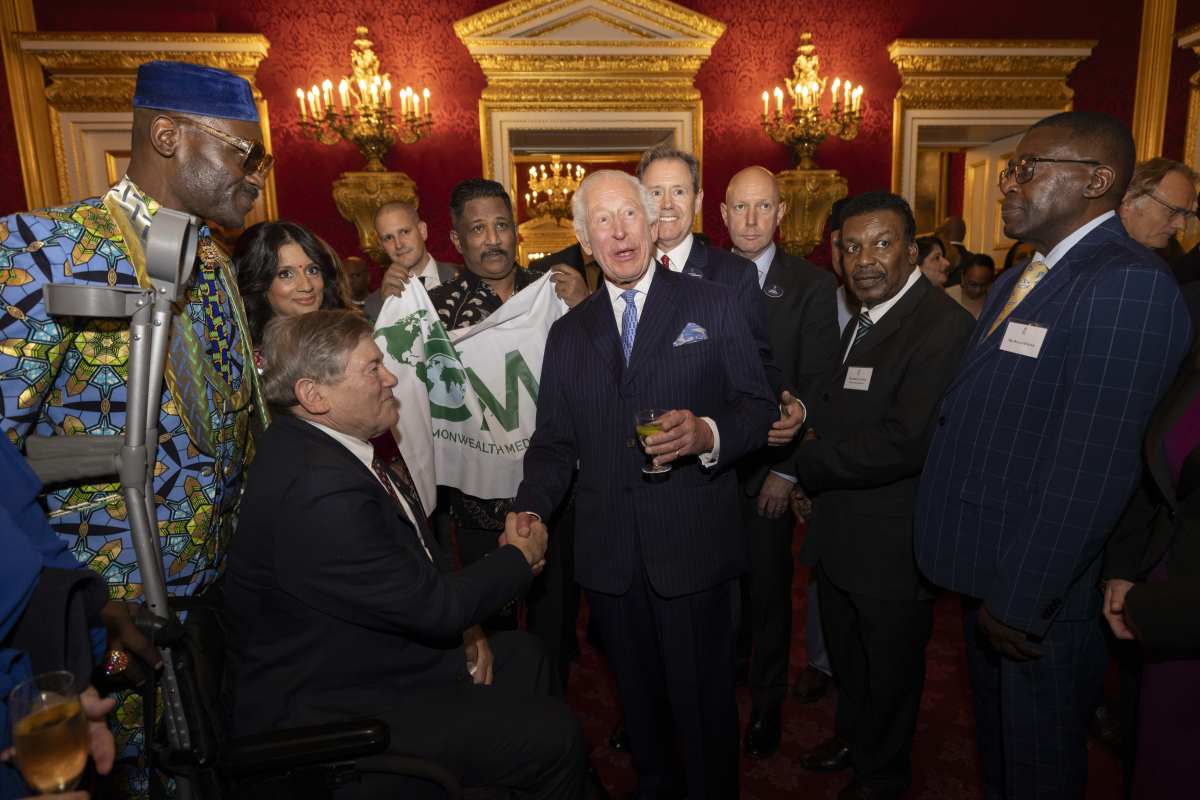
Carla Denyer, the Green Party MP for Bristol Central, also believes that a formal apology is 'long overdue' and stressed how the “descendants of enslaved people deserve nothing less.” Independent experts working with the United Nations also share the view. The pressure on the King is expected to intensify again as the year unfolds. Caribbean and African nations will raise the issue again at the Commonwealth Heads of Government meeting in Antigua and Barbuda. Michael McEachrane, the researcher and human rights activist from UN Permanent Forum on People of African Descent, expressed, “The growing global call for reparatory justice is not primarily about the past. It is critical for a sustainable future, as there is no force in human history that has contributed more to social, economic, and ecological disparities than colonialism. This isn’t charity or ‘handout’ – it’s about partnership: Commonwealth nations and the UK building equitable futures together, acknowledging rather than erasing their shared history.”