Prince Harry Has Turned Invictus Into a PR Tool — and Veterans Are Paying the Price: Expert
Royal commentator thinks Invictus was meant to honor those who served, but instead, it's being used by those who want to be seen.
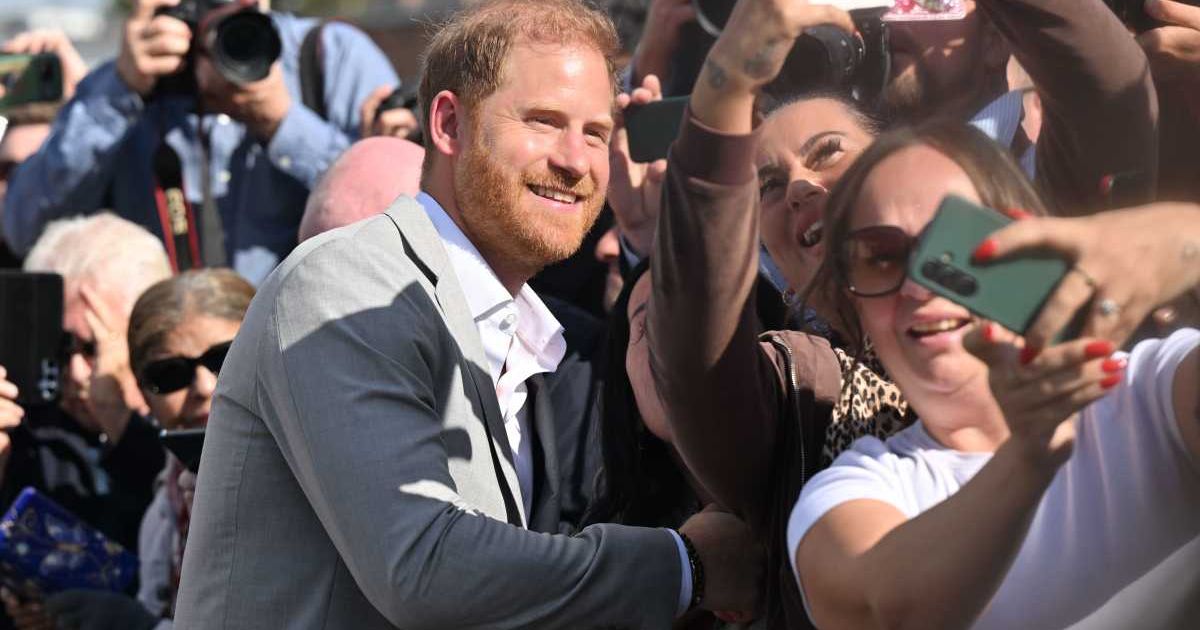


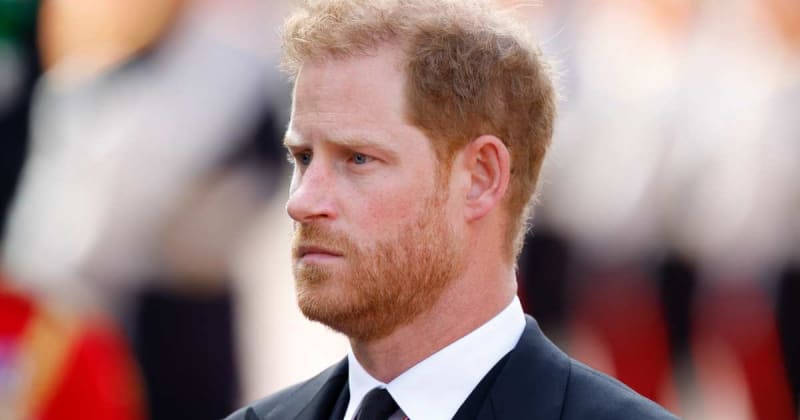
Prince Harry created the Invictus Games to do something genuinely noble — to celebrate veterans, to lift those hollowed out by combat and PTSD, and to remind them that their fight still meant something. It was never supposed to be about him. And for a while, it wasn't, and then he left the royal family.
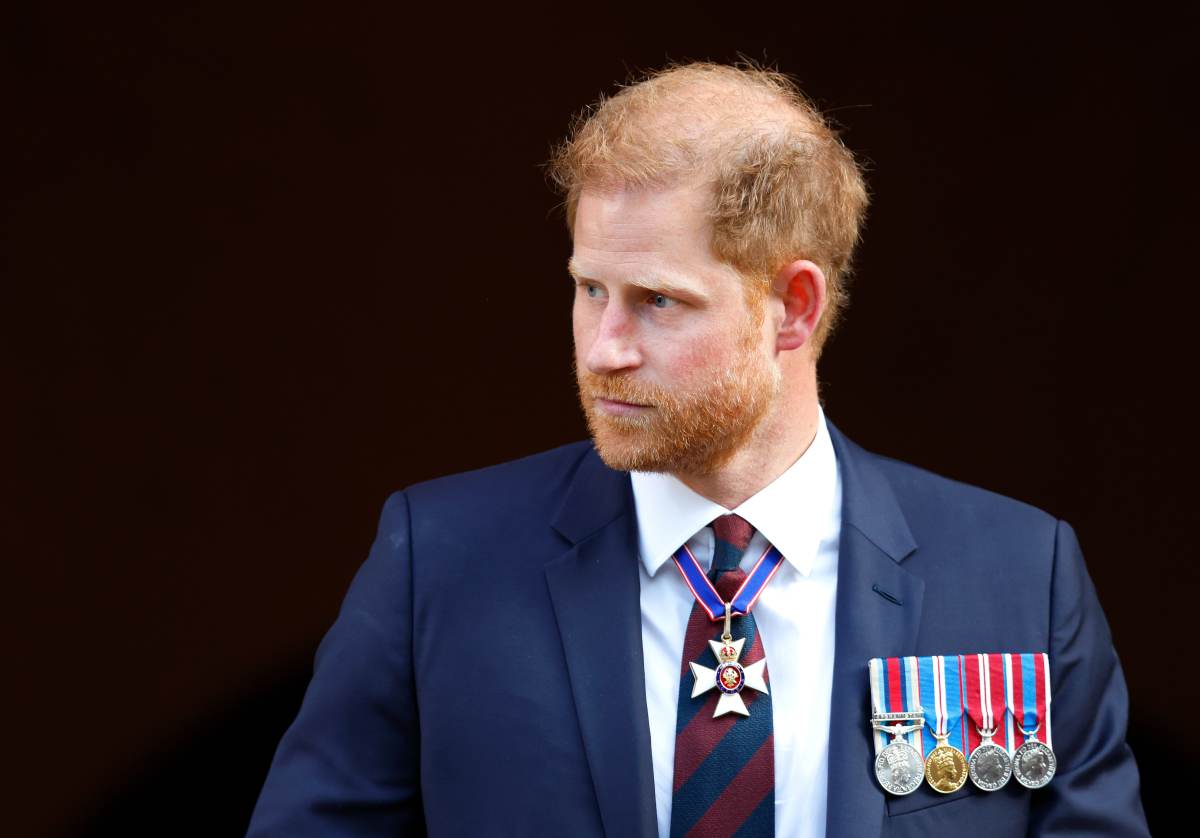
That, in essence, is what royal commentator Shauna Kay said in her Substack post, Harry's Consolation Prize. She argued, "Invictus was never supposed to be a consolation prize, and yet that's exactly how the Palace treated it, and how the Sussexes have used it." The Invictus Games, founded to honor wounded and sick veterans, have been repurposed, not dismantled or abandoned, but something more insidious than either: hollowed out from the inside and repackaged around a very different story. And the trouble, Kay contends, didn't begin with the Sussexes. It began with the Palace. The transformation didn't happen overnight, and it didn't happen without institutional help.
Kay traces the problem back to the moment when the decision was made to allow Harry to retain his association with Invictus following his departure from royal life. The rationale was thin. "When they made the decision to allow Harry to keep Invictus," Kay wrote, "they reportedly stated it would give him 'something to do.'"
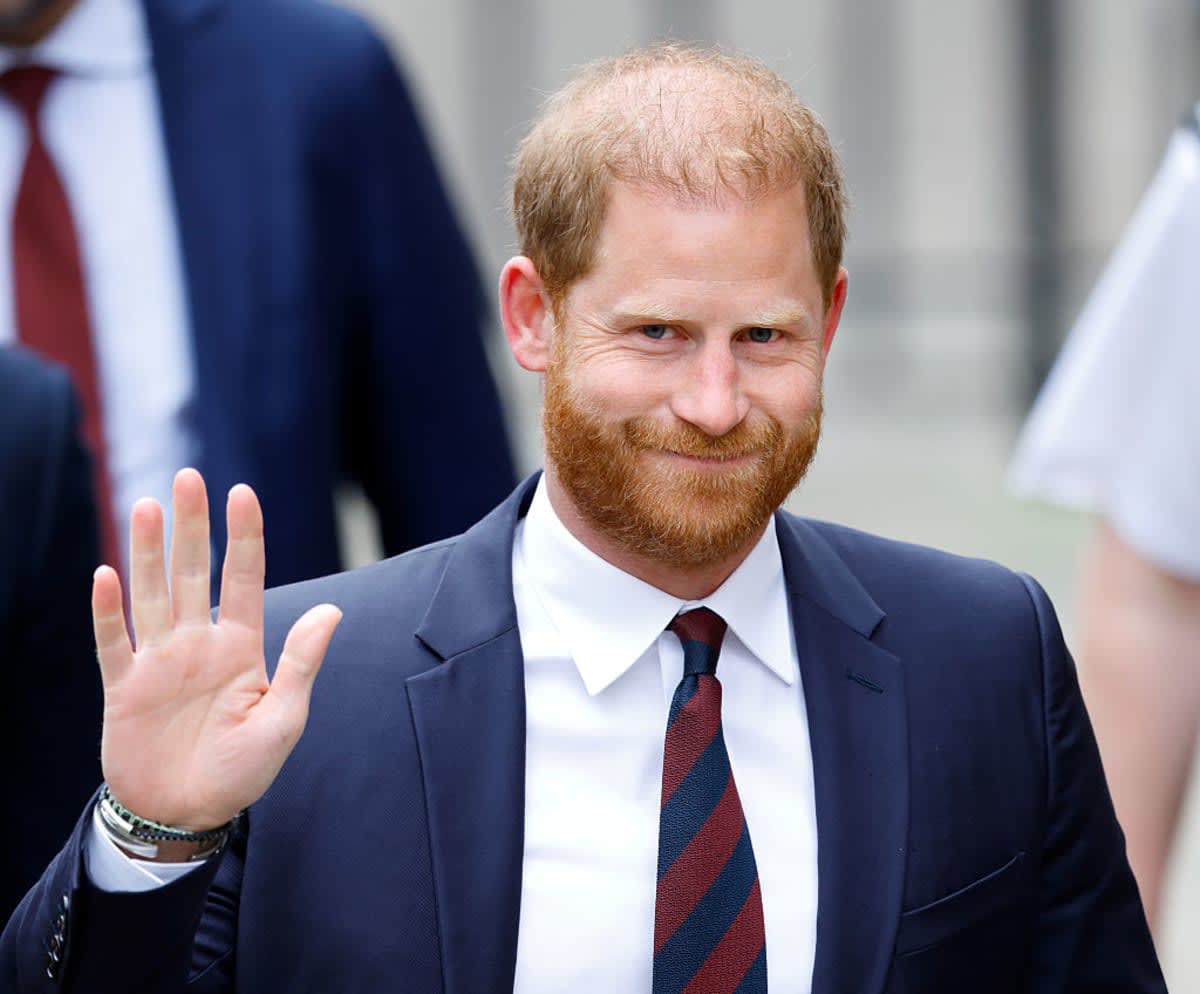
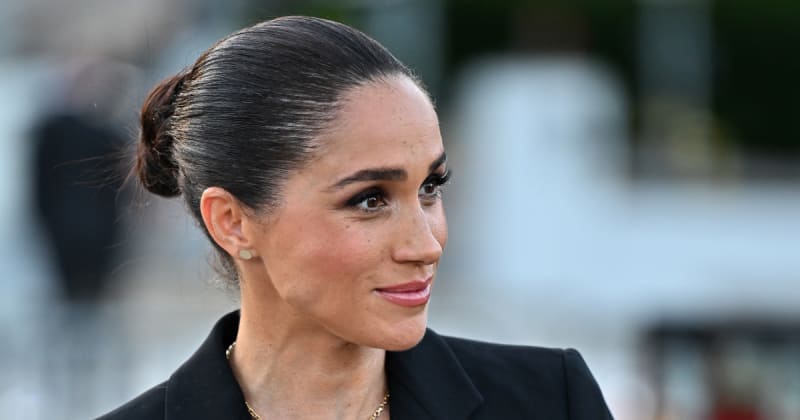
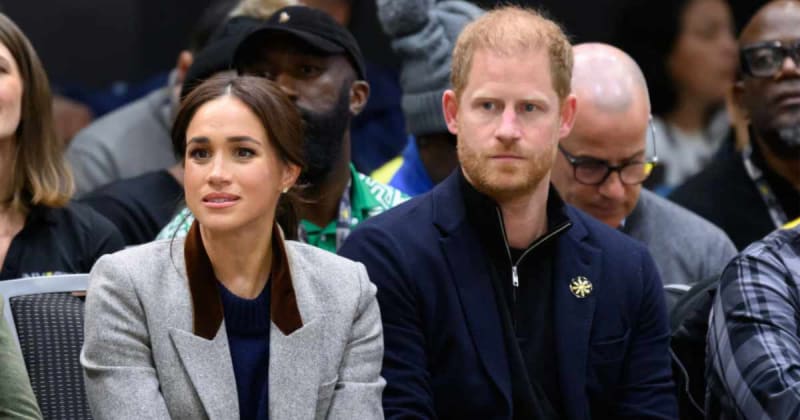
And as per Kay, that is almost closer to contempt for every veteran whose story the Games were built to tell. Invictus was handed over not as a sacred trust, but almost as a ‘consolation prize’ for a Prince on his way out the door. And despite that, Harry made sure to weaponize it in his favor, Kay says. She argues on his way out the door. The promotions have been 'inconsistent'. Kay also pointed to another subtler pattern — allegations that Meghan Markle has repeatedly pulled the focus away from her husband at an event that was never really about either of them. Carefully chosen camera angles, critics argue, made sparse crowds look like sellout scenes.
And as a result, the Games don't become a celebration of service, but a stage — and the veterans, by extension, become props. And per Kay, she is not the only one feeling it. The Invictus Games Foundation, she points out, has received numerous formal complaints reflecting precisely this concern — that the event "no longer centres on the veterans for whom the project was created."

Further, drawing support from royal biographer Tom Bower, whose book Betrayal offers first-hand reporting from the Vancouver/Whistler Games, Kay calls it the ‘chorus of dismay' that Bower also cared to join. Invictus was built to centre veterans. Increasingly, the evidence suggests, it centres on something else entirely. Kay, doubling down, continues, "When a service project becomes a shield, the people it was meant to serve get pushed to the margins." The veterans who compete at Invictus — many of whom have endured injuries, trauma, and years of recovery — deserve more than a backdrop role in someone else's redemption arc. They deserve the full weight of the spotlight. Instead, Kay argues, they find themselves sharing it with a narrative they never signed up for. "It's about accountability," Kay writes, "and about a veteran's event that deserves better than being treated as a backdrop."