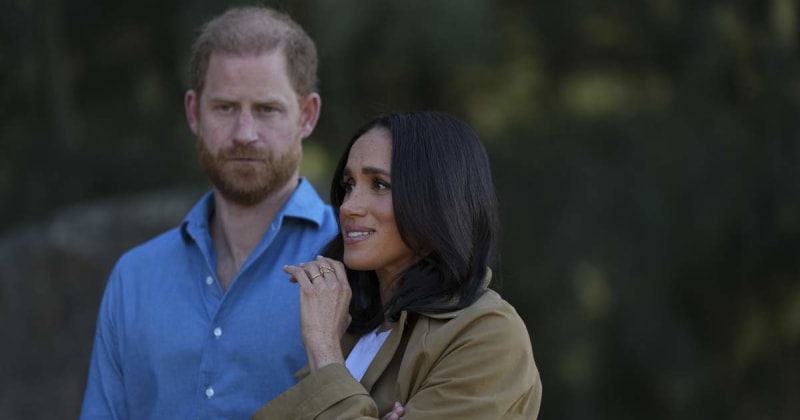
Prince Harry Defended by US Military Team Over Latest Claims: 'Invictus Save Lives'
Director of the US Warrior Games David G. Paschal asserted that none of the competitor injuries in the Invictus Games were exaggerated.



Just when Prince Harry thought he could catch some respite from public criticism, royal author Tom Bower proved otherwise. His new biography, Betrayal: Power, Deceit and the Fight for the Future of the Royal Family, made sensational claims about the Invictus Games, alleging that competitors' injuries could be exaggerated. Pushing back against this, the director of the US Warrior Games, David G. Paschal, publicly backed the Duke of Sussex, asserting that the Games remain committed to empowering sick and injured veterans.
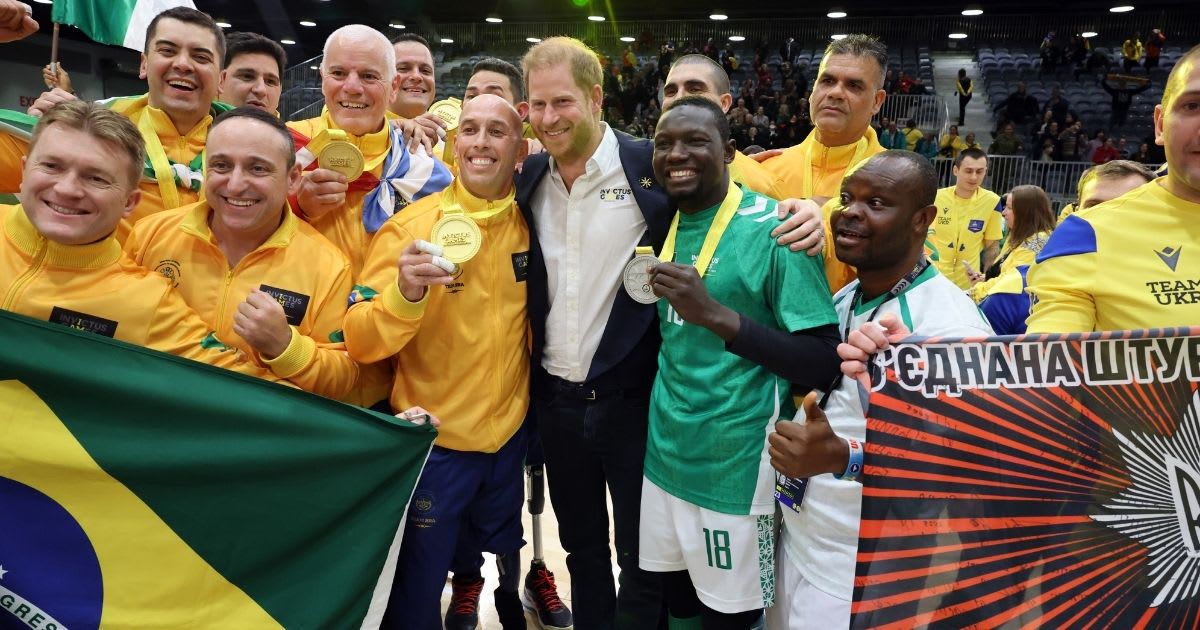
In a statement to Newsweek, Paschal refuted Bower's allegations, clarifying that competitors had both visible and invisible impairments, such as below-the-knee amputations and lower limb function loss. He argued, "The Invictus Games are designed to ensure that wounded, ill, and injured service members and veterans with a wide range of visible and invisible injuries can compete on an equal playing field," adding, "Team US fully supports the Invictus Games Foundation's inclusion of competitors with PTSD, a recognized combat and service-related condition, as invisible wounds can be just as debilitating as visible ones."
Against that backdrop, he confirmed that none of the participants were professional athletes, a strict eligibility requirement for Team US. He continued, "Adaptive sporting events such as the Invictus Games save lives through community and purpose, and Team US recognizes the positive impact of this international competition." The last line would certainly make Harry proud, as he has argued in the past that his work with the Invictus Games was life-saving. In 2020, The Daily Mail published articles alleging that the Duke had 'turned his back' on the Royal Marines after stepping down as a senior royal. Harry strongly refuted this, saying that the reports were false and damaging to his credibility among servicemen.
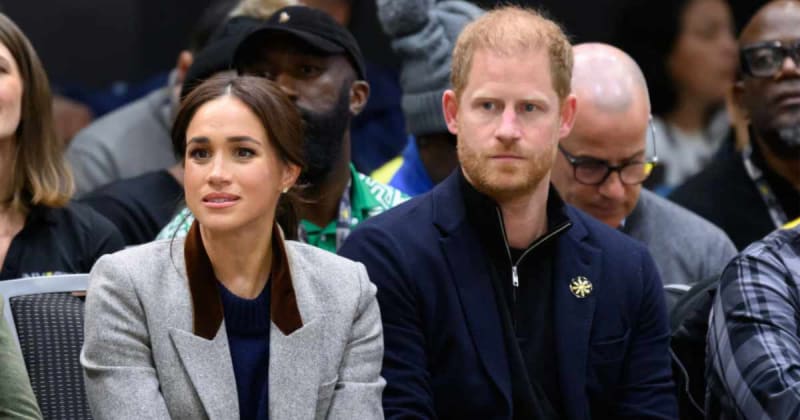
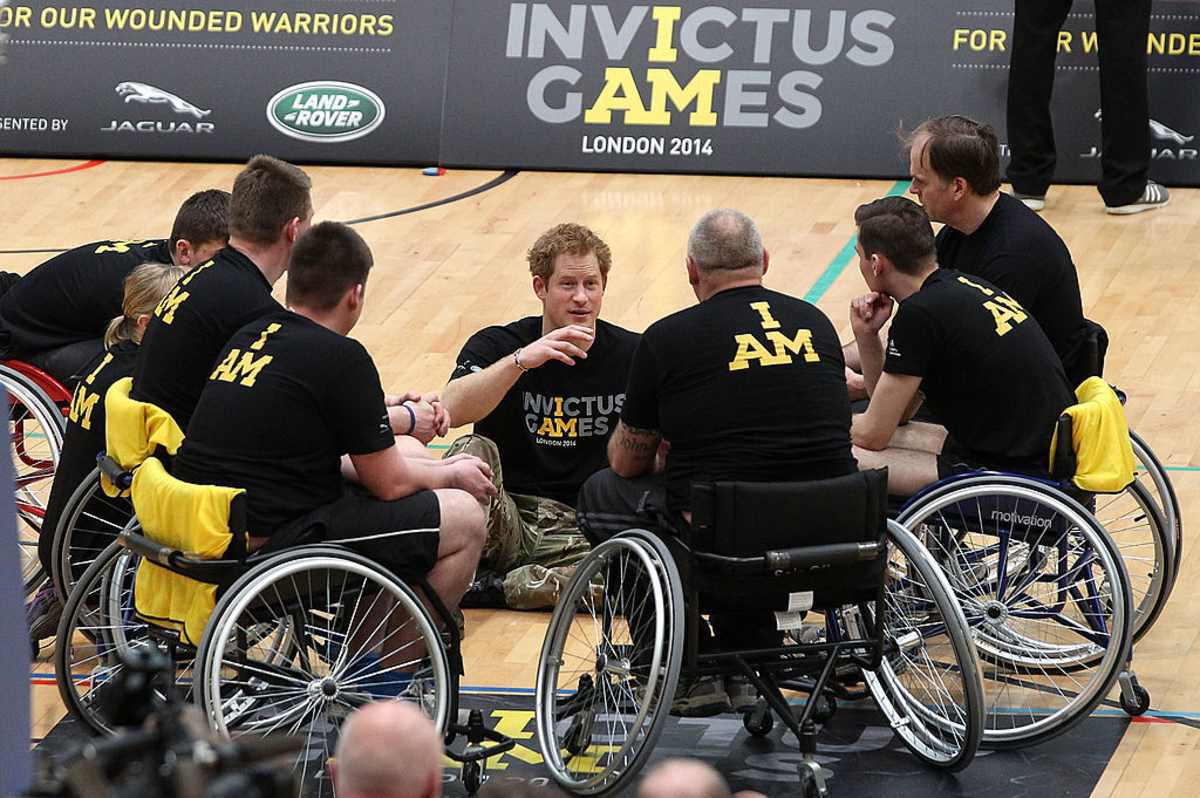
In his scathing biography, Bower wrote about a wheelchair basketball match where he suspected foul play. He penned, "While two men in the Nigerian team had lost a leg, none of the Americans were limbless. All were apparently suffering from post-traumatic stress disorder. Throughout the game, there was barely a murmur from the spectators. Halfway through the match, the Sussexes slipped into their seats." He stressed that after the American team had wheeled themselves off the court, they "effortlessly all got up and walked away. None of them appeared to be physically injured."
After The Times published serialized versions of the book, a spokesperson for the Invictus Games criticized their decision, hinting that it catered to a long-standing agenda. They stressed that the Games remain focused on "the recovery and rehabilitation of wounded, injured, and sick service personnel and veterans from around the world," adding that attempts to undermine mental health issues or question competitors' legitimacy were disrespectful to the men and women it was created for. They concluded, "The focus should remain where it belongs—on the courage, recovery, and camaraderie of those who have served."