6 Years After Royal Exit, Harry & Meghan Return to What Once Worked — and It Tells You Everything
From royal fallout to scripted drama, Harry and Meghan's latest Netflix bet says more about their reinvention than they might intend.
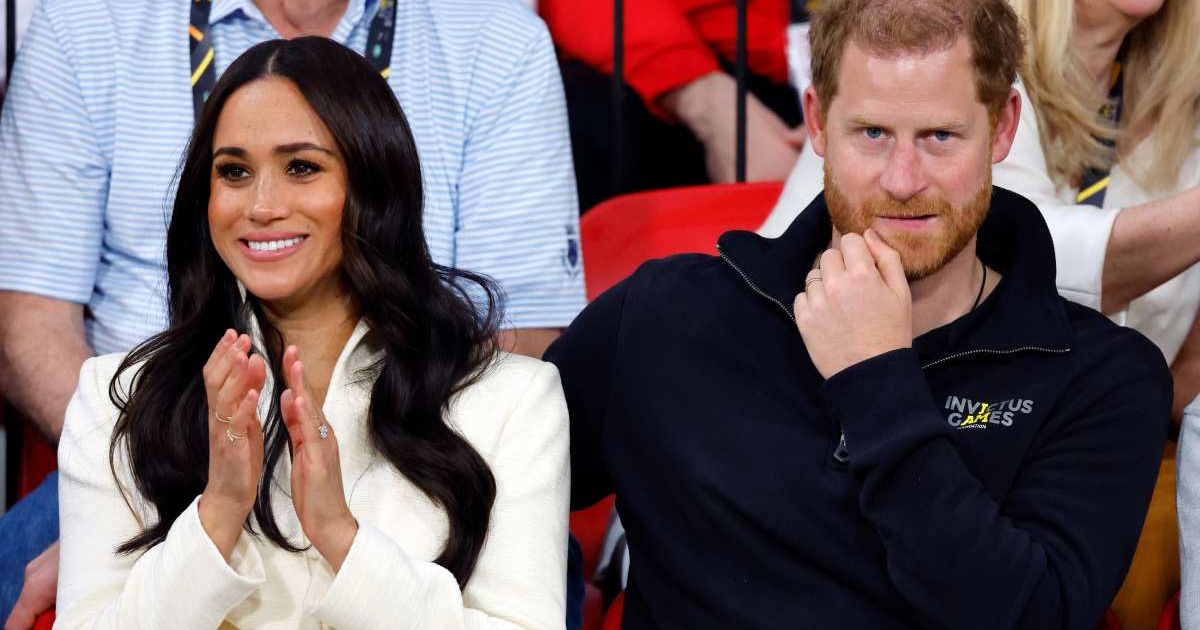


There is some sort of irony at the heart of Prince Harry and Meghan Markle’s latest Netflix announcement. The couple has doubled back to the road they know best. After years of swinging up fences and coming up short, the couple is now returning to the familiar well. Having built their streaming career on family drama, the pair is returning to a show explicitly described as exploring ‘the messy dynamics’ of rival teams and the families behind them.
Make of that what you will.
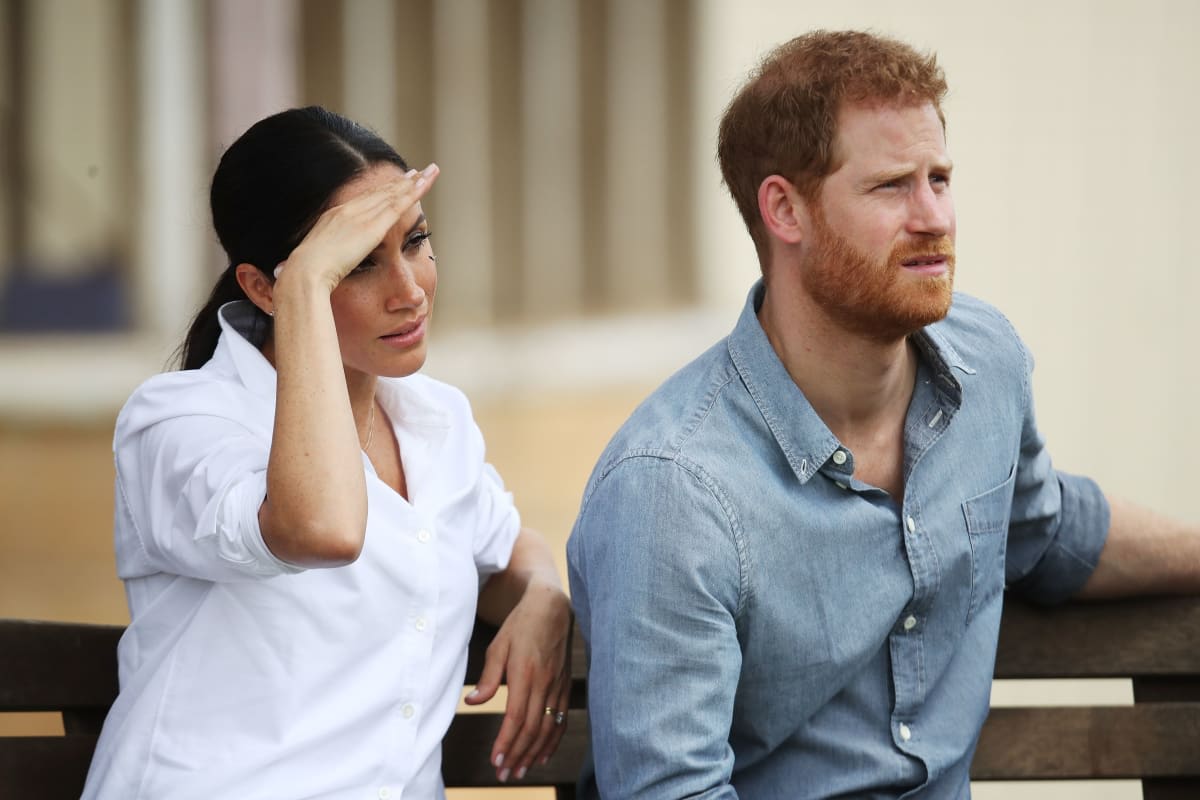
The language, whether intentional or not, is remarkably familiar territory for these two particular producers. Because when the Sussexes first arrived at Netflix, the product they sold was their own story, a deeply personal account of life inside the Royal Family and the rupture that followed. And it absolutely worked in their favor. When Harry & Meghan landed on Netflix in December 2022, it shattered records — racking up 80 million viewing hours in its first four days. It drew enormous viewership, sparked global conversation, and established Archewell as a production entity worth taking seriously.
However, thereafter, Live to Lead, released on New Year's Eve 2022, drew just 800,000 views and failed to enter the daily Top 10 in any country. Heart of Invictus fared little better. The 2024 polo documentary, ostensibly a test run for the world Harry and Markle are now returning to in scripted form, managed just 1.1 million views and never troubled the Netflix Top 10. And then came reports of a strained relationship with Netflix, a partnership under pressure, and a streamer whose insiders were said to be cooling on the arrangement. And in that context, the announcement of the series could be the best strategic decision they would have taken.
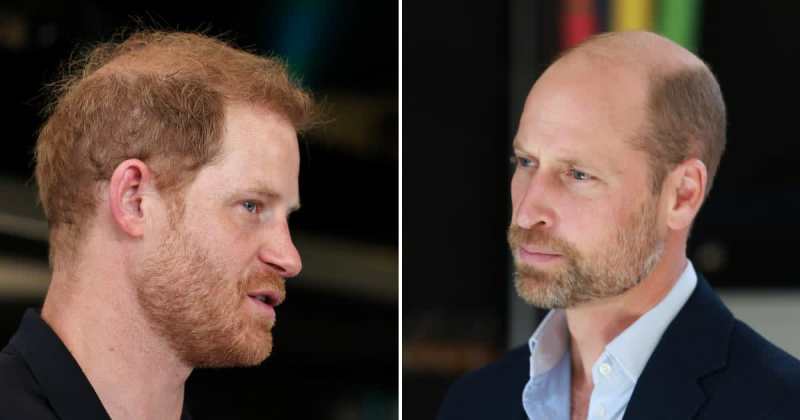
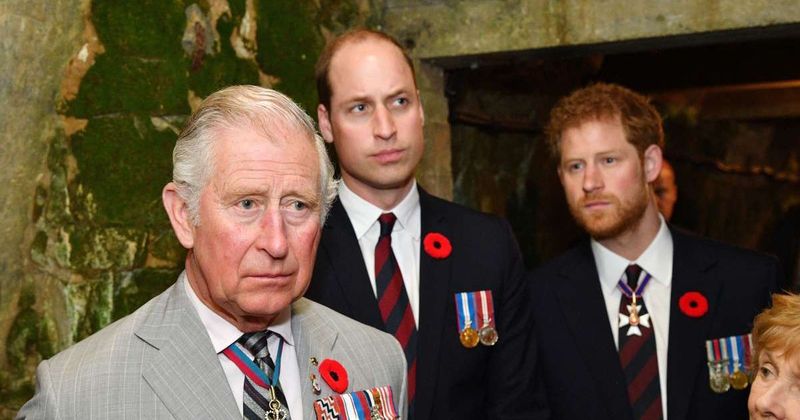
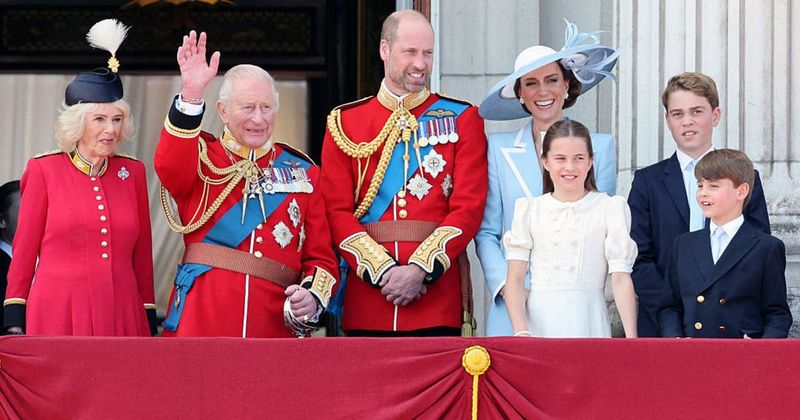
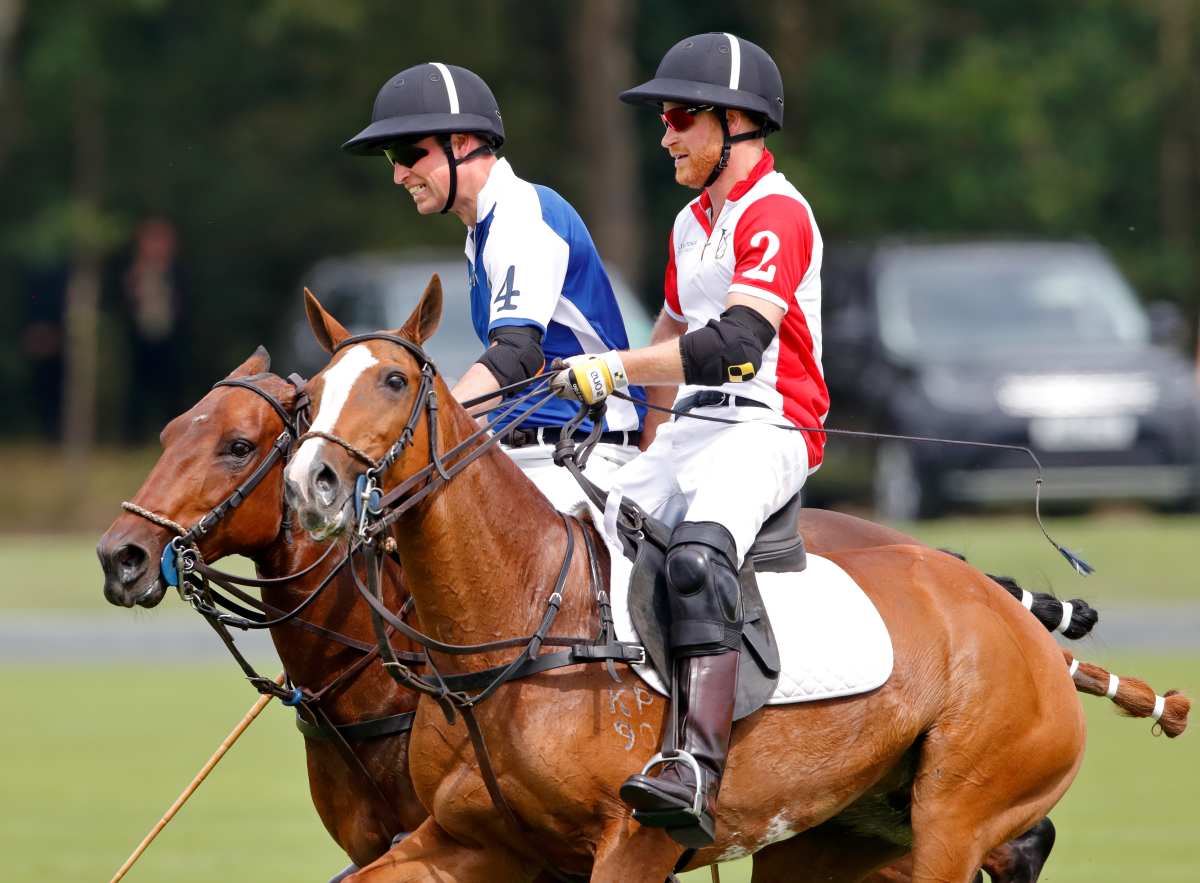
Now going back to Polo, and specifically to a drama about rival families navigating it, is, in the clearest possible terms, a return to familiar ground. Harry is not an outsider to this world. He is an active participant in it, having competed in Wellington himself, and the sport runs through his life in ways that predate any Netflix deal. But there is something else worth noting. Harry and his estranged brother, Prince William, have shared the polo field on multiple occasions over the years — one of the few spaces where the two have continued to exist in the same world, even as everything else between them has fractured. For a show about rival families and the tensions that pull them apart, Harry does not need to reach far for source material. It has been there all along.
And for Harry, polo is one of the last remaining threads connecting him to a family he left behind.
And now the show promises to widen the scope of the game, taking it "beyond the rich owners and players" and into something more expansive — suggests the couple are at least trying to avoid the criticism that dogged the 2024 documentary, which many felt was too narrow and too insider to travel beyond a niche audience. A scripted drama with broader dramatic ambitions might be a smart commercial vehicle. It is also likely to be considerably more watchable in the hands of Fake Empire, the company behind Gossip Girl and Nancy Drew.
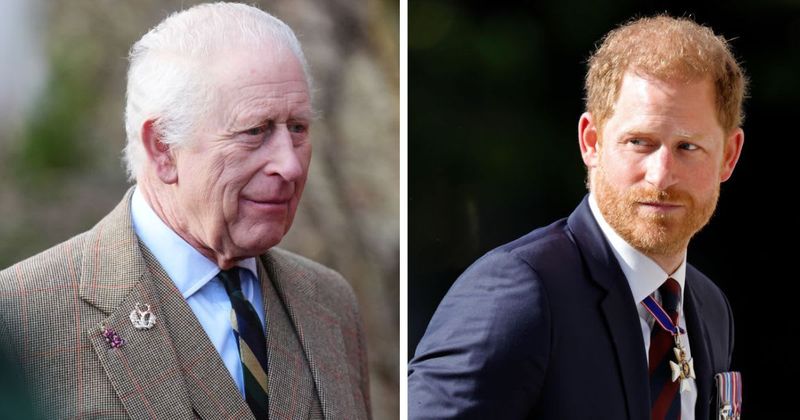
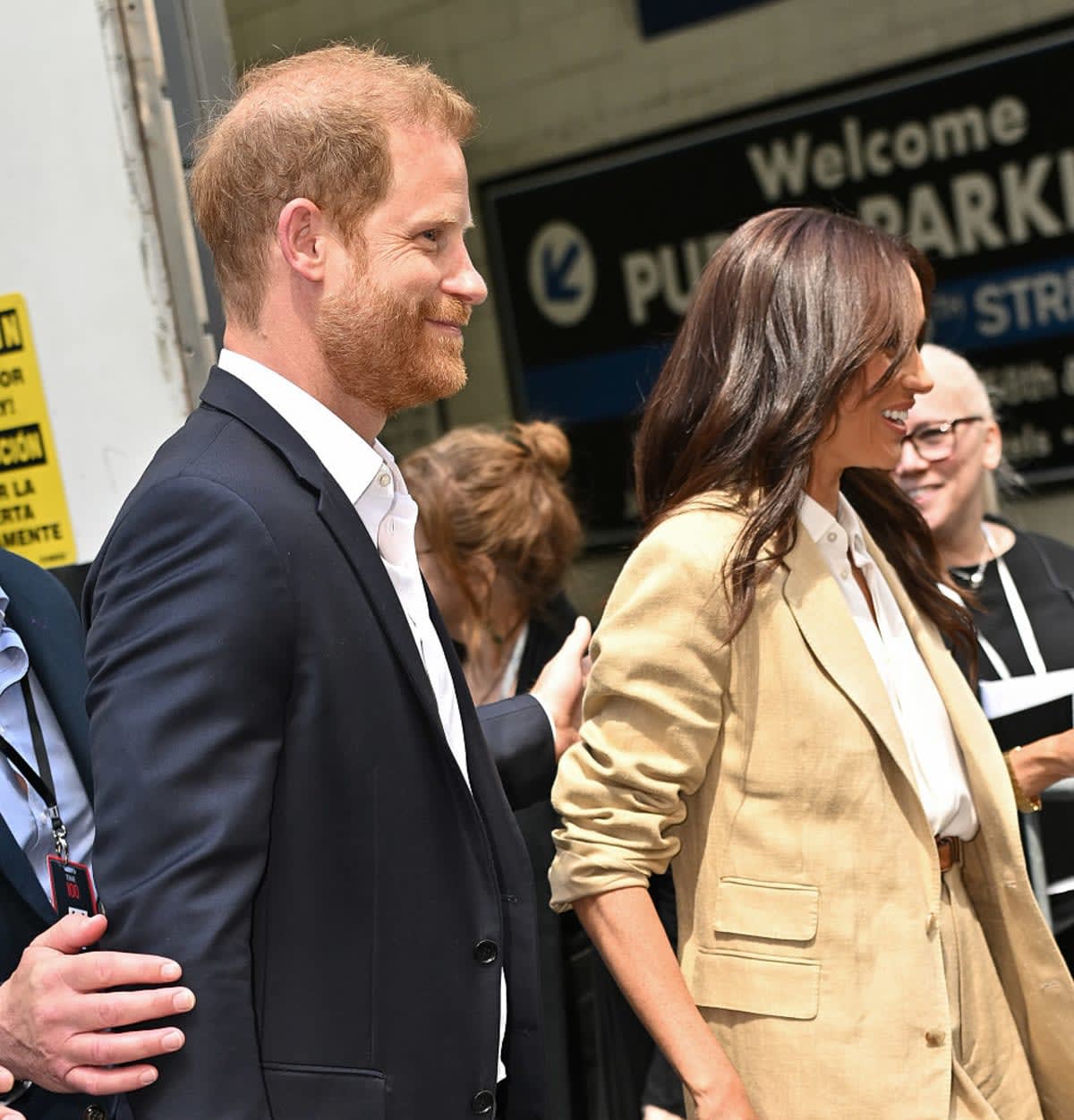
But one step back from the creative calculus, and the peripherals become clearer. 6 years after their royal exit, Harry and Markle are clearly recalibrating who they are and what they stand for. The confrontational posture that defined so much of their early post-royal public life, the interviews, the memoir, and the bombshell revelations, has not served them well financially or reputationally. They remain, for a significant portion of the public, figures defined by conflict. That is a brand problem, and it appears they know it.
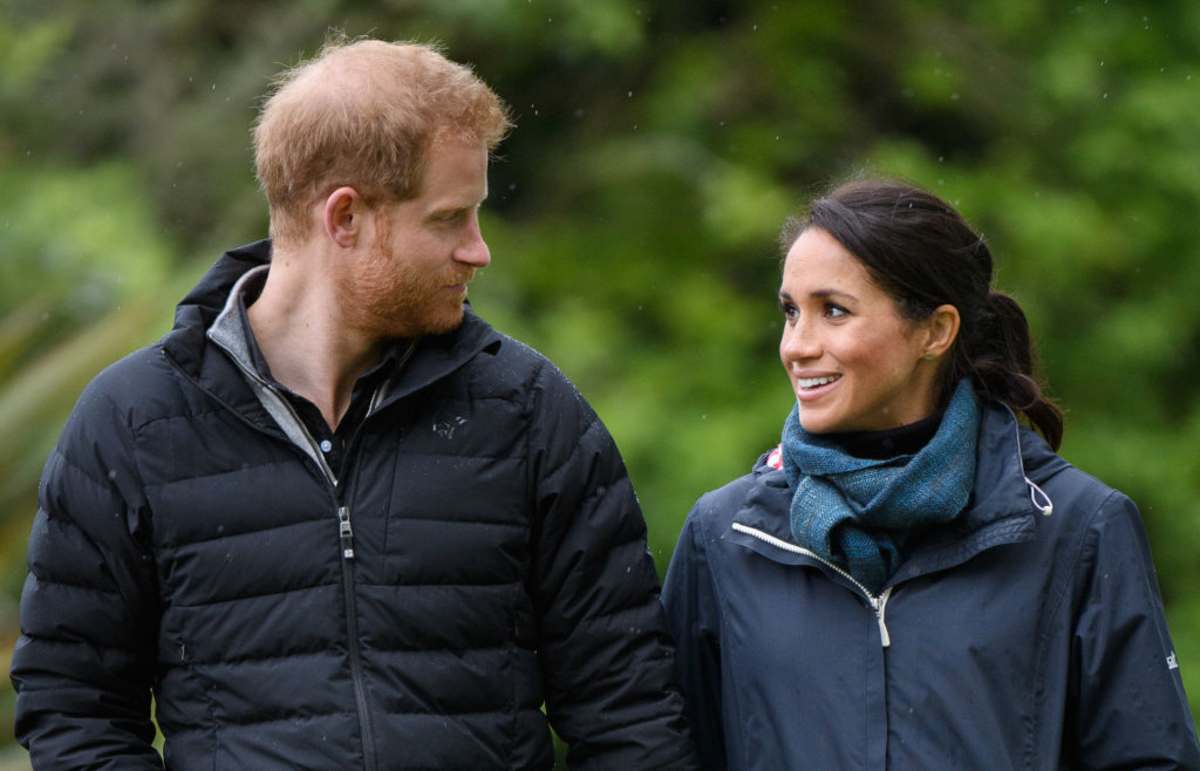
Before their daughter Princess Lilibet had drawn her first breath, Harry and Markle had already secured the domain names LilibetDiana.com and LiliDiana.com — a move their spokesperson described as standard practice for public figures protecting a name from exploitation. Standard practice, perhaps, but also a window into how methodically the couple thinks about their brand — not just for themselves, but for the generation that comes after them. Prince Archie and Lilibet are growing up in Montecito, far removed from the gilt corridors of the institution their father was born into, and 6 years on from their exit, it is abundantly clear that the Sussexes are playing a long game. And by now, their brand name is almost synonymous with reinvention.
It is clear now that the legacy they are trying to build is only for their children, a self-sustaining empire of name, identity, and intellectual property that belongs solely to the Sussex family and answers to no courtier and no firm.
The Beckhams arguably are the most instructive case study in celebrity brand-building of the last three decades — they did exactly the same thing, constructing a dynasty so totemic that their children were born into a fully formed cultural inheritance. And yet, as Brooklyn Beckham has demonstrated, inheriting a famous name is the easy part; filling it, well, not so much. His cooking show was lampooned, his various entrepreneurial ventures questioned, and the same bruising question followed him — what is he without his surname?
The Sussexes, consciously or not, are building the very same architecture — a brand so intertwined with their children's identities that Archie and Lilibet will one day have to decide what to do with it. The same question, in fact, that Harry and Markle are still in the process of answering themselves – who are you when you are no longer defined by the institution you left? 6 years out from the Windsor fold, having swung between triumph and stumble more times than most, the couple is still working that out in public, which is, at this point, perhaps the most authentically Sussex thing about them.
And the new drama fits neatly into this prospect. It draws on something real and personal in Harry's life without requiring either of them to re-litigate the past. Playing the commercial game without being provocative. It is, in the most straightforward sense, a safer option — and after years of projects that took risks and did not pay off, safer may be exactly what Archewell needs right now. The lessons have been hard-won. But the instinct to keep building, to keep moving forward rather than looking back, is sound. And for a couple who have done so much of their learning in full view of the world, that counts for more than it might seem.
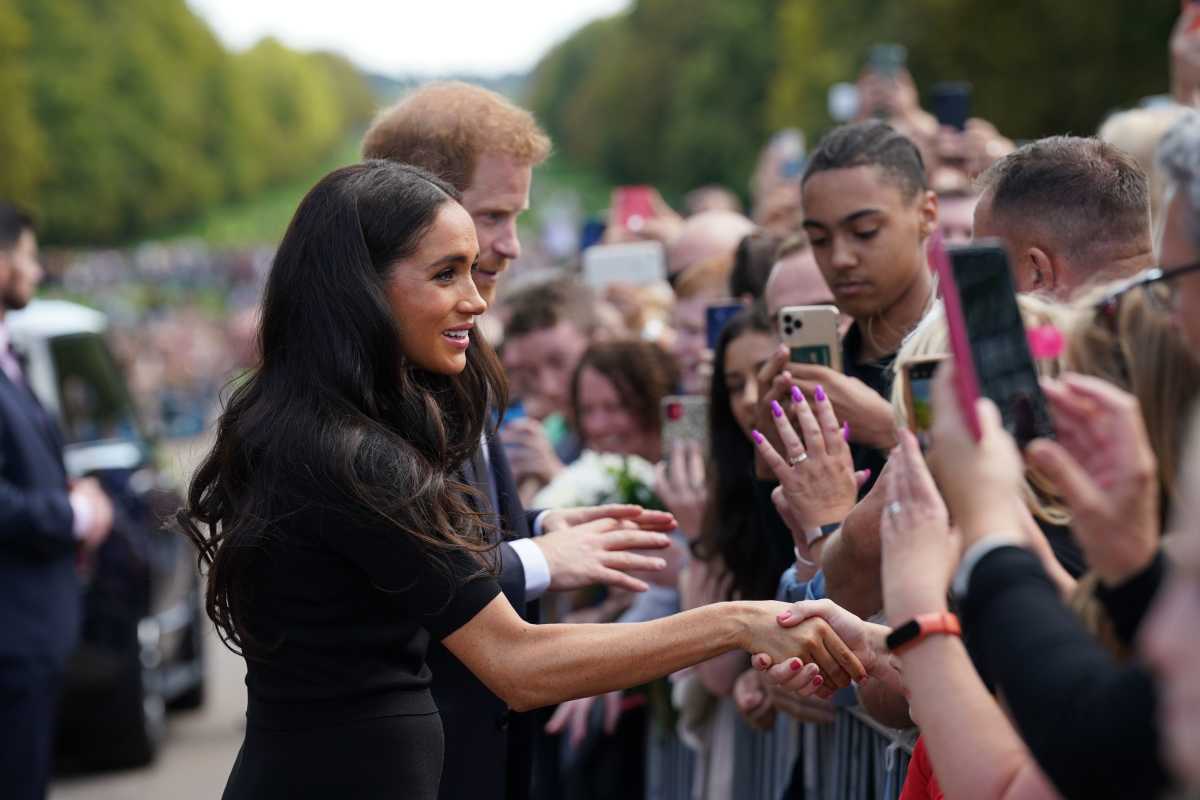
Whether this reinvention takes hold is anyone's guess. Reputations, once calcified, rarely soften easily — and for a couple who have spent the last few years accumulating more critics than champions, public goodwill is not something that returns on demand. But the strategy, at the very least, is coherent. Return to the familiar ground. Let the work speak rather than the grievance. Harry knows rivalry. He knows fractured families, contested loyalties, and the quiet devastation of choosing a side. Whether the show consciously draws on any of that is almost beside the point. The audience will draw their own conclusions. They always do — and with these two, they always will.
The opinions expressed in this article belong to the author alone and are not attributable to The Royal Observer or its editorial team.