Prince Harry and the Diana Documentary: Nearly 30 Years On, What Is Left to Tell?
EXCLUSIVE ANALYSIS: The Duke of Sussex may revisit his mother's story, but could another documentary really offer something new?
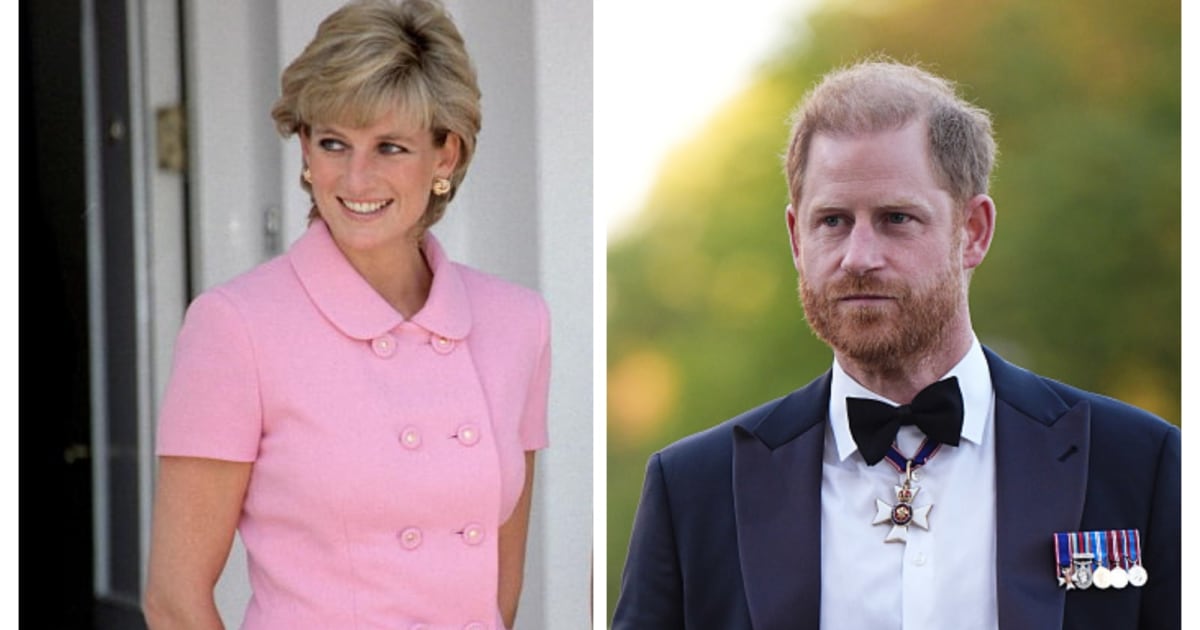


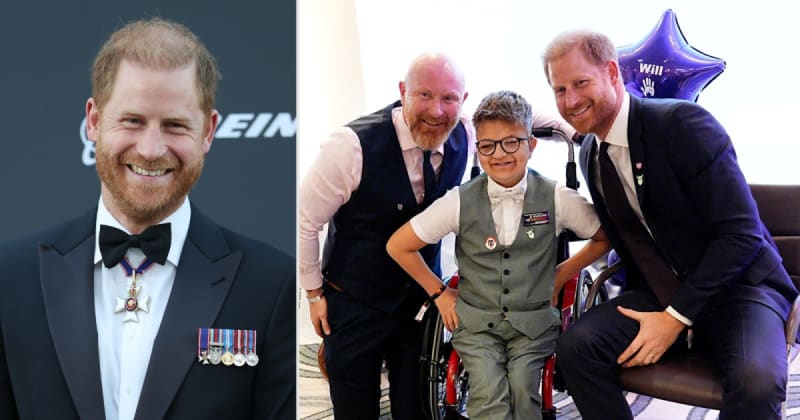
IT HAS been rumoured that Prince Harry is considering making a documentary about Princess Diana ahead of the 30th anniversary of her death.
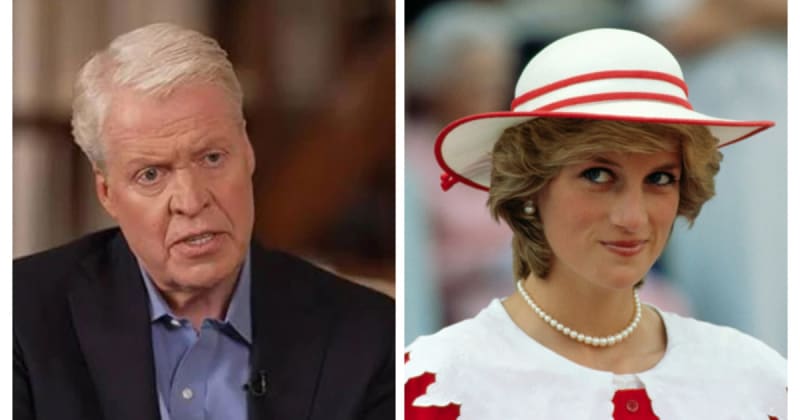
His uncle Charles Spencer revealed in his new book Swan Song: Diana My Sister that he was approached by various organisations to take part, including one offer that came from a nephew, who the Earl did not identify. This inevitably prompted questions over whether another production can add something meaningful to one of the most documented royal lives in modern history.
The Duke of Sussex hass reportedly approached relatives and people who knew Diana as he apparently seeks to explore several ways to commemorate his mother in 2027, including the possibility of a documentary, although no production has been formally confirmed. Harry may ultimately decide on another way to mark the anniversary, but the prospect of a documentary has already reopened a wider question: after almost three decades of books, interviews, films and television programmes, what remains to be said about Diana?
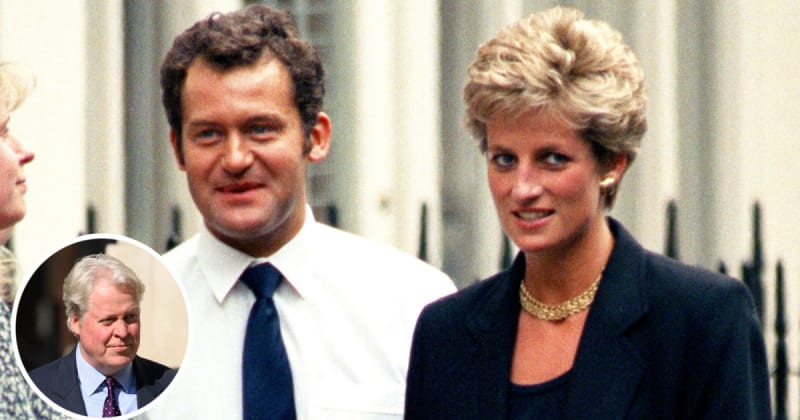
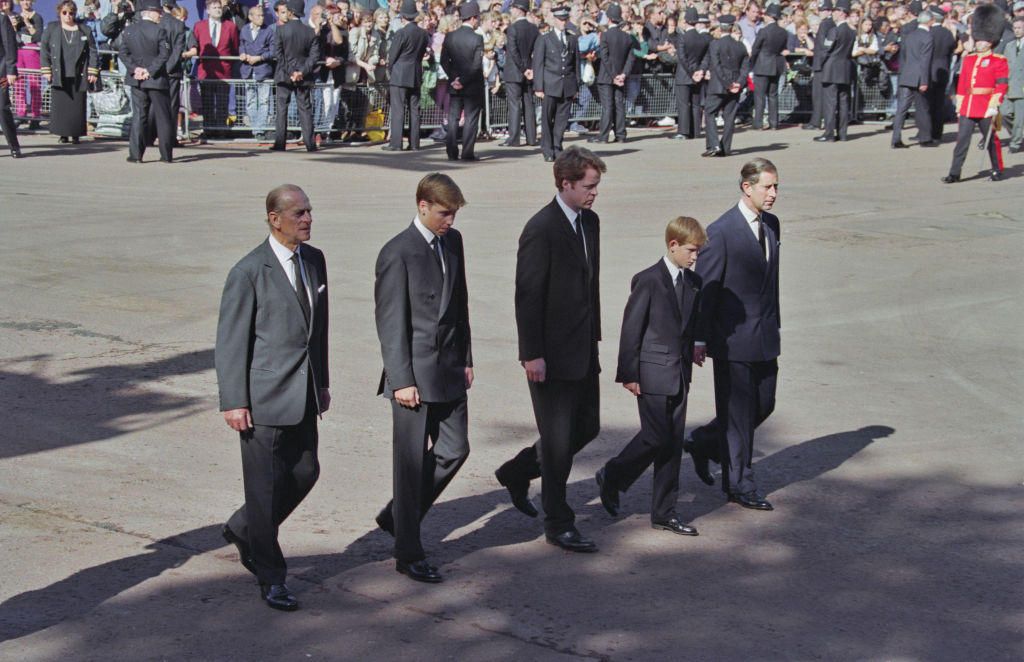
Diana’s marriage, divorce, charitable work, relationship with the media and her tragic death in Paris on August 31, 1997, have already been examined extensively.
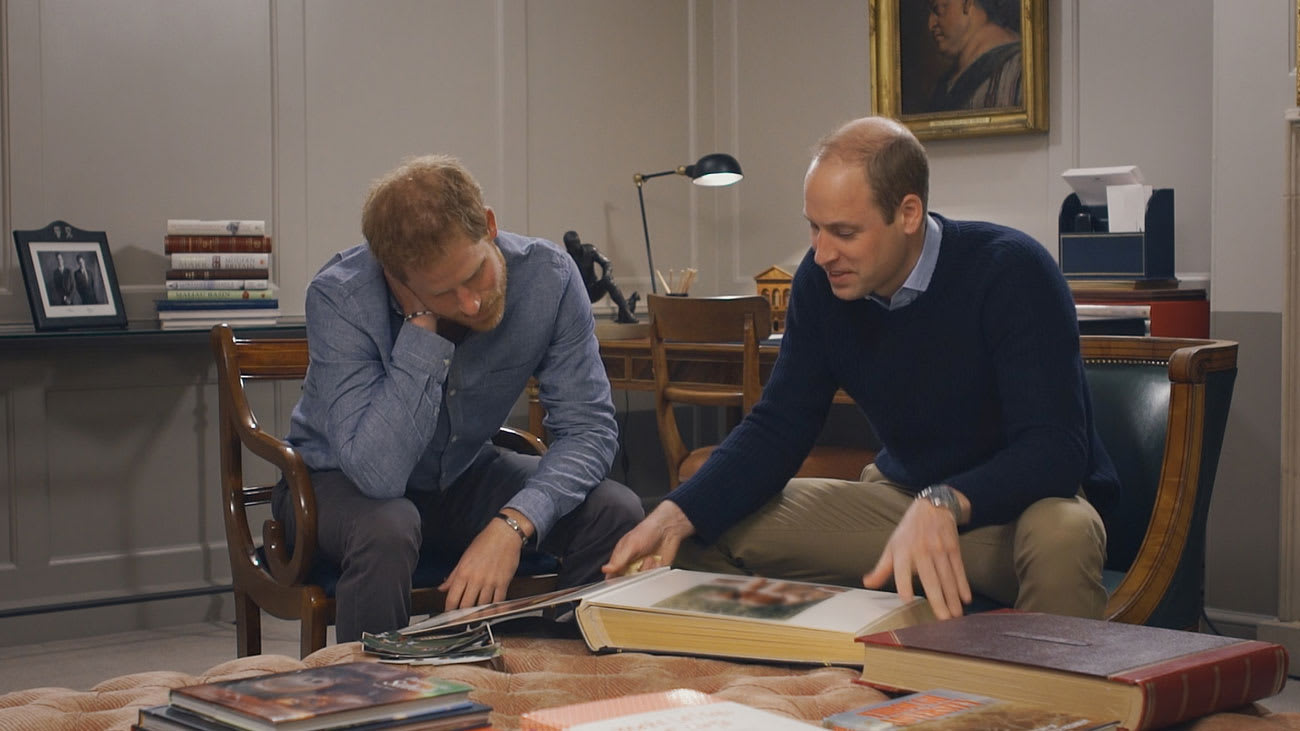
Harry himself has contributed to that record. In 2017, he and Prince William took part in Diana, Our Mother: Her Life and Legacy, which marked 20 years since her death and focused on Diana through the memories of her sons, friends and family. The documentary also explored her work surrounding homelessness, HIV and AIDS, landmines and child bereavement. At the time, William explained that the brothers wanted younger generations to understand Diana’s warmth, humour and personality, as well as her public contribution.
Some may therefore question what another documentary could reveal that audiences have not already heard.
Others may suggest that ten years have passed since William and Harry commemorated their mother together, while Harry’s own perspective has inevitably developed as he has grown older and become a parent himself. Harry was only 12 when Diana died. He is now 42 and has spent much of his adult life discussing subjects including grief, mental health and the impact of losing a parent at a young age.
A documentary made from his perspective almost 30 years after Diana’s death could consequently be very different from one made for the 20th anniversary. Rather than searching for previously unknown family revelations, it could examine what Diana’s legacy means three decades later and whether the causes she championed have continued to develop. In theory, he could also delve into his own personal grief without any such impact or even mention of another family member.
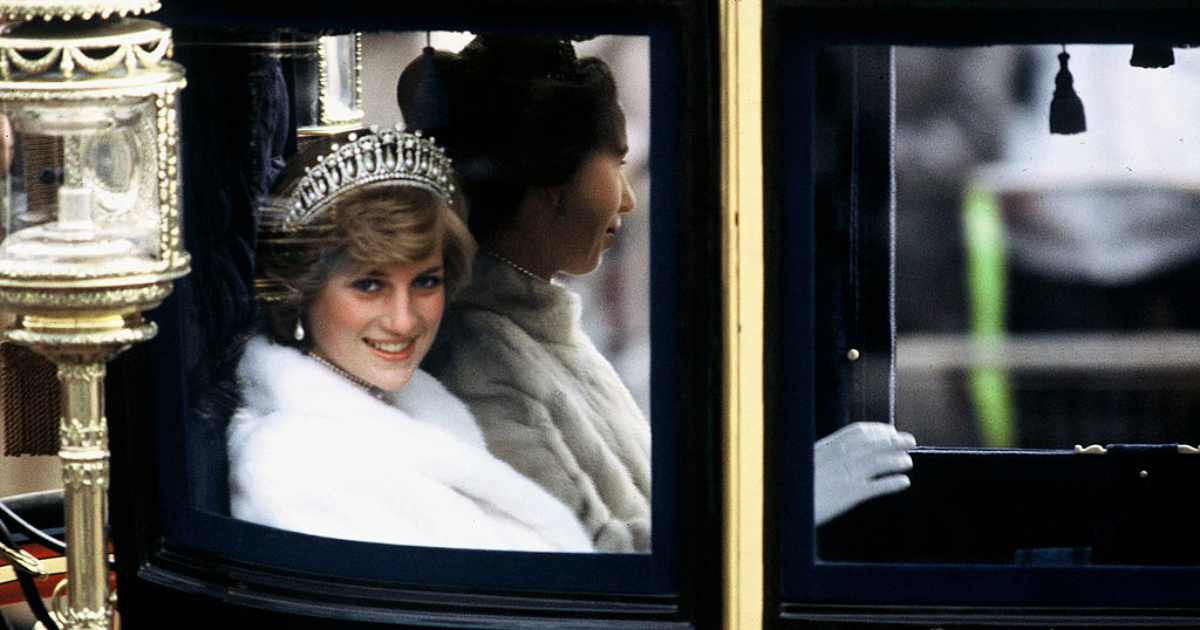
There is also a new generation with no living memory of Diana. Someone born in 1997 will turn 30 next year, meaning much of what younger audiences know about her has been ingrained through archive footage, books, dramas and accounts from third parties.
Potential supporters of an additional documentary could point to an opportunity for Diana’s son to introduce the woman he remembers to that audience, and to introduce a new generation to the causes she held so close that might be left unaware of the details surrounding her important work.
Critics, however, may question whether another high-profile production risks keeping Diana permanently connected to the controversies surrounding her marriage and death rather than allowing her legacy to stand on its own.
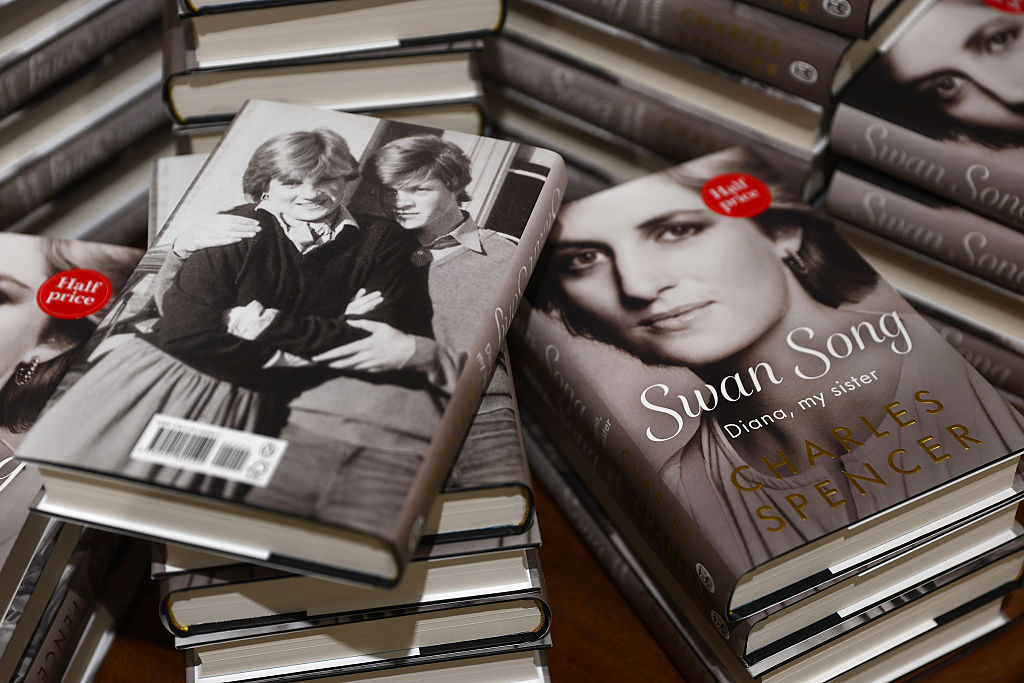
Much emphasis has been put on the notable timing, following the publication of Earl Spencer’s own controversial memoir. He described the book as a tribute to his sister, but some of its claims have generated disputes about private conversations and the timeline of events leading up to Diana’s death. William and Harry both declined to answer questions about their uncle’s memoir during separate public appearances earlier this month.
That recent controversy illustrates the difficulty any new project about Diana could face. Public interest remains considerable, but each new account also creates the possibility that attention shifts away from Diana herself and towards disagreements between those telling her story.
For Harry, a documentary could offer an opportunity to take a different approach. Rather than attempting to settle scores and dispute accounts from the past, he could focus on his own personal memories whilst celebrating her legacy. Some may even suggest that Diana's considerable achievements provide a stronger reason for revisiting her legacy in 2027.
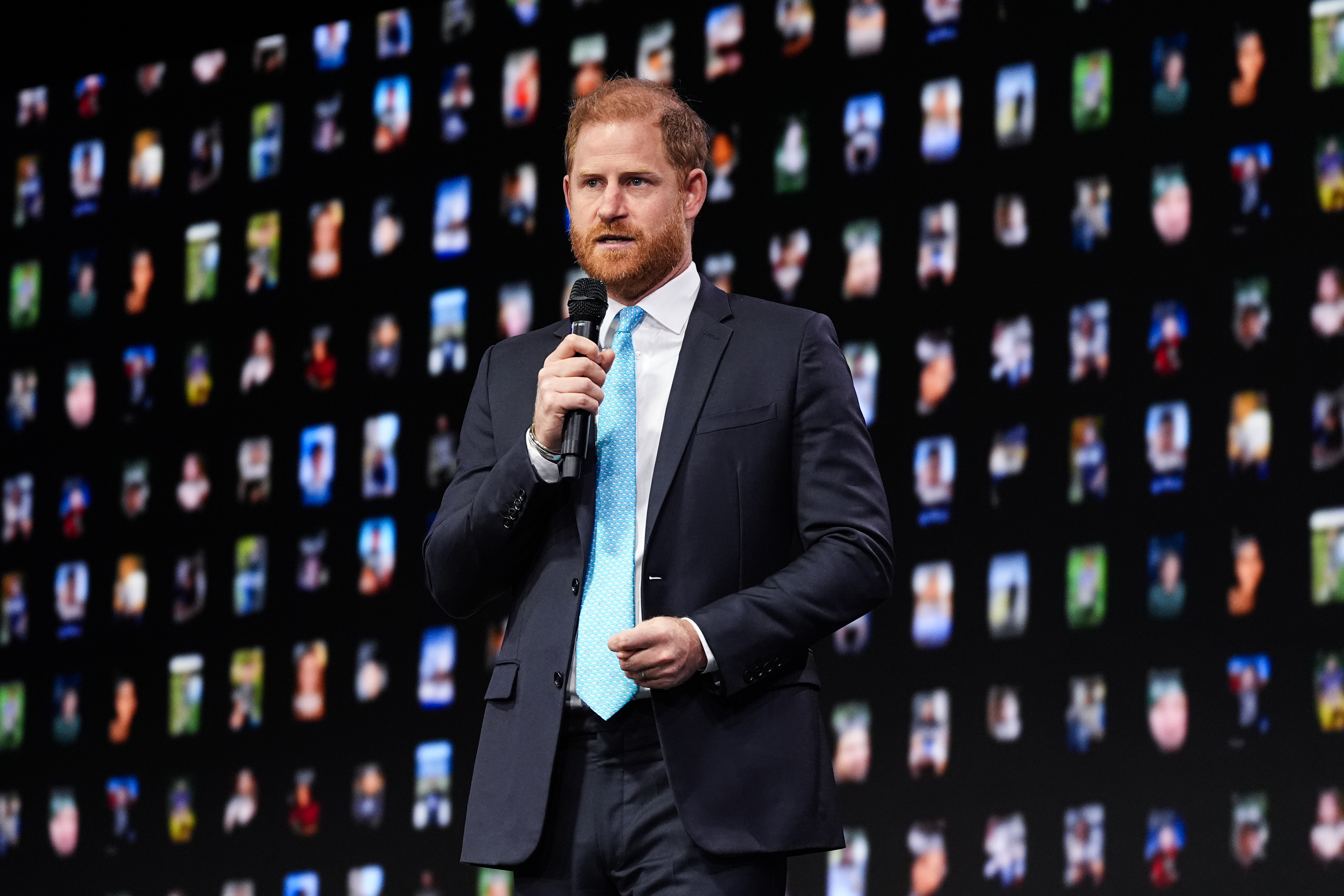
Others may question whether Harry needs to be the person to tell that story. His position as Diana’s son gives him a deeply personal perspective, but it does not make his memories - from a young age before he was even a teenager - a complete account of her life. Friends, former colleagues, charities and people who encountered Diana through her work could provide perspectives beyond both the Royal and the Spencer families.
Her marriage, divorce, relationship with the press and death have been examined repeatedly. Returning to those subjects purely in search of previously unheard details could leave audiences with another version of familiar events. After almost 30 years, finding genuinely new information about Diana may not be the strongest justification for another documentary.
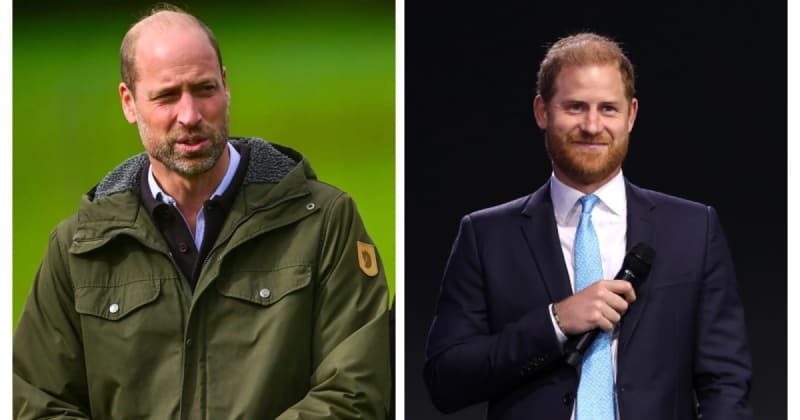
William may also be a factor. Although the now estranged brothers previously commemorated their mother together on a number of occasions, they do not necessarily have to approach the 30th anniversary in the same way.
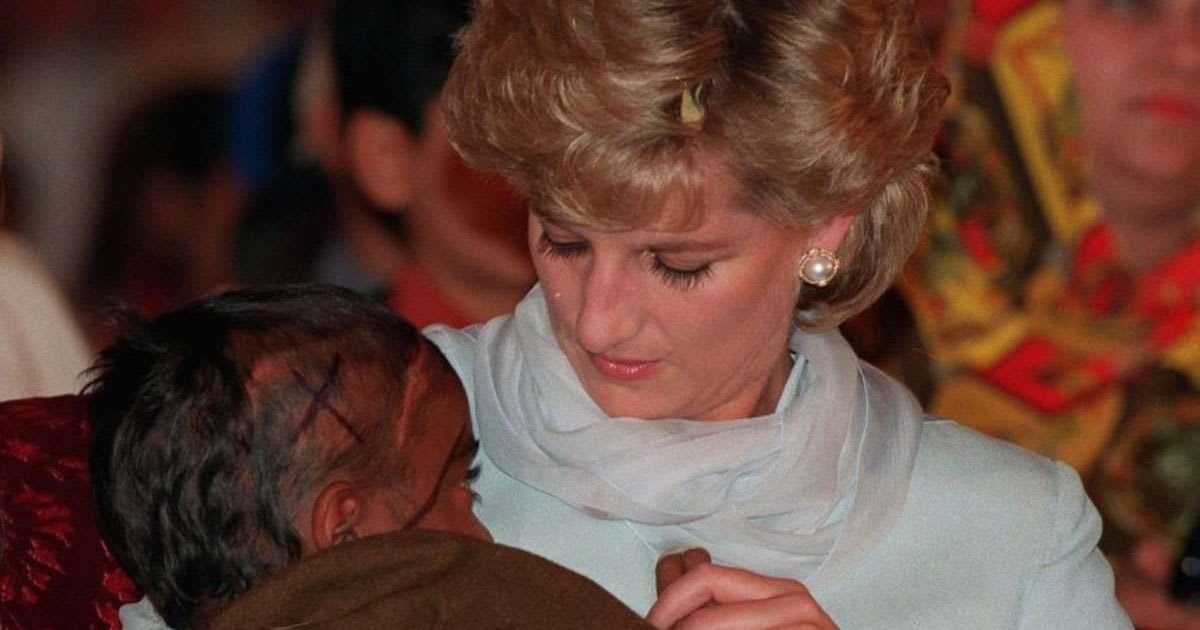
Harry choosing to participate in a documentary would not mean William is required to do so, just as William choosing to remain publicly silent would not reveal how he feels about his mother’s legacy or his brother’s potential project. If Harry does proceed, presenting the programme clearly through his own memories would allow him to speak authentically without suggesting that he represents his brother’s experiences too.
Of course, a new programme which examines how Diana is remembered three decades later - which includes a personal perspective of one of her sons celebrating her legacy - could offer something more distinctive. It could ask whether the causes she championed have changed, speak to people influenced by her work and explore how perceptions of her have evolved since 1997.
Some viewers may still feel that enough documentaries have been made and that Diana should no longer be repeatedly revisited. Others could see the 30th anniversary as an appropriate moment for her son to preserve his memories before another generation becomes responsible for telling her story.
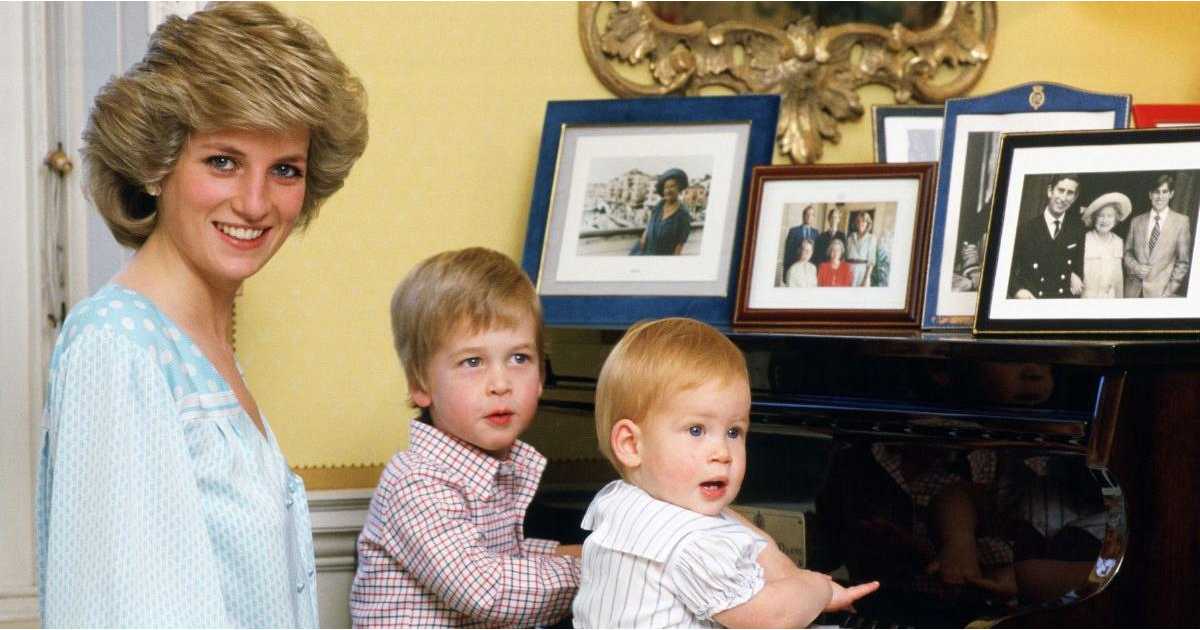
Any eventual form of Harry’s plans for the anniversary remains to be seen, but if a documentary does emerge, its value may depend on resisting the temptation to compete with previous books and programmes for the biggest revelation. Harry already possesses something no researcher can recreate: his own memories of Diana as his mother. Combining memories of maternal love with a celebration of humanitarian legacy could give a new programme on Diana a genuinely admirable and rather beautiful purpose.
Perhaps the most interesting story is no longer what happened to her, but what remains of the influence she left behind, thirty years later.