Palace Used ‘Full Arsenal of Legal Threats’ to Shield Andrew for Decades, Claims Historian
The author suggests establishment networks may have shielded the Duke of York for years.
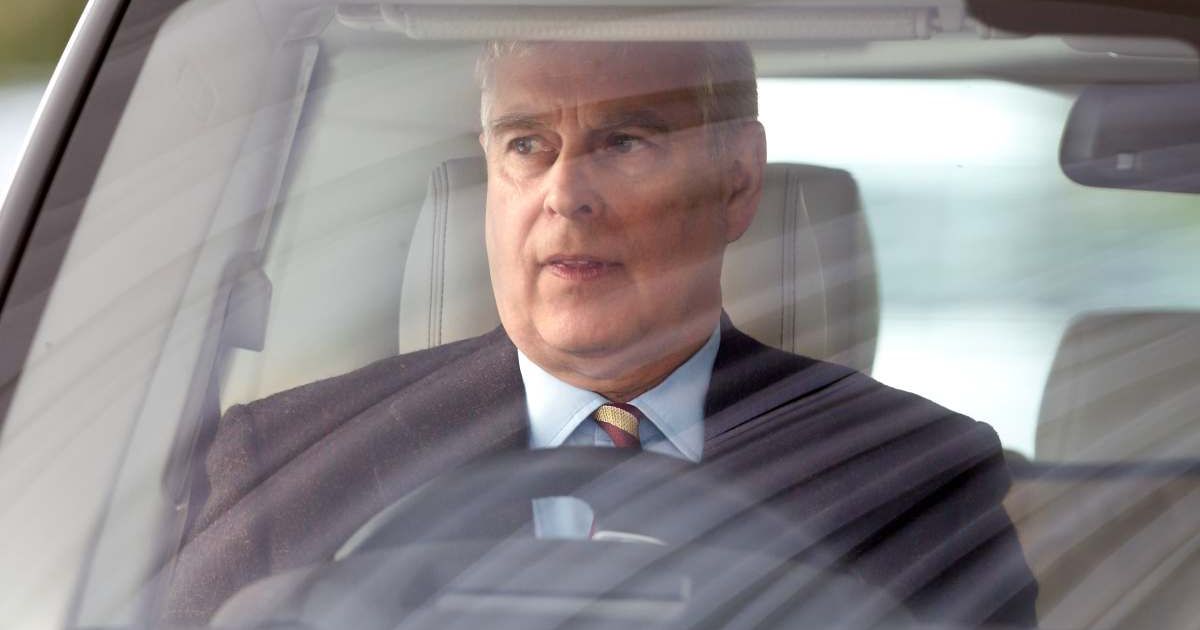


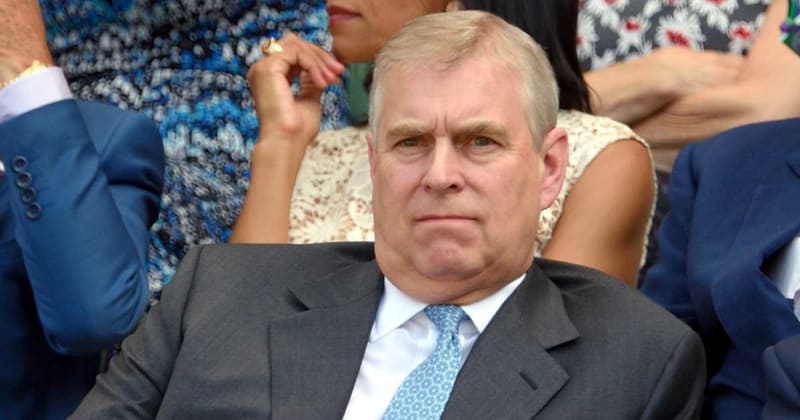
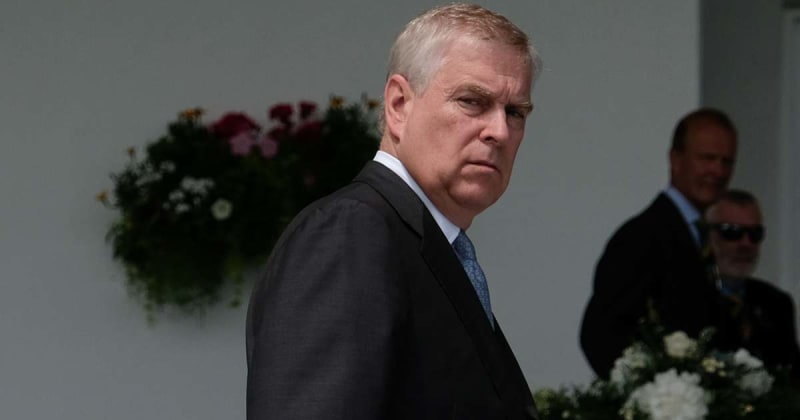
Andrew Mountbatten-Windsor has been accused of several things, and the fact that he was never caught will always be dubious. The latest question now being raised is whether influential institutions may have quietly shielded him for years — and whether that protection explains how he avoided deeper scrutiny for so long. Historian and author Andrew Lownie believes that may well be the case.
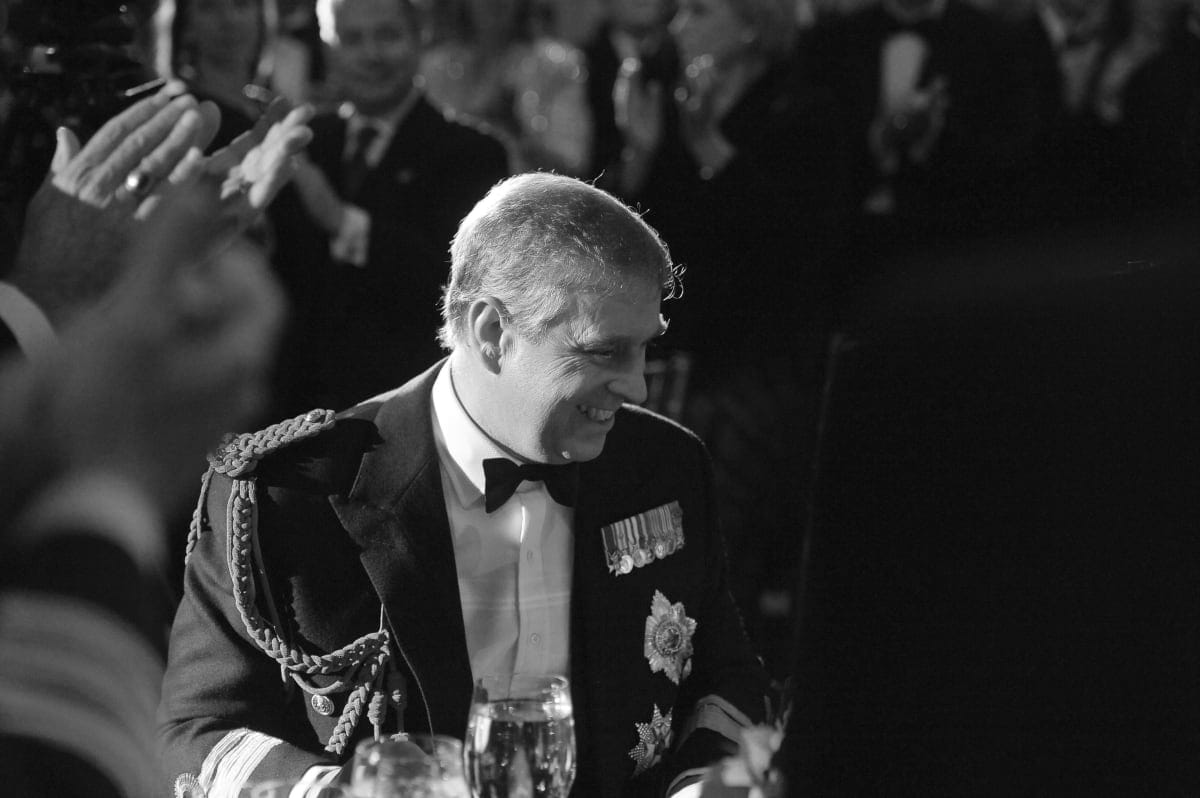
Lownie penned down his discussion in a recent interview on his Substack and spoke about what he describes as a long-running “establishment cover-up” involving the Palace, government figures, and even elements connected to the intelligence community. For the unversed, Mountbatten-Windsor has faced years of controversy over his association with convicted offender Jeffrey Epstein and Epstein’s longtime associate Ghislaine Maxwell. But now, after his arrest on suspicion of misconduct in public office, Lownie argues that the deeper story is only beginning to surface.
He wrote that what the public has seen so far is “only the tip of the iceberg,” claiming that intelligence contacts have indicated there may be more information yet to come. One of Lownie’s most serious allegations concerns the role of Buckingham Palace.
In his book Entitled: The Rise and Fall of The Yorks, he wrote that the Palace protected Mountbatten-Windsor using “its full arsenal of legal threats,” and that media organisations were warned they could lose access to senior royals if they pursued certain lines of reporting. In simple terms, Lownie here is seen suggesting that access to the monarchy — something news outlets rely on — may have been used as leverage.
Beyond only using media pressure, Lownie also raised broader concerns about what he calls the “revolving door between the government, monarchy, military, and the intelligence services.” He argues that close relationships between these institutions have historically shielded members of the Royal Family from the kind of scrutiny faced by ordinary public figures.
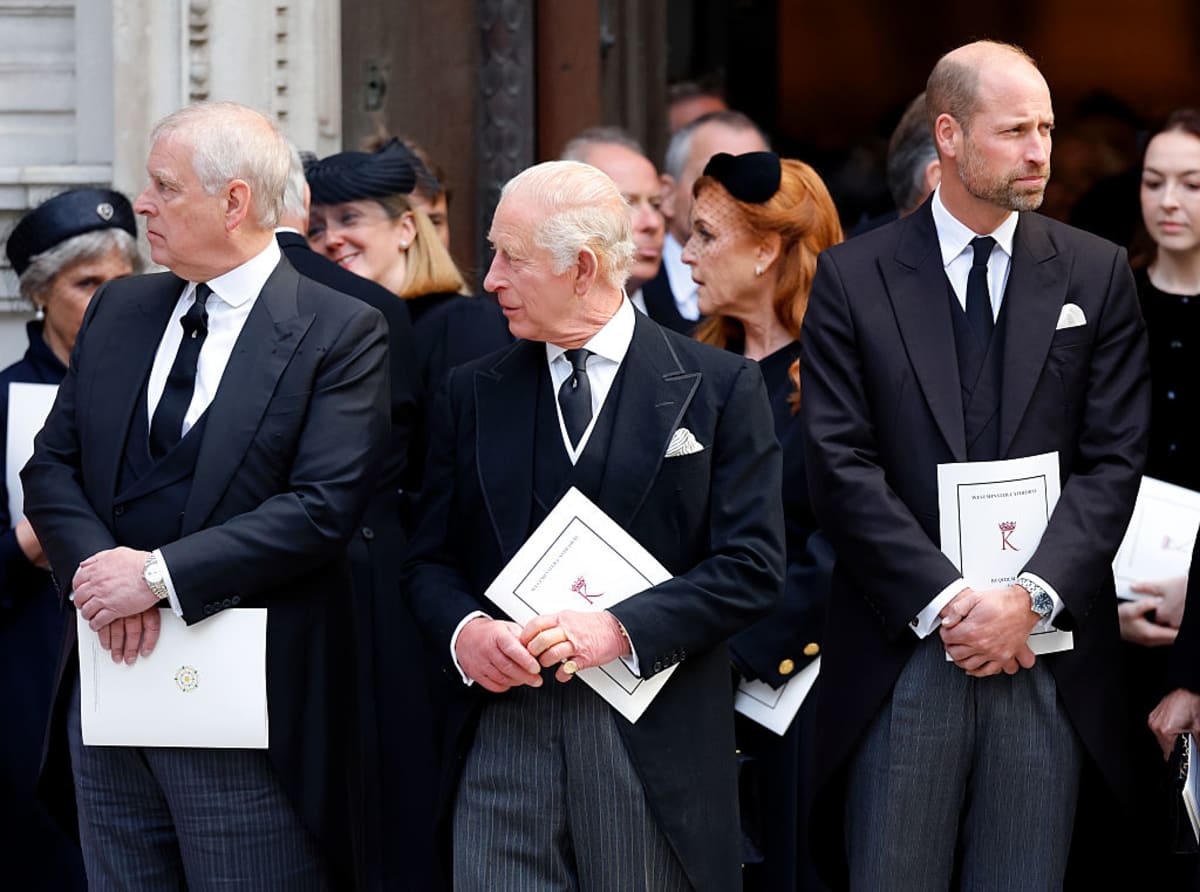
Further, Lownie wrote on his Substack about the financial mishaps. Pointing to the recent resignations from King Charles’s charitable organisation, King’s Foundation, he said, “looks a little like people abandoning a sinking ship.” Recently, the foundation's Chief Executive, Kristina Murrin CBE, resigned from her position after serving less than three years in the role. Her exit comes after Chair Dame Ann Limb's departure in December, which had already created a leadership vacuum at Charles's flagship charitable organisation.
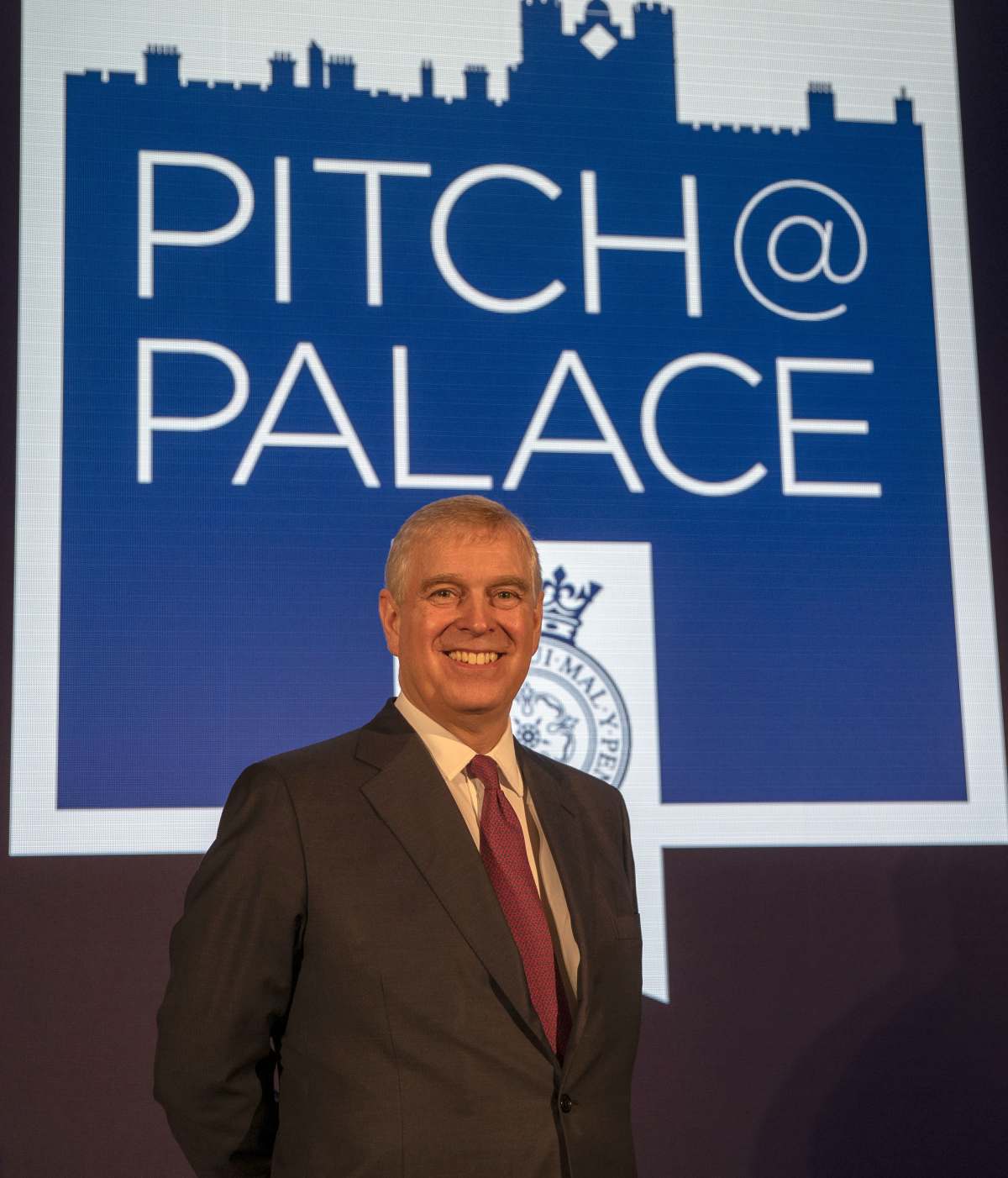
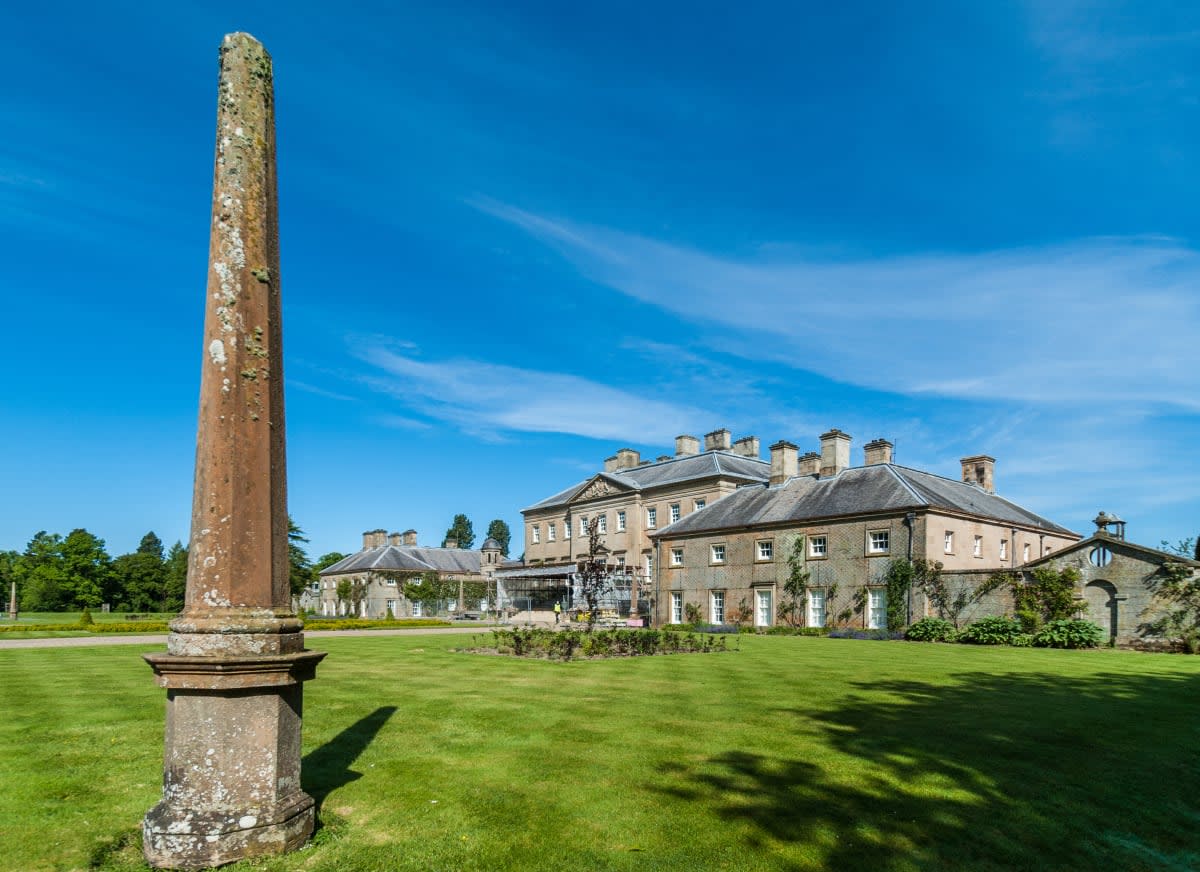
He questioned whether past fundraising efforts linked to royal projects — including Dumfries House and the now-defunct Pitch@Palace initiative — may deserve closer examination. For the unversed, the King's Foundation operates from Dumfries House in Ayrshire, its flagship regeneration project in Scotland. Lownie, questioning if that did indeed cross any ‘ethical boundaries,’ wrote, “I discuss how a friend of mine who served in MI6 visited the Scottish mansion recently and was surprised to see so many names in the donors’ book that raised alarm bells.”
The wider York family’s history with charities also came up for mention. Mountbatten-Windsor previously had to repay substantial sums after payments made to his former aide, Amanda Thirsk, breached charity rules. Questions have also periodically arisen about how certain York-linked initiatives have raised and spent money.