Queen Elizabeth Was Warned About Andrew by Top Advisor — but He Saved Himself With One Move
Whitehall sources allege reputational red flags were raised — but internal tensions led to the adviser’s exit.
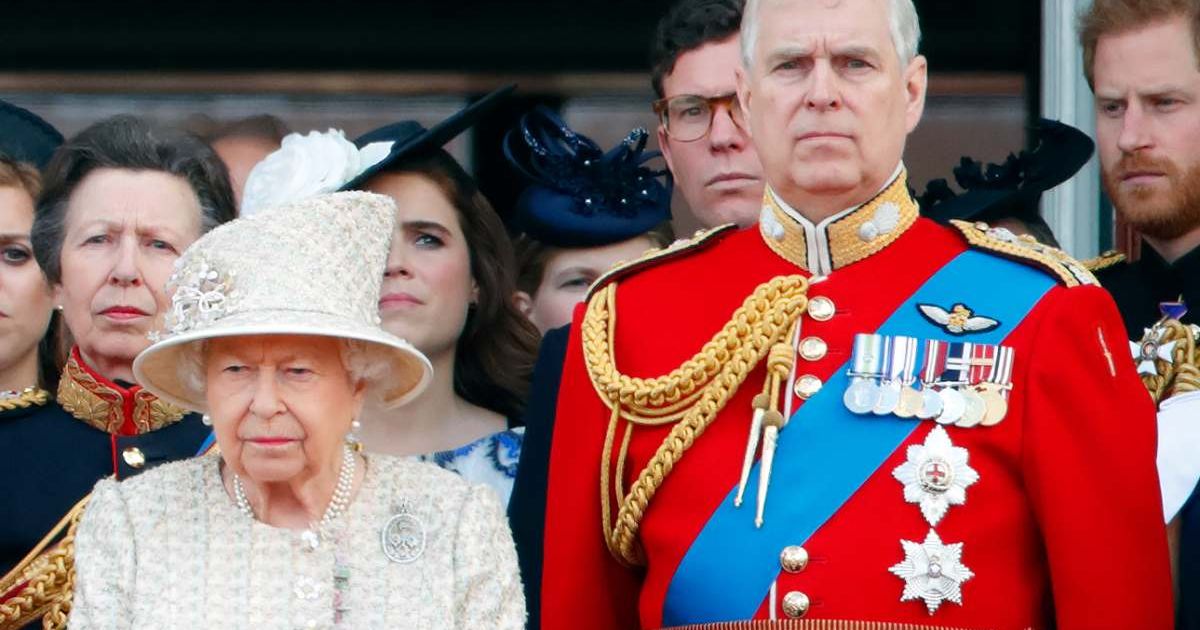


Much before the Andrew Mountbatten-Windsor controversy spiralled into this crisis, there were several warning signs. According to Whitehall sources, one of Queen Elizabeth’s most senior and trusted advisers had flagged concerns about the former Duke of York’s business dealings — only to find himself sidelined in what was described as a decisive power struggle. It was Sir Christopher Geidt, who served as the late Queen’s private secretary for a decade, who rang the bells first. Often described as one of the few courtiers prepared to speak candidly to the monarch, he left the role in 2017 under circumstances that can now be seen as not that abrupt.
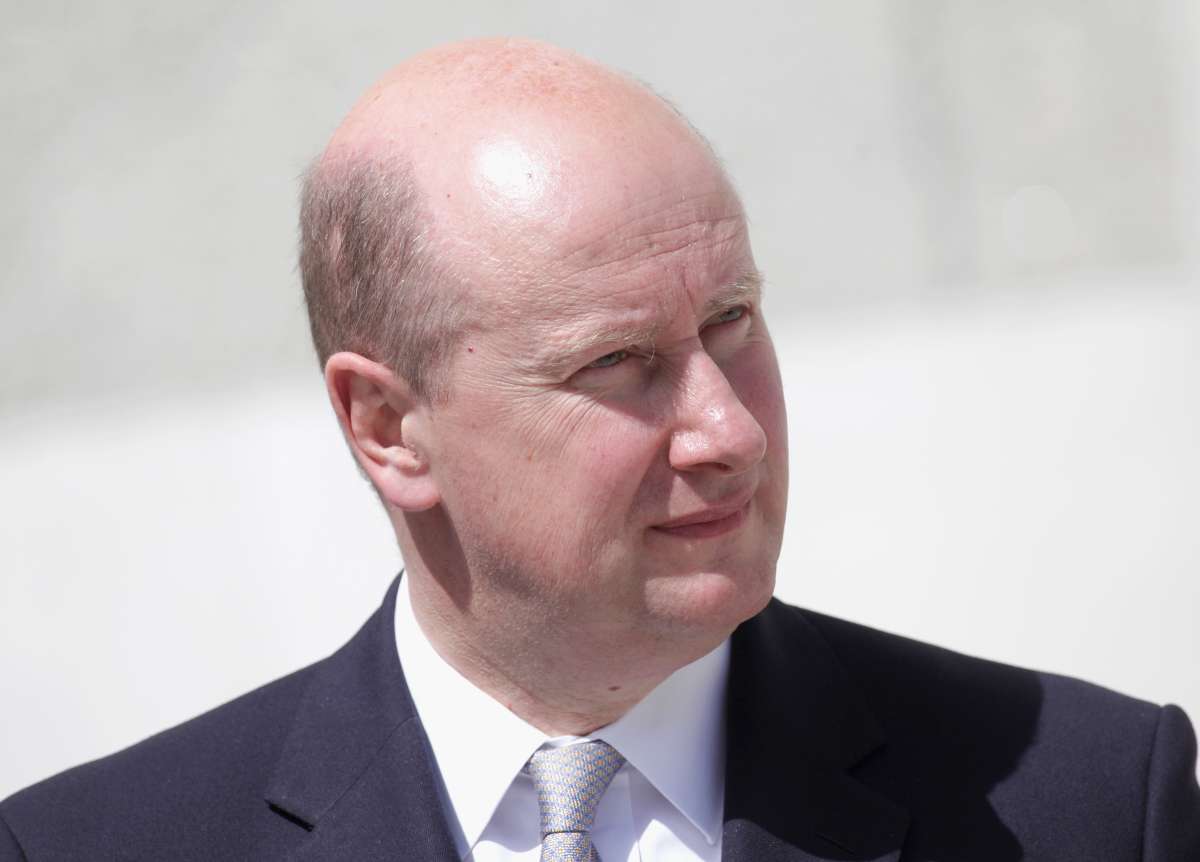
By 2019, Geidt had entered the House of Lords as Baron Geidt and was serving as a Permanent Lord-in-waiting. It was during this period, according to highly placed informants, that he was approached with fresh concerns about Mountbatten-Windsor's alleged business links to Russian oligarchs. One source claimed Geidt indicated he would relay the information to former colleagues at the Palace, but added that the issues were not new to him, the Daily Mail reported.
The source said, “He said that he would pass on the information to his old colleagues at the Palace, but that he had long been aware of these issues and he had attempted to raise them before, ‘But the Queen just doesn’t want to know.’ It seems clear that Andrew played a role in his departure in 2017.”
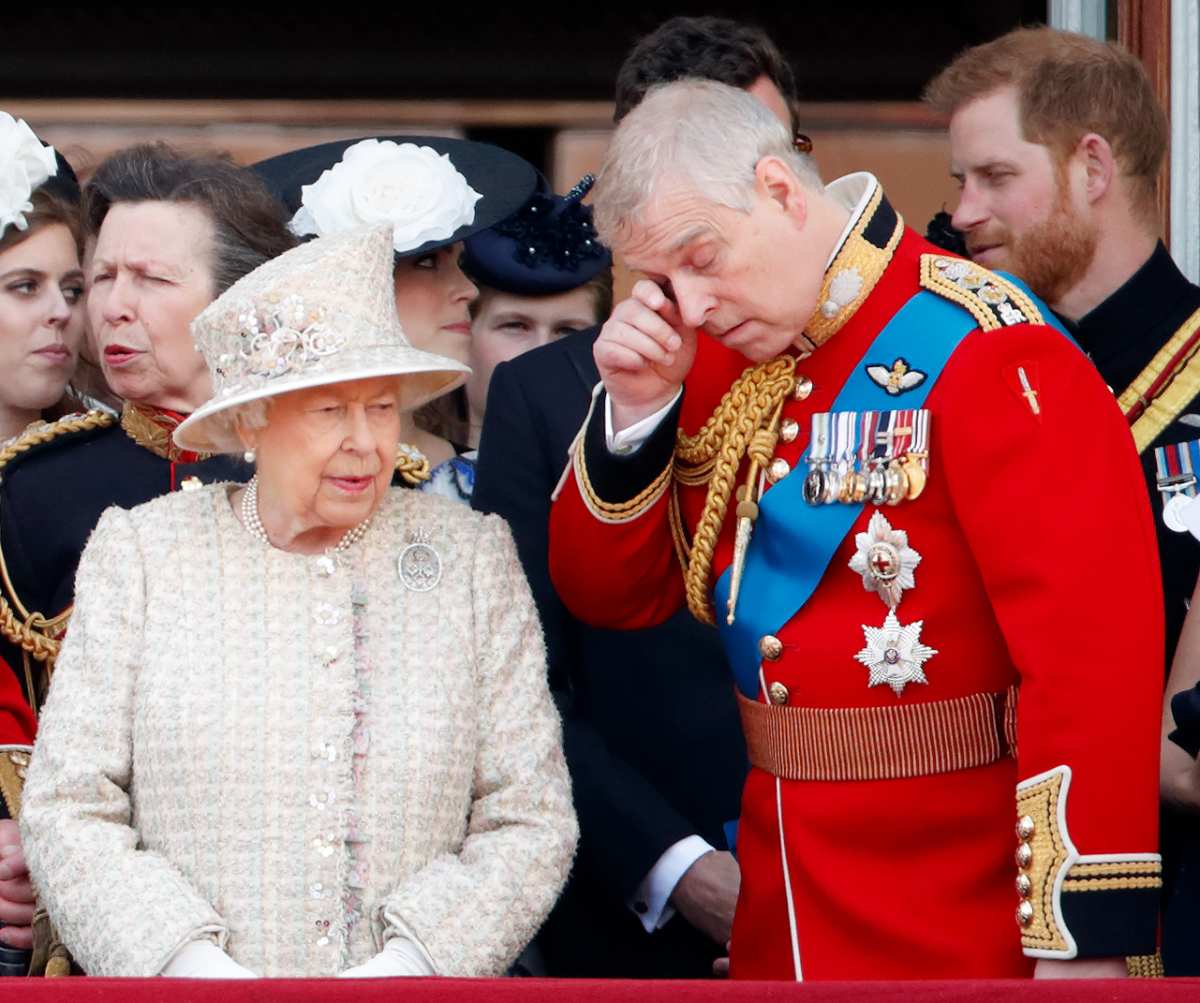
If accurate, the account suggests that Geidt had previously tried to draw attention to reputational risks surrounding the former Duke, and that those efforts may have contributed to tensions within the royal household. The implication, sources say, is that Mountbatten-Windsor maneuvered effectively behind the scenes, ultimately influencing the exit of the senior aide.
This goes on to add to the broader narrative that intelligence regarding Mountbatten-Windsor’s activities may have circulated at high levels years before the crisis became public. Just last week, it was reported that King Charles had been warned as early as 2019 that the Royal Family’s name was being 'abused' through Mountbatten-Windsor’s business associations.
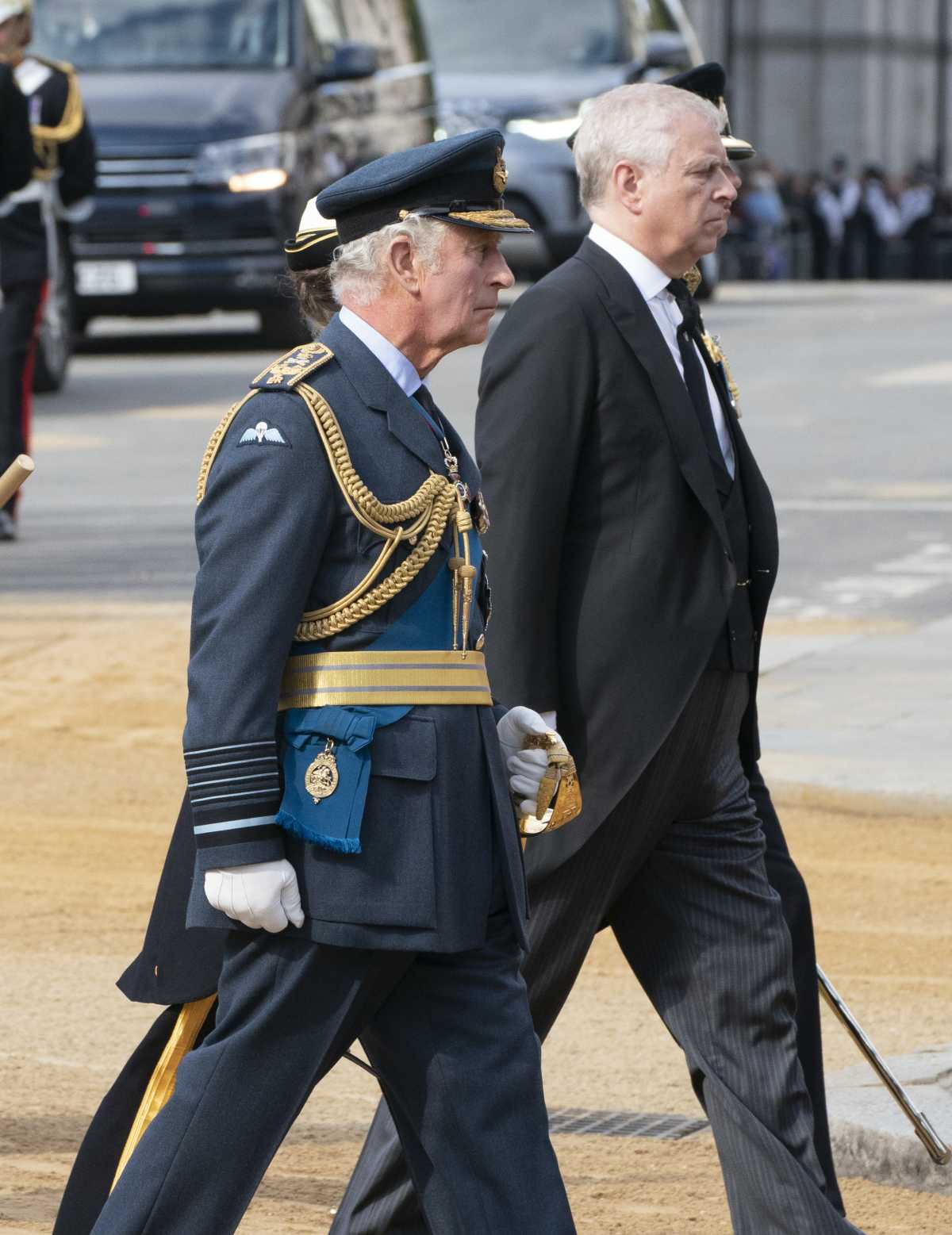
According to an email sent to Charles — then Prince of Wales — a whistleblower alleged "David Rowland’s abuse of the Royal Family,” referring to the controversial financier and Mountbatten-Windsor's associate. That was not it. Sir Craig Oliver, who served as director of communications to then-Prime Minister David Cameron, has spoken publicly about a 2011 meeting with a senior Palace adviser — widely understood to have been Geidt — as scrutiny mounted over Mountbatten-Windsor’s role as UK trade envoy. The meeting followed publication of a photograph showing the Duke with 17-year-old Virginia Giuffre.