Ex-Prince Andrew Was Handed a New Public Role Despite Virginia Giuffre Photo Scandal
Expert says the period that followed after Andrew's resignation was not one of reflection, but with the ex-Duke maintaining his old habits under a different guise.


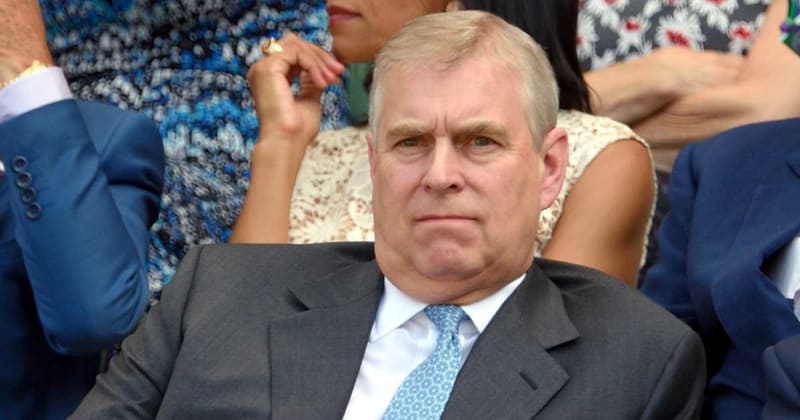
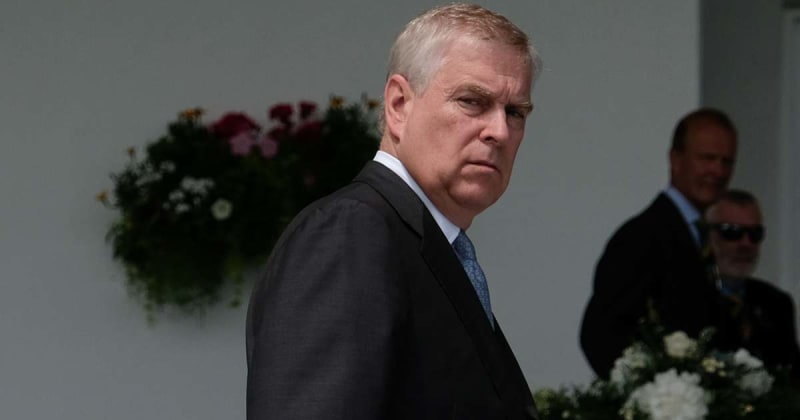
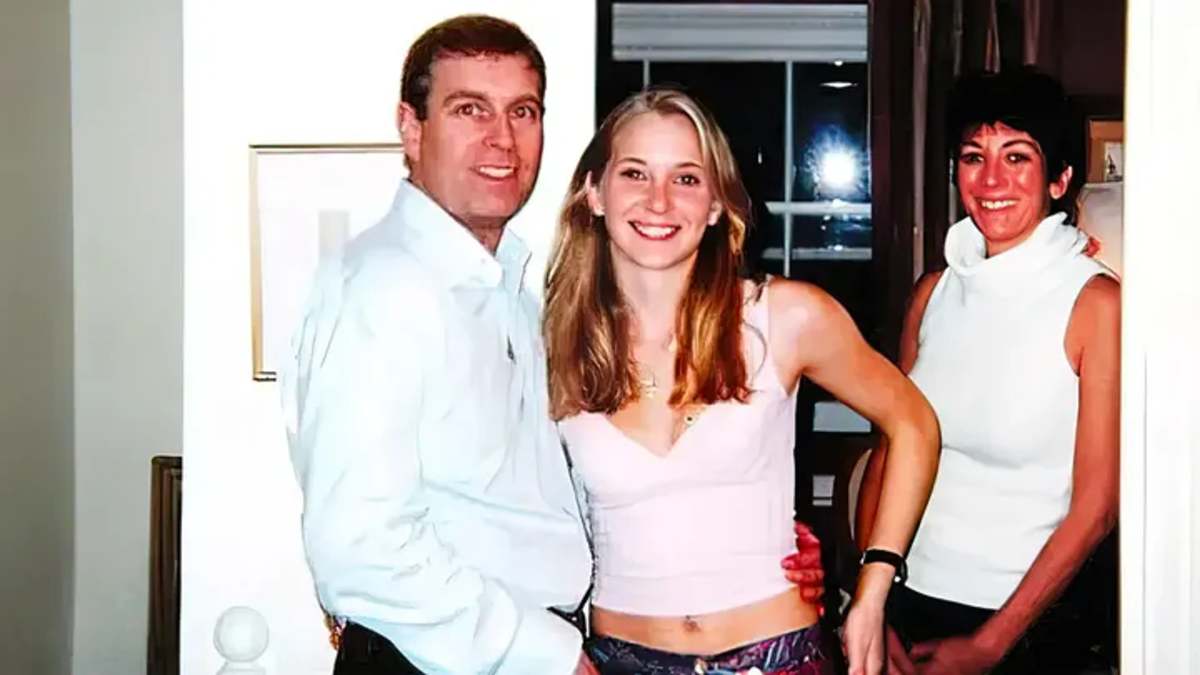
When Andrew Mountbatten-Windsor stepped down from his role as a UK trade envoy in 2011 following the release of his infamous photograph with the late Virginia Guiffre, his exit was largely seen as a strategic withdrawal. However, as per royal author Andrew Lownie, who has written extensively on the House of York, the period that followed after his resignation was not one of reflection, but with the ex-Duke maintaining his old habits under a different guise. Despite the public fallout, as per Lownie, the government and the Royal Family assigned the former Prince a new role covering science, trade, and engineering.
The ex-Duke addressed the loss of his envoy role on his official website as a voluntary step. Rather than admitting to outside pressure, he suggested the change was simply part of the ‘evolution’ of his professional duties. This transition was supported by some government officials as well, with David Willets, the Minister of Universities at the time, defending him. “He was conscientious, genuinely interested in science and technology, and good at asking questions. I found him approachable and a force for good,” Willets said at the time as quoted by Lownie on The Lownie Report.
While some ministers supported the former Prince’s newfound focus on science and tech, his 2013 election as a fellow of the Royal Society created a significant internal friction. Lownie highlighted that the election process faced immense criticism because the ballot only offered a ‘yes’ option, and only 147 of the 1,300 members voted for him. Arguing that the appointment contradicted the values of the institution, David Colquhoun, a professor of pharmacology at University College London, said, “The Royal Society was founded to advocate the idea that science is what matters, not deference to authority.” He observed that respect for the Crown is one thing, but choosing Mountbatten-Windsor is taking that respect to a ridiculous extreme.
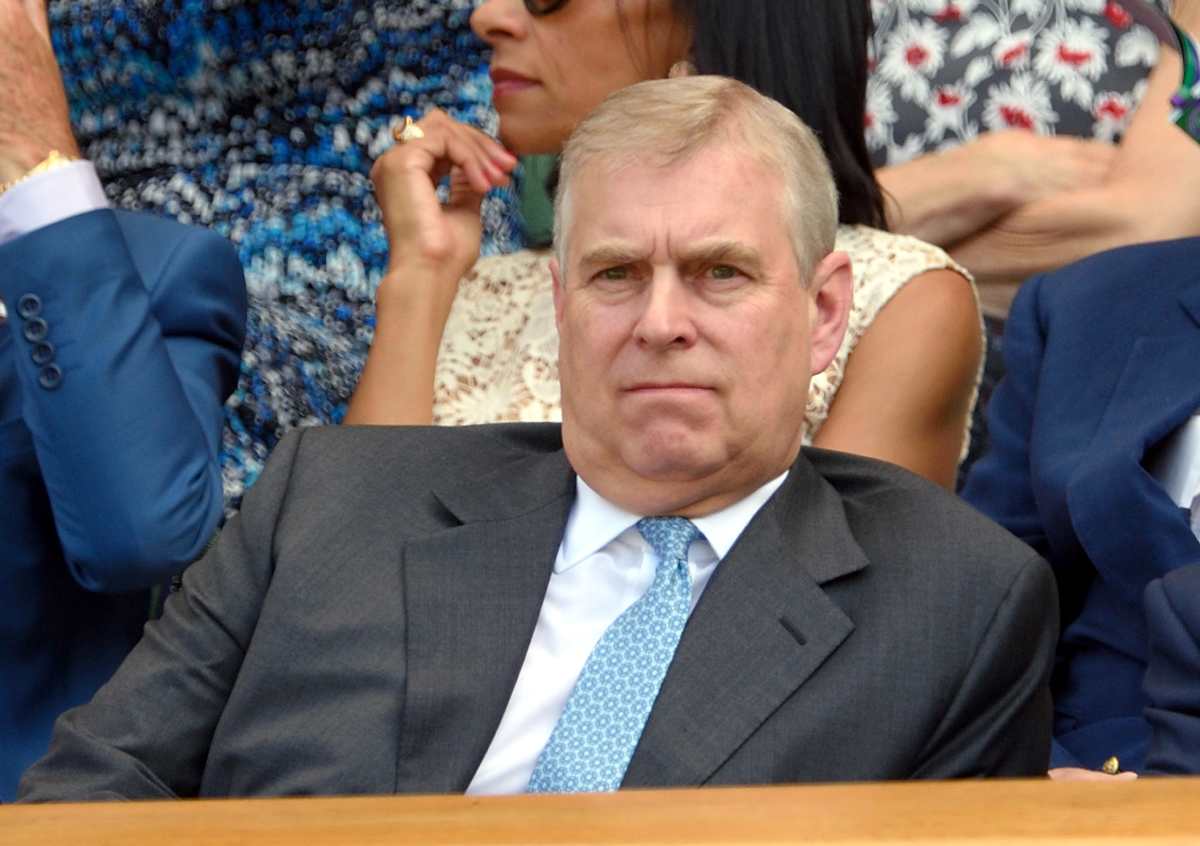
While he got a new role despite the controversies, his globetrotting continued unabated even without his official title as trade envoy — that too allegedly on taxpayers’ money. By late 2011, Mountbatten-Windsor had chartered a private jet to Saudi Arabia at an estimated cost of £150,000 (about $200,000) to meet with the Saudi Binladin Group. Then, in early 2012, while attending the World Economic Forum in Davos, he stayed in an eight-bedroom ski chalet at a cost of £13,000 (about $17,000) for the week. If this was not enough, Lownie writes, the ex-Duke began to ask his friends to join him on his trips as well. Sir David Wright, a former ambassador and adviser to Barclays, viewed this request as “an opportunity to exploit the job for his own benefit.”
Mountbatten-Windsor also began using Buckingham Palace as a venue for his business-related events. For instance, in 2013, he hosted a dinner for JPMorgan guests, including Tony Blair and Jamie Dimon. While the Palace stated that the bank paid an ‘undisclosed fee’ for the event, the arrangement raised questions about the commercial use of royal residences. Lownie’s account suggests that the 2011 scandal did little to change Mountbatten-Windsor’s lifestyle or his access to resources, despite his damaged reputation.