Palace Says 'No Public Funds' Used — But Questions Persist Over Andrew’s $16 Million Deal
With royal finances largely opaque, critics say clarity, not background briefings, is needed.
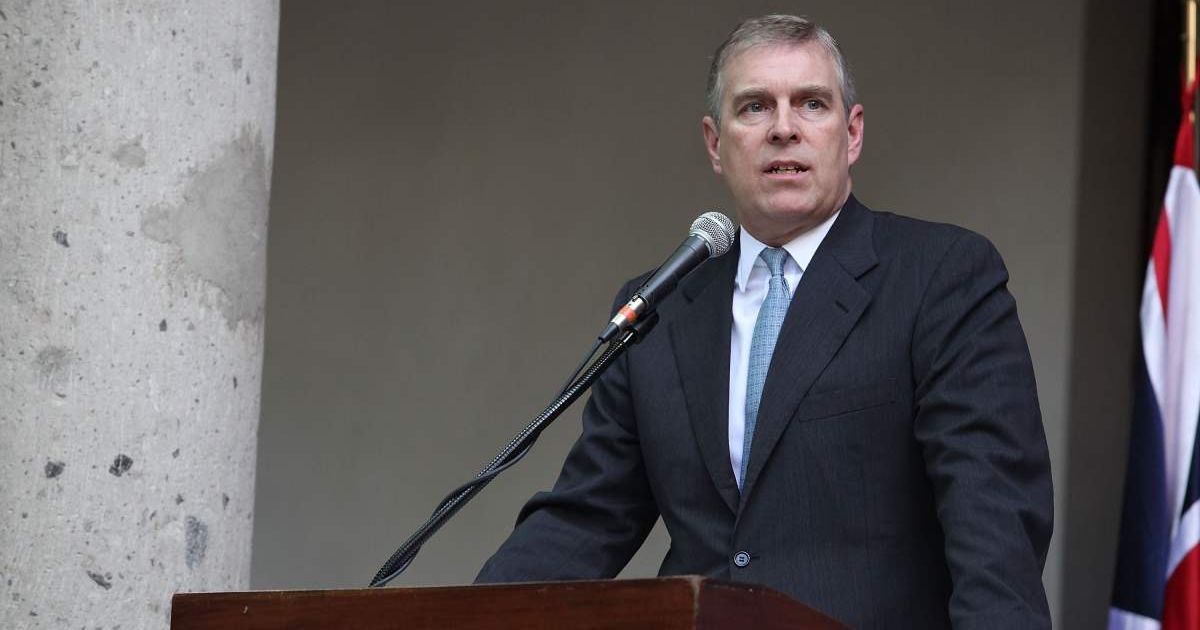


Andrew Mountbatten-Windsor resolved the first wave of legal trouble stemming from Virginia Giuffre’s abuse allegations with a financial settlement. But the obvious question lingering was, where did the money come from? Buckingham Palace has vehemently maintained that 'no public funds' were used to settle his civil case.

That assurance, however, has not quieted the wider debate. In a Substack essay, royal journalist Lewis Goodall argues that the financial aspect of the case is among the most troubling elements. The reported $16 million settlement was accompanied by background briefings reiterating that taxpayer money was not involved. Yet, as Goodall notes, royal finances are notoriously opaque, making it difficult to clearly distinguish between private wealth and funds that may, directly or indirectly, have public origins. “You would think our Parliament might want to check,” he writes. “You would think it might want to ensure that not a penny piece of public money — directly or indirectly — was used to settle a civil claim involving serious allegations. But MPs remain, apparently, incurious.”

In recent weeks, British journalists have repeatedly asked politicians whether Mountbatten-Windsor should testify before the United States Congress. Goodall finds it slightly amusing. “It is a remarkable question,” he writes — not because of the scandal itself, but because it suggests that accountability is being sought elsewhere. “The question which matters is, why is that the first question? Why are we looking to Congress to provide answers to what should be central questions for the British political system?”
He thinks the outsourcing of scrutiny has suited multiple parties. The monarchy has attempted to sever Mountbatten-Windsor from the institution, treating him as a problem to be isolated. Parliament and successive governments, he suggests, have been content to look away, wary perhaps of probing too deeply into how the monarchy functions behind closed doors.
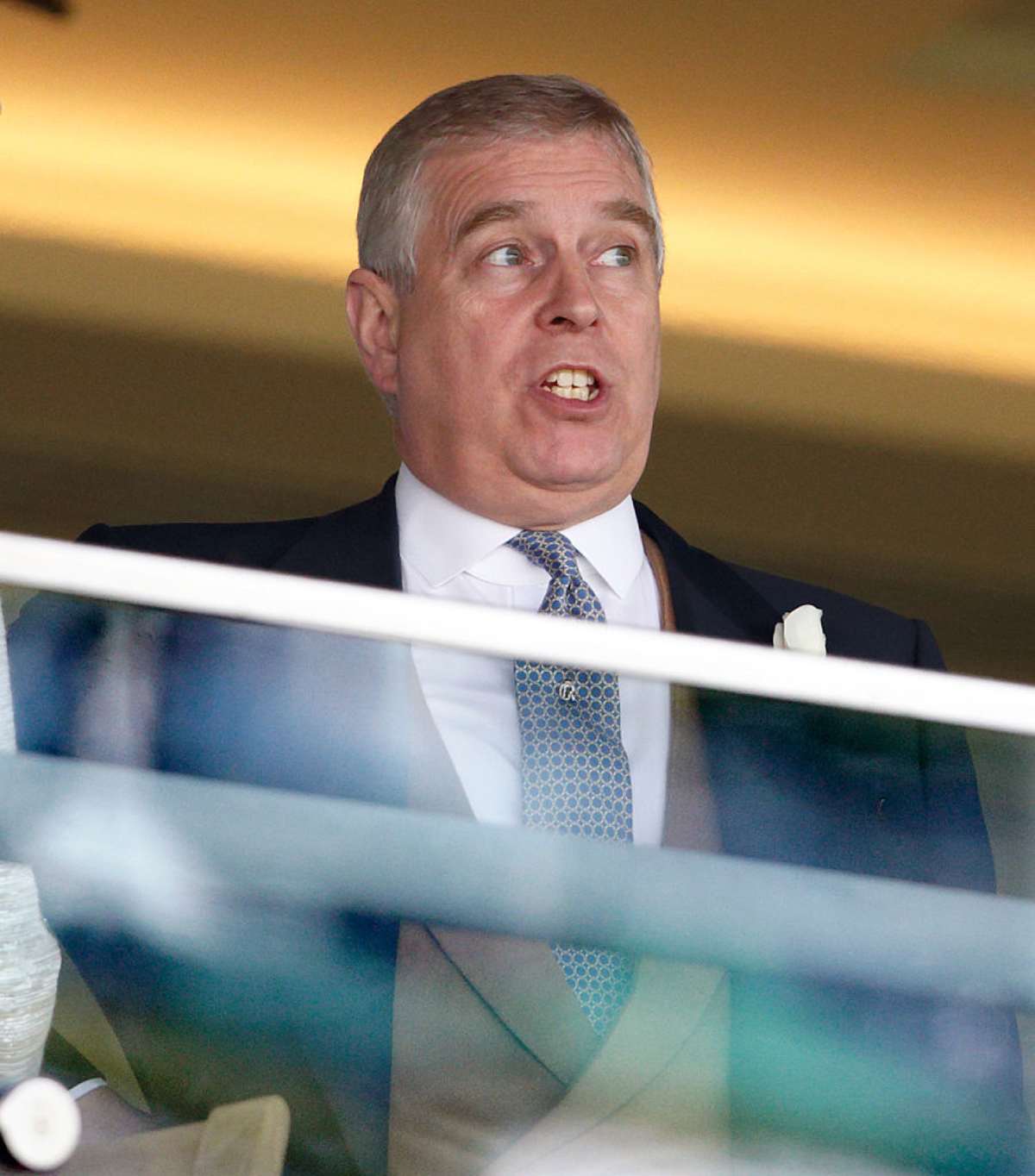
He is scathing about what he describes as a culture of deference — including the oft-repeated notion that a prime minister’s role is “not to embarrass the monarch,” as though that were a binding constitutional principle. “That’s no longer good enough” is the core of what he builds his case on.
For more than 15 years, allegations and reporting concerning Mountbatten-Windsor’s ties to Epstein have accumulated. It is a matter of public record that Mountbatten-Windsor stayed with Epstein, dined with him, and travelled on his aircraft. Crucially, Goodall notes, Mountbatten-Windsor was not acting alone. He was accompanied by private secretaries, advisers, and security officers — all embedded within the wider machinery of the Royal Household. And yet, as far as is publicly known, there has been no internal inquiry commissioned by the Palace into how those associations were evaluated, what warnings were raised, who was informed, and what action followed.

“Consider that for a moment,” Goodall writes. Mountbatten-Windsor has since been stripped of his military affiliations and royal patronages. But the Palace never publicly set out the reasoning behind those decisions. Instead, it offered generalized expressions of sympathy for victims of abuse, without detailing its own decision-making process. That silence, Goodall argues, may have been intended to draw a line under the affair. Instead, “it has fuelled speculation.”
Additionally, he wrote, “This is not about declaring Andrew guilty of a criminal offence, that is for a jury, if it ever comes to that. It is about institutional responsibility and accountability.” In most public bodies, he contends, reputational crises of this magnitude would trigger formal reviews, documentation, and public explanation.