Former Head of Royal Protection Reveals What the Police Raids Really Mean for Andrew
A former senior police officer explains why the raids on Royal Lodge were no accident — and what they suggest about where the investigation is heading.
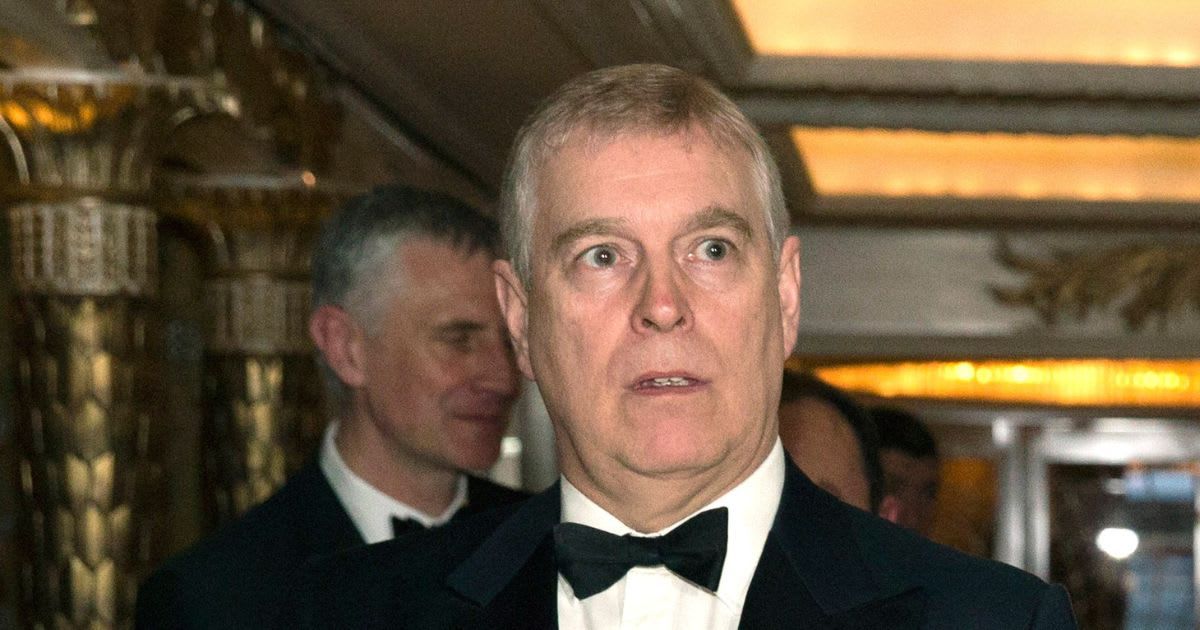


The arrest and questioning of Andrew Mountbatten-Windsor have prompted plenty of speculation. But for those who have actually worked inside British law enforcement at the highest levels, the recent raids tell a more specific story — and it is not a reassuring one for the former Duke of York.

Andrew Lownie, who hosts The Lownie Report, sat down with David Seaborn Davies, a former Head of Royal Protection with decades of experience inside the police, to discuss what the extraordinary sequence of events actually signals. Davies offered a ground-level view of how investigations of this scale are built, and what the visible details reveal about where things stand.
Regarding the early-morning raids themselves, Davies explicitly said that the timing was not accidental or coincidental. Operations like this are deliberately designed to catch suspects off guard and to prevent evidence from being moved or destroyed before officers can secure it. That alone, he explained, tells you something about how seriously investigators are treating the case.

The preparation behind such a raid, Davies noted, would have been extensive. He believes police would have spent weeks gathering intelligence and coordinating with other agencies before approaching a judge for a warrant. The fact that officers then remained at Royal Lodge for several days conducting their search suggests they were not looking for one or two items — they were looking for a significant volume of material.
Lownie and Davies also turned to the broader implications of a case that, by its nature, raises uncomfortable questions about accountability when those under scrutiny belong to the establishment. Davies also said that the story has many tentacles, and the coming months will reveal whether investigators are genuinely prepared to follow them wherever they lead. Mountbatten-Windsor was arrested on February 19 on allegations of misconduct while in public office from his residence at Wood Farm. The Crown Prosecution Service — which conducts criminal investigations in England and Wales — defines misconduct in public office as "serious willful abuse or neglect of the power or responsibilities of the public office held." There must be a direct link between the misconduct and an abuse of those responsibilities, it said.
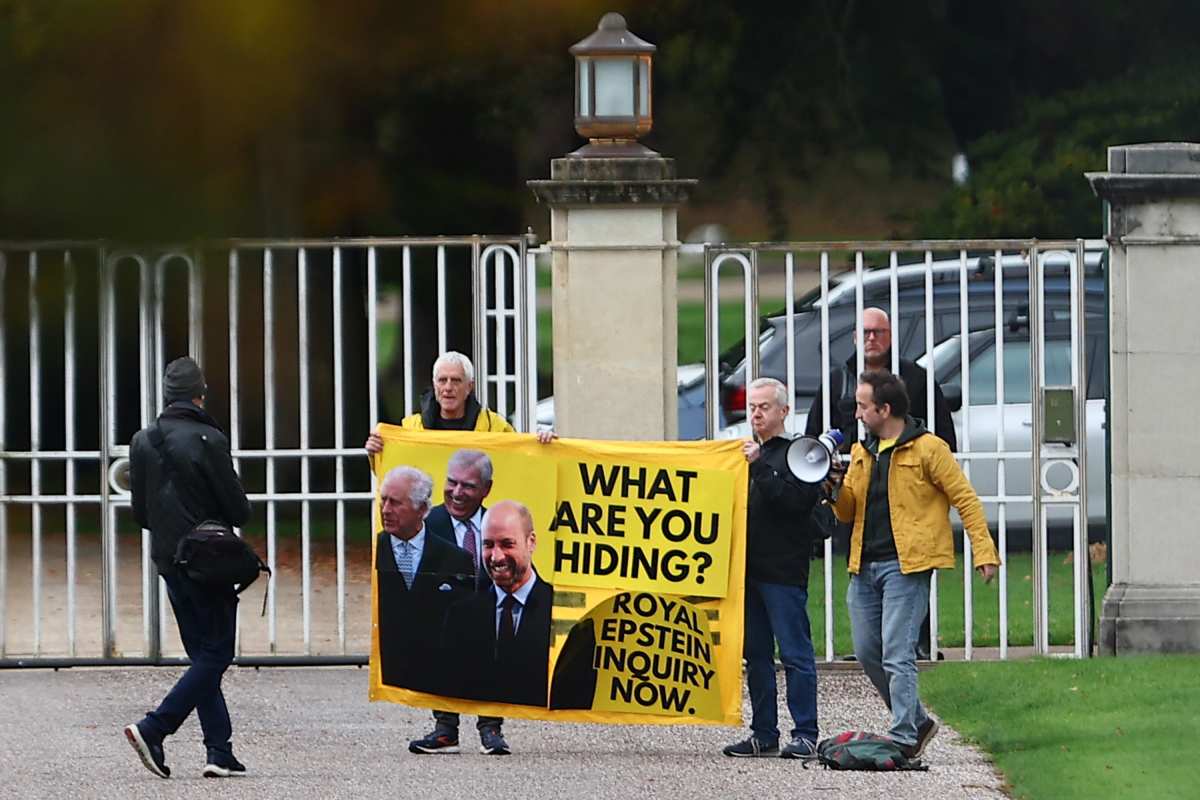
It was suggested by the trove of emails released by the US Department of Justice, which suggested that he was very close to the offender Jeffrey Epstein, and may have released leaked sensitive information to him. The Metropolitan Police also reached out to Mountbatten-Windsor's former protection officers, asking them to mention whether anything they witnessed or heard during their time guarding him could be relevant to the ongoing investigation, the BBC reported.
Separately, Thames Valley Police also searched Royal Lodge — Mountbatten Windsor's former Windsor home — in connection with his arrest on suspicion of misconduct in public office. It was also reported that the government is considering introducing legislation to remove Mountbatten-Windsor from the royal line of succession, per the BBC. The move would come after the ongoing police investigation has concluded.