Andrew 'Bullied’ Queen Elizabeth Into Decisions Near the End of Her Life, Expert Reveals
A royal biographer alleges that the monarch faced intense pressure while Charles quietly took charge.
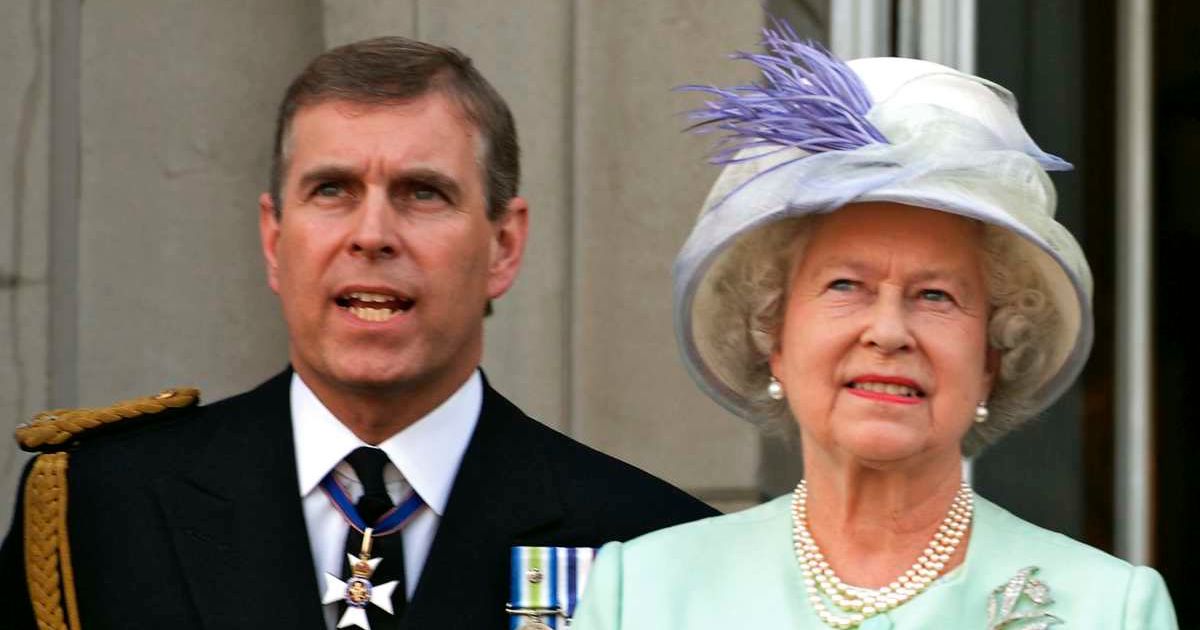


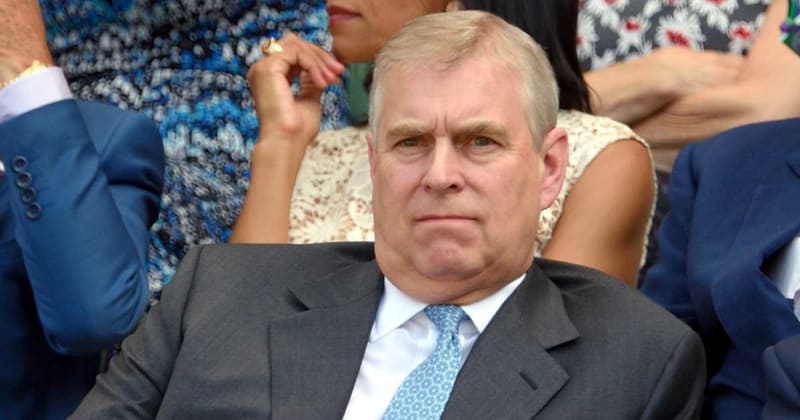
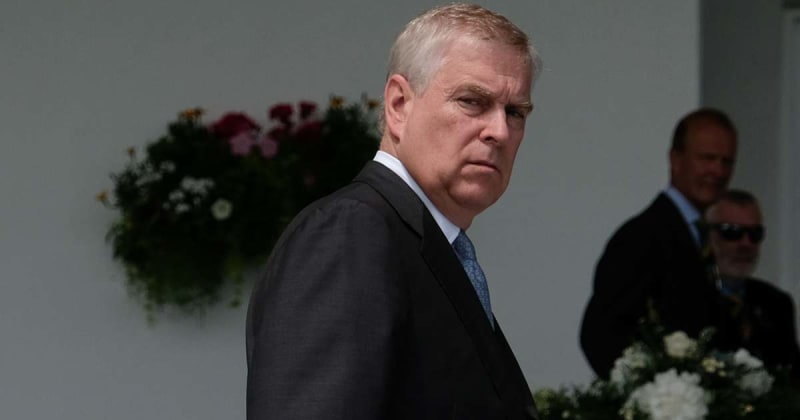
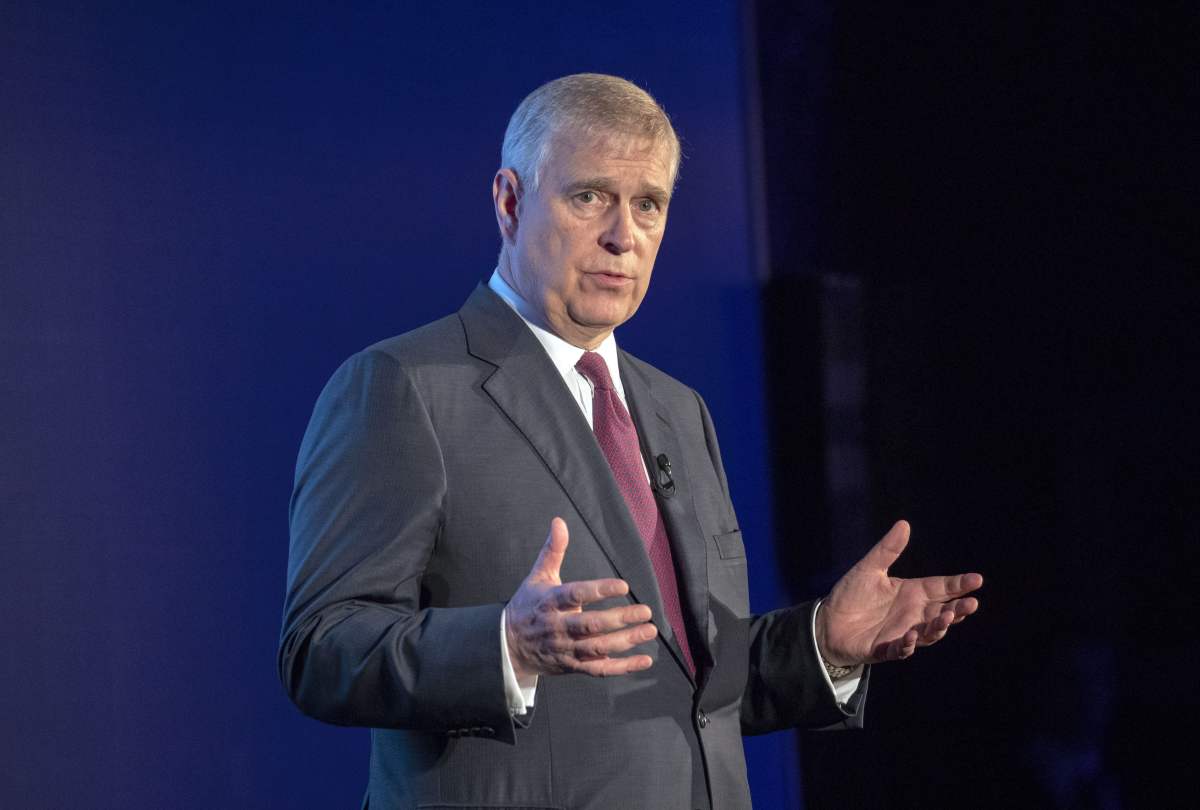
In the final stretch of Queen Elizabeth’s life, a troubling dynamic is said to have unfolded behind Palace walls, one that raises questions about who made the decisions about the disgraced former Prince. According to biographer Andrew Lownie, the late monarch may have been under pressure from her second son, Andrew Mountbatten-Windsor, who was said to be her favorite, at a time when her capacity to manage affairs was reportedly diminishing.
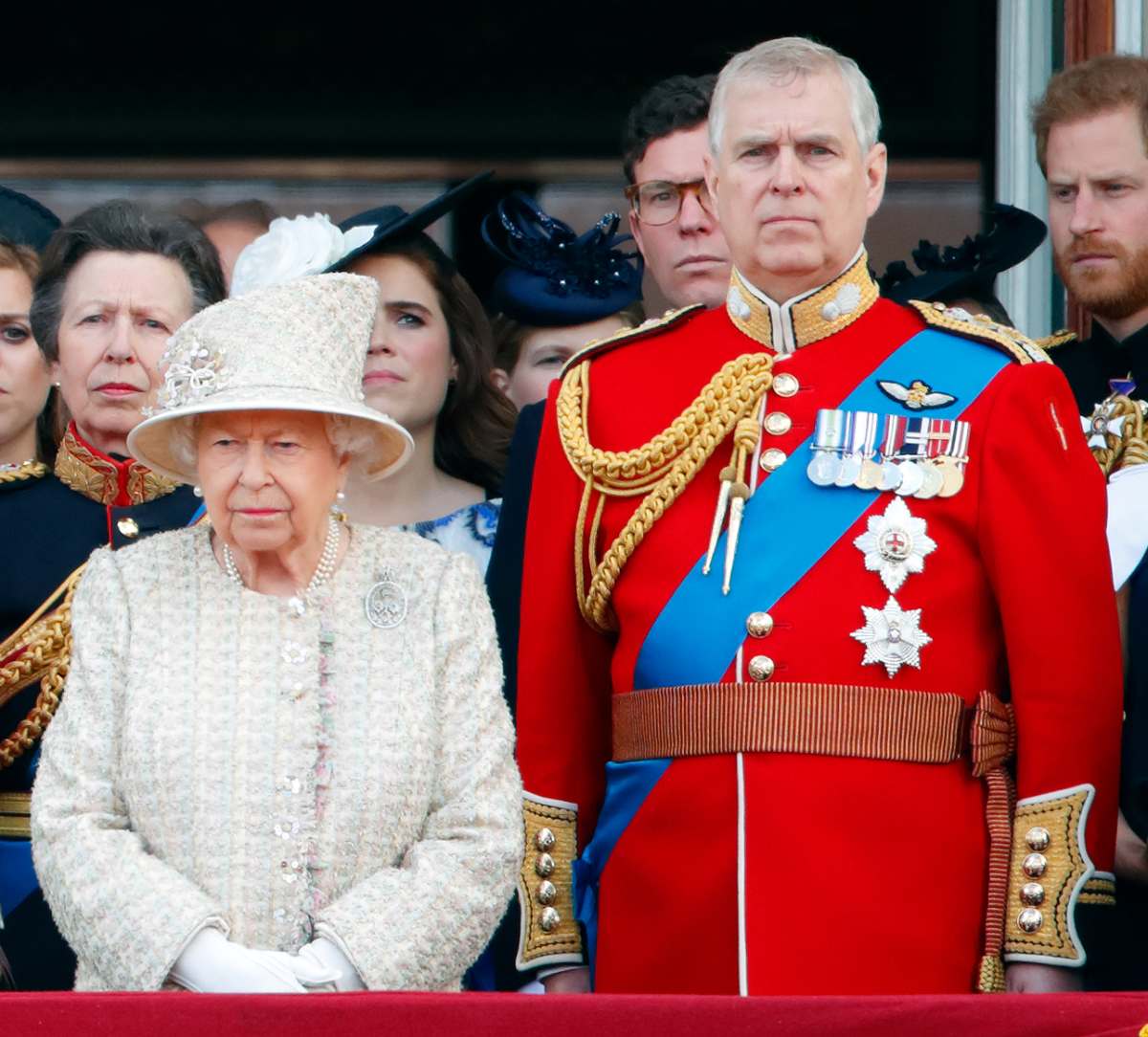
The claims suggest that decisions taken during this period were not entirely her own, but were shaped by persistent persuasion from her second son, whose controversies had already cast a long shadow over the institution. Lownie, talking about those years, alleged, “By the end of her life, what people don’t realize is that she was completely gaga. He [Andrew] would go up there, and he would bully her into doing things.” The suggestion is that Mountbatten-Windsor leveraged both proximity and familiarity to influence outcomes in his favor, even as scrutiny around him intensified.
At the same time, the balance of power within the monarchy was apparently shifting. Lownie claims that then-Prince Charles had effectively assumed operational control. “Charles actually was running the show, rather than The Queen,” he said, indicating that while the Queen remained the figurehead, key decisions may have been guided elsewhere. Lownie also alleged that there were intelligence and diplomatic concerns. “There were MI6 officers who went to [royal] private secretaries and said, ‘Look, he’s been caught with $5 million in a suitcase in Kazakhstan,’ and they were sent away with a flea in their ear,” Lownie said of Mountbatten-Windsor.
“The heads of the foreign office went and complained.” These allegations, if accurate, suggest that warnings raised at the highest levels were dismissed or ignored, as reported earlier. Perhaps the most problematic allegation by Lownie is that there was a collective awareness about the problematic Mountbatten-Windsor, which the palace turned a blind eye to. “She, I’m afraid, abetted this,” the author said of Queen Elizabeth. “The whole family abetted this—they knew about it.”
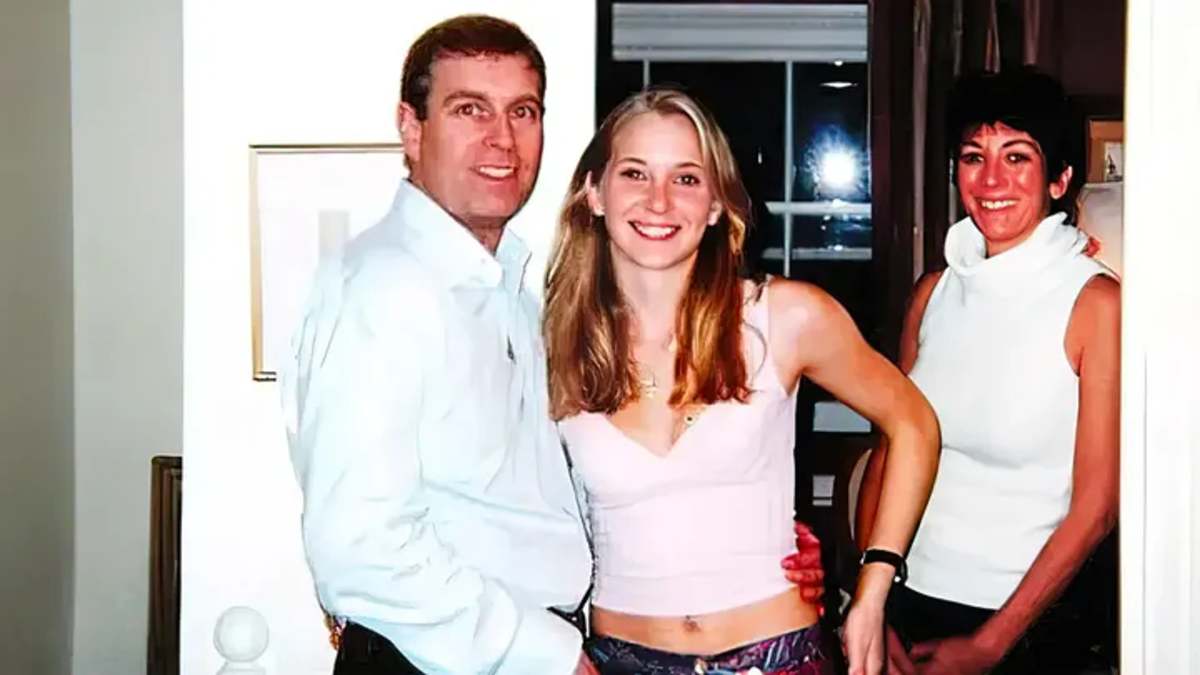
Earlier, speaking on The Royalist podcast, the author had offered a different perspective on Queen Elizabeth II’s final months, casting doubt on the widely accepted belief that she personally oversaw the 2022 settlement between Andrew Mountbatten-Windsor and Virginia Giuffre, reportedly worth around $16 million. He argued that her physical condition at the time would have made involvement in such a detailed legal matter highly unlikely, suggesting her role was far more limited than publicly portrayed.
To support this, Lownie cited an account shared with him by one of the last non-staff members to spend meaningful time with the late monarch. According to him, the visitor was cautioned about her condition before the meeting. “And this person was told before they went in to meet her, 'Listen, I want to warn you, she can't really see very much,” the royal author stated.