Queen Elizabeth Wasn't of Sound Mind When Andrew Settled Lawsuit With Virginia Giuffre: Author
A royal author has challenged the long-held assumption that Queen Elizabeth personally brokered the 2022 settlement between Mountbatten-Windsor and Giuffre.
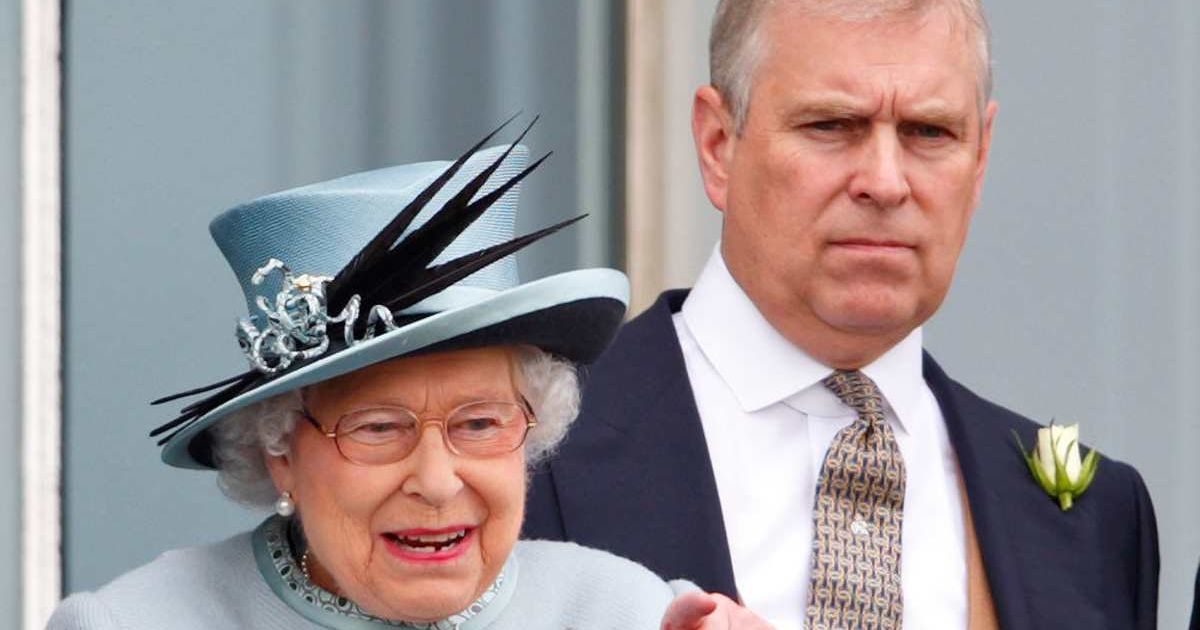


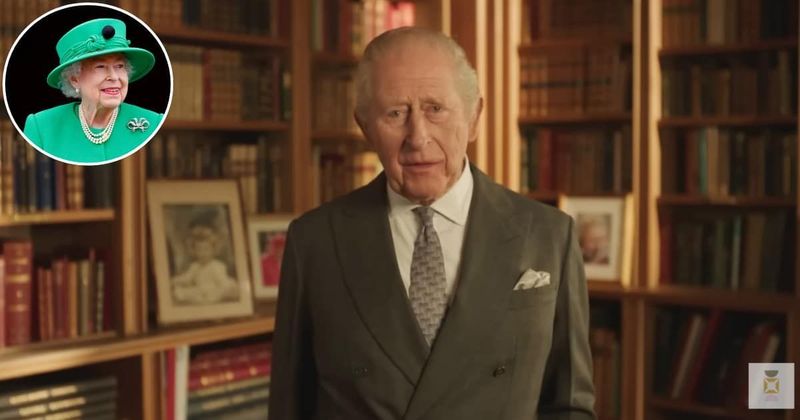
For years, the story of Andrew Mountbatten-Windsor’s multi-million dollar settlement with Virginia Giuffre has centred on the late Queen Elizabeth’s final acts of maternal protection. However, royal author Andrew Lownie is now upending that timeline, arguing that the late monarch may have lacked the mental capacity to authorize the deal — meaning King Charles likely orchestrated the entire agreement.
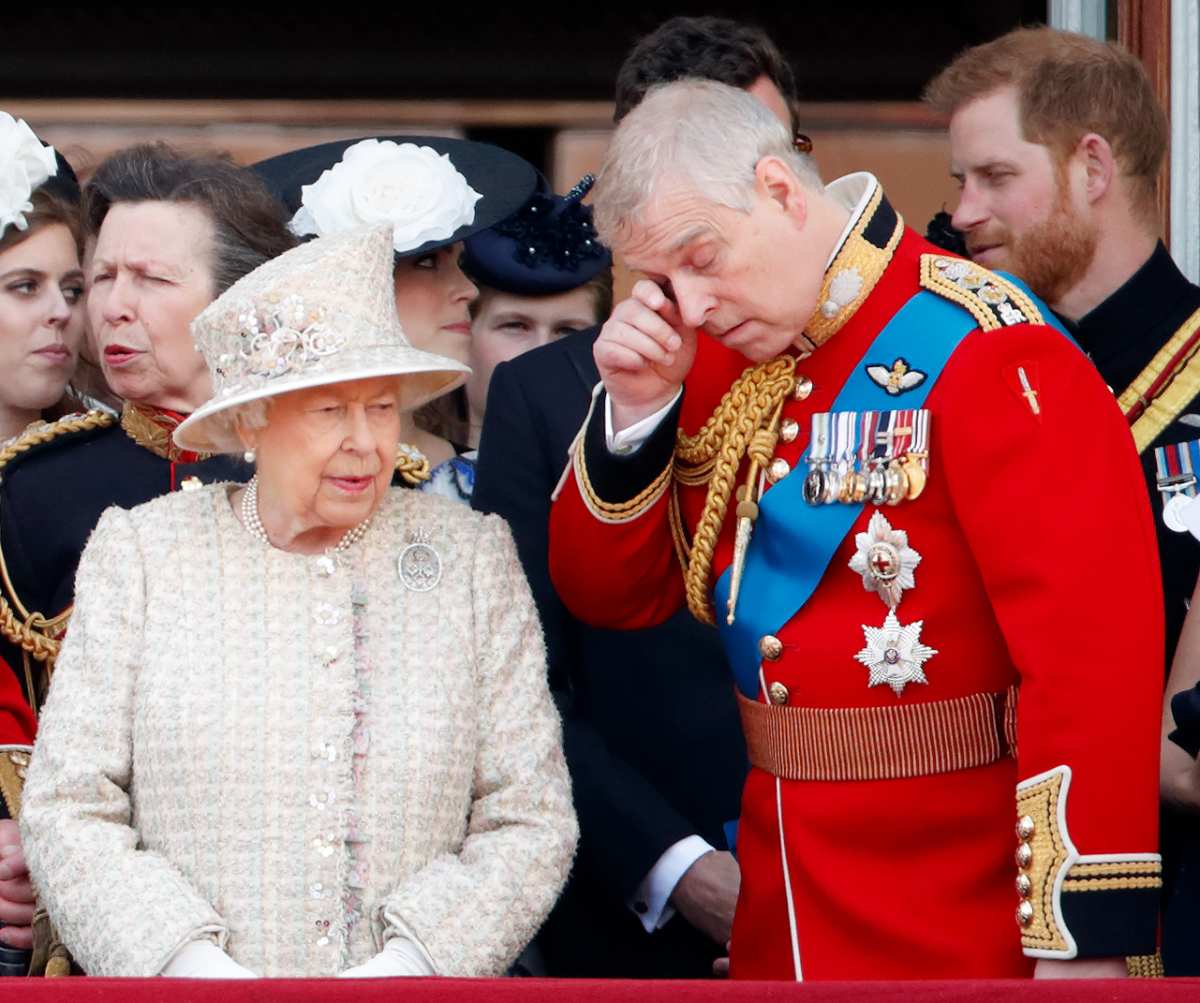
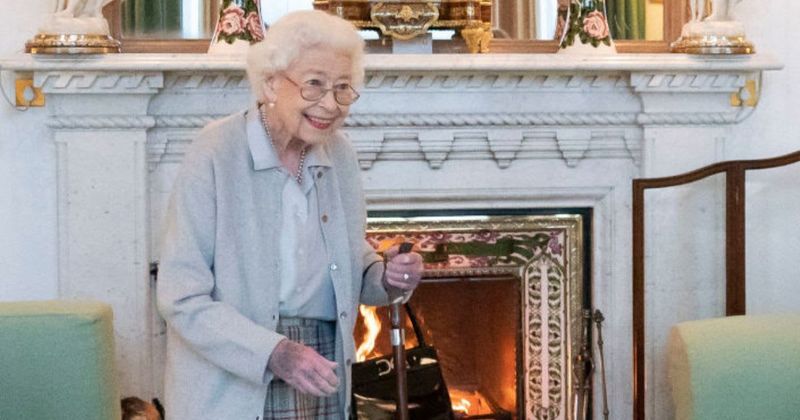
Speaking on The Royalist podcast, the royal author shared fresh insights into Queen Elizabeth’s final moments — challenging the long-held assumption that she personally brokered the 2022 settlement between Mountbatten-Windsor and Giuffre, estimated to be around $16 million. He suggested that her declining health made such a complex legal task almost impossible, noting that she was far less involved than the Palace let on. Lownie’s claims are grounded in a conversation with one of the last non-staff members to spend significant time with her — a guest who was given a blunt heads-up before their meeting. “And this person was told before they went in to meet her, 'Listen, I want to warn you, she can't really see very much,” the royal author states.
The visitor, as per Lownie, was also told that the Queen was largely confined to her quarters, frequently drifted between the present and the past, and became tired very easily. “The extent to which she wasn't fully compos mentis, I think, does make it…inconceivable that Charles was not involved in that settlement.” By framing the late monarch as an elderly woman who was “dropping in and out of the past,” Lownie argues that the Palace’s claim of Charles’s ignorance regarding the deal is no longer tenable — with the author observing, “It is just inconceivable that this wasn't run past Charles at a minimum.”
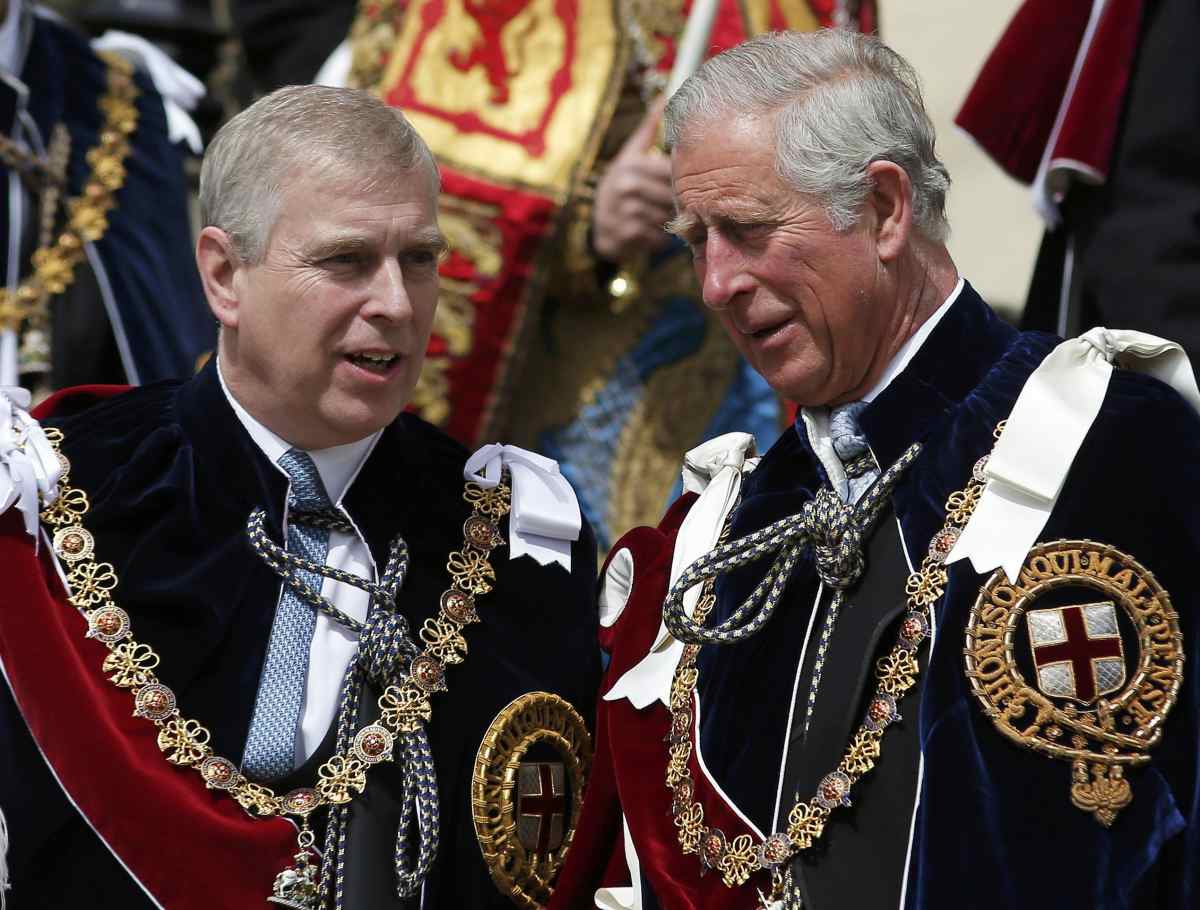
The 2022 settlement — a massive payout intended to end Virginia Giuffre’s civil lawsuit against Mountbatten-Windsor — has long been a magnet for scrutiny, especially regarding the source of the funds and the final architect of the strategy. Lownie is quite blunt about the true motivation behind the deal. “That settlement effectively was done to buy Virginia Giuffre's silence. I mean, that's what the purpose of it was,” he added. The ‘Andrew problem’ was no sudden catastrophe; it was, according to the royal author, a two-decade-long failure of Palace oversight.
By 2005, royal security was already in overdrive, “shutting down all sorts of stories about Andrew,” while a near-revolt brewed within the Foreign Office over the ex-Duke’s behavior as a trade envoy. “So everyone knew, everything was reported back, and everyone at the Palace stuck their head in the sand,” Lownie said, stating, “They'd been aware of the problem for a long time…[Andrew] was actually counterproductive to what they were doing.”
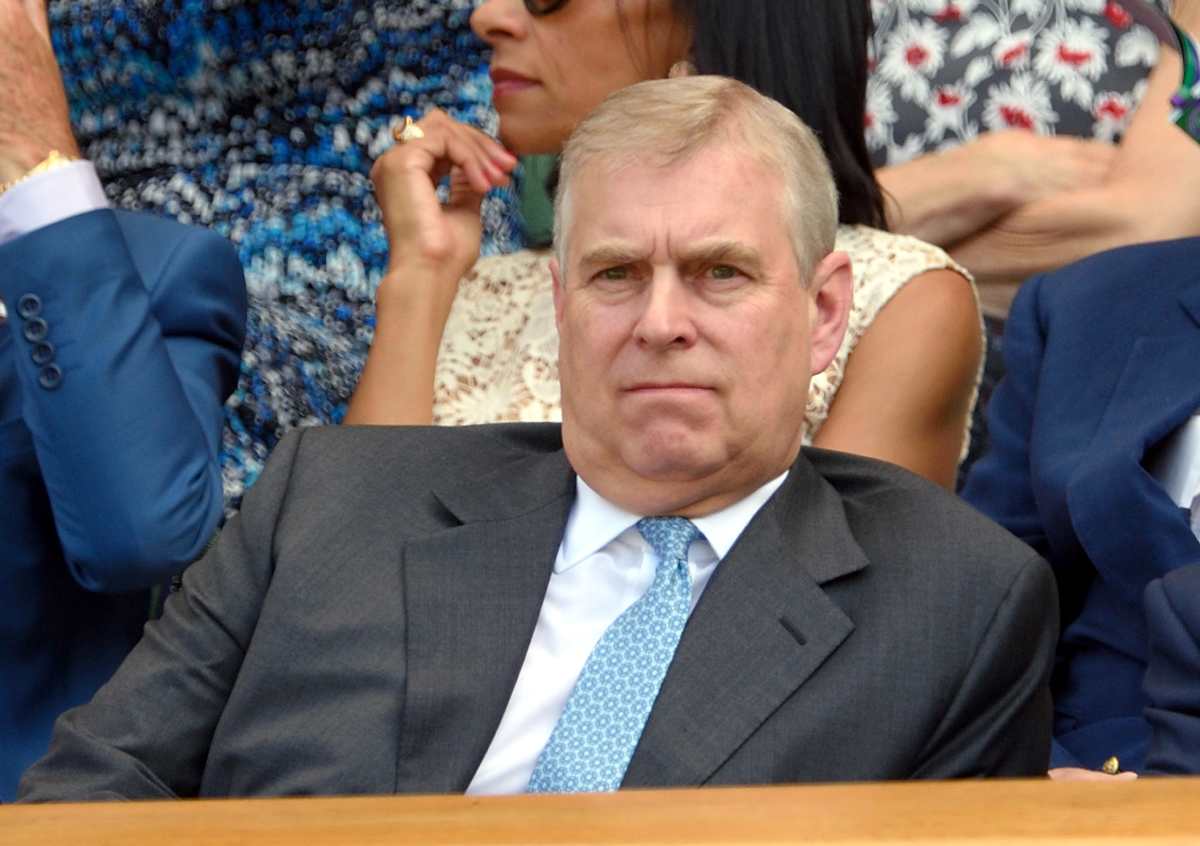
Lownie’s research suggests a Palace in transition long before Queen Elizabeth’s passing — a period where the then-Prince of Wales likely had to step into the vacuum left by his mother’s declining health. In this light, the Giuffre deal wasn’t a mother saving a son; it was a King-in-waiting protecting the institution from a fire he had been watching burn for over two decades.