Why Australia Is the Perfect Testing Ground for Harry and Meghan's Royal Comeback
The pair's first joint tour since their royal exit is being closely watched as a potential dry run for a return to the UK—if their security demands are met.


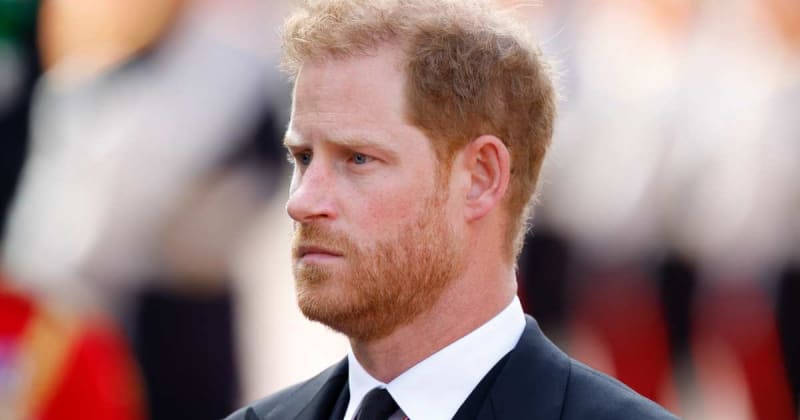
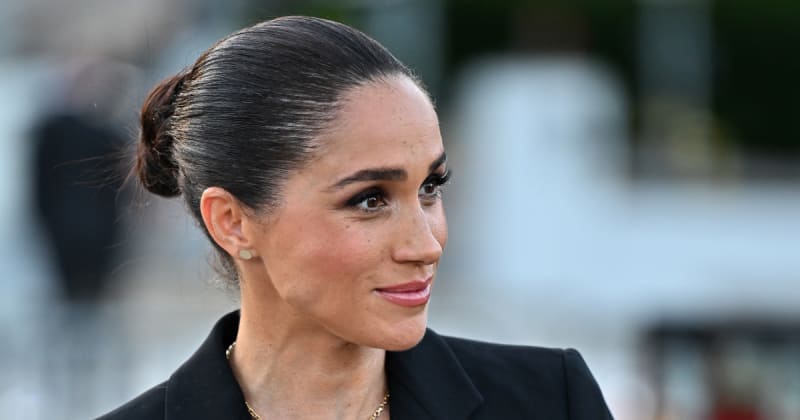
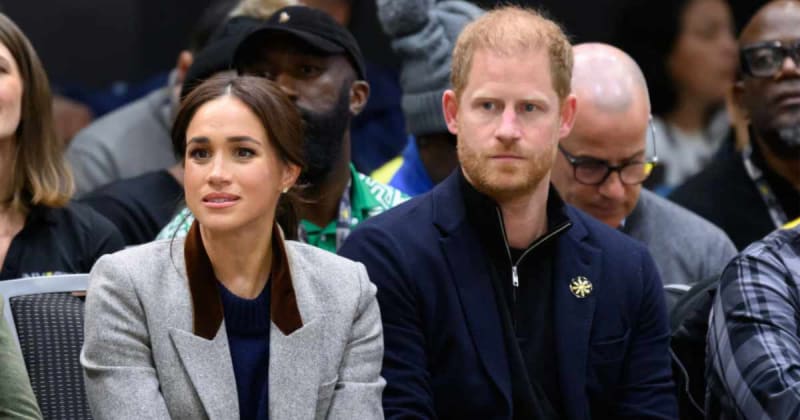
Prince Harry and Meghan Markle's four-day visit Down Under, their first since stepping back from royal duties in 2020, is understood by those close to the situation to be far more than a philanthropic jaunt. It is, in essence, a rehearsal. Australia, where King Charles remains head of state and where the monarchy still commands genuine affection, offers a forgiving testing ground. The crowds are curious, the media are watchful, and the political climate, with Prime Minister Anthony Albanese having quietly shelved plans for a republican referendum, is, for the moment, relatively stable. It is, insiders say, a place where a joint tour of this kind can succeed or stumble with consequences that remain, for now, containable.
"It is a significant joint tour and could prove to be a blueprint for future tours together of this type," a source familiar with the arrangements said to The Sun. The outlet also said this could be something of an audition to see if they still have any goodwill with the public of the commonwealth.
The stakes of that blueprint extend well beyond Sydney or Canberra. Markle has not set foot on British soil since she attended the late Queen's funeral nearly four years ago. Harry, for his part, has made his position plain: he will not bring his family to the United Kingdom until they are guaranteed round-the-clock, taxpayer-funded armed protection.
A security review is currently underway, conducted by the Royal and VIP Executive Committee, drawing together representatives from the Home Office, the police, and the Royal Household—and its outcome remains unknown. Should the committee rule in the Sussexes' favor, Markle could return as early as this summer, potentially in time for a twelve-month countdown to the Invictus Games in Birmingham, which are scheduled for July next year.
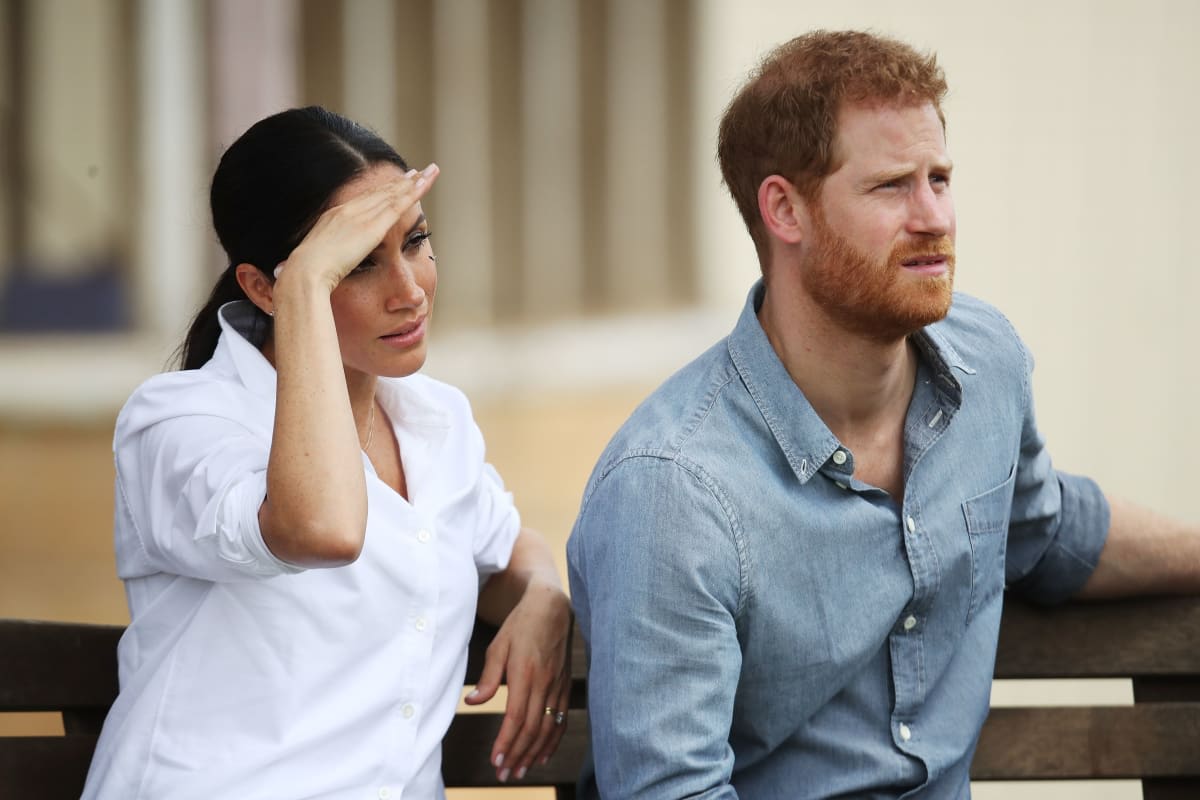
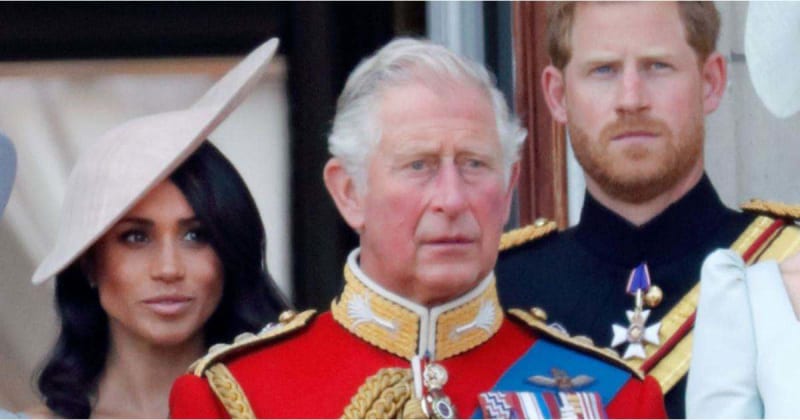
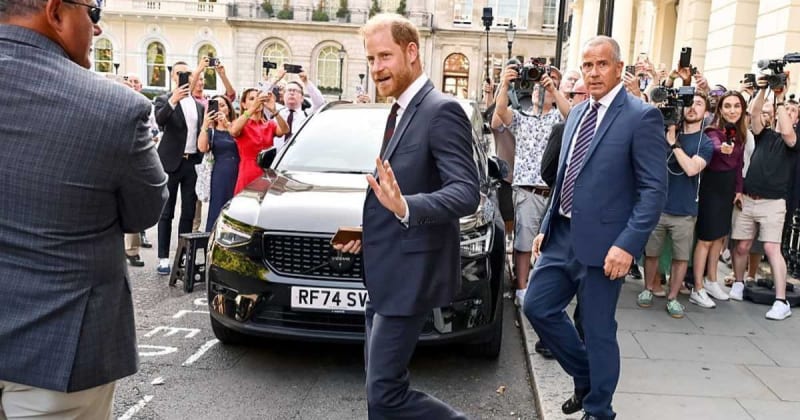
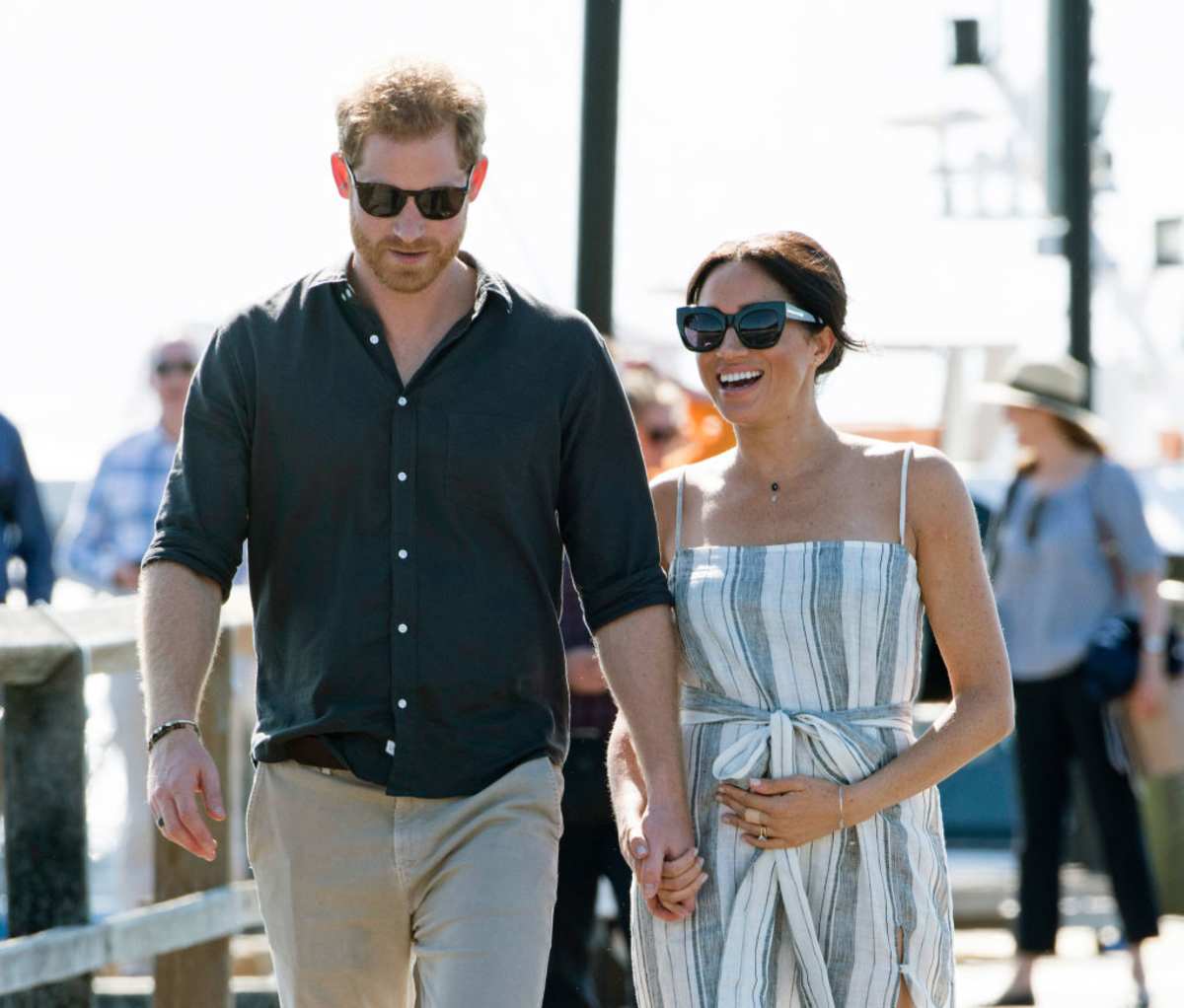
Royal commentators and palace-adjacent observers will be scrutinizing the couple's reception, looking for signals about how a British return might land. The comparison point is already fixed. The couple's 2018 Australian tour, undertaken just months after their wedding at the peak of their popularity as working royals, drew enormous crowds and almost universally glowing coverage.
"There is a great interest in the monarchy in Australia," observed Aussie royal reporter Bronte Coy. "A lot of people have a lot of love for the Royal Family. It is very similar there to what it is here." That warmth, however, is not universal. More than 40,000 Australians have already signed a petition opposing any public funding for the visit. The couple's team insists the trip is entirely privately financed, though police forces in New South Wales and Victoria have confirmed they will absorb the policing costs.
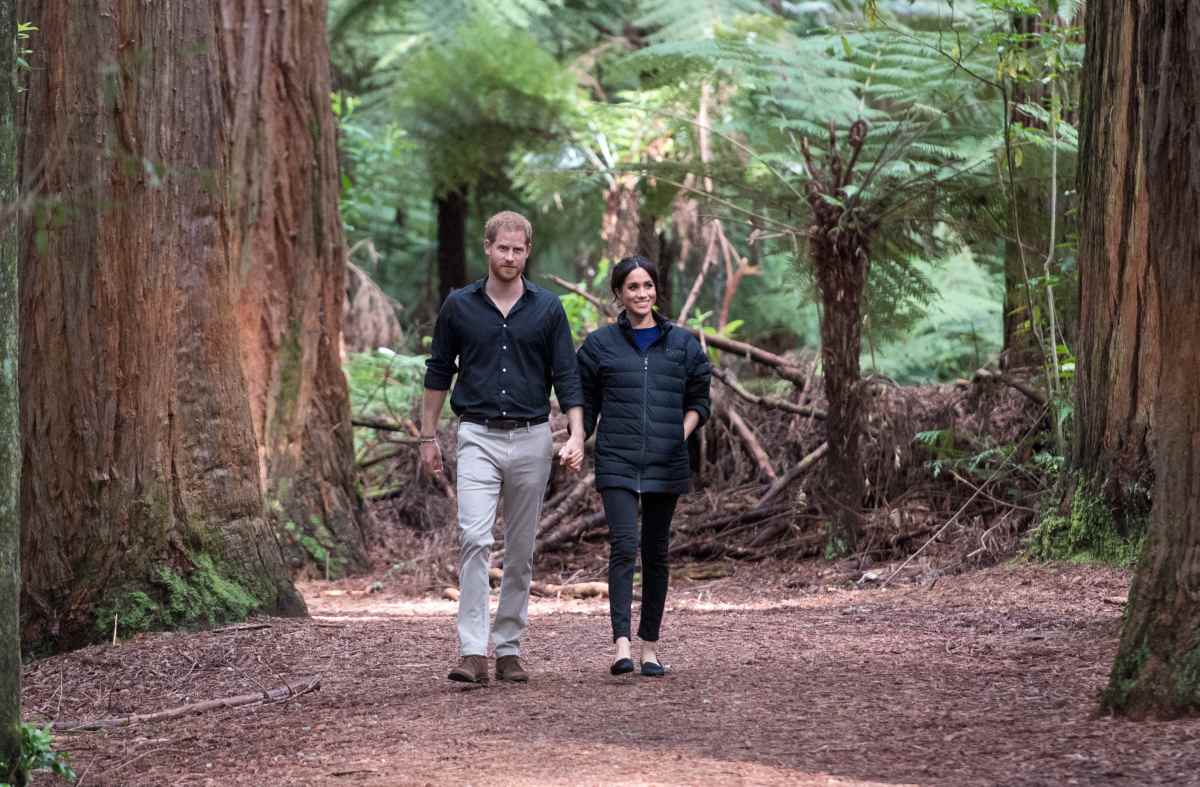
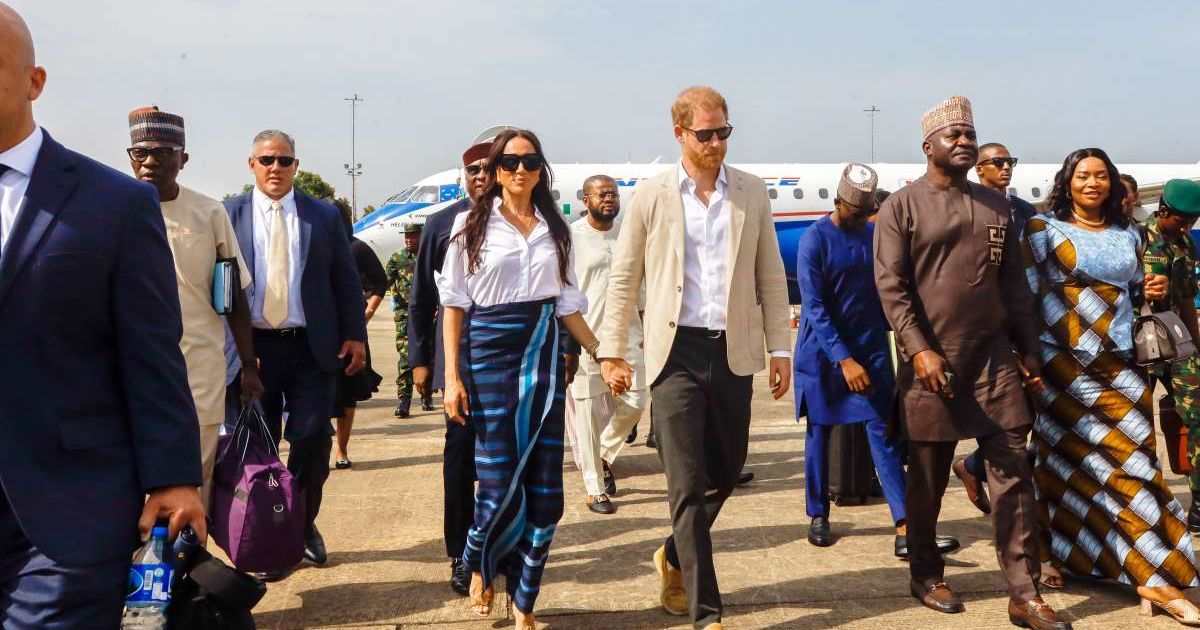
Since their departure from royal life, Harry and Markle have undertaken what critics have labeled ‘faux-royal’ tours to Colombia and Nigeria, with mixed results. Australia feels different in ambition and in framing, even if the formal title of working royals no longer applies. Not everyone believes the experiment will ultimately lead home. Royal expert Charlie Rae has been unequivocal. "I do not believe Meghan will ever set foot in Britain again," he said, further adding, "Harry insists he won't bring his family here until security is sorted out." Charles, who has said little publicly about the prospect of a Sussex reunion on British soil, may have quietly concluded that the most useful thing he can do is watch what happens next, several thousand miles away, and wait.