Expert Reveals Why the Public Is Losing Interest in Prince Harry — and It Comes Down to One Thing
The reason public interest in Prince Harry is fading, according to one expert, is hiding in plain sight.
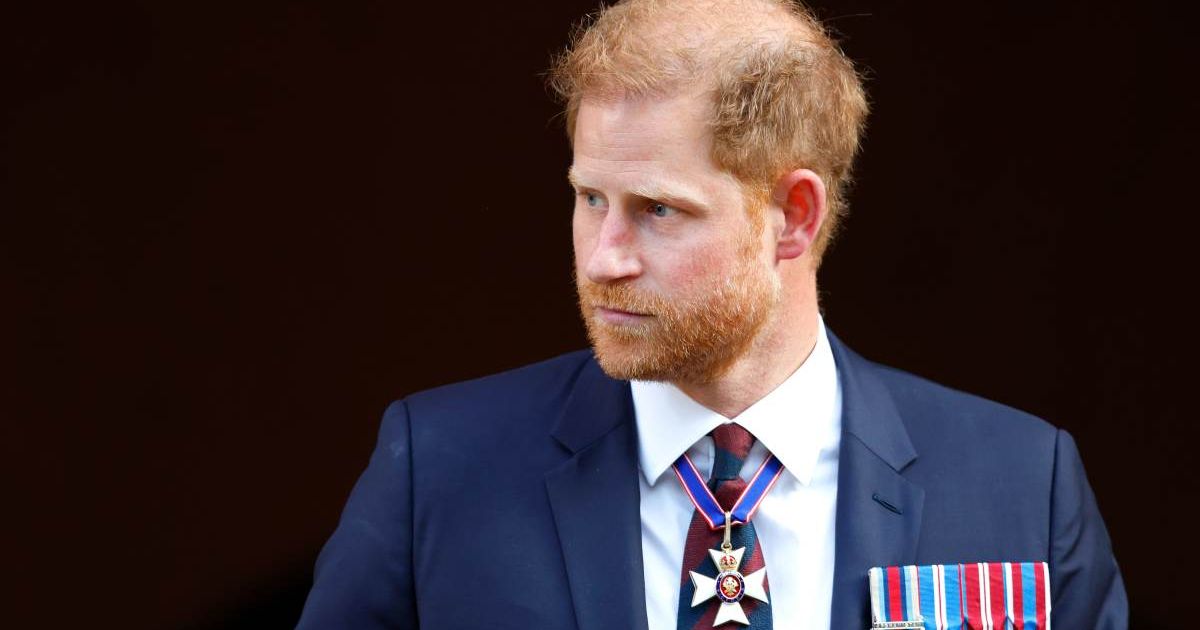


There was a time when the mere mention of Prince Harry and Meghan Markle was enough to stop the world in its tracks. That time, it seems, the world may have already moved on. In what is being read by many as a telling sign of the couple's shifting cultural currency, organizers of the InterEdge Summit in Melbourne have been forced to slash the entry-level ticket price for Prince Harry's upcoming keynote speech by a staggering 50%—from $1,978 down to $997—in what appears to be a bid to fill seats.
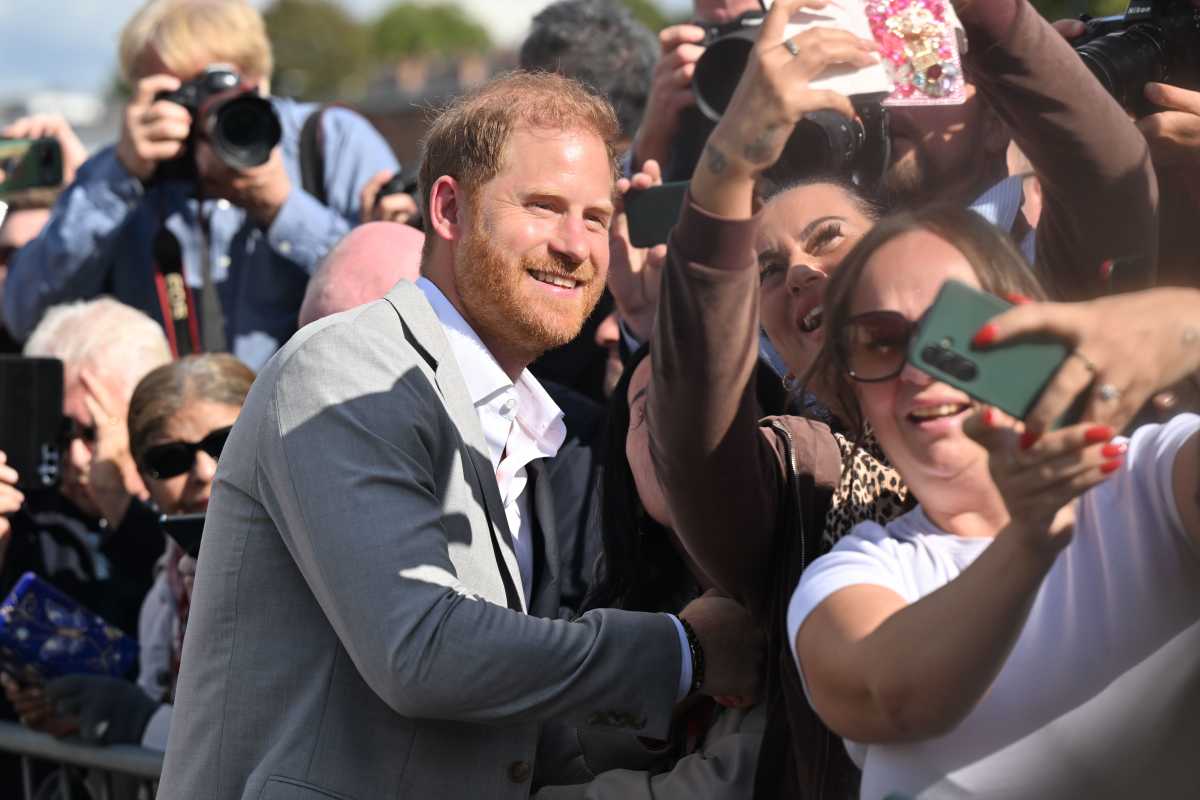
The Duke of Sussex is set to take the stage to speak about workplace mental health, a cause he has long championed. But for royal commentator Rebecca Russell, the optics are difficult to ignore. "Would you believe it? There is apparently a limit to how much money people will pay to be lectured on the ins and outs of 'workplace wellness' by a man who hasn't held a 9-to-5 job in his entire life," Russell observed. "Who'd have thought?"
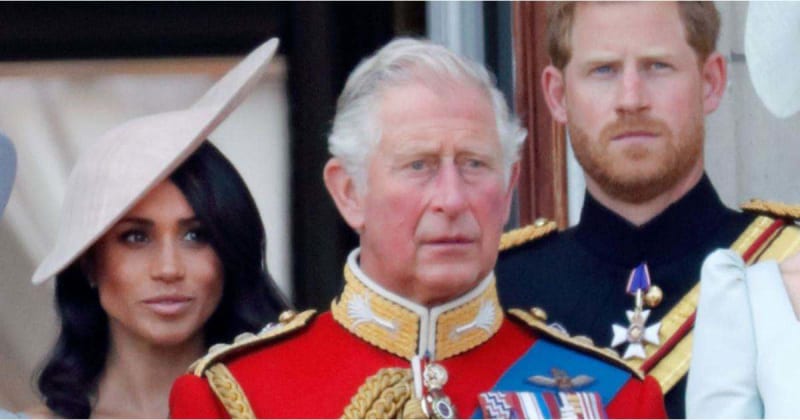
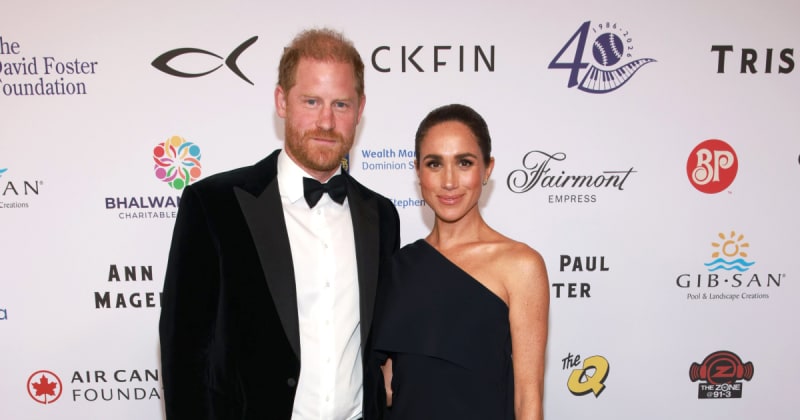
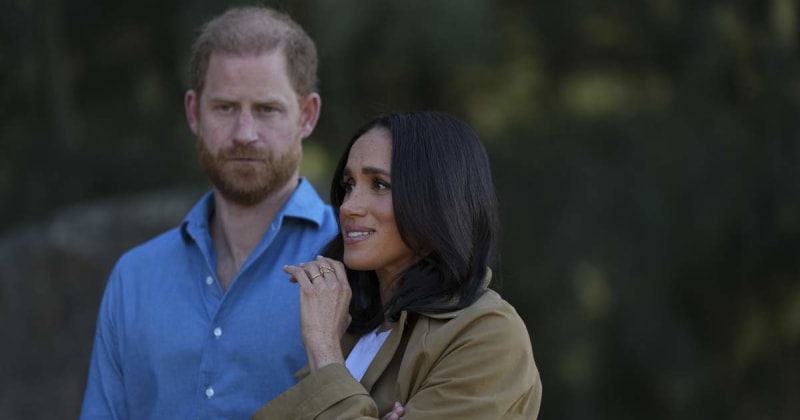
Just six years ago, Harry and Markle swept through Australia like visiting royalty—because, of course, they were. Fresh from their fairytale Windsor wedding and glowing with the news of their first pregnancy, the couple were mobbed by thousands of adoring fans at every turn. The energy was electric, the goodwill seemingly limitless. The contrast with today's climate could hardly be more stark.
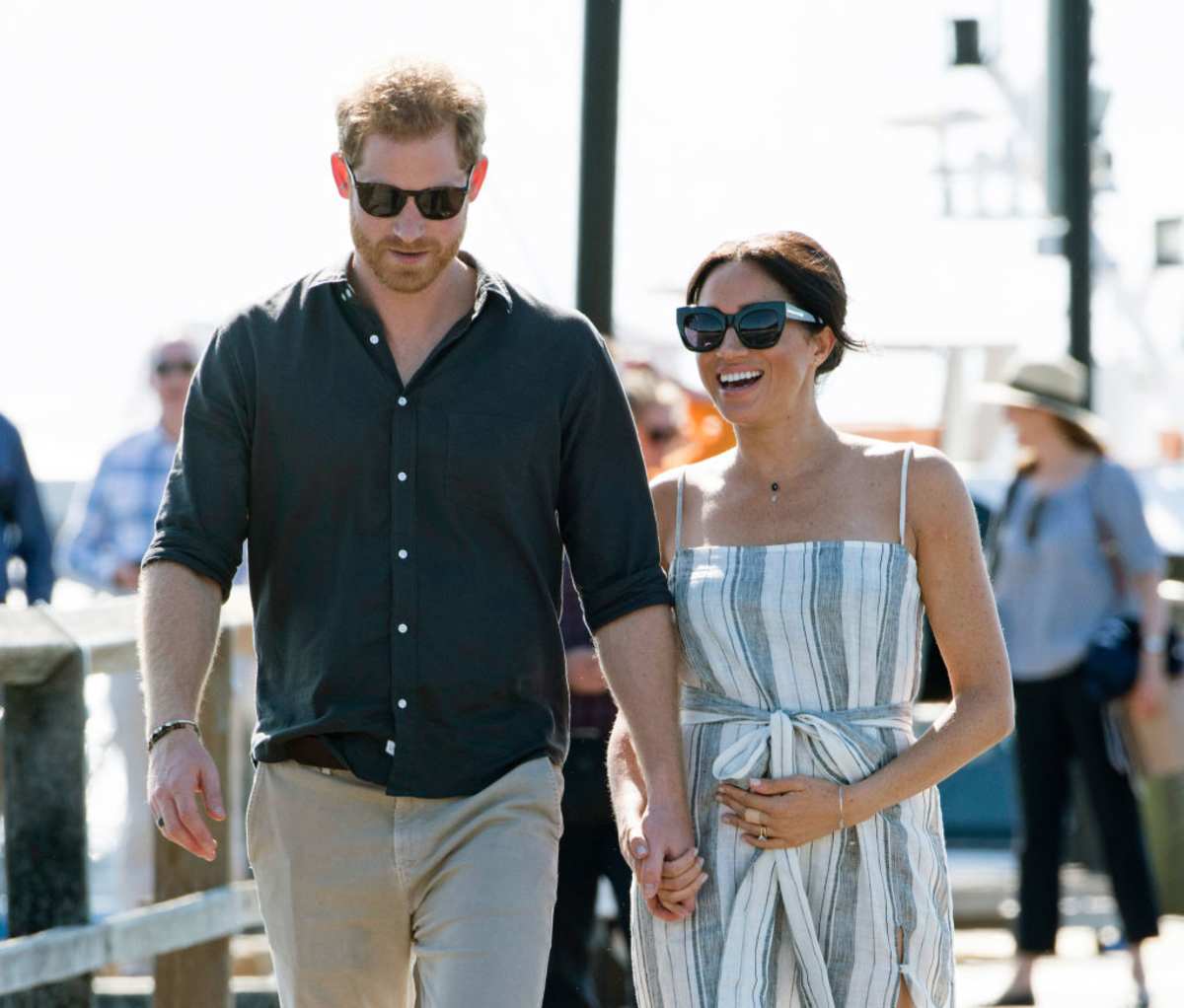
And according to Russell, who penned her opinions for the Express, the shift is less surprising than it might appear and definitely speaks to public curiosity. "Back in 2020, the world was curious about this couple," she explains. "We wanted to know what happened behind the palace gates; we wanted the behind-the-scenes details and to hear where the source of their venom had come from. We sat on the edge of our seats for the Netflix documentary; we bought the memoir."
But of course, like everything in life, curiosity also has a shelf life. "The problem with being curious, of course, is that it runs out just as quickly as it is piqued. Once the vitriol has been spouted and the grievances laid bare—several times, and in every single medium possible—you're left with the person who is actually speaking, and it doesn't matter if that person is a prince or a pauper; if they have nothing of substance to say, they're exposed." And exposed, Russell argues, is precisely what the Melbourne situation reveals. "The Australian crowd isn't particularly eager to shell out a staggering two grand to hear a multi-millionaire talk about 'burnout' and a spew of other corporate jargon he learned a few hours before," she writes. "When you remove the magic and mystery of the crown, you're unfortunately left with one more influencer's ramblings on corporate wellness in an already saturated market."
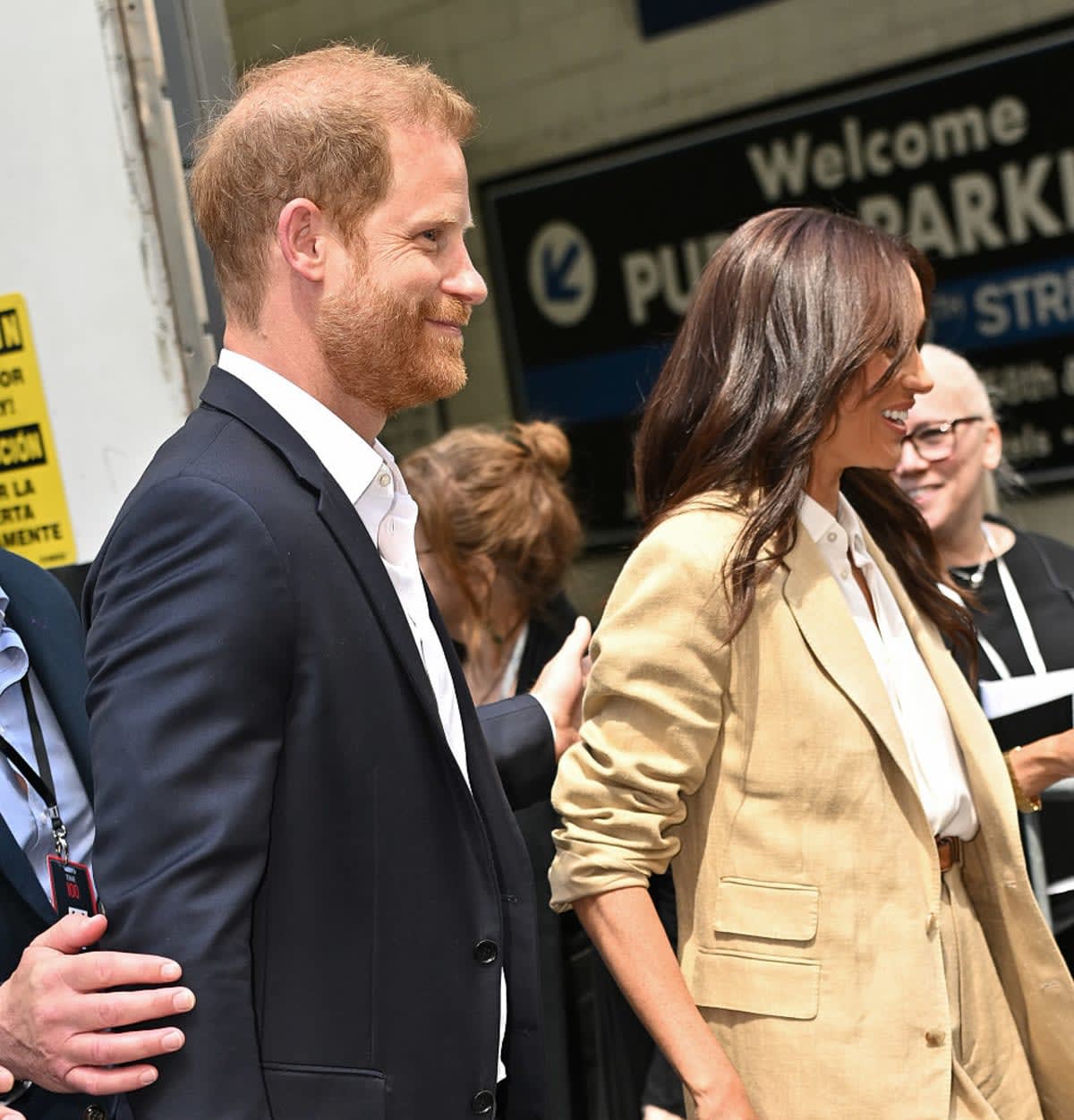
There is, too, a layer of irony to the situation that Russell finds hard to overlook. "The notion of Harry speaking at a Psychosocial Safety Summit as someone who has spent the last six years on a scorched-earth campaign against his own family is quite the choice," she notes. For Russell, the broader picture is one the Sussexes would do well to take note of. "Their value will be determined more and more by demand to see them," she warns, "and there just doesn't seem to be that appetite at the moment."