Australians Give Their Verdict on Harry and Meghan — Just Not the Way You’d Think
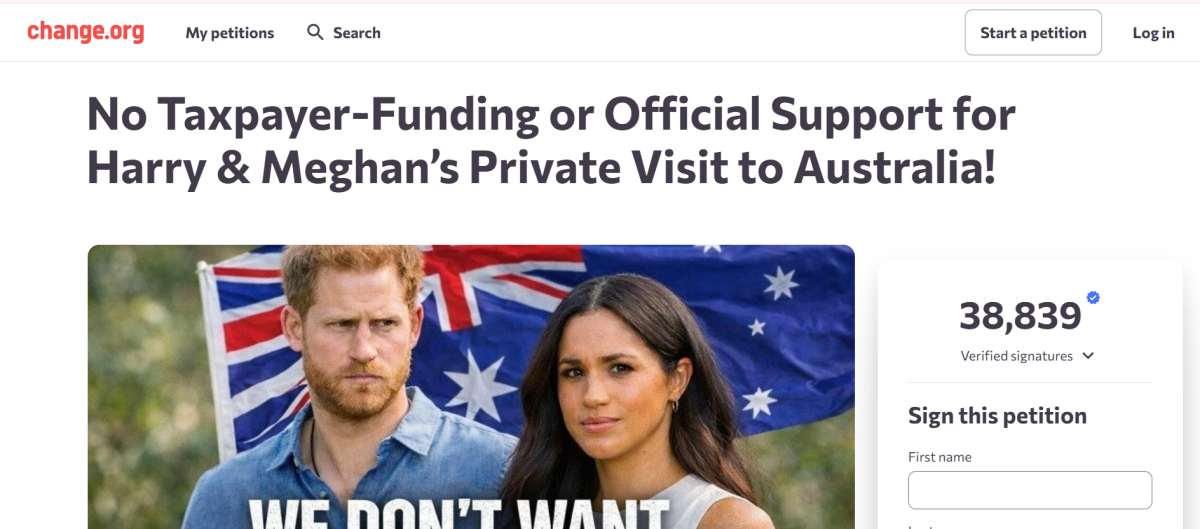
A petition demanding the revocation of Harry and Meghan's Australian taxpayer-funded security gathered 30,000 signatures, but the security was not publicly funded in the first place!
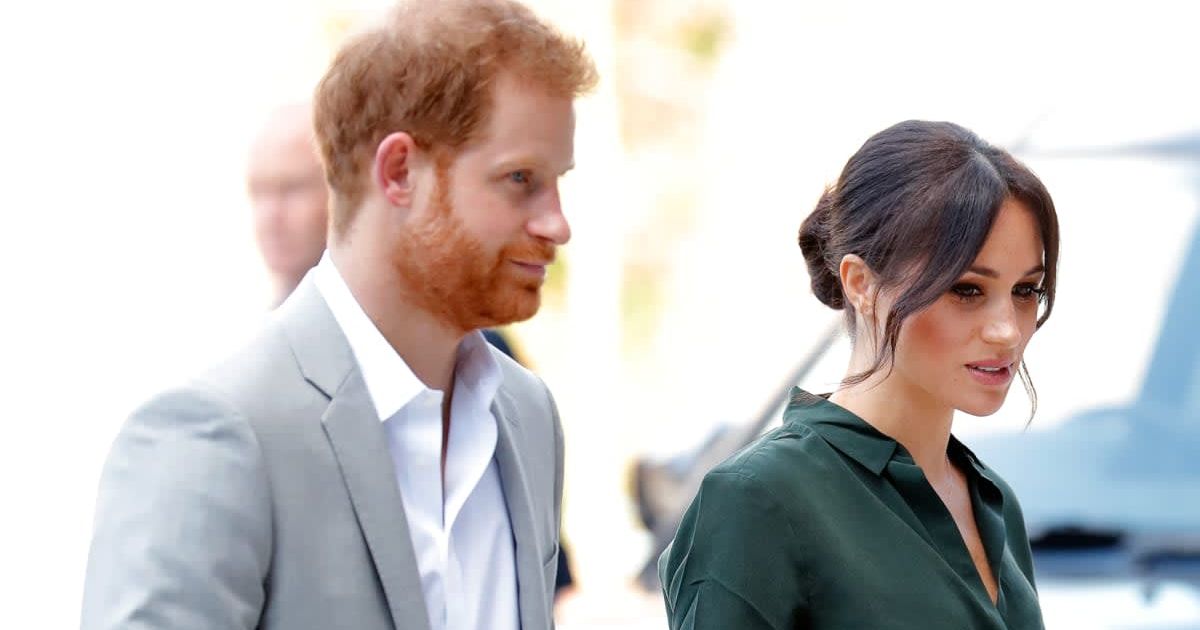


Thirty-eight thousand people signed a petition (at the time of publishing) calling for the Australian taxpayer-funded security of Prince Harry and Meghan Markle to be revoked. Thirty-eight thousand, in a country of 26.5 million! That is, even if we keep the arithmetic at home, roughly 0.11% of the population — a rounding error, dressed up and presented as sort of national reckoning. And what is also slightly jarring is that more Australians are named Michael than those who signed it.
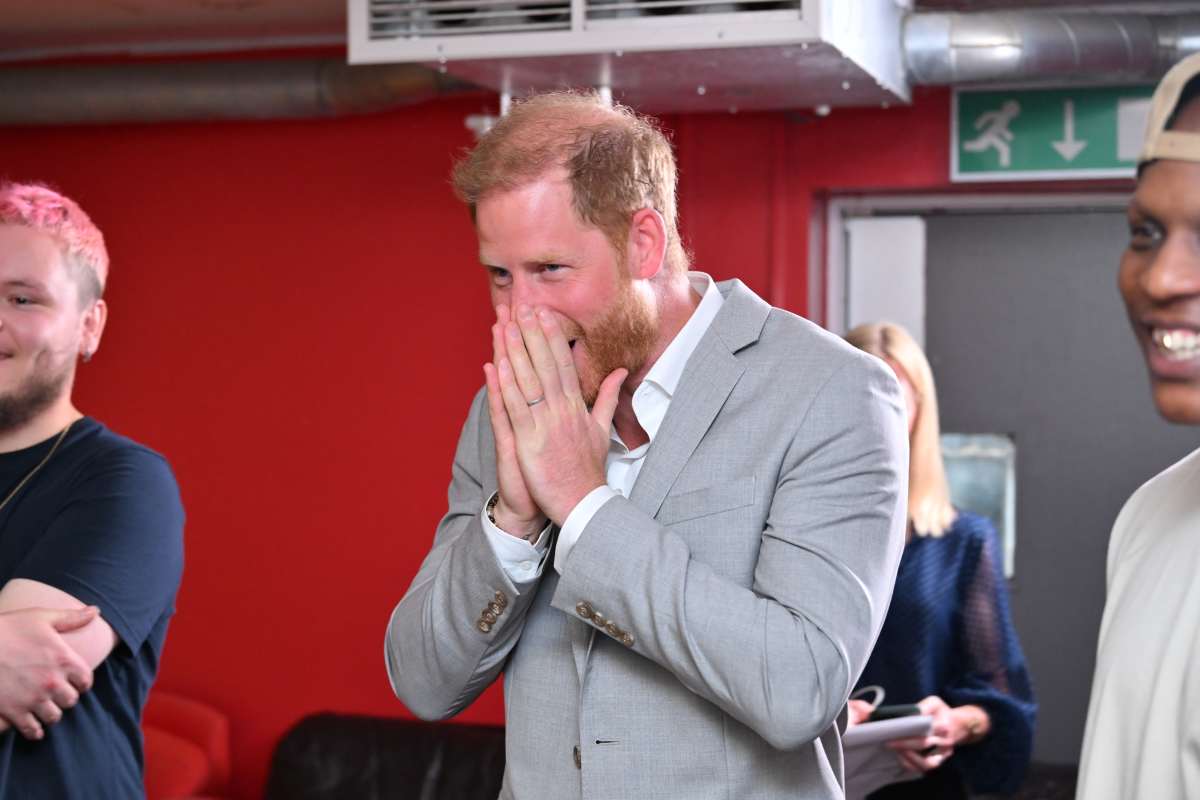
And yet, as surely as night follows day, the press took note. But what could the backstory actually be? Probably something far less dramatic. A motivated, organized group generated a number. The number got reported. The reporting implied consensus. The consensus was then cited as evidence of the sentiment that produced the number in the first place. Round and round it goes — a self-sustaining wheel of grievance, each rotation appearing more authoritative than the last. 'Twas ever thus.
This is not an uncommon pattern in royal coverage. Online petitions are a legitimate form of expression, but they measure engagement, not opinion. They capture the people who felt strongly enough to act, which tells us something useful about intensity, but how widespread that feeling actually is remains a question for another day. What made this particular instance notable was not the petition; it was the response. Harry and Markle have rarely been ones to let anything remotely critical of them pass without remark. The quasi-royals, as their critics like to call them, appear to have made something of a habit of abandoning the old royal motto, 'Never complain. Never explain.'
Their representative, clearly not acting without their blessing, made it clear that the Sussexes would pay for the trip themselves. "It's a moot point," the spokesman told. "The trip is being funded privately, so I'm not sure what this petition hopes to achieve." He then went further, stating, "Of course, if you wanted to dive into the ridiculousness of this petition as an agenda for spreading misinformation, then one could equally hypothesize that there are approximately 26.5 million Australians — 99.98 per cent of the population — who haven't signed it. Who must, therefore, agree to the taxpayer picking up the tab for their visit. Of course, that is another equally stupid assertion to make."
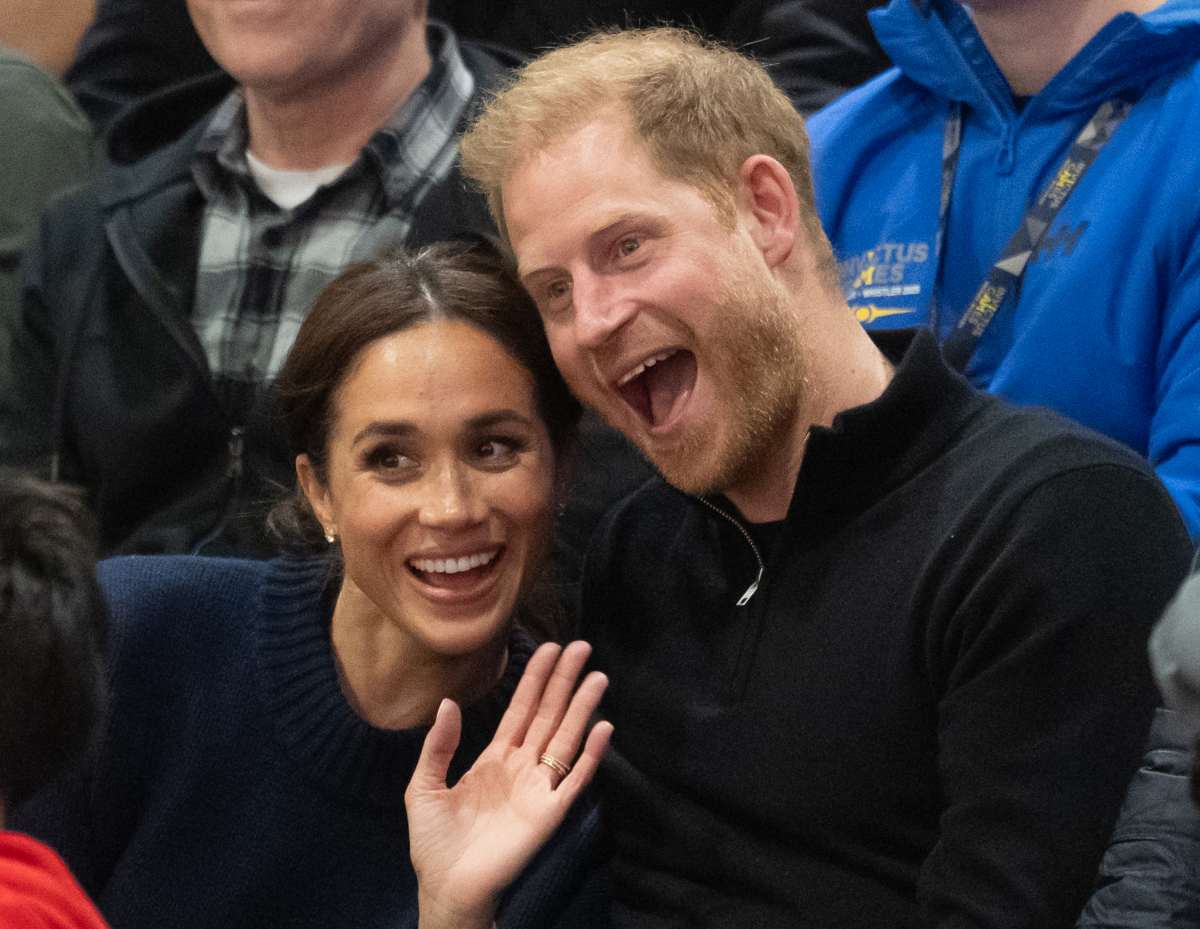
So, as it turns out, the entire petition may well have been built on a rumor.
That did land with some force, not only because it defended the Sussexes, but because it exposed the logical architecture of the original claim. If thirty-eight thousand signatures constitute a national mood, what do twenty-six and a half million absences constitute? The same tension may also apply to polls that periodically show the public turning for or against the monarchy. The royals, for their part, appear to take these readings seriously — though it is worth noting that Harry now occupies a position in the royal firm about as clearly defined as his wife's, somewhere between subject and spectacle. This, however, does not set out to shift public opinion in either direction. Their decisions, their public statements, the question of what security arrangements are appropriate — all of that is fair ground for debate, and reasonable people hold genuinely differing views. But the quality of that debate depends, in part, on the accuracy of the premises it rests on.
What thirty-eight thousand signatures actually measure is thirty-eight thousand signatures. The more interesting question, why that rebuttal came about as sharply as it did, may say more about the usual standard of royal communications than about the Sussexes themselves.
There is something worth sitting with here, beyond the petition and its rebuttal. We are, in the coverage of Harry and Markle, watching two parallel media ecosystems operate in near-perfect opposition, and both, in their own way, are distorting the picture. The first is the outrage machine. It does not require much fuel. A petition, a rumor, an unverified claim about taxpayer money — any of these will do. This is not unique to royal coverage, but it is particularly acute within it, because the audience is passionate, the stakes feel personal, and the line between reporting and editorializing has, in many outlets, essentially dissolved.
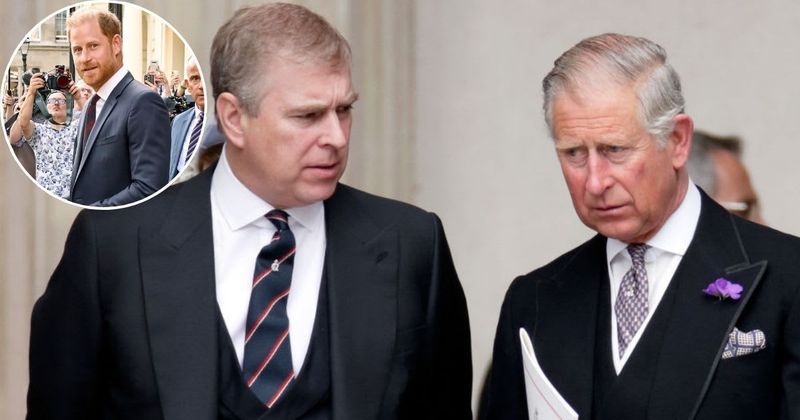
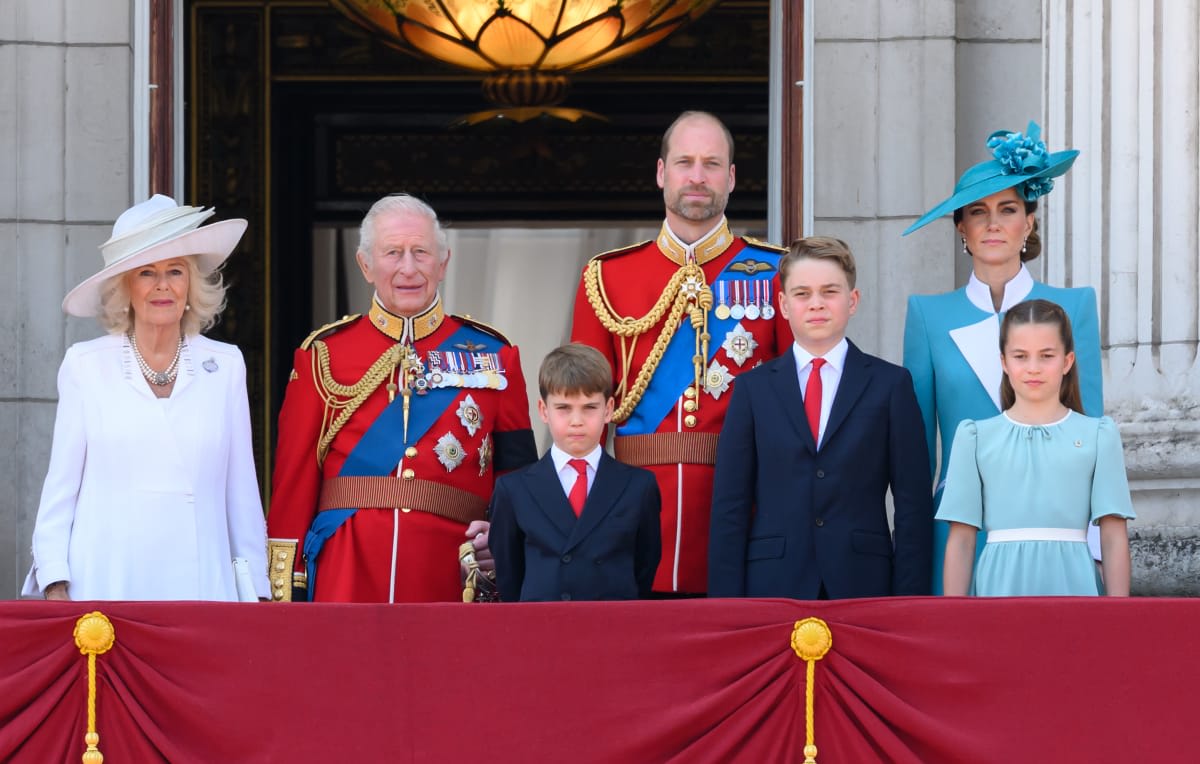
The second ecosystem is the Sussexes' own communications operation — and this is where things get considerably more complicated. The spokesperson's rebuttal was straightforward, effective, and, on the numbers, entirely correct. But it was also, notably, a choice. And to understand why they made it, it is worth looking at what has been unfolding elsewhere in the royal family at exactly the same moment. The Andrew Mountbatten-Windsor scandal — the arrest, the Epstein links, the forced departure from Royal Lodge, the questions about who is funding what at Sandringham — has been met by Buckingham Palace with its customary instrument of choice, near-total silence. No statements of substance.
No acknowledgment of the obvious questions the public is entitled to ask. The institution did what it has always done, say as little as possible and hope the noise eventually subsides. Whether that strategy is serving anyone well in this particular instance is, at the very least, open to question. Speculation, in the absence of information, does not subside. It multiplies. It fills the vacuum with whatever the most motivated voices choose to put there, and it stays there long after the facts have moved on.
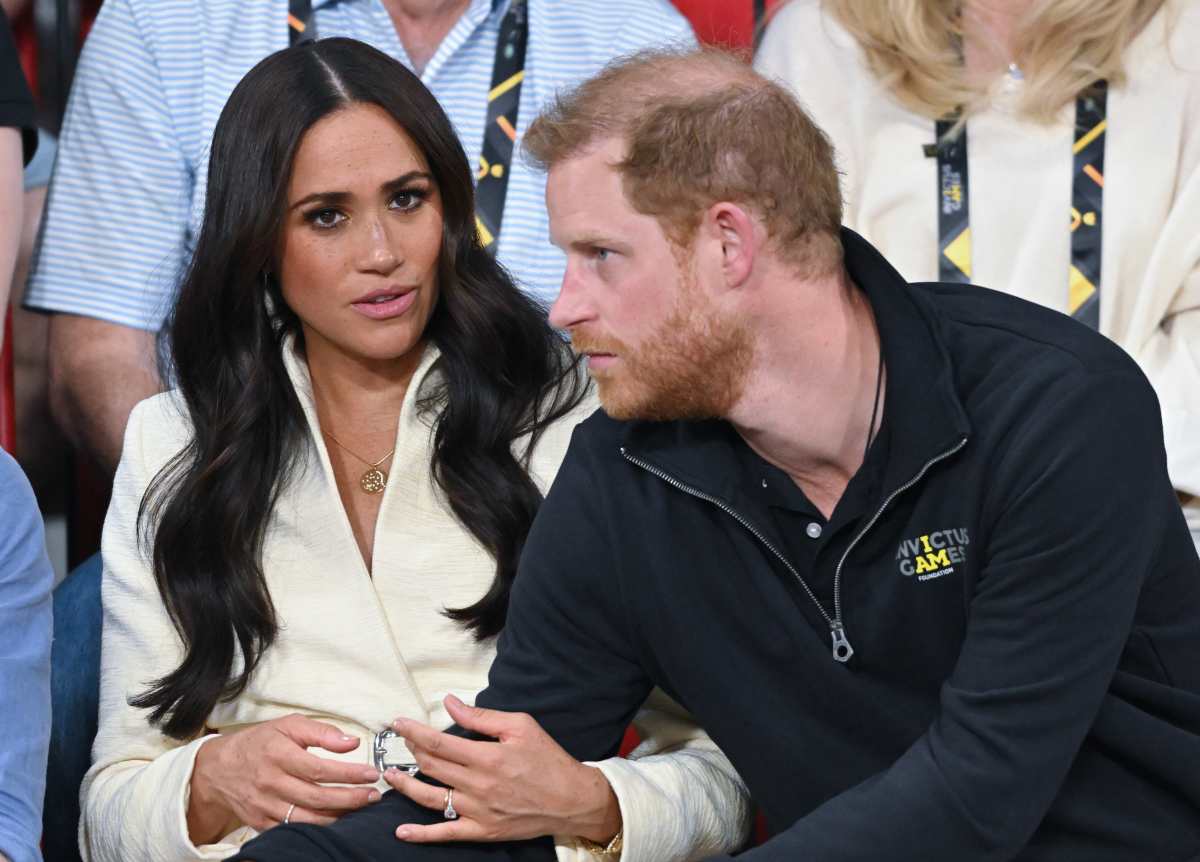
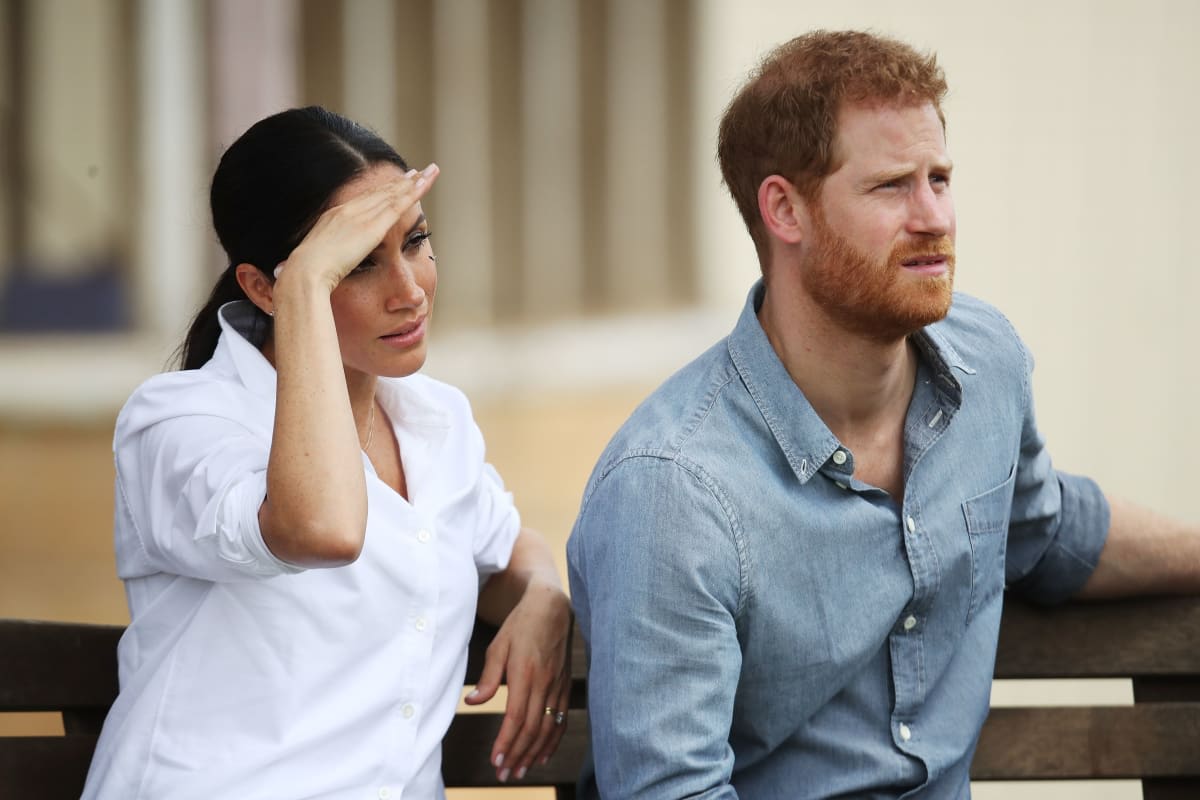
It is hence hard not to wonder whether Harry and Markle have been watching, because their statement in response to the Australian petition was, in its own way, the precise opposite of the Palace playbook — and arguably, the precise lesson the Mountbatten-Windsor situation should have taught. When a false premise is allowed to circulate unchallenged, it does not stay false in the public imagination. It calcifies. It becomes the working assumption. The Sussexes, whatever one thinks of their methods, appear to have decided they are not willing to let that happen to them.
The risk, of course, is real, and they know it. Engaging with every provocation is exhausting, and it keeps them perpetually in the news cycle, feeding the very coverage they find most objectionable. There is also something deeply un-royal about it — and that, depending on your perspective, is either its greatest flaw or its most interesting quality. The Palace's doctrine of silence was never designed to protect the individuals within the institution; it was designed to protect the institution itself. Harry and Markle, no longer inside it, have made a different calculation — that their reputation is theirs to defend, and that silence is not neutrality. It is simply a vacancy that someone else will fill.
The opinions expressed in this article belong to the author alone and are not attributable to The Royal Observer or its editorial team.