The Middletons May Have Played a Bigger Role in Harry and William's Rift Than Anyone Realized
A royal author claims the brothers were already drifting apart long before Meghan ever entered the picture.
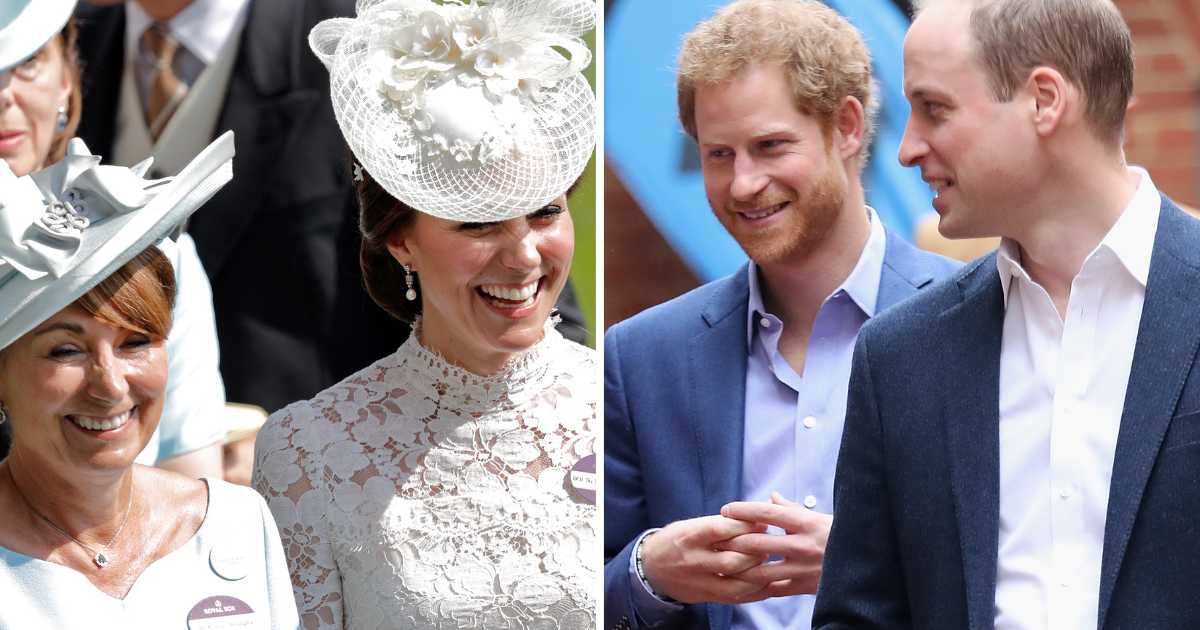


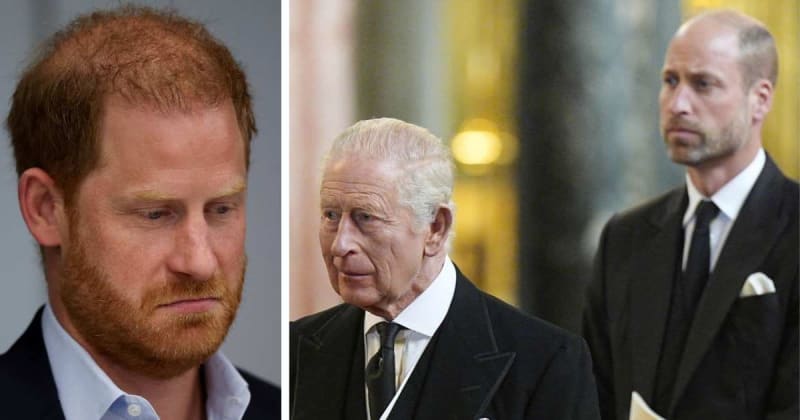
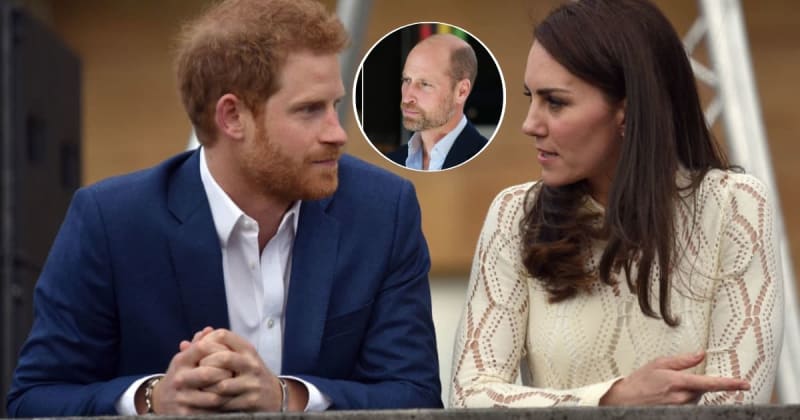
Long before the Sussexes stepped back from royal duties and the brothers stopped returning each other's calls, the distance between Prince Harry and Prince William had already quietly begun to grow. And at the heart of it, according to one royal author, was a rather unexpected culprit, the Middletons.

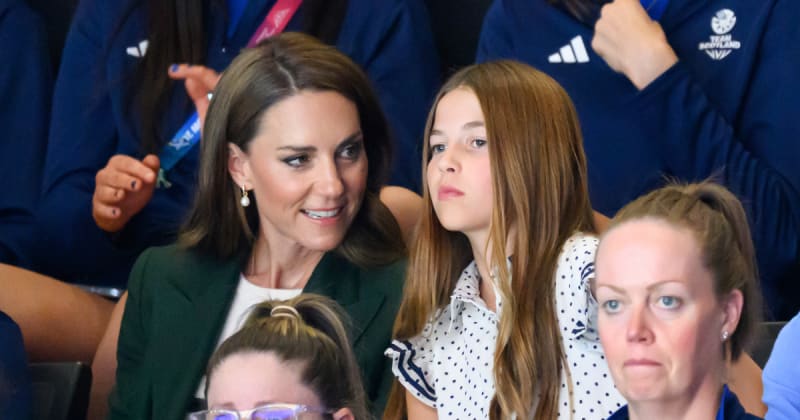
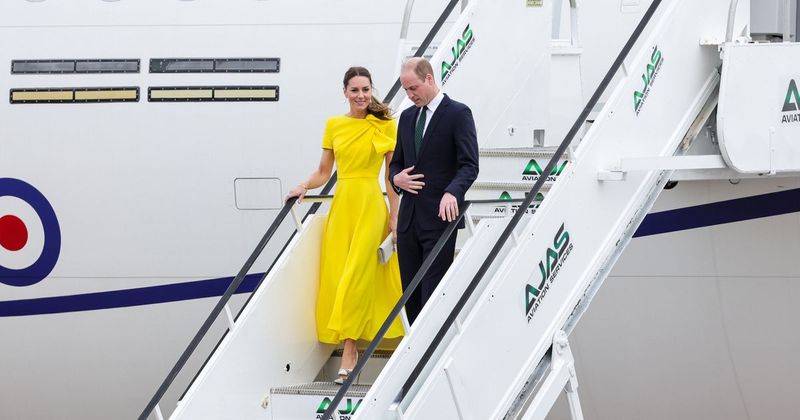
Royal author Tina Brown, in her book The Palace Papers: Inside the House of Windsor, the Truth and the Turmoil, painted a rather revealing picture of a rift that predates the headlines that took over in 2020. Drawing on insight reportedly passed on by a former aide, Brown suggested that as William settled into domestic life with Kate Middleton, Harry found himself on the outside looking in — and increasingly, he didn't like what he saw.
Brown wrote in the book that Harry "felt displaced by their bougie family unit, and couldn't understand his brother's obsession with his Middleton in-laws, whose Bucklebury world bored Harry to tears." It was not simply a matter of sibling rivalry but something more. It was, in Harry's telling, an identity crisis playing out through someone else's lifestyle choices. The more William leaned into quiet weekends in the English countryside, the more Harry appeared to feel like a stranger to the brother he once knew.
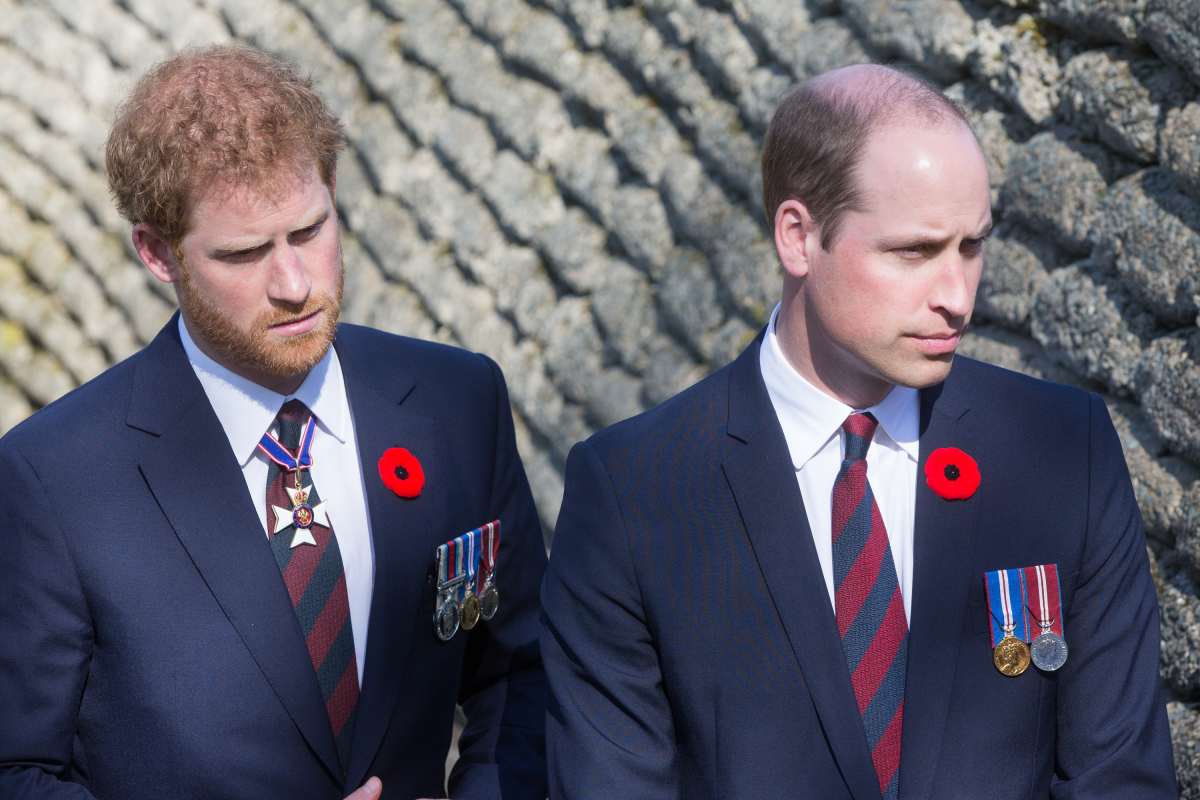
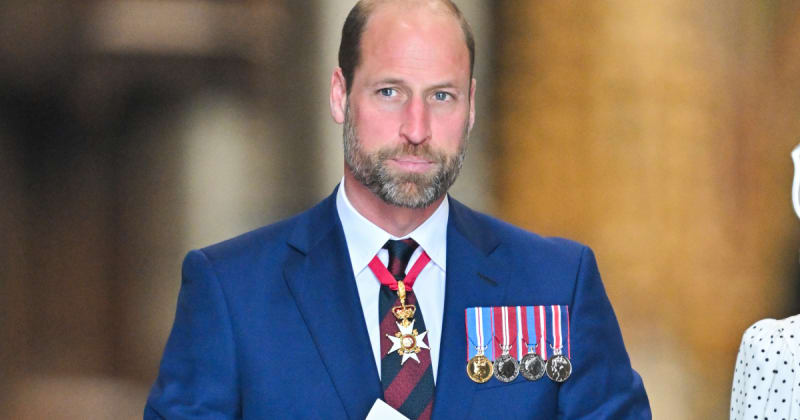
And William, by Brown's account, had leaned in fully. "The \[Waleses\] had become a tight unit," she wrote, "and William a full-on Windsor country bumpkin." The portrait she sketches is almost comically pastoral, writing, "\[O\]n weekends when he wasn't chez Middleton, he was tramping the grounds of Anmer Hall, the red-brick Georgian mansion on the Sandringham Estate that the Queen gave the couple as a wedding present, wearing a flat cap and tweed jacket like his 'turnip toff' Norfolk farmer friends."
For someone of Harry's temperament — restless, social, allergic to routine, as the younger ones usually are, it is not difficult to imagine how that world must have seemed to the spare. But the estrangement, Brown makes clear, ran in both directions. While Harry bristled at his brother's domesticated contentment, William had grown equally weary of Harry's lifestyle. Brown noted that William "felt that Harry's unabated Jack the Lad behaviour was getting tiresome," and that he was "less amused than the British public by either the strip billiards debacle in Las Vegas or Harry's ceaseless boozy nightclub forays with his rowdy friends." The conclusion Brown drew was that "his younger brother's recklessness exasperated him."
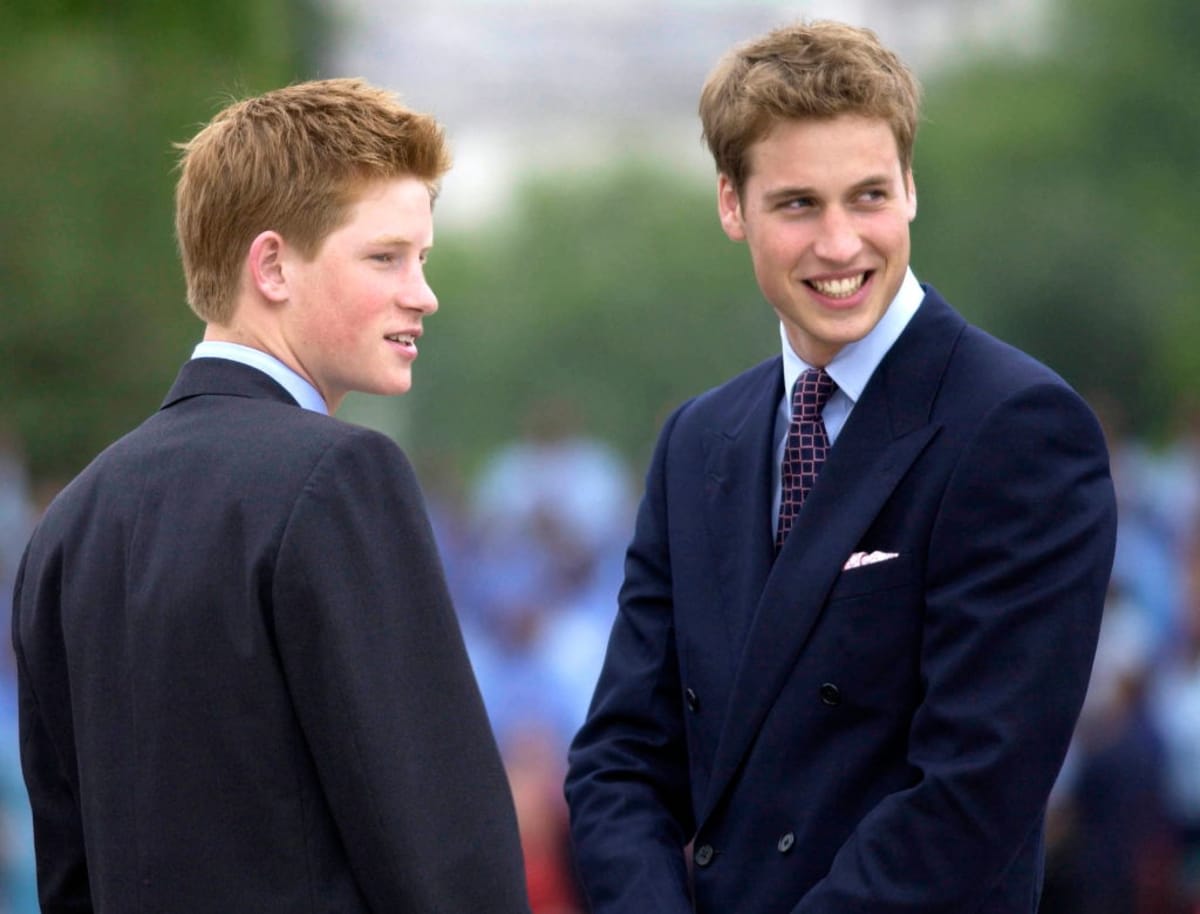
Brown's account suggests that the story of one dramatic falling-out was not true; instead, the two brothers slowly grew into people the other no longer quite recognised. The fractures were subtle at first. By the time Harry married Meghan Markle in 2018, and the couple exited royal life two years later, those fractures had deepened into something far harder to repair.